
 Save
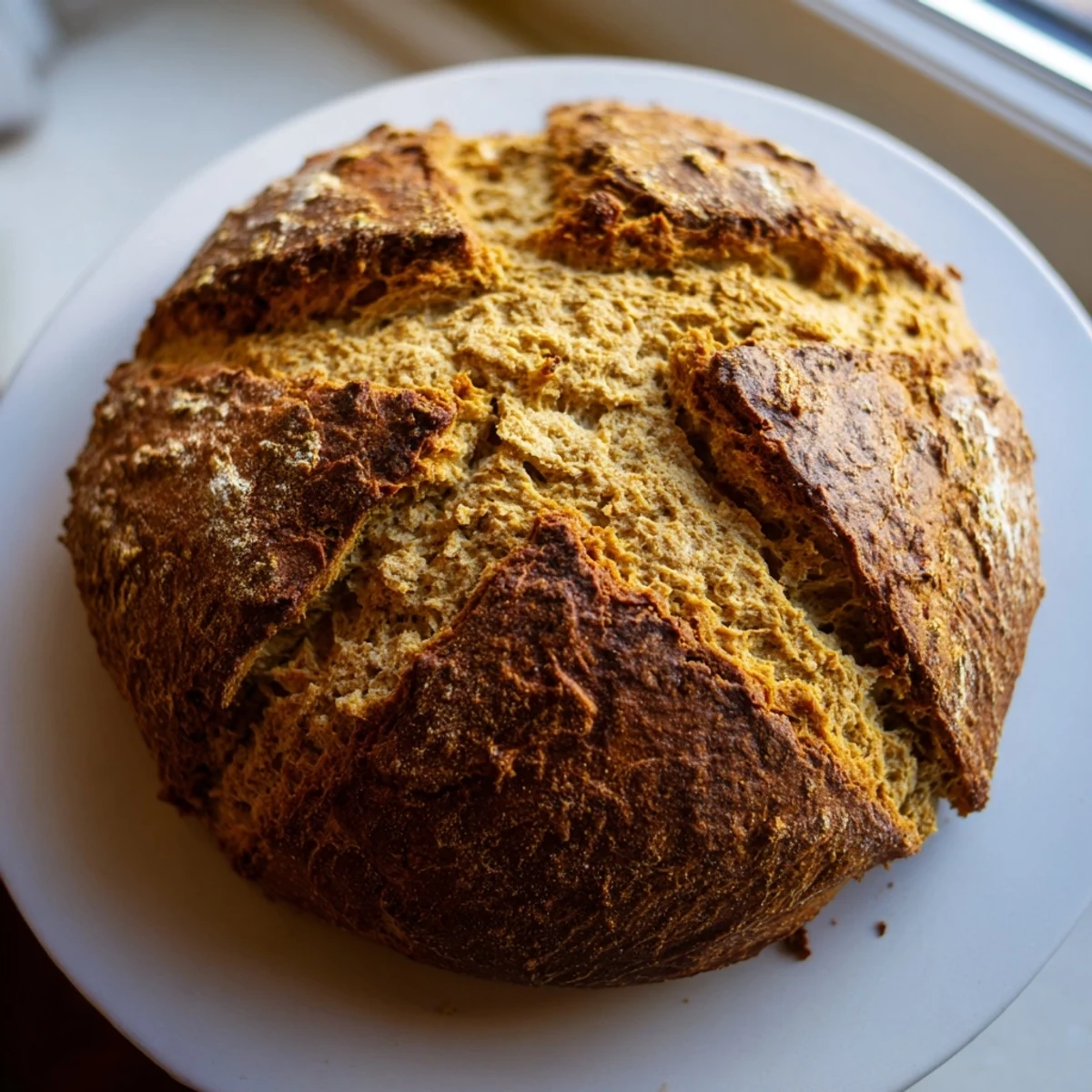
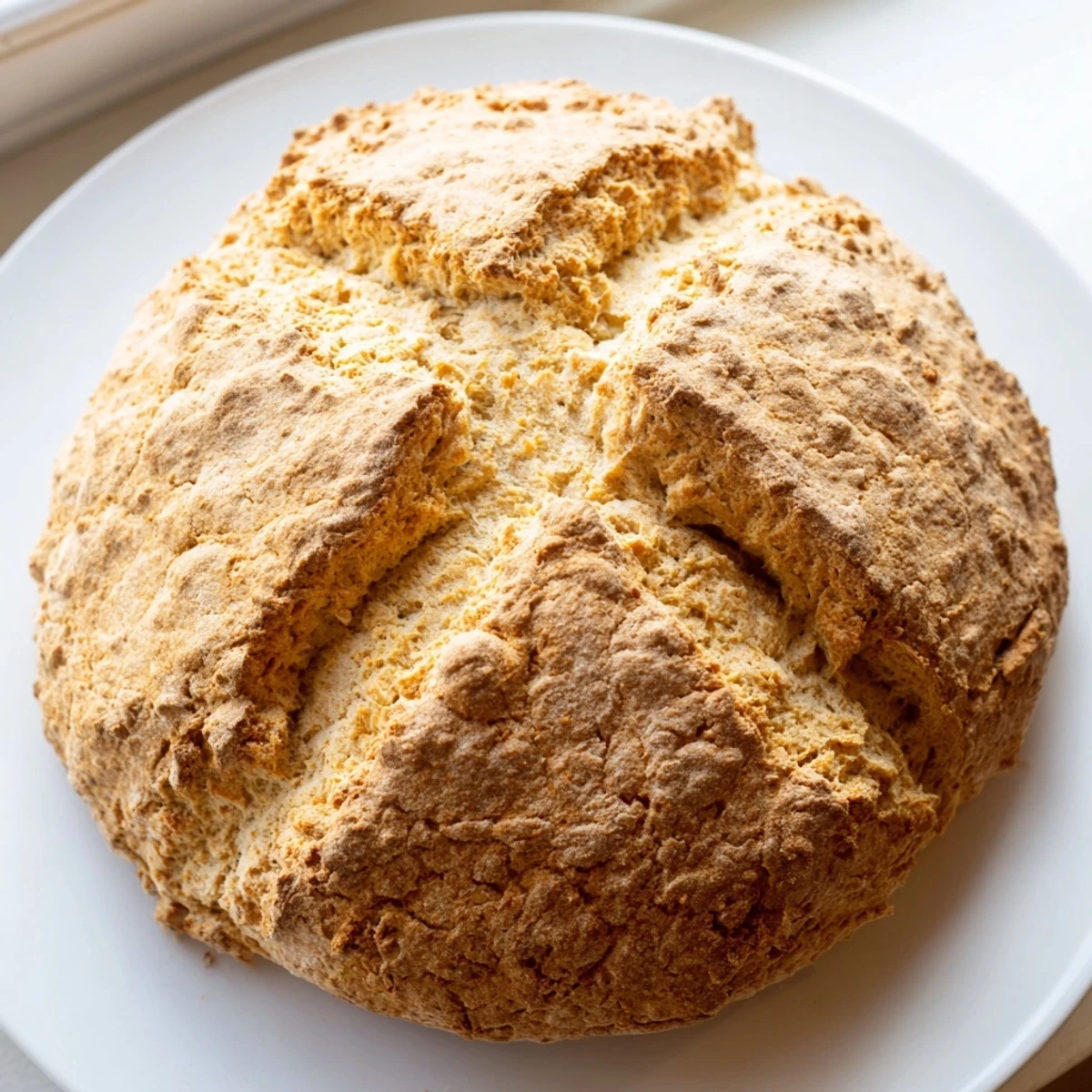
Save This Irish soda bread combines just four basic ingredients—flour, baking soda, salt, and buttermilk—for a simple yet hearty loaf. The dough is quickly mixed and gently kneaded to preserve tenderness before shaping into a round loaf with a signature cross cut atop. Baked until golden brown and hollow sounding when tapped, it offers a traditional rustic texture and flavor perfect for breakfast or as a bread companion with stews. For extra flavor, try substituting half the flour with whole wheat or serving warm with butter.
My grandmother never measured anything when making soda bread, she just knew by feel when the dough was right. I spent years trying to decode her pinch of this and handful of that until I finally landed on this four-ingredient version that comes closest to her memory.
There was a rainy Tuesday last March when I needed comfort more than anything. The house was quiet and I just needed to make something with my hands, something that would fill the kitchen with that unmistakable baked bread smell.
Ingredients
- 4 cups all-purpose flour: The foundation of everything, do not pack it down when measuring
- 1 teaspoon baking soda: This is your rising agent, make sure its fresh
- 1 teaspoon fine sea salt: Enhances flavor and helps the crust develop
- 1 and 3/4 cups buttermilk: The acid activates the baking soda and creates tenderness
Instructions
- Get your oven ready:
- Preheat to 425°F and line a baking sheet with parchment paper while you work.
- Whisk the dry ingredients:
- In a large bowl, combine the flour, baking soda, and salt until evenly distributed.
- Make a well and pour:
- Create a hollow center in your flour mixture and pour in the buttermilk.
- Gently bring it together:
- Stir with a wooden spoon until a shaggy dough forms, then turn onto a floured surface and barely knead.
- Shape your loaf:
- Form into a round, slightly flattened disc about two inches thick and place on your prepared sheet.
- The traditional cross:
- Cut a deep X across the top with a sharp knife, this helps the bread bake evenly.
- Bake until golden:
- For 30 to 35 minutes until the crust is deep golden and the bottom sounds hollow when tapped.
- Patience is crucial:
- Let cool on a wire rack for at least 30 minutes before slicing into it.
 Save
Save That rainy Tuesday bread disappeared within an hour. My partner came home, smelled the kitchen, and immediately reached for the butter.
Making Buttermilk Work For You
Fresh buttermilk makes a difference in texture, but I have made this countless times with the milk and vinegar trick in a pinch. The key is letting it sit for those full five minutes so it can properly curdle and thicken.
The Secret to That Perfect Crust
The high oven temperature creates the crackly, golden exterior that makes soda bread so satisfying. Do not be tempted to lower the heat, that initial blast is what sets the structure.
When to Serve It
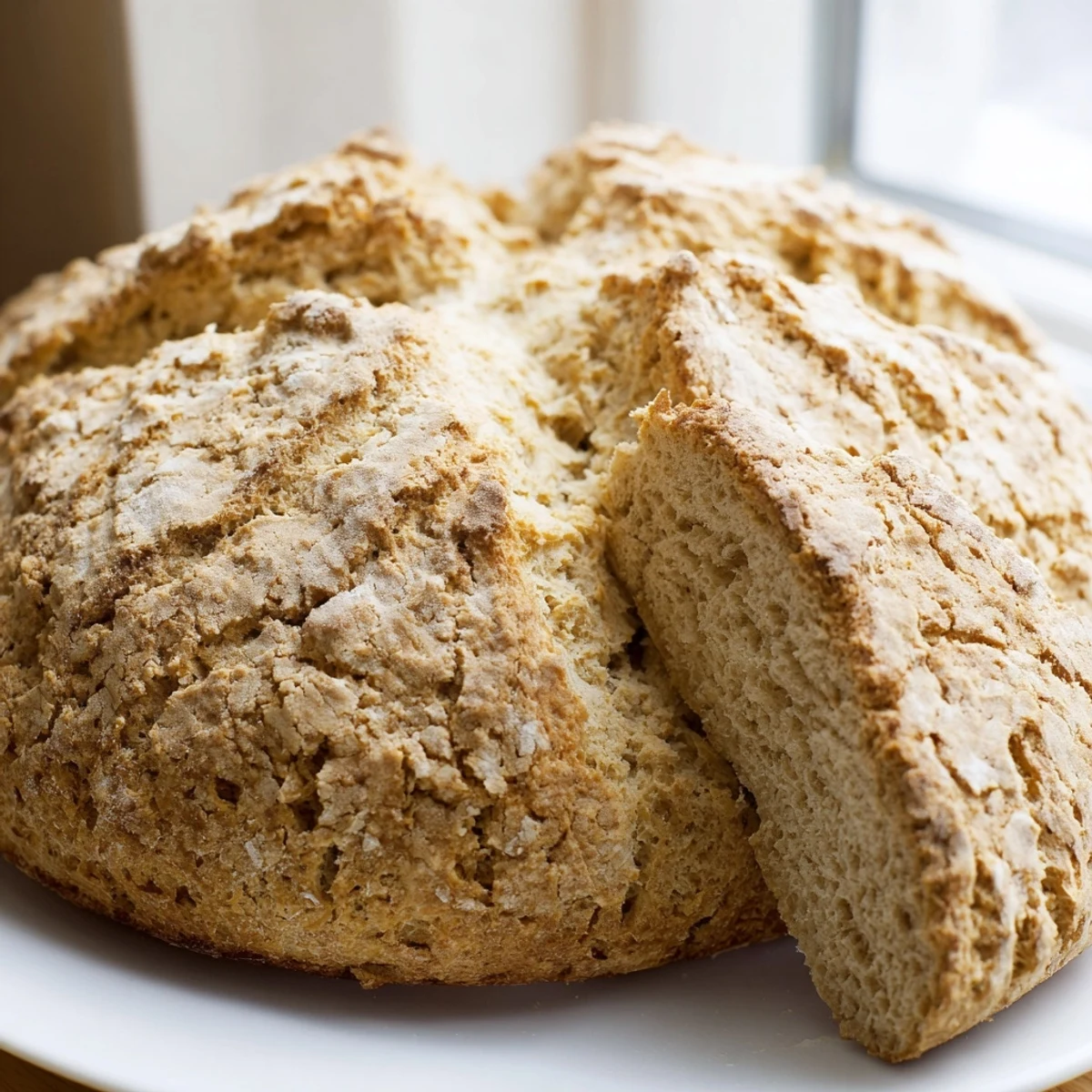
Still warm from the oven with salted butter melting into every crevice is how I eat the first slice. After that, it is exceptional toasted the next morning or alongside a hearty stew for dinner.
- Freeze the second half if you will not eat it within two days
- Wrap it tightly in a clean tea towel to keep it moist
- Day old soda bread makes the best toast you will ever have
 Save
Save Sometimes the simplest recipes are the ones that stay with you the longest.
Recipe FAQs
- → What gives Irish soda bread its rise?
-
The rise comes from the reaction between baking soda and the acidity in buttermilk, creating carbon dioxide bubbles that leaven the dough.
- → Can I substitute buttermilk in this bread?
-
Yes, mix 1 3/4 cups milk with 1.5 tablespoons lemon juice or vinegar and let it sit for 5 minutes to mimic buttermilk’s acidity.
- → How should I shape the dough before baking?
-
Form the dough into a round, slightly flattened loaf about 2 inches thick, then cut a deep X across the top to allow expansion.
- → How do I know when the soda bread is fully baked?
-
The bread should be golden brown with a hollow sound when tapped on the bottom, indicating it is baked through.
- → Can I use whole wheat flour in this bread?
-
Yes, replacing half of the all-purpose flour with whole wheat adds a richer flavor and denser texture.
- → What tools are essential for making this bread?
-
A mixing bowl, wooden spoon, baking sheet, sharp knife for scoring, and a wire rack for cooling are essential.