
 Save
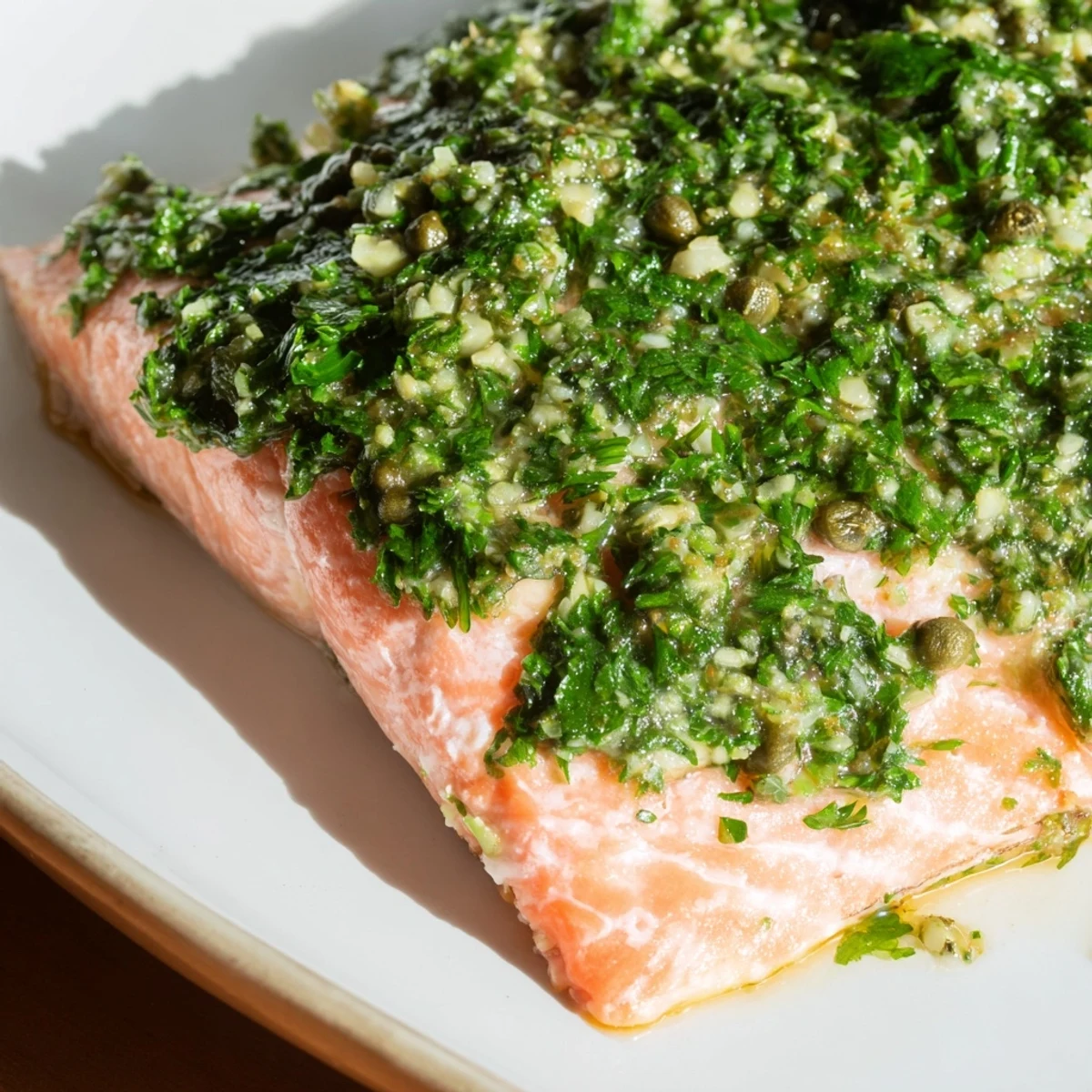
Save This dish features salmon fillets baked until tender and flaky, then topped with a vibrant salsa verde made from parsley, basil, chives, capers, garlic, lemon, and extra-virgin olive oil. The combination delivers a fresh, herbaceous flavor that elevates the rich fish, perfect for a quick and healthy Mediterranean-style main course. Optional anchovies add depth, while the salsa can be prepared ahead for convenience. Serve alongside roasted potatoes or a crisp salad.
I discovered salsa verde on a humid August afternoon when my neighbor brought over a jar of something impossibly green and herbaceous that made me taste every ingredient in a single bite. She'd been raving about it for weeks, so I finally asked her to come cook with me and show me how she made it so bright. When I paired it with salmon that evening, something clicked—the dish felt both elegant and effortlessly simple, like I'd been making it forever. Now it's become my go-to when I want to impress without the stress.
There's something about the smell of fresh herbs hitting hot salmon that makes the kitchen feel intentional and alive. I remember my partner walking in mid-prep and asking if we were cooking in a garden—the basil, parsley, and lemon were just everywhere. Five minutes later, we were eating straight from the serving plates because waiting felt impossible. That's when I knew this recipe had staying power.
Ingredients
- Salmon fillets (4 × 150g): Look for fillets of similar thickness so they cook evenly; this is the backbone of your dish and deserves the best quality you can find.
- Olive oil (1 tbsp for salmon): Just enough to help the fish cook gently without drying out or browning too aggressively.
- Kosher salt and freshly ground black pepper: Season generously before baking because the salmon needs to taste good on its own.
- Flat-leaf parsley (1 cup, finely chopped): The hero herb here—use flat-leaf over curly because it's cleaner and more forgiving in texture.
- Fresh basil (¼ cup, finely chopped): The secret brightness; don't skip it or substitute dried because you'll lose the whole character of the sauce.
- Fresh chives (2 tbsp, minced): A gentle onion note that ties everything together without shouting.
- Capers (1 tbsp, rinsed and chopped): Rinsing them removes excess salt and prevents the salsa from tasting briny; this small step matters enormously.
- Anchovy fillets (2, finely chopped, optional): If you use them, they dissolve into the sauce and add umami depth rather than fishiness—but leave them out if you're uncertain.
- Garlic clove (1, minced): Just one, because it's there to whisper, not shout.
- Lemon zest and juice: This is where the salsa gets its singing edge; zest the lemon before juicing to avoid waste.
- Extra-virgin olive oil (5 tbsp): Use the good stuff here because it's a starring ingredient, not just a binder.
- Dijon mustard (½ tsp): A tiny amount that acts as an emulsifier and adds complexity without tasting mustardy.
Instructions
- Heat your oven and prep:
- Preheat to 200°C and line your tray with parchment—this takes the guesswork out of cleanup and prevents sticking. If your oven runs hot, check the salmon a minute or two early.
- Season and oil the salmon:
- Pat the fillets dry with paper towels, then drizzle lightly with olive oil and season both sides generously with salt and pepper. This is your moment to season thoughtfully because nothing else will touch the fish itself.
- Bake until just cooked through:
- Slide the tray in and set a timer for 15 minutes, then peek—you're looking for flesh that flakes easily when nudged with a fork but still glistens slightly at the center. Overcooked salmon is dry salmon, so err on the side of slightly underdone; carryover heat will finish it on the plate.
- Make the salsa verde while the salmon cooks:
- In a bowl, combine all the herbs, capers, garlic, lemon zest and juice, then fold in the extra-virgin olive oil and mustard gently. Taste as you go and season with salt and pepper; remember that salsa verde should taste alive and balanced, with no single flavor overwhelming the others.
- Plate and serve:
- Transfer each fillet to a warm plate and spoon the salsa generously over the top, letting some pool around the edges. Serve immediately while the salmon is still warm and the herbs are still bright.
 Save
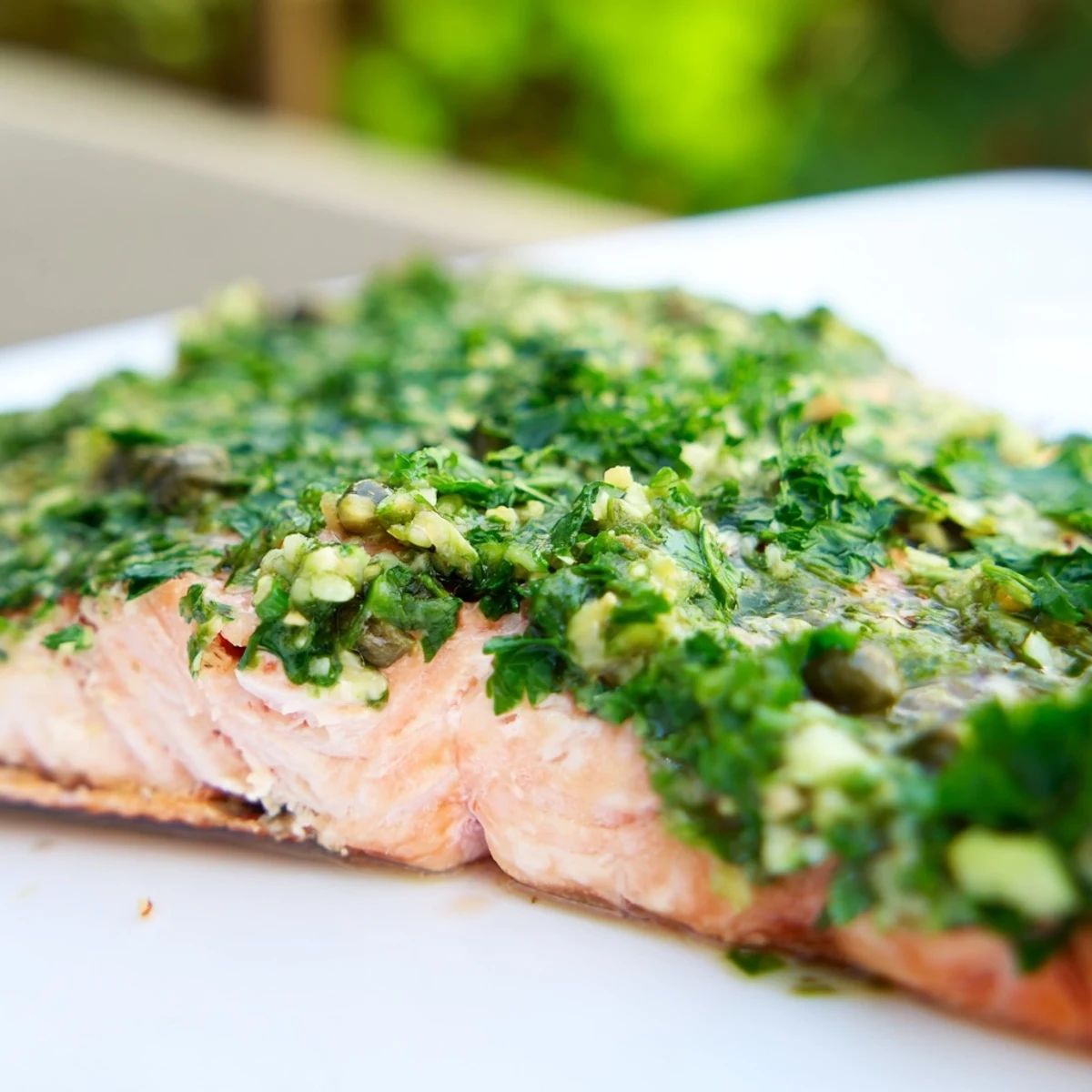
Save The first time I served this to friends, one of them asked if I'd become a professional chef overnight. It wasn't complicated, but it felt special because of that luminous green sauce and the way the salmon stayed tender underneath. That's the power of this recipe—it looks and tastes like you spent hours thinking about it, when really you just assembled good ingredients and let them speak.
Why Salmon Loves This Sauce
Salmon has a richness that needs something bright to balance it, and salsa verde is exactly that counterweight. The acidity from the lemon and the clean herbal notes cut through the fish's oils without erasing its flavor, while the capers add little pops of salty intensity. I've tried this salsa on roasted chicken and vegetables too, but something about the way it awakens salmon makes me reach for this pairing again and again.
The Herb Garden Connection
Every time I make this, I'm reminded that fresh herbs are non-negotiable in a dish like this. If you have access to a garden or even a small windowsill planter, grow basil and parsley—the difference between grocery store herbs and fresh-picked is profound. I learned this the hard way after using week-old herbs from the back of my fridge and wondering why my salsa tasted flat.
Making It Your Own
Salsa verde is more of a philosophy than a fixed formula, and once you understand the balance of herbs, acid, and fat, you can shift it toward your own taste. Some days I add a handful of arugula or mint; other times I reduce the parsley and lean into the basil. The beauty is that it responds well to improvisation as long as you keep the core idea intact.
- Taste constantly while you're assembling the salsa—your palate is the best guide.
- If you can't find fresh basil, try fresh mint or tarragon, but adjust the quantity because their flavors are stronger.
- This sauce keeps in the fridge for two days, but save it without the extra-virgin oil mixed in and add that just before serving for maximum brightness.
 Save
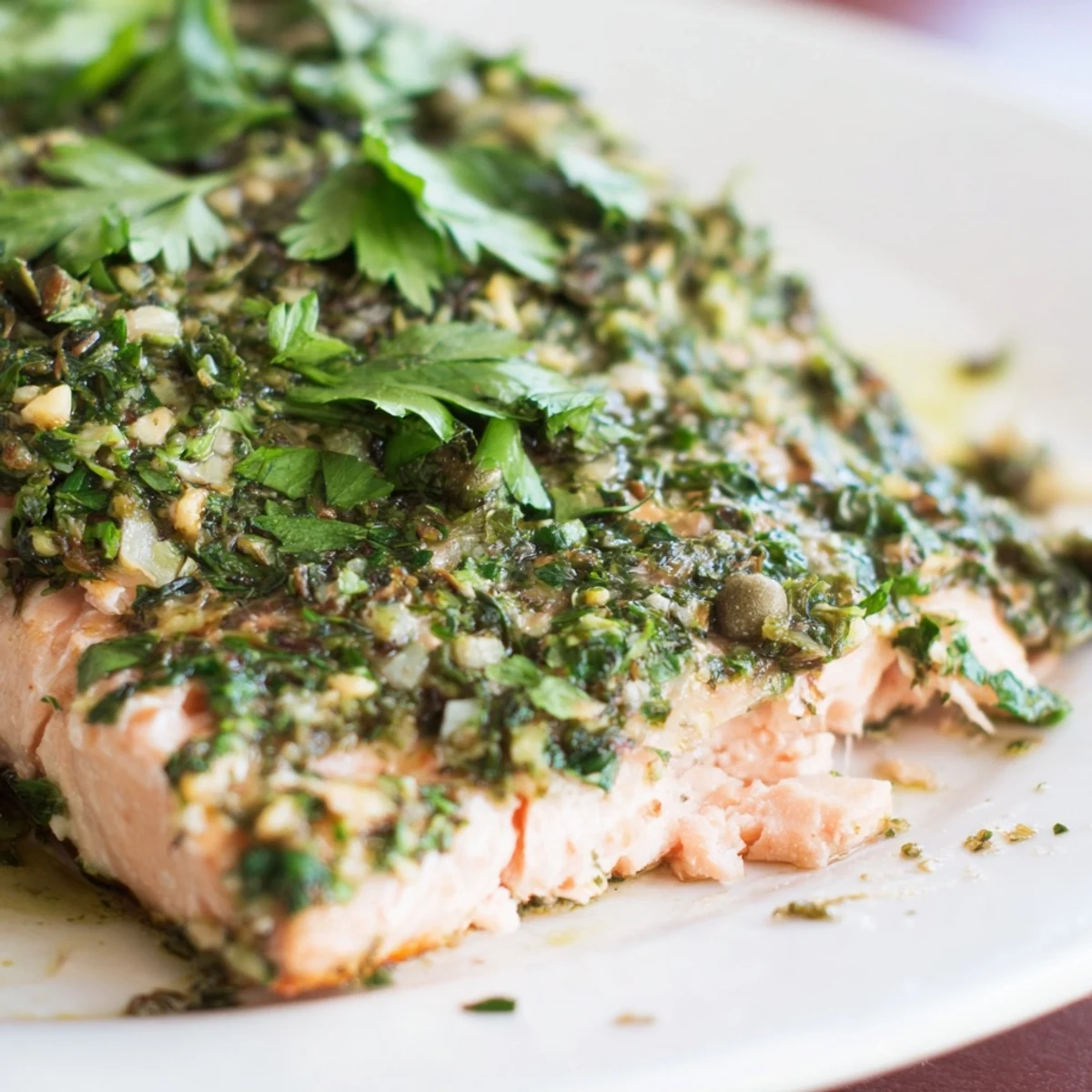
Save This is the kind of dish that feels like a small gift to yourself on a busy evening—nourishing, elegant, and ready in under 40 minutes. Once you've made it once, it becomes a trusted friend in your kitchen rotation.
Recipe FAQs
- → How do I know when the salmon is cooked perfectly?
-
The salmon is done when it flakes easily with a fork and is opaque throughout. Baking for 15–18 minutes at 200°C (400°F) usually achieves this.
- → Can I prepare the salsa verde in advance?
-
Yes, salsa verde can be made up to two days before serving and kept refrigerated to deepen the flavors.
- → What can I serve with baked salmon and salsa verde?
-
Roasted potatoes or a fresh mixed salad complement the dish well. A crisp white wine like Sauvignon Blanc is an ideal pairing.
- → Is it necessary to include anchovies in the salsa verde?
-
Anchovies are optional; omitting them results in a milder but still flavorful salsa verde.
- → How should I season the salmon before baking?
-
Drizzle the salmon fillets with olive oil, then season with kosher salt and freshly ground black pepper for simple, balanced flavor.