
 Save
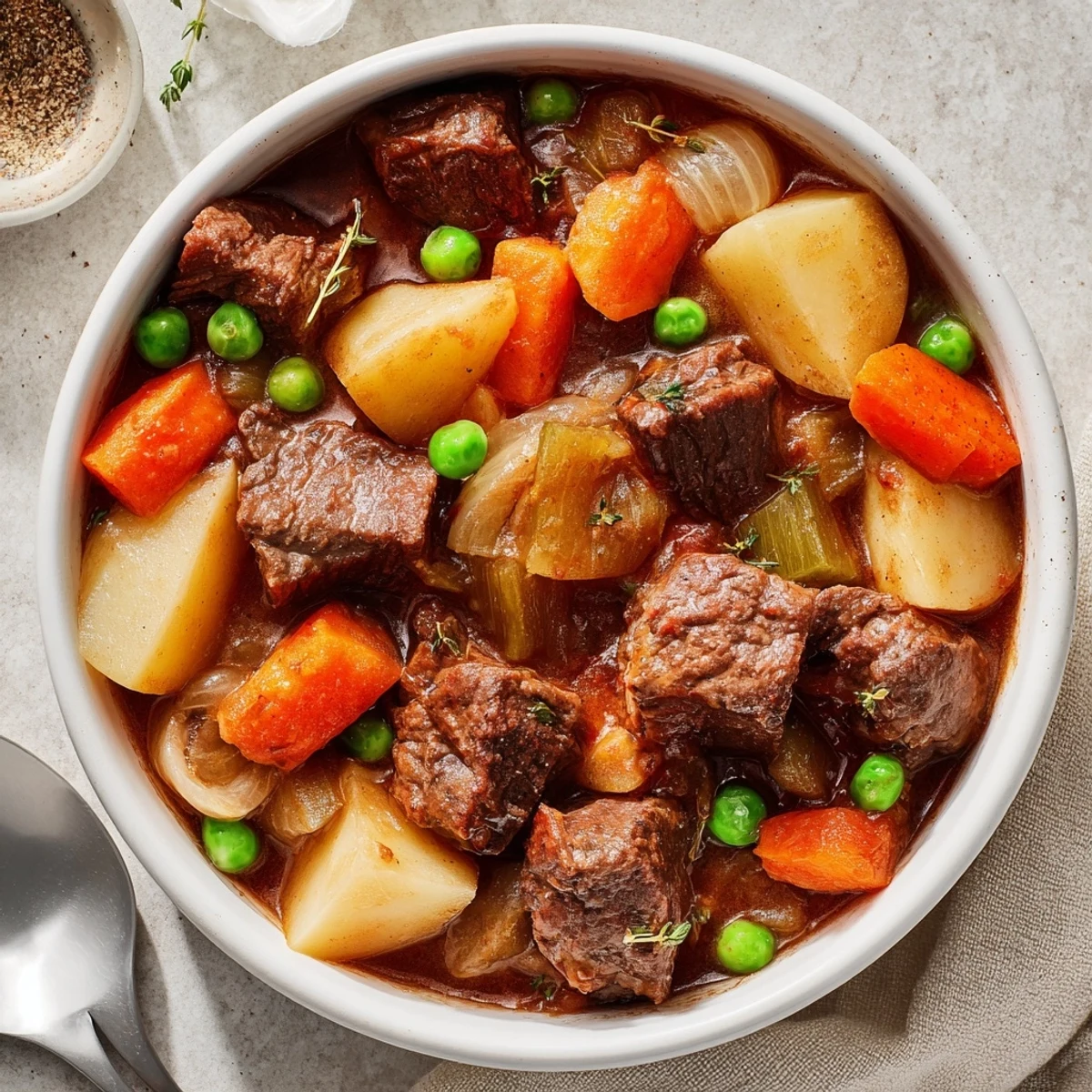
Save Beef chuck is seared to develop a deep crust, then simmered with carrots, potatoes, celery, onion and garlic in red wine and beef stock until melt-in-the-mouth tender. Tomato paste and a flour slurry bolster the body while bay leaves and thyme add aromatic depth. Simmer covered for about 2 hours, then finish uncovered with peas. Serve with crusty bread or buttered noodles.
The rain was hammering against the kitchen window so hard that Tuesday evening that I abandoned all plans for a quick weeknight dinner and reached for my heaviest pot instead. Something about that kind of weather demands a meal that fills every corner of the house with warmth before it ever reaches your bowl. Beef stew is never a decision I regret, even when it means eating later than usual. The smell alone is worth the wait.
My neighbor Dave knocked on my door that night under the pretense of returning a borrowed wrench, but I could tell from the way he lingered in the doorway that he had caught the aroma drifting down the hall. I handed him a bowl without asking, and he stood in my kitchen eating it in complete silence, which is the highest compliment I know.
Ingredients
- 2 lbs (900 g) beef chuck, cut into 1.5 inch cubes: Chuck is the forgiving, flavorful workhorse of stew meat and breaks down beautifully during a long simmer.
- 4 medium carrots, peeled and sliced: They add natural sweetness that balances the savory depth of the broth.
- 3 large potatoes, peeled and diced: These soak up the broth and give the stew its comforting, hearty body.
- 2 stalks celery, sliced: Celery provides a subtle aromatic backbone that you might not notice until it is missing.
- 1 large onion, chopped: The foundation of flavor that melts into the broth as it cooks.
- 3 cloves garlic, minced: Fresh garlic makes a noticeable difference here, so skip the jarred version.
- 1 cup (150 g) frozen peas (optional): A last minute addition that brings brightness and a pop of color to each bowl.
- 3 cups (720 ml) beef stock: Use a good quality stock because it is the primary liquid and will define the flavor.
- 1 cup (240 ml) dry red wine: This adds complexity you simply cannot replicate with stock alone.
- 2 tbsp tomato paste: A small amount delivers umami depth and helps thicken the broth naturally.
- 2 tbsp vegetable oil: Needed for getting a proper sear on the beef without burning.
- 2 tsp salt: Season in layers throughout cooking rather than all at once.
- 1/2 tsp black pepper: Freshly cracked is always better for a dish this simple.
- 2 bay leaves: Remember to remove them before serving because they contribute fragrance, not texture.
- 1 tsp dried thyme: Thyme and beef are one of those classic pairings that never let you down.
- 1/2 tsp paprika: Just enough to add a gentle warmth without making it spicy.
- 2 tbsp all purpose flour (or cornstarch for gluten free): This is the thickener that turns broth into gravy.
Instructions
- Build the sear:
- Heat the oil in a Dutch oven over medium high heat until it shimmers, then season the beef cubes and brown them in batches so each piece gets a deep golden crust without crowding the pot.
- Wake up the aromatics:
- Drop the heat to medium and sauté the onion and garlic until the onion turns translucent and your kitchen smells like the beginning of something wonderful.
- Make the flavor base:
- Stir in the flour and tomato paste, letting them cook for about a minute so the flour loses its raw taste and the paste darkens slightly.
- Introduce the wine:
- Bring it all together:
- Return the beef, add the carrots, celery, potatoes, stock, bay leaves, thyme, and paprika, then stir everything so the flavors are evenly distributed before you bring it to a boil.
- Let time do the work:
- Reduce the heat to low, cover the pot, and let it simmer gently for two hours, stirring every now and then to make sure nothing sticks.
- Finish with peas and adjust:
- Remove the lid, stir in the peas, and simmer uncovered for fifteen more minutes until the vegetables are tender and the broth coats the back of a spoon.
 Save
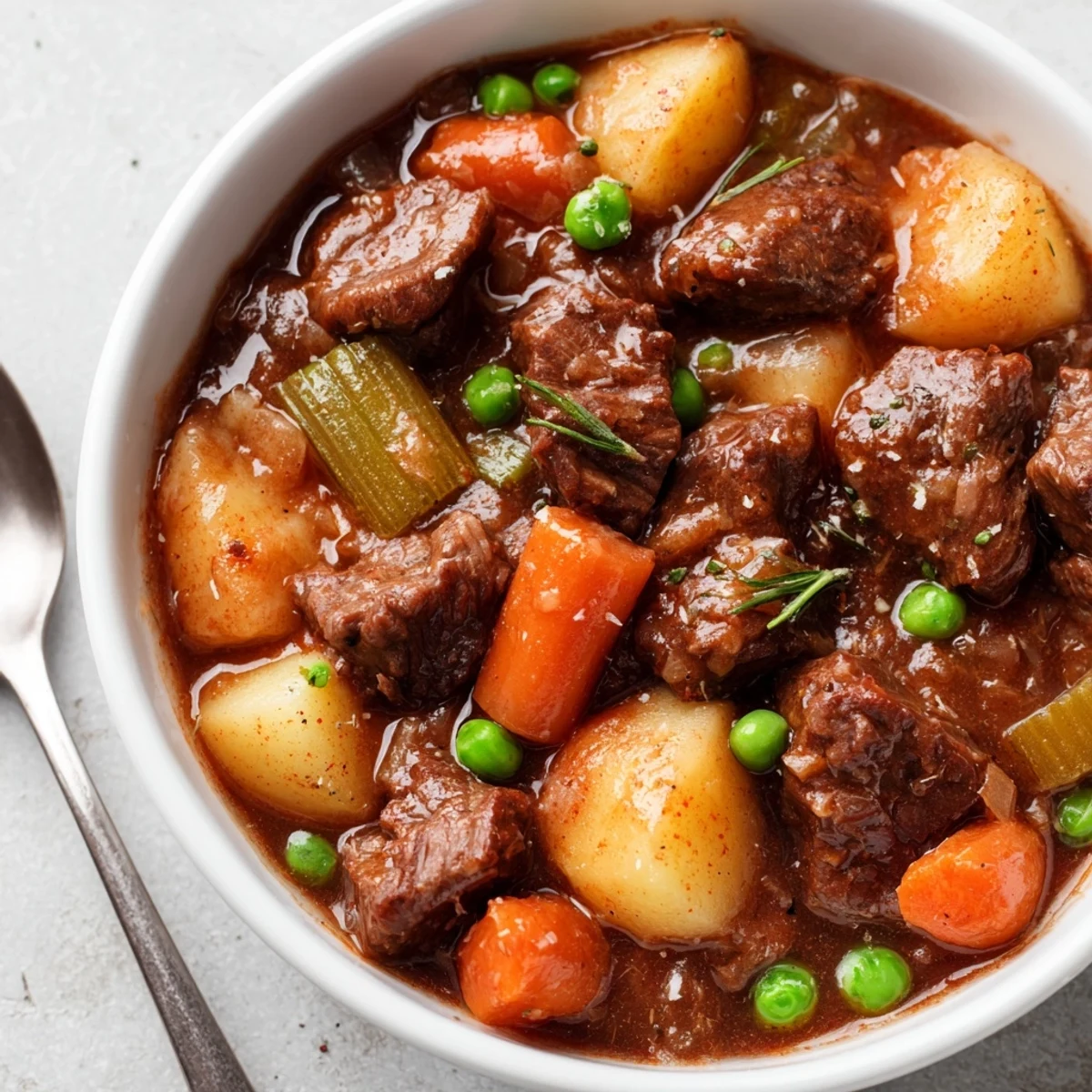
Save There is something about a pot of stew simmering on the stove that turns a kitchen into a gathering place, even when nobody was planning to gather.
The Right Tools Make It Easier
A heavy Dutch oven is worth every inch of cabinet space it occupies because it distributes heat evenly and holds a low simmer without any hot spots that might scorch the bottom.
Serving It the Way It Deserves
A ladleful of this stew over buttered noodles turns a great bowl into an unforgettable one, and a thick slice of crusty bread on the side is nonnegotiable for anyone who enjoys soaking up every drop.
Making It Your Own
Once you have made this recipe a few times, you will start trusting your own instincts with it, and that is when cooking becomes genuinely fun.
- Swap parsnips for carrots if you want a slightly sweeter, earthier flavor profile.
- Omit the wine and use extra stock if you prefer, though you will lose some depth.
- Taste and adjust the salt at the very end because the broth reduces and concentrates as it cooks.
 Save
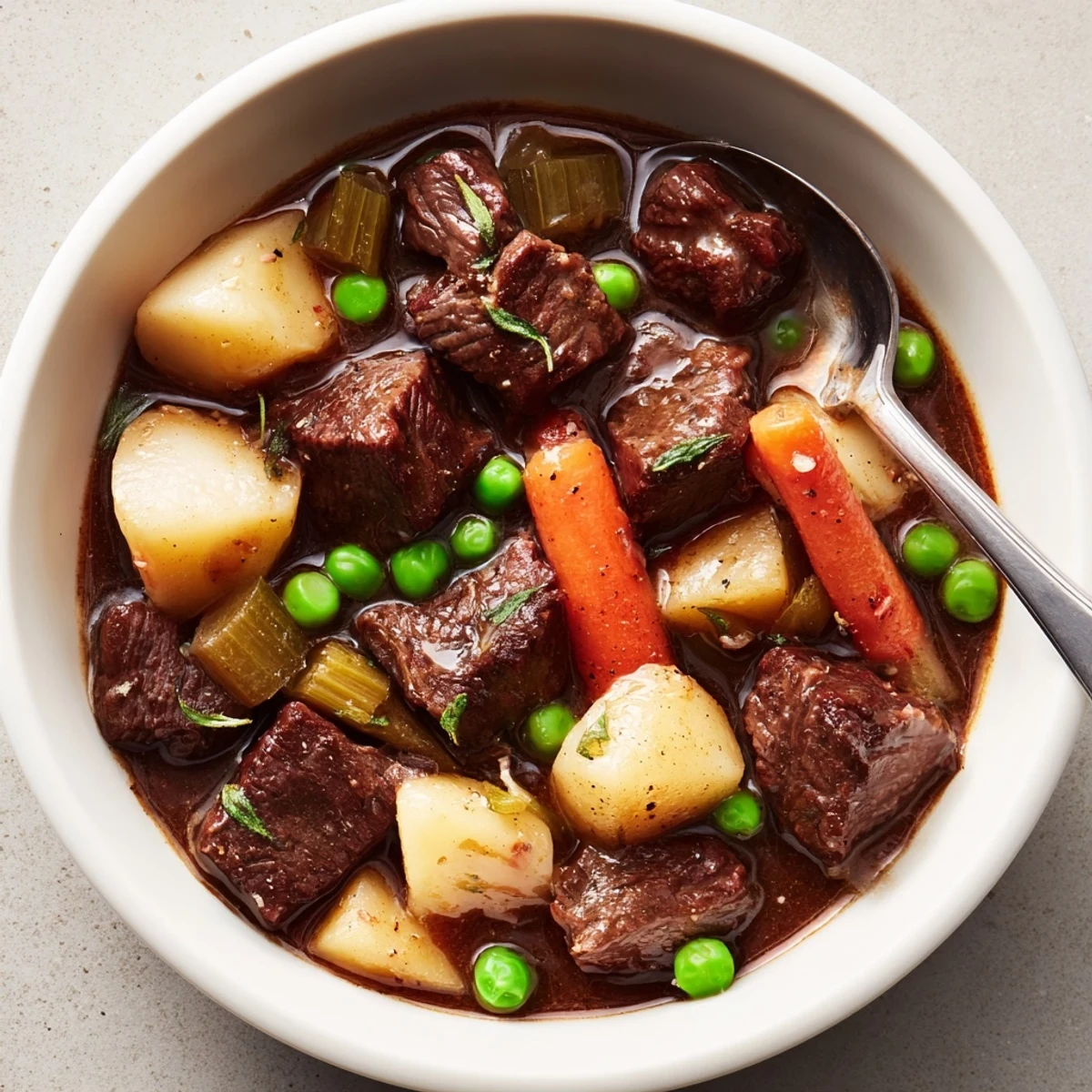
Save Some meals feed the body and some feed the people gathered around the table, and a good beef stew does both without even trying. Keep the recipe, share the pot, and stay for seconds.
Recipe FAQs
- → Which cut of beef works best?
-
Use beef chuck or another well-marbled cut; the connective tissue breaks down during long, gentle simmering to yield tender, flavorful pieces.
- → How can I thicken the broth for a gluten-free version?
-
Replace all-purpose flour with cornstarch mixed into a cold slurry (1:1 with water) and stir in near the end of cooking to achieve a glossy, thicker sauce.
- → Can I skip the wine and still get depth?
-
Yes: substitute extra beef stock and add a splash of balsamic vinegar or Worcestershire sauce to replicate the acidity and complexity wine provides.
- → How long should it simmer for fall-apart beef?
-
Simmer gently for about 2 hours covered, checking periodically; longer low heat will further tenderize the meat without drying it out.
- → What are good make-ahead and storage tips?
-
The flavors improve after resting overnight. Cool completely, refrigerate up to 4 days, or freeze portions for up to 3 months. Reheat gently to preserve texture.
- → How do I get a good browning on the beef?
-
Pat the cubes dry, season well, and brown in batches over medium-high heat without overcrowding so meat sears rather than steams, creating fond for the sauce.