 Save
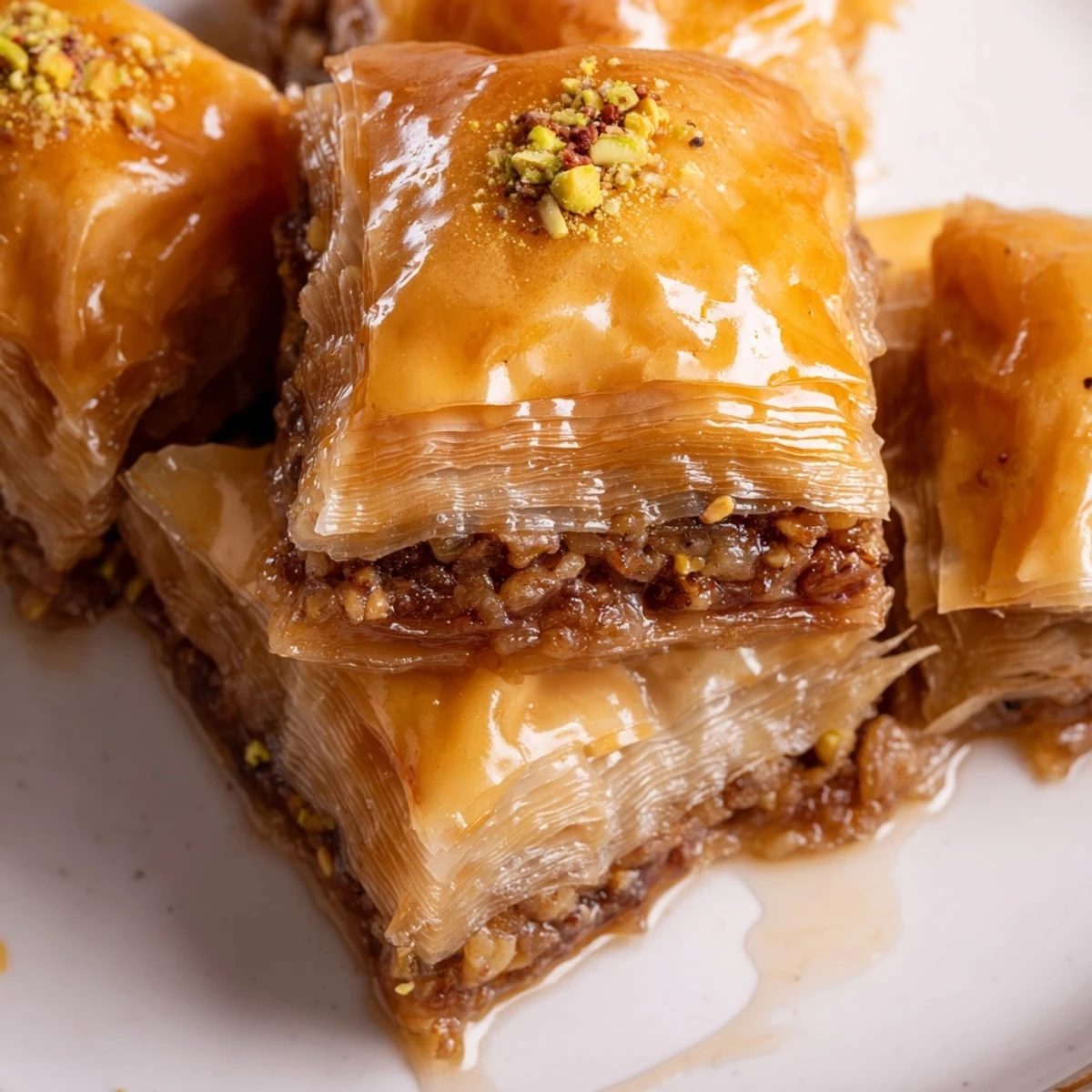
Save This traditional Bosnian dessert creates irresistibly sweet and nutty layers through careful assembly of buttery phyllo sheets spiced nut mixture. The process involves stacking twenty sheets while brushing each with melted butter creating flaky texture. A aromatic syrup of sugar honey lemon juice and optional rose water gets poured hot over freshly baked pastry allowing maximum absorption. For best results prepare one day ahead letting flavors meld completely. Serve alongside strong Bosnian coffee or black tea for authentic experience.
The first time I attempted Bosnian baklava, I was visiting my grandmother's friend in Sarajevo. She worked with such quiet confidence, her hands moving instinctively as she layered tissue-thin phyllo with that spiced nut mixture. When she poured the hot syrup over the freshly baked pastry, the sound was almost musical—a gentle sizzle that filled the entire kitchen. That afternoon taught me that baklava isn't just dessert; it's a meditation on patience and precision.
I served this at my first dinner party after moving into my new apartment, slightly nervous about getting the syrup timing right. My friends gathered around the counter as I cut through the golden layers, that satisfying crunch echoing through the room. We ate it standing up, plates in hand, talking late into the night about everything and nothing. Now whenever I make baklava, I'm back in that crowded kitchen, surrounded by laughter and the scent of honey and butter.
Ingredients
- Phyllo dough: Keep it covered with a damp towel while working to prevent drying and cracking
- Walnuts: The backbone of traditional Bosnian flavor, grind them just before making for maximum aroma
- Almonds: Add subtle sweetness and vary the texture from the softer walnuts
- Pistachios: Optional but lovely for color and a slightly more complex nut profile
- Sugar: Balances the nuts and provides structure to the filling mixture
- Cinnamon and cloves: Warm spices that make this distinctly Bosnian rather than Greek or Turkish
- Unsalted butter: Melt it completely and keep it warm for easy brushing
- Syrup ingredients: The honey and citrus notes cut through the richness while rose water adds an authentic touch
Instructions
- Preheat your workspace:
- Set oven to 180°C (350°F) and butter your 23x33 cm pan thoroughly while melting the remaining butter
- Mix the filling:
- Combine all chopped nuts with sugar, cinnamon, and cloves until evenly distributed
- Build the foundation:
- Layer 6 to 8 sheets of phyllo, brushing each with butter—work quickly but gently to avoid tearing
- Add first nut layer:
- Sprinkle one third of the nut mixture across the phyllo, covering completely but not too thickly
- Continue layering:
- Add 4 to 5 buttered sheets, another third of nuts, then repeat until all nut mixture is used
- Finish with phyllo:
- Top with remaining sheets, buttering every single one including the very top layer
- Score the pastry:
- Cut completely through into diamonds or squares before baking—this helps syrup penetrate later
- Bake until golden:
- Cook 35 to 40 minutes until deeply colored and crisp throughout
- Prepare the syrup:
- While baklava bakes, boil sugar, water, and lemon juice for 8 to 10 minutes, then stir in honey and floral water
- The crucial step:
- Pour hot syrup over hot baklava immediately—this temperature difference ensures proper absorption
- Wait patiently:
- Let cool completely at room temperature, giving it several hours or ideally overnight
 Save
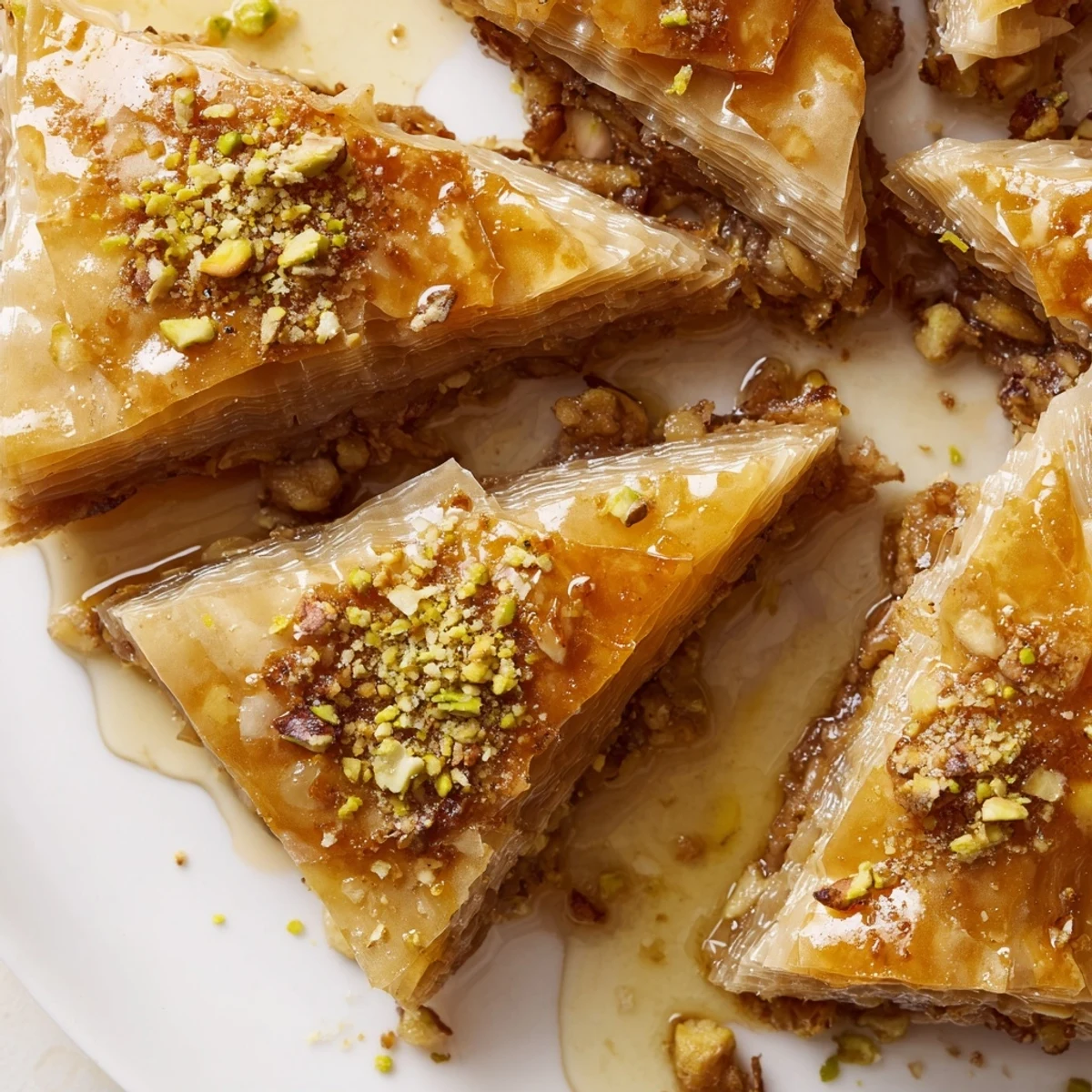
Save There's something deeply satisfying about cutting into that first diamond the next day, hearing the crisp crackle, and seeing how perfectly the syrup has been absorbed. My neighbor once told me that good baklava should stick to your fingers just a little—a mark of authenticity I've come to appreciate. Every batch connects me to that Sarajevo kitchen and all the hands that have made this before me.
Making It Ahead
Baklava actually improves with time, so making it a day ahead is ideal. The syrup needs those hours to fully permeate every layer, creating that characteristic texture that's simultaneously crisp and tender. Store it at room temperature in an airtight container—never refrigerate, as this makes the phyllo tough and the syrup seize.
Phyllo Handling Tips
Thaw frozen phyllo overnight in the refrigerator, then let it come to room temperature still wrapped. When you're ready to work, cover the stack with a slightly damp cloth and only remove a few sheets at a time. If a sheet tears, don't worry—simply layer it and no one will notice once it's baked and soaked with syrup.
Serving Suggestions
In Bosnia, baklava is almost always served with strong black coffee, the bitterness balancing the sweetness perfectly. A scoop of plain yogurt on the side can also cut through the richness if you find it overwhelming. Small pieces are traditional—this is an intense dessert meant to be savored slowly.
- Clean your knife with hot water between cuts for the sharpest edges
- Bring the butter to room temperature before melting for better adhesion
- Let the syrup cool slightly if it seems too thin to coat evenly
 Save
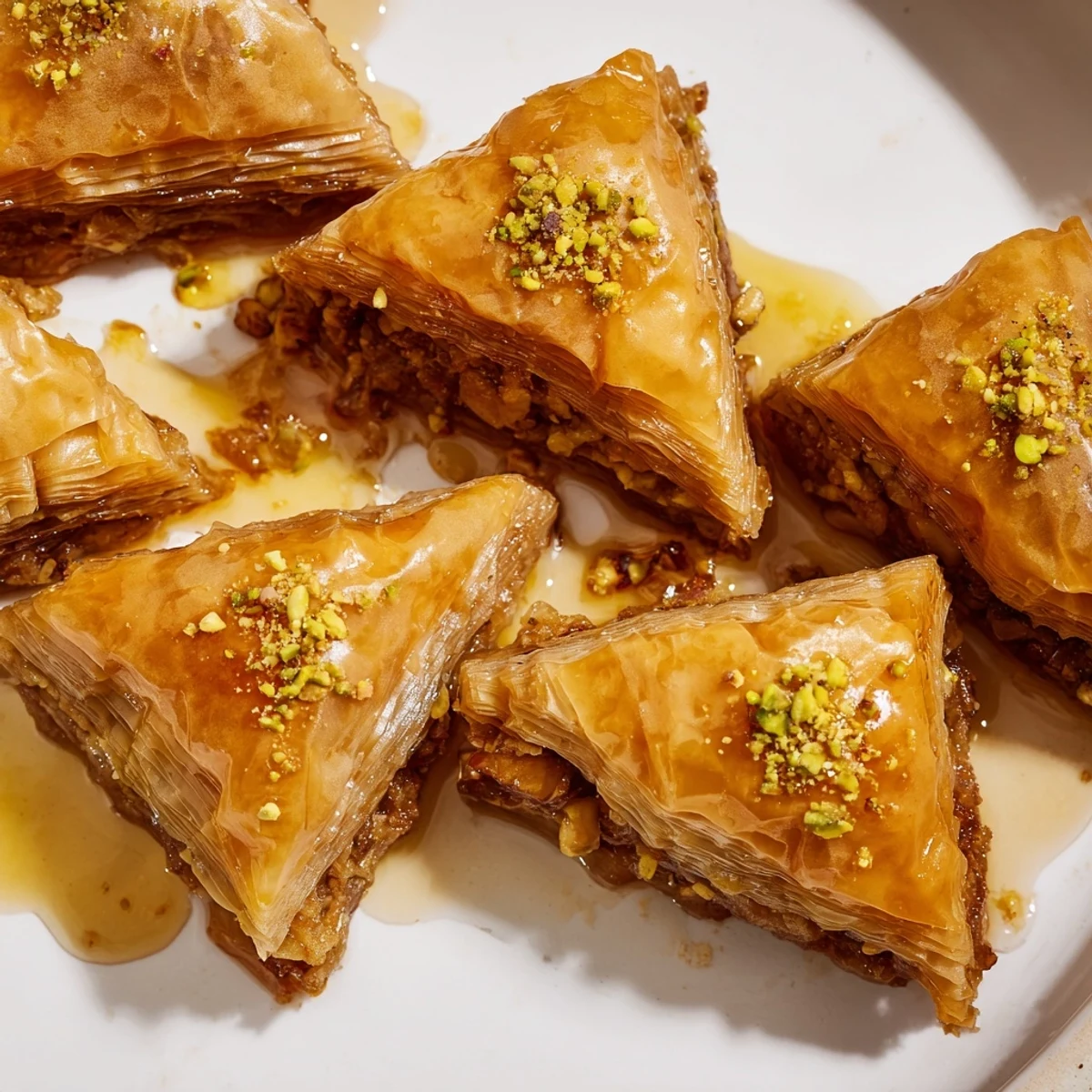
Save Every time I pull a golden tray from the oven, I'm reminded that some recipes are worth every careful step. May your kitchen fill with the same warmth that filled mine that first day in Sarajevo.
Recipe FAQs
- → What makes Bosnian baklava different from other varieties?
-
Bosnian baklava typically features a higher ratio of nuts to pastry layers compared to Greek or Turkish versions. The syrup often includes honey and sometimes rose or orange blossom water creating a distinctive floral sweetness. The cutting technique before baking helps syrup penetrate evenly throughout all layers.
- → Can I prepare baklava in advance?
-
Absolutely. Baklava actually improves when made a day ahead as the syrup fully saturates the pastry layers. Store in an airtight container at room temperature for up to one week. The flavors deepen and texture becomes more tender with time making it ideal for preparing before special occasions.
- → How do I prevent phyllo dough from drying out?
-
Keep unused phyllo sheets covered with a damp kitchen towel or plastic wrap while working. Work quickly but gently when handling sheets. If phyllo becomes slightly dry you can lightly brush with additional melted butter before adding filling. Thaw frozen phyllo completely in refrigerator overnight before using.
- → What nuts work best in this baklava?
-
Walnuts form the traditional base providing rich earthy flavor. Almonds add sweetness and crunch while pistachios contribute vibrant color. You can substitute hazelnuts or use all walnuts if preferred. Chop nuts finely to ensure even distribution between layers. Toasting nuts lightly beforehand enhances their natural flavors.
- → Why pour syrup over hot baklava?
-
Pouring hot syrup over freshly baked hot pastry creates optimal absorption conditions. The heat helps syrup permeate all layers evenly ensuring consistent sweetness throughout. Cold syrup would make pastry soggy while waiting too long after baking prevents proper soaking. This technique is crucial for achieving the characteristic moist-yet-crisp texture.
- → How do I know when baklava is done baking?
-
Baklava is ready when the top turns golden brown and feels crisp to the touch typically after 35-40 minutes at 180°C. The edges should appear slightly darker than the center. You may notice the nut filling becoming fragrant. Avoid overbaking as layers can become too dry to absorb syrup properly.