
 Save
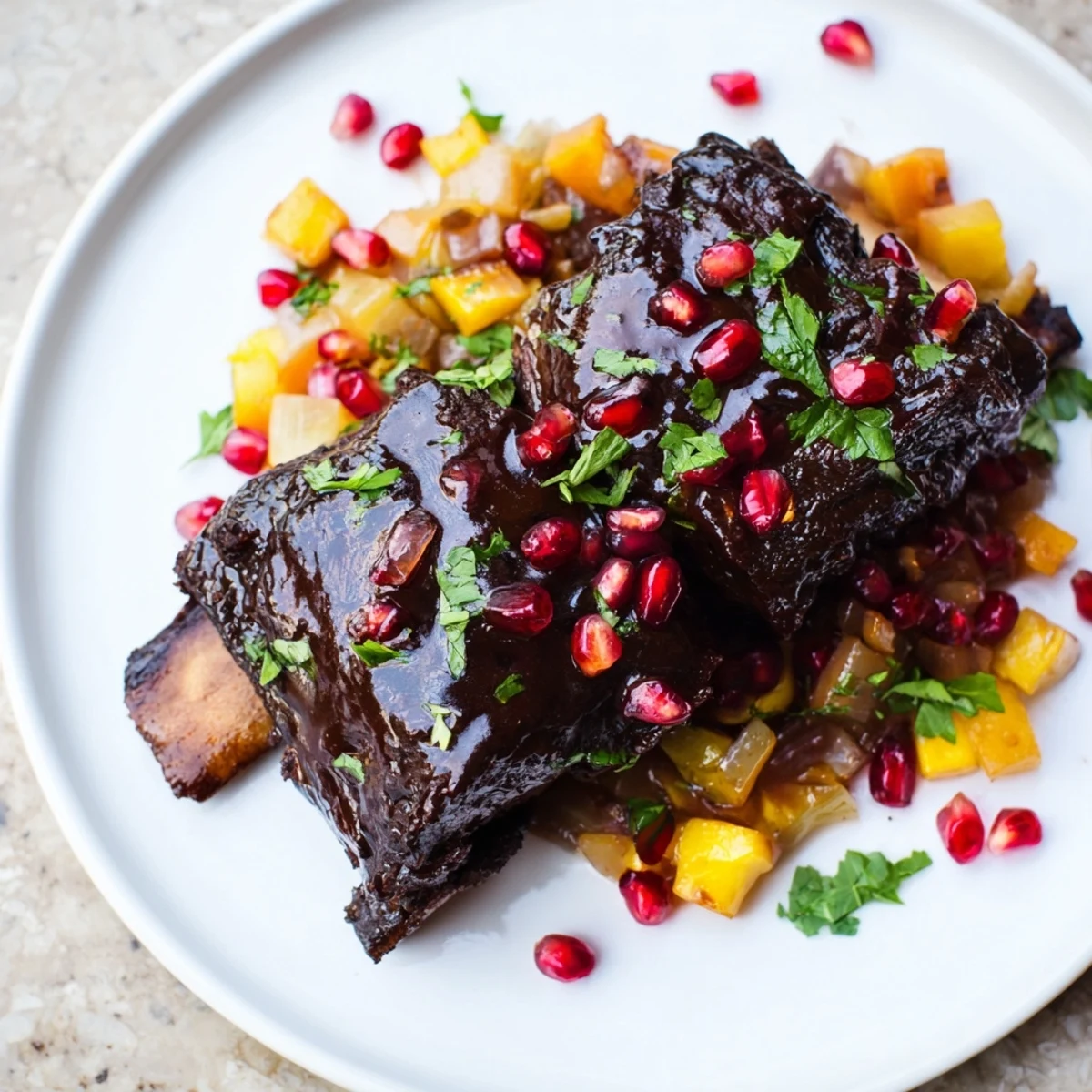
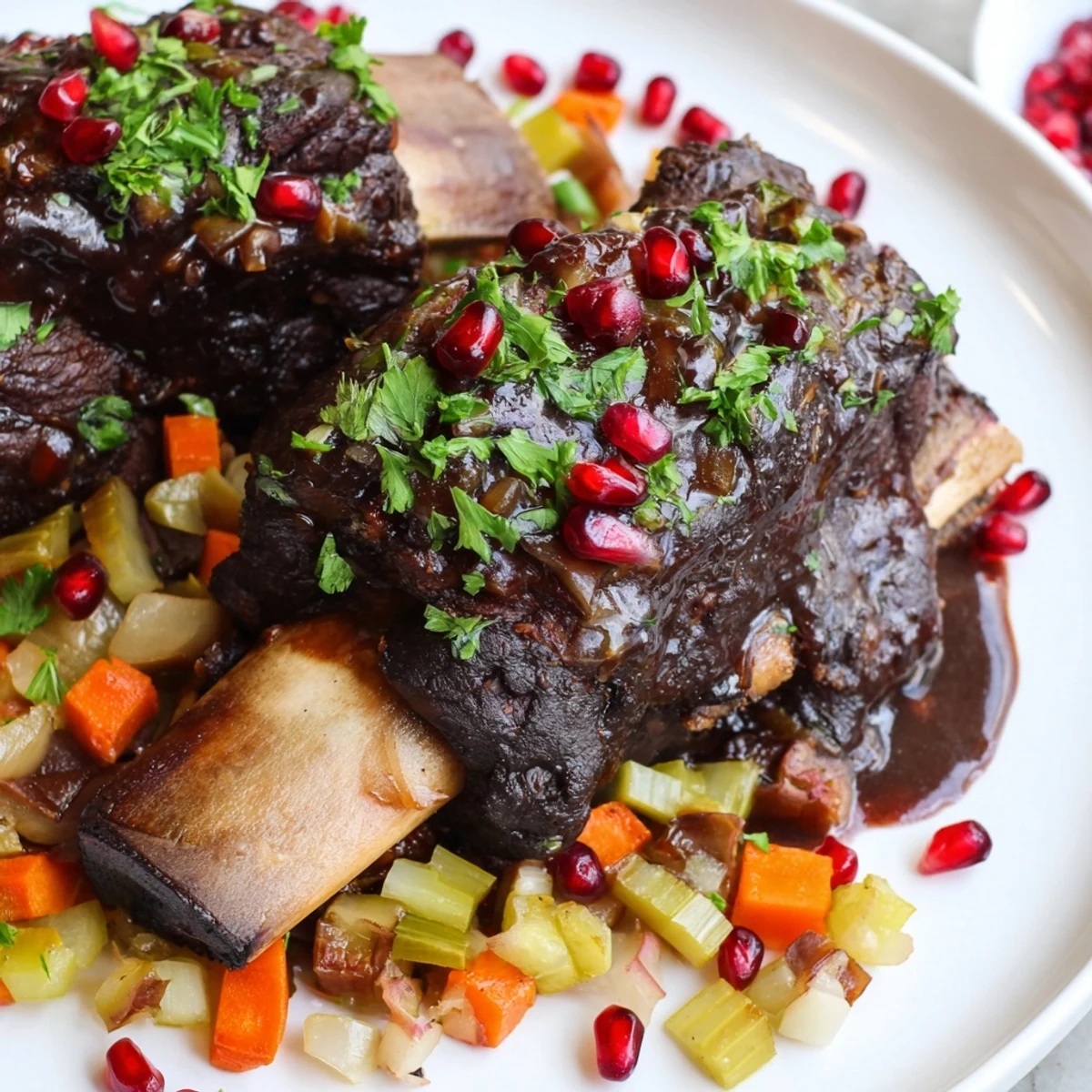
Save Experience tender, fall-off-the-bone beef short ribs gently braised with aromatic vegetables and herbs. The slow cooking process infuses deep, savory flavors, while the jewel-bright pomegranate glaze adds a vibrant, tangy finish. This dish balances rich meatiness with sweet and tangy notes, perfect for elegant dinners or intimate gatherings. Serve alongside creamy mashed potatoes or polenta to soak up the luscious sauce and enjoy a hearty, satisfying meal.
The first time pomegranate molasses caught my eye, I was wandering through a crowded market in late autumn, distracted by the smell of roasting nuts and the particular gold-green light that hits around four o'clock. I bought a bottle on impulse, not knowing what I'd do with it, and it sat in my cupboard for months before I drizzled it over short ribs on a night when I needed something that felt like an occasion.
I made these for my sister's birthday two years ago, when her new apartment still smelled like fresh paint and we ate on folding chairs with mismatched plates. She kept spooning extra glaze onto her polenta long after she was full, and I remember thinking that some recipes earn their place in your rotation not because they're easy, but because they create moments like that.
Ingredients
- Bone-in beef short ribs (about 2.5 lbs): The bone is non-negotiable here, it gifts the braising liquid a depth that boneless cuts simply cannot match, and I have learned to ask my butcher for the meatiest ones even if it means waiting an extra day.
- Salt and freshly ground black pepper: Season with more confidence than you think you need, much of it will season the sauce itself.
- Olive oil (2 tablespoons): Just enough to coat the pot without pooling, you want the ribs to sear not fry.
- Yellow onion, diced: One large one cooks down to almost nothing, becoming the sweet backbone of the sauce.
- Carrots and celery, chopped: These are your aromatic workhorses, cut them roughly since they will surrender completely to the long braise.
- Garlic cloves, minced: Four cloves sounds aggressive but they mellow into something almost nutty after three hours.
- Dry red wine (1 cup): Use something you would actually drink, the cheap stuff leaves a harsh edge I have learned to avoid.
- Beef broth (2 cups): Low-sodium lets you control the final salt level, and homemade if you have it changes everything.
- Tomato paste (1 tablespoon): Cooks into the vegetables and adds that subtle umami bass note.
- Fresh thyme, rosemary, and bay leaves: Tie the woody herbs together if you remember, it makes fishing them out later less of a treasure hunt.
- Pomegranate juice (1 cup): Pure juice not cocktail, read the label carefully.
- Pomegranate molasses (2 tablespoons): This is your secret weapon, tart and syrupy and complex in a way that plain sugar never could be.
- Honey (2 tablespoons): Balances the molasses and helps the glaze reduce to that lacquered finish.
- Fresh pomegranate seeds and parsley: These are not optional flourishes, the seeds pop against the rich meat and the parsley cuts through the fat.
Instructions
- Set up your oven and your space:
- Preheat to 325°F and arrange your ingredients within arm's reach, because once the searing starts you will not want to step away. I always forget to chop the garlic until the vegetables are already softening, and then I rush and nearly burn the onion.
- Pat and season the ribs:
- Use paper towels to remove every trace of surface moisture, this is what separates a proper crust from sad gray meat. Season aggressively, more than looks right, the long braise will distribute that salt throughout.
- Sear with patience:
- Heat your Dutch oven until the oil shimmers and almost smokes, then lay the ribs in without crowding. Let them sit undisturbed for two to three minutes per side, resisting the urge to peek, that fond on the bottom is liquid gold.
- Build your vegetable base:
- Drop the heat slightly and add your mirepoix, scraping up every brown bit with a wooden spoon. The vegetables should soften and pick up color in about five to six minutes, then add the garlic for just one minute until fragrant.
- Deglaze and reduce:
- Stir in the tomato paste and cook it raw for a minute, then pour in the wine and watch it bubble furiously. Let it reduce by half, the alcohol smell should fade and leave behind something concentrated and almost jammy.
- Return and submerge:
- Nestle the ribs back into the pot, add broth and herbs, the liquid should come halfway up the meat not cover it completely. This is a braise not a boil, and too much liquid will dilute your sauce.
- The long wait:
- Cover and slide into the oven, then find something absorbing to do because checking every twenty minutes only releases steam and extends the time. Start testing at two and a half hours, the meat should yield with no resistance.
- Craft the glaze:
- While the ribs braise, simmer the pomegranate juice, molasses, and honey in a small saucepan until it coats the back of a spoon, about fifteen to twenty minutes. It will thicken more as it cools, so pull it slightly earlier than you think.
- Finish and skim:
- Remove the pot from the oven, discard the spent herbs, and tilt the pot to spoon off excess fat if you are feeling virtuous. I usually leave most of it, that is where the flavor lives.
- Plate with intention:
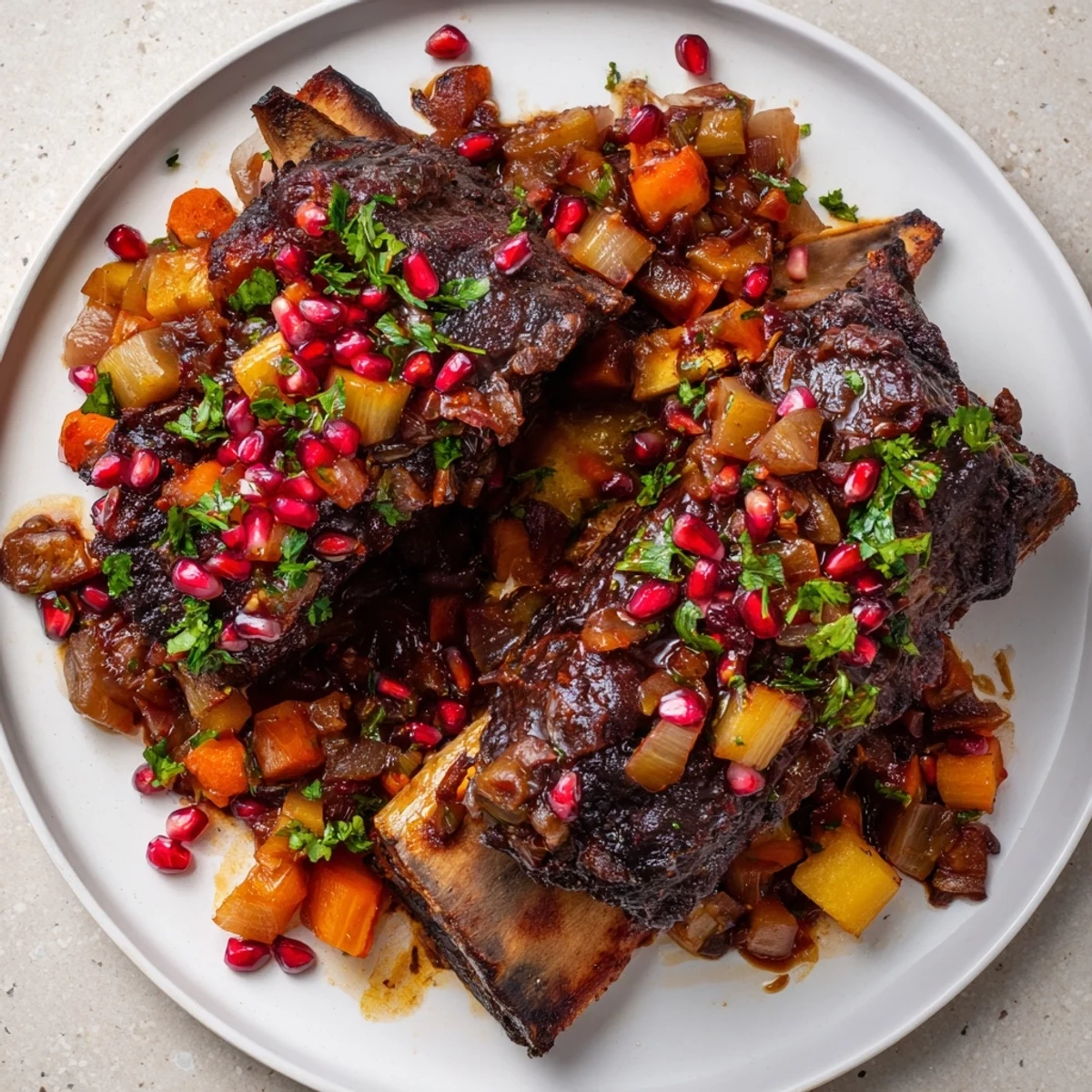
- Arrange the ribs on a warm platter, drizzle with glaze while both are still hot, and scatter pomegranate seeds and parsley with a generous hand. Serve immediately before anyone can take a phone photo that lets it go cold.
 Save
Save Last winter I made these for a friend who had just ended a long relationship, and we ate in silence for several minutes before she said it was the first time she had felt taken care of in months. I think about that whenever I pull out the pomegranate molasses, how food can say things we do not have words for yet.
What to Serve Alongside
Creamy mashed potatoes are the classic choice, their bland sweetness absorbing every drop of that reduced braising liquid. I have also served this over soft polenta when I wanted something that felt more Italian than Irish, and once with couscous when I was out of everything else and it worked surprisingly well.
Deepening the Braise
A pinch of cinnamon or a single star anise pod added with the herbs will make people ask what that mysterious something is, and you can smile and say it is just patience and good ingredients. I do not do this every time, but when I want the kitchen to smell like a spice merchant's shop, it never disappoints.
Finding Pomegranate Molasses
Middle Eastern markets carry it reliably, and increasingly I see it in the international aisle of well-stocked supermarkets. It keeps forever in the refrigerator door, and once you own it you will find yourself drizzling it into salad dressings and over roasted vegetables until you wonder how you cooked without it.
- If you cannot find molasses, reduce pomegranate juice with a splash of lemon juice and sugar until syrupy, though the complexity will suffer slightly.
- Fresh pomegranate seeds freeze beautifully on a tray before bagging, so buy several when they are cheap in November.
- The rendered fat from the braise makes extraordinary roasted potatoes the next day, do not discard it.
 Save
Save These ribs reward the cook who plans ahead and moves slowly, and they give back more than the effort they require. I hope they find their way to your table on a night that needs marking, and that someone lingers at the stove scraping the last of the glaze from the serving dish.