
 Save
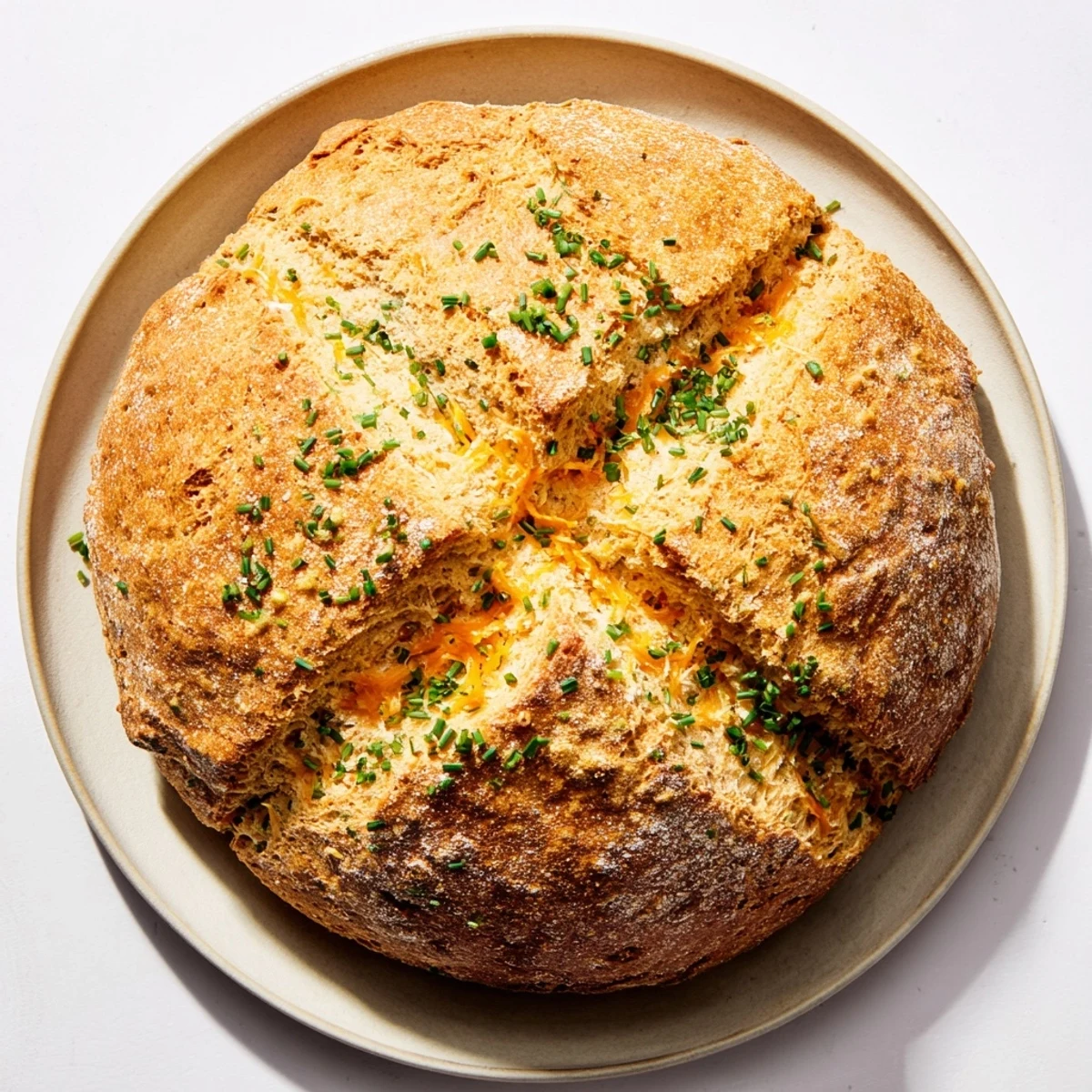
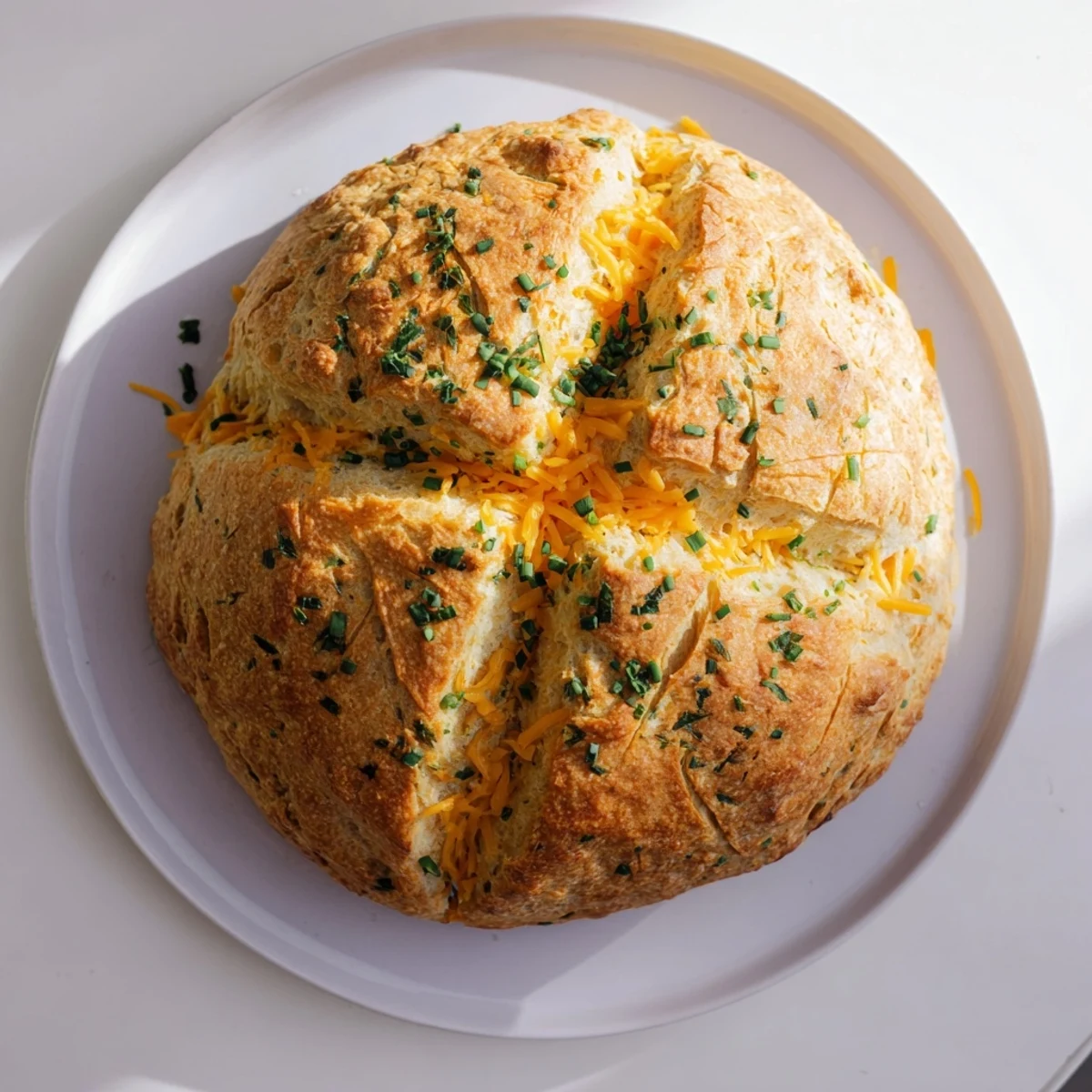
Save This traditional Irish-style soda bread combines sharp cheddar cheese with fresh herbs for a savory, comforting loaf. The buttermilk creates a tender crumb while baking soda ensures a quick rise—no yeast or proofing required. Mix dry ingredients, fold in cheese and herbs, add buttermilk, shape into a round, and bake until golden. The result is a crusty exterior with a soft, cheesy interior perfect for warm butter or hearty soups.
The smell of fresh bread baking has this way of making a house feel like home, even when you've only lived there a month. I first made this cheddar and herb soda bread during a particularly gray February when comfort food felt like the only reasonable coping mechanism. What I didn't expect was how quickly it would disappear—my roommate and I stood over the cooling rack, picking off warm chunks until there was barely half a loaf left for dinner.
Last autumn, my neighbor came over for an impromptu soup dinner, and I threw this together at the last minute. She took one bite of the warm, cheese-flecked bread and actually asked for the recipe before we'd even finished our bowls. Now it's our thing—whenever one of us makes soup, the other shows up with a freshly baked loaf.
Ingredients
- All-purpose flour: The backbone of quick breads, providing structure without the weight of whole grain flours
- Baking soda: Works with buttermilk's acidity to create rise, giving soda bread its characteristic texture
- Sharp cheddar cheese: Coarsely grated creates pockets of melted goodness throughout the crumb
- Fresh herbs: A medley of chives, parsley, and thyme brings brightness that cuts through the rich cheese
- Buttermilk: Adds tang and tenderness while activating the baking soda for proper lift
- Unsalted butter: Melted into the dough and brushed on top for that golden, irresistible finish
Instructions
- Get your oven ready:
- Preheat to 425°F (220°C) and line a baking sheet with parchment paper—this bread likes a hot start and a non-stick surface
- Whisk the dry ingredients:
- In a large bowl, combine flour, salt, baking soda, and black pepper until everything's evenly distributed
- Add the good stuff:
- Toss in the grated cheddar, chives, parsley, and thyme, mixing until the cheese and herbs are speckled throughout the flour mixture
- Bring it together:
- Make a well in the center, pour in the buttermilk and melted butter, then stir with a fork just until the dough comes together—overmixing will make your bread tough
- Shape your loaf:
- Turn the dough onto a floured surface and gently shape it into a round about 7 inches across and 2 inches high, handling it as little as possible
- Mark it:
- Use a sharp knife to cut a deep cross on top—this traditional score helps the bread bake evenly and gives it that rustic soda bread look
- Bake until golden:
- Slide the loaf into the hot oven and bake for 30–35 minutes until it's beautifully browned and sounds hollow when tapped on the bottom
- Cool and serve:
- Let the bread rest on a wire rack for at least 15 minutes before slicing, though tearing off warm pieces while it cools is absolutely acceptable behavior
 Save
Save This bread has become my go-to for new neighbors and potluck emergencies alike. Something about the combination of warm cheese and fresh herbs makes people feel instantly welcomed, like they've stumbled into a kitchen where someone's been cooking all afternoon just for them.
Choosing Your Cheese
I've learned through trial and error that pre-shredded cheese won't give you the same melty pockets as freshly grated blocks. The anti-caking coating on bagged cheese interferes with how it melts into the dough. Invest the extra two minutes in grating your own—the texture difference is worth every second of effort.
Herb Variations
While the classic trio of chives, parsley, and thyme is hard to beat, rosemary brings a lovely piney depth that pairs beautifully with cheddar. In spring, I swap in fresh dill for something lighter and brighter. Trust what's growing in your garden or looking best at the market—soda bread is forgiving that way.
Making It Ahead
This bread is best the day it's made, but I've had success freezing the unbaked dough. Shape it, wrap it tightly in plastic, and freeze directly on your baking sheet. When you're ready, add an extra 5–10 minutes to the baking time and let it come to room temperature while the oven preheats.
- Wrap cooled bread tightly in foil if you must store it overnight
- Revive slightly stale slices in a 350°F oven for 5–10 minutes
- Day-old bread makes exceptional savory breadcrumbs for later use
 Save
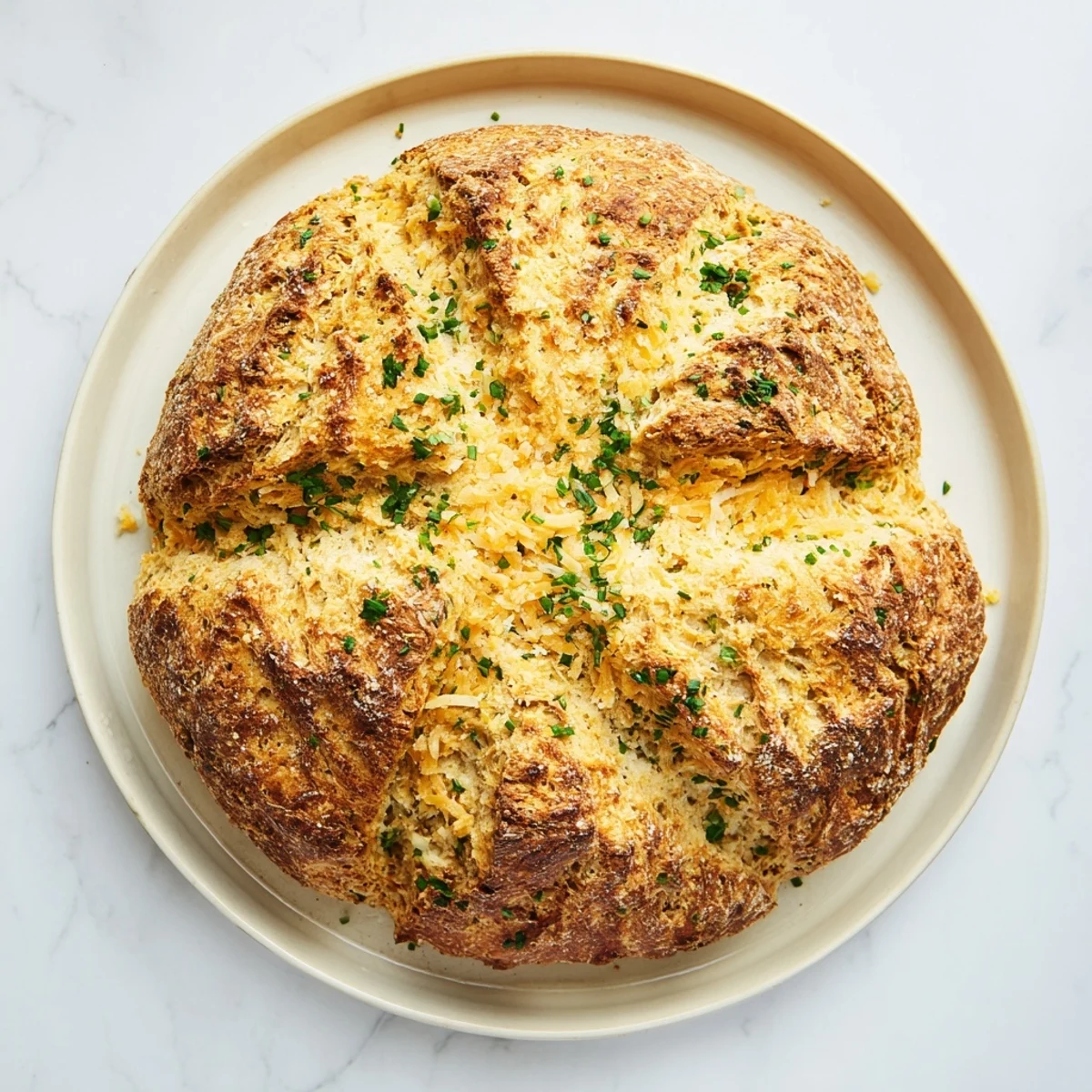
Save There's something profoundly satisfying about serving bread you've made yourself, especially when it disappears so quickly. That empty bread board is the highest compliment you can receive.
Recipe FAQs
- → What makes soda bread different from regular bread?
-
Soda bread uses baking soda as the leavening agent instead of yeast. This eliminates the need for proofing and rising time, making it much faster to prepare. The buttermilk's acidity activates the baking soda, creating a quick and reliable rise.
- → Can I use dried herbs instead of fresh?
-
Yes, dried herbs work well. Use one-third the amount specified for fresh herbs. For example, substitute 1 tablespoon fresh thyme with 1 teaspoon dried. The flavor will be slightly more concentrated, so adjust to taste.
- → How do I know when the bread is done baking?
-
The loaf is ready when the top is golden brown and the bottom sounds hollow when tapped. This typically takes 30–35 minutes at 425°F. You can also insert a skewer into the center—if it comes out clean, the bread is done.
- → Can I freeze this bread?
-
Yes, wrap the cooled loaf tightly in plastic wrap and aluminum foil, then freeze for up to 3 months. Thaw at room temperature and refresh in a 350°F oven for 10 minutes to restore crispness.
- → What can I substitute for buttermilk?
-
Mix 1 ⅔ cups regular milk with 2 tablespoons lemon juice or white vinegar. Let it sit for 5–10 minutes until thickened. This homemade version works perfectly in place of buttermilk.
- → Why cut a cross on top of the loaf?
-
The traditional cross helps the heat penetrate the center during baking and allows the bread to expand properly. It also makes it easier to slice the finished loaf into quarters—a classic way to serve soda bread.