
 Save
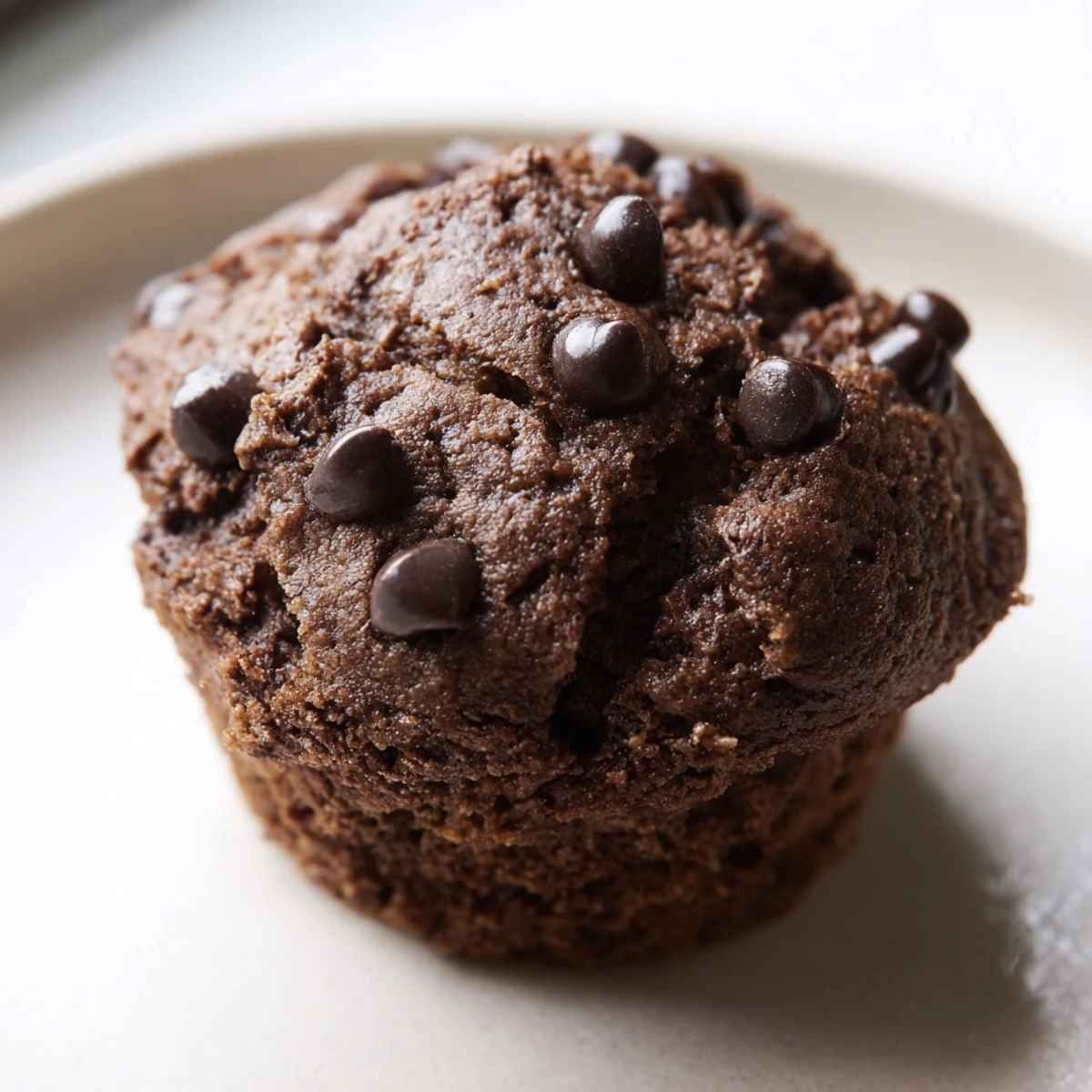
Save These chocolate muffin tops are rich and moist, bursting with chocolate flavor and a tender crumb. Made with cocoa powder and semisweet chocolate chips, they bake quickly and are perfect for a satisfying breakfast or snack. The batter combines melted butter, sugars, eggs, vanilla, and buttermilk, balanced with dry ingredients for a light, soft texture. Baking at 375°F ensures edges set while centers remain tender. Enjoy fresh or store airtight up to 3 days.
There's something about the smell of chocolate baking at 6 AM that makes the whole house feel like it's waiting for something good. I discovered muffin tops completely by accident—my daughter had insisted on cookies for breakfast, and rather than argue about it, I figured a chocolate muffin top split the difference between dessert and something I could defend nutritionally. The first batch came out with these crispy, caramelized edges and centers so tender they practically melted on your tongue. Now they're the first thing people ask for when they visit.
I made a batch of these for my neighbor's kid who was having a rough week, and I watched through the kitchen window as he came home from school, saw the plate on the porch, and just sat on the step eating them one after another without saying a word. His mom texted me later that he'd asked if we could be friends just so he could come over more often. That's when I knew these weren't just muffins.
Ingredients
- All-purpose flour (1 2/3 cups): The foundation—don't sift it unless you enjoy precision, but do spoon and level for consistent results.
- Unsweetened cocoa powder (1/3 cup): This is where the deep chocolate personality comes from; cheap cocoa powder makes a real difference here.
- Baking powder and baking soda (1 teaspoon and 1/2 teaspoon): Together they create that tender, almost cake-like crumb and help the tops rise just enough.
- Salt (1/4 teaspoon): A small amount that makes the chocolate taste like itself, not like it's hiding.
- Unsalted butter (1/2 cup, melted): Melting it first and letting it cool slightly means the eggs won't scramble when they meet it.
- Sugars (2/3 cup granulated and 1/4 cup brown): The combination gives you sweetness and also a subtle depth that plain white sugar can't deliver alone.
- Eggs (2 large, room temperature): Room temperature matters more than you'd think—they incorporate more smoothly and create a better texture.
- Vanilla extract (1 teaspoon): A small amount that whispers rather than shouts, letting the chocolate stay the star.
- Buttermilk (3/4 cup): The acidity makes these taste richer and keeps them moist for days, which is saying something for a baked good.
- Semisweet chocolate chips (1 cup): Use the good stuff if you can—it melts differently and tastes less waxy than bargain brands.
Instructions
- Heat your oven and prep your stage:
- Set the oven to 375°F and line two baking sheets with parchment paper—this is non-negotiable if you want those crispy edges. Silicone mats work too, but parchment gives you slightly more control.
- Build your dry foundation:
- Whisk flour, cocoa powder, baking powder, baking soda, and salt together in a medium bowl. You're not making a paste, just making sure the leavening is evenly distributed so you don't get pockets of dense batter.
- Cream your wet mixture:
- Whisk the cooled melted butter with both sugars until it looks smooth and a little glossy. Add the eggs one at a time, whisking well after each so they emulsify rather than sit in clumps.
- Bring it together gently:
- Add half the dry mix to the wet ingredients and stir gently—overworking develops gluten, which is the enemy of tender muffins. Pour in the buttermilk, then add the remaining dry ingredients and fold until just combined, with a few streaks of flour still visible.
- Add the chocolate moment:
- Fold in the chocolate chips with the same gentle hand. They'll settle throughout the batter as it bakes.
- Portion onto your pans:
- Using a large cookie scoop or 1/4 cup measure, drop mounds about 2 inches apart—they'll spread slightly, and you want room for the edges to get crispy. This is the only step where muffin tops differ from regular muffins: you're going for maximum surface area.
- Bake with intuition:
- At 10-12 minutes, the edges should look set and slightly cracked, while the centers jiggle just barely when you shake the pan. This is the sweet spot between underbaked and dry.
- Cool in stages:
- Leave them on the pan for 5 minutes to firm up, then move them to a wire rack so air can circulate underneath. This prevents the bottoms from steaming and getting soggy.
 Save
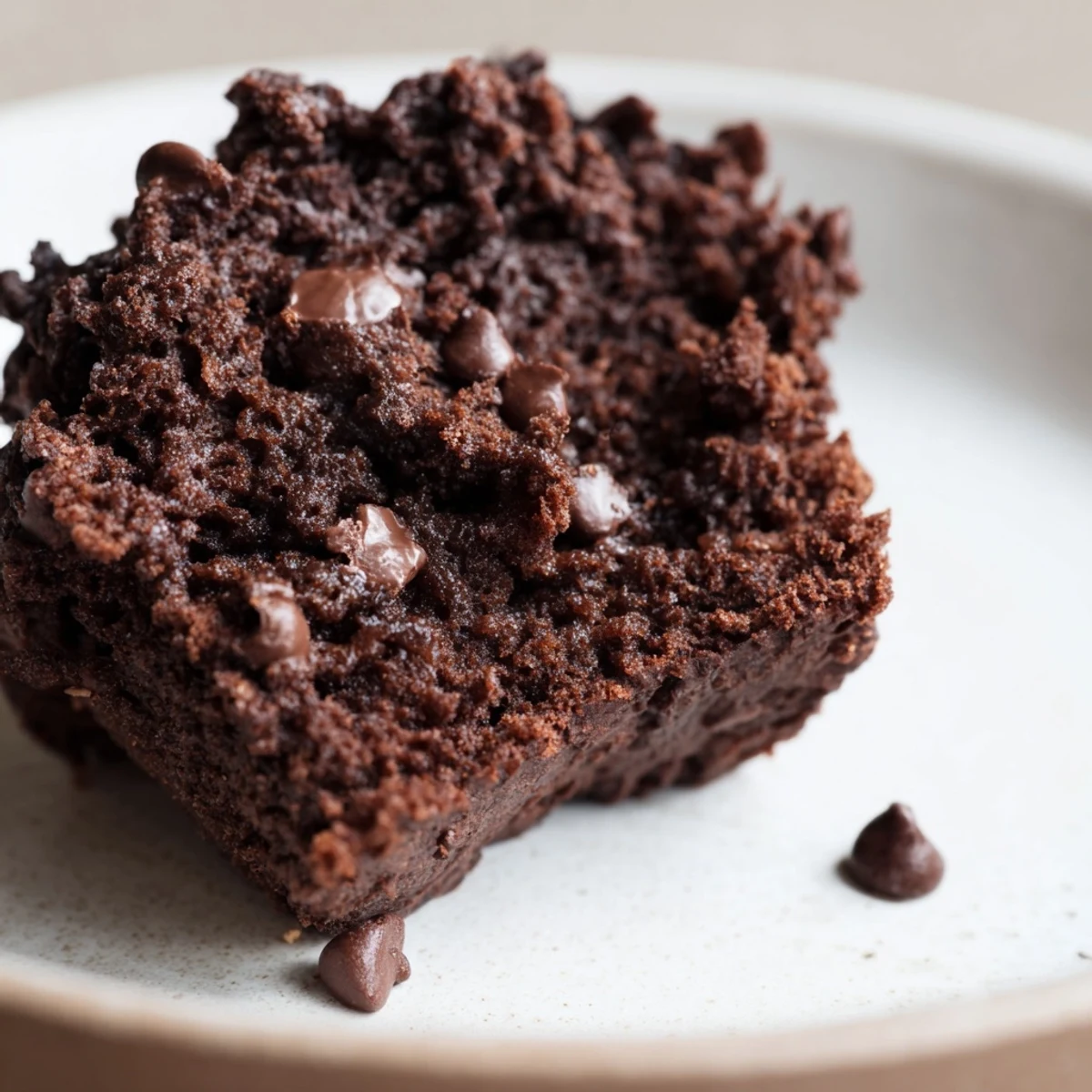
Save My sister once pulled a batch out two minutes early because she thought they looked small, and they were the best ones I'd ever eaten—barely set, still warm, almost fudgy in the center. That's when I realized these muffin tops aren't trying to be perfect; they're trying to be good.
The Secret to Crispy Edges
The edges crisp up because muffin tops have so much surface exposed to the oven's dry heat, unlike regular muffins hiding in their cups. Baking sheets conduct heat differently than muffin tins, and that direct contact underneath means the bottoms brown faster. If you like your edges even crunchier, position your rack in the lower third of the oven and watch them closely—you're looking for deep golden-brown edges that are just starting to pull slightly away from the paper.
Storage and Make-Ahead Moves
Fresh is best, but these hold up remarkably well in an airtight container at room temperature for three days. I've wrapped individual muffin tops in foil and frozen them for up to a month—just thaw at room temperature or wrap in a paper towel and microwave for 20 seconds if you want them warm. The texture stays softer than you'd expect, probably because of the buttermilk and the fat from the butter.
Variations and Customizations
The base recipe is flexible enough to invite experimentation. You can sprinkle extra chocolate chips on top before baking for a more decadent look, or swap half the semisweet chips for dark chocolate if you want less sweetness and more depth. Some mornings I'll add a tablespoon of espresso powder to the dry mix—it makes the chocolate taste sharper and less one-note, though you won't taste coffee.
- Double the chocolate chips on top of the batter before baking for an extra-indulgent crust.
- Stir a tablespoon of instant espresso powder into the dry ingredients to amplify the chocolate's intensity.
- If you don't have buttermilk, mix 2/3 cup milk with 2 teaspoons lemon juice or vinegar and let it sit for 5 minutes—it works just as well.
 Save
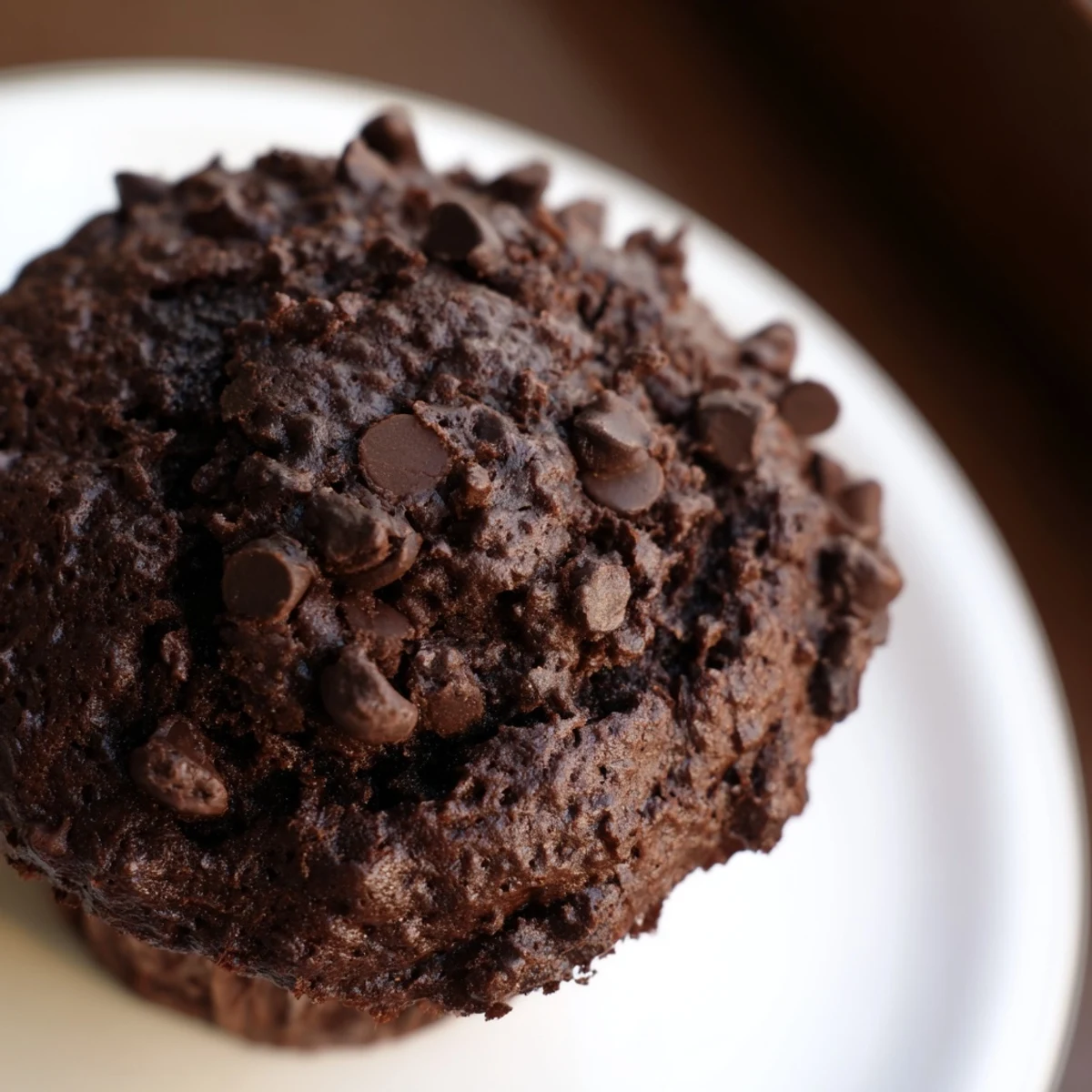
Save These muffin tops have become the answer to the question nobody asks out loud: can breakfast actually taste like dessert and still feel like a responsible choice? Make them, share them, and watch people get a little quieter while they eat.
Recipe FAQs
- → What makes these muffin tops moist?
-
The combination of melted butter, buttermilk, and sugars helps keep the muffin tops tender and moist.
- → Can I substitute buttermilk in the batter?
-
Yes, use 2/3 cup milk mixed with 2 teaspoons lemon juice or vinegar as a buttermilk substitute.
- → How do I avoid overbaking the muffin tops?
-
Bake them for 10–12 minutes until edges are set and centers look just baked to maintain moisture.
- → What type of chocolate works best for these muffin tops?
-
Semisweet chocolate chips are ideal, adding rich chocolate bursts without overpowering sweetness.
- → Can I add extra chocolate on top?
-
Sprinkling additional chocolate chips on top before baking enhances the chocolate flavor and texture.