
 Save
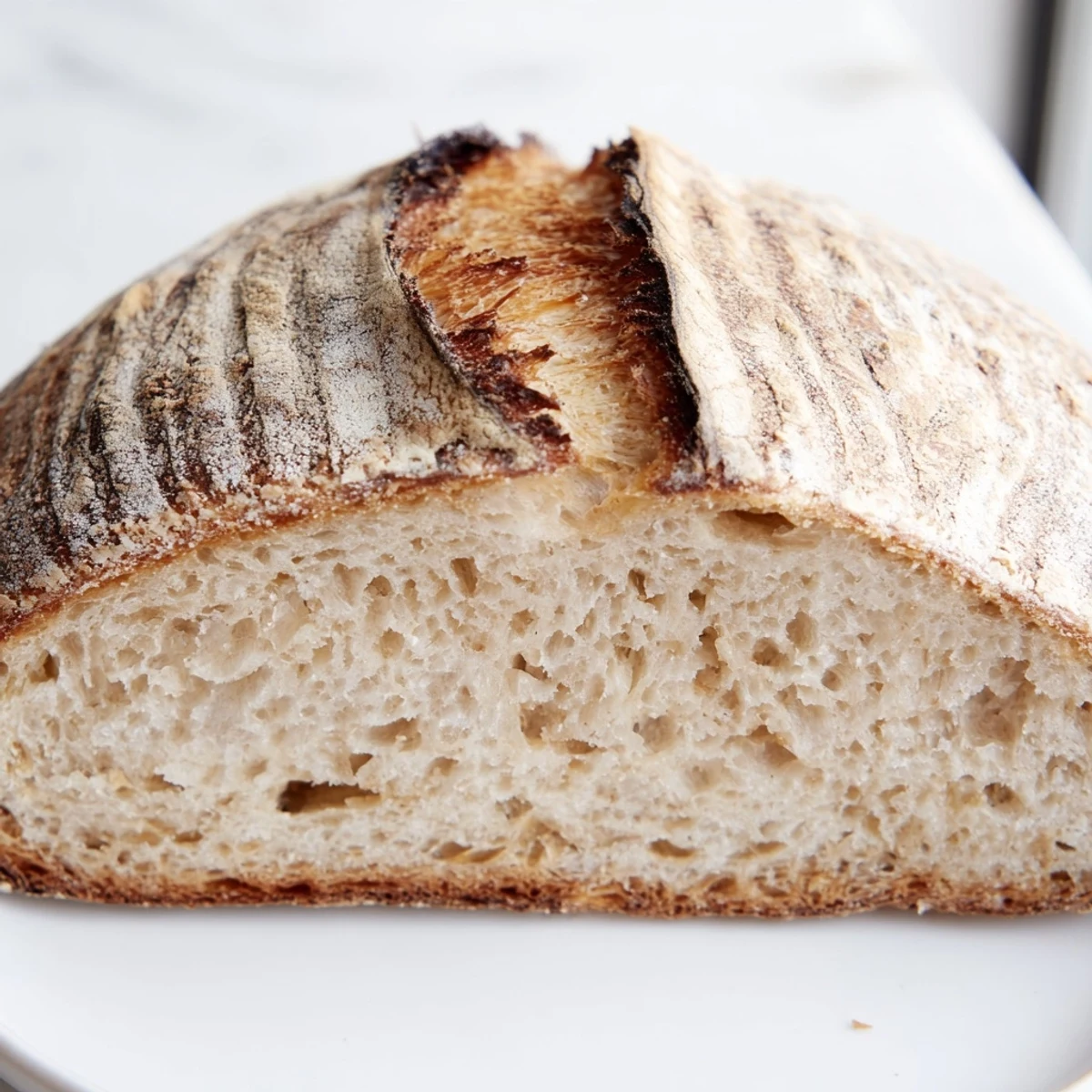
Save Craft an authentic sourdough loaf with wild yeast starter, developing signature tanginess through extended fermentation. The process creates a beautiful crackly crust and open crumb structure, delivering complex flavor notes that only natural leavening can achieve. Perfect for artisan bakers seeking traditional results.
The smell of sourdough baking in my apartment became my weekend alarm clock. After countless flat, dense loaves that my husband politely ate anyway, something finally clicked. Now those early morning hours when the dough bubbles and rises feel like meditation rather than science class.
I made this loaf for my sister who swore she hated sourdough because hers always turned out like bricks. Watching her face when she tore into the airy crumb and realized she actually loved good bread was pretty satisfying. Now she texts me pictures of her own successful bakes.
Ingredients
- 500 g bread flour: High protein flour gives the structure needed for that beautiful oven spring
- 350 g water: Room temperature water helps the yeast wake up without shocking it
- 100 g active sourdough starter: Must be bubbling and doubled to properly leaven your loaf
- 10 g fine sea salt: Strengthens gluten and deepens flavor, so do not skip this
Instructions
- Mix and rest:
- Combine flour and water in a large bowl until no dry patches remain. Cover and let sit for one hour to hydrate properly.
- Add starter and salt:
- Drop in your active starter and sea salt, then squeeze the dough with your hand until everything comes together in a shaggy mass.
- Stretch and fold:
- Perform four sets of stretch and folds at thirty minute intervals, grabbing one side of the dough and pulling it up before folding it over the center.
- Bulk fermentation:
- Let the dough rest covered at room temperature for four to six hours until it has grown noticeably and shows bubbles on the surface.
- Shape the loaf:
- Turn the dough onto a floured surface and fold the edges toward the center to create tension, then flip and shape into a tight round.
- Cold proof:
- Place your shaped dough seam side up in a floured proofing basket, cover, and refrigerate overnight for eight to twelve hours.
- Preheat oven:
- Heat your oven to 230°C with the Dutch oven inside so it is screaming hot when the dough goes in.
- Score and bake:
- Gently flip the dough onto parchment, slash the top with your lame, and bake covered for twenty minutes before removing the lid for another twenty minutes of deep golden color.
 Save
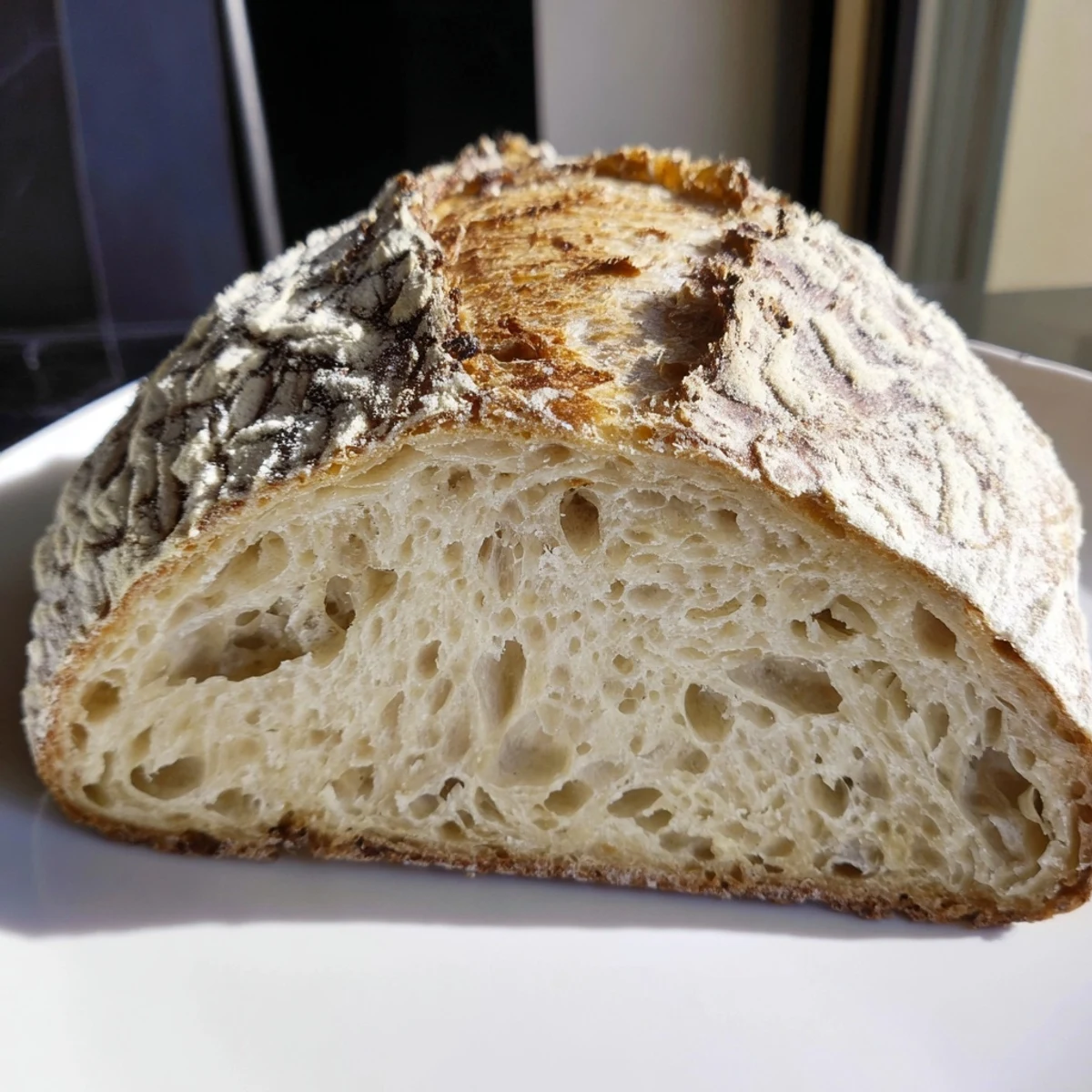
Save This bread has become my go to housewarming gift. There is something about handing someone a warm loaf you nurtured for hours that feels more meaningful than almost anything else I could make.
Feeding Your Starter
Feed your starter the night before you plan to bake so it reaches peak activity when you are ready to mix. A happy starter should be bubbly, doubled in size, and float in water.
Understanding Hydration
This dough sits at seventy percent hydration, which gives you that perfect balance between workable and open crumb. If your kitchen is dry, you might need an extra tablespoon of water.
Storing Your Loaf
Store your bread cut side down on a wooden board for up to two days. After that, slice and freeze it, then toast directly from frozen for the best results.
- Never store sourdough in plastic, which makes the crust soft and sad
- A paper bag works well if you plan to finish it within a day
- Revive a slightly stale loaf by sprinkling with water and baking at 180°C for ten minutes
 Save
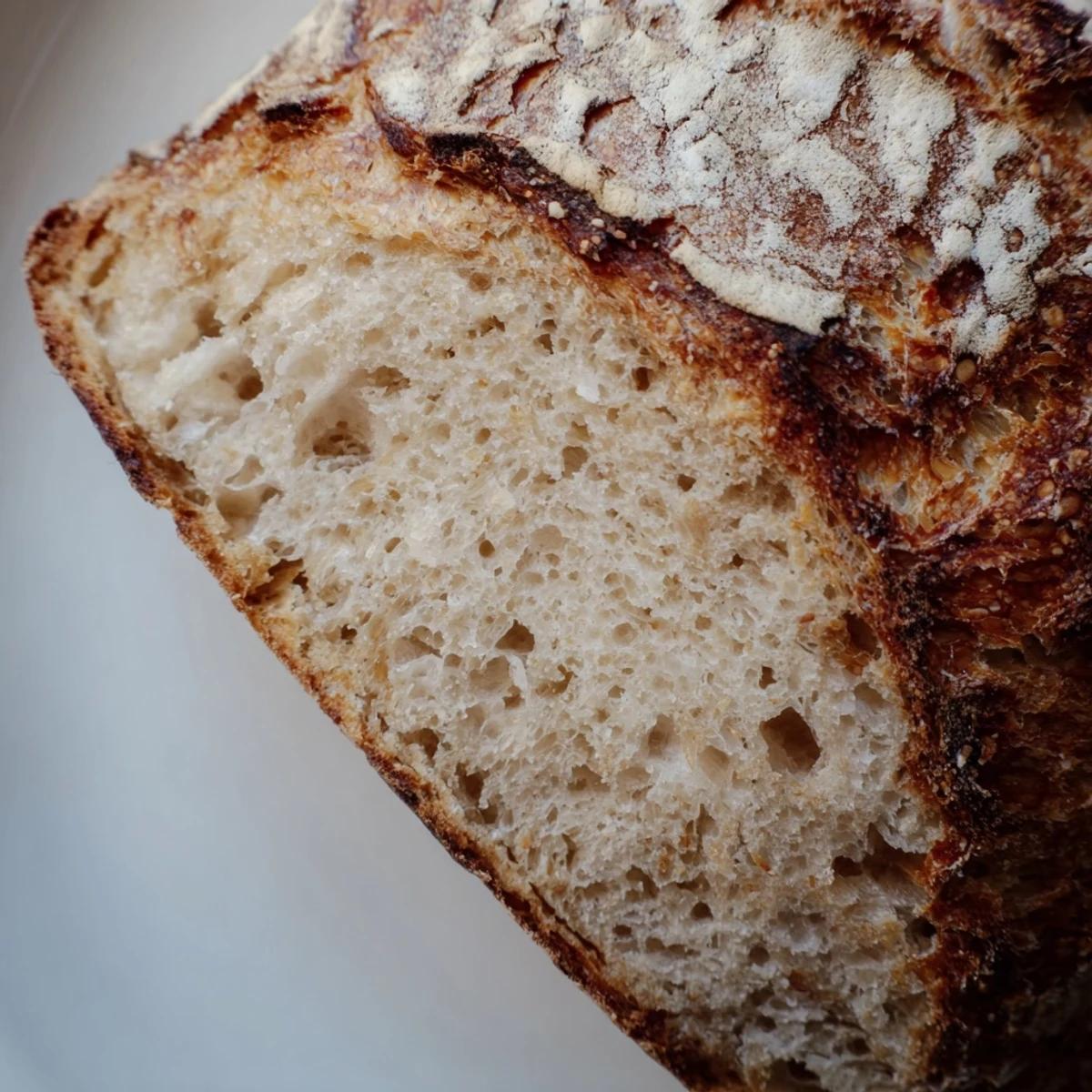
Save Good bread takes patience but rewards you with something most people only ever buy from stores. Your kitchen is going to smell incredible.
Recipe FAQs
- → What makes sourdough tangy?
-
The tangy flavor develops during the long fermentation process when wild yeast and beneficial bacteria break down sugars, creating lactic and acetic acids naturally.
- → Can I bake without a Dutch oven?
-
You can bake on a baking stone or sheet pan, though creating steam with a tray of ice cubes helps achieve a crisp crust similar to Dutch oven baking.
- → How do I know my starter is active?
-
An active starter will double in size within 4-8 hours after feeding, have many bubbles throughout, and pass the float test when dropped in water.
- → Why is cold fermentation recommended?
-
Cold fermentation slows yeast activity while allowing enzymes to continue developing flavor and improving dough structure for better oven spring.
- → What if my dough doesn't double during bulk rise?
-
Give it more time at a slightly warmer spot. Sourdough is slower than commercial yeast, and rising times vary based on starter strength and ambient temperature.