
 Save
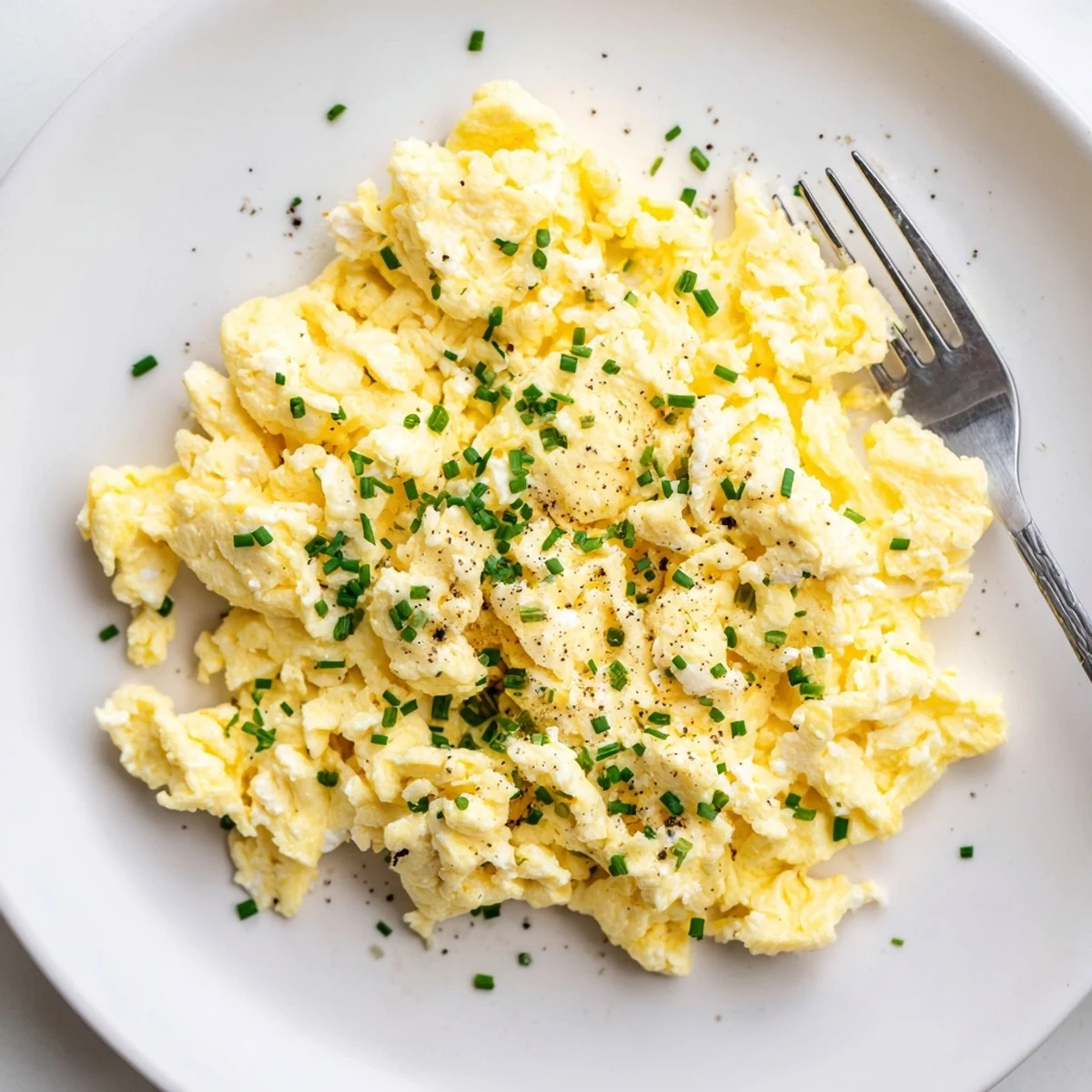
Save Whisk eggs with cottage cheese and a splash of milk until slightly frothy. Melt butter in a nonstick skillet over medium-low, pour in the mixture, and stir gently, pushing from the edges to form soft curds. Cook until just set but still creamy, about 3–4 minutes, then fold in chopped chives. Finish off heat to retain silkiness. Use small-curd cottage cheese for extra creaminess; serve warm on toast or with smoked salmon.
My roommate in college used to make scrambled eggs that tasted like rubber, and I never understood why anyone bothered until a Saturday morning when she dumped a spoonful of cottage cheese into the bowl and everything changed. The eggs came out pillowy, almost custardy, with tiny pockets of tangy cream folded through. I stood there in my pajamas eating straight from the pan, completely forgetting about toast. That one scoop of cottage cheese turned the most boring breakfast into something I still crave on lazy weekends.
I started making these for my sister after she had her first baby, when every minute of sleep counted and she needed real fuel. She would sit at the kitchen counter with the baby on her shoulder, eating with one hand and whispering that these eggs were the only thing keeping her going.
Ingredients
- 4 large eggs: Fresh eggs make a noticeable difference here since there are so few ingredients, so grab the farmers market ones if you can.
- 1/4 cup cottage cheese: Small curd blends in more smoothly, but large curd leaves little creamy surprises throughout, which I actually love.
- 2 tbsp whole milk or cream: Just enough to loosen the mixture so it scrambles into soft folds rather than a solid mass.
- Salt and freshly ground black pepper: Season the raw egg mixture before cooking so the flavor is distributed evenly through every bite.
- 2 tbsp chopped fresh chives: Their mild onion flavor brightens everything and cuts through the richness of the eggs and cheese beautifully.
- 1 tbsp unsalted butter: Butter gives the eggs a golden edge and a flavor that no oil can truly replicate.
Instructions
- Whisk everything together:
- Crack the eggs into a bowl and add the cottage cheese, milk or cream, a pinch of salt, and a few grinds of pepper. Whisk vigorously until the mixture looks slightly frothy and the cottage cheese is broken up but not completely smooth.
- Melt the butter slowly:
- Set a nonstick skillet over medium low heat and let the butter melt until it foams and just starts to sizzle without browning.
- Pour and wait:
- Dump in the egg mixture and resist the urge to stir immediately. Let it sit for about fifteen seconds so a thin layer can set on the bottom, which gives you those beautiful large curds.
- Stir gently with love:
- Use a soft spatula to push the eggs from the edges toward the center in slow, sweeping motions. Keep the heat gentle and be patient, letting the curds form naturally without rushing.
- Know when to stop:
- Pull the pan off the heat when the eggs look just barely done, still slightly wet and glistening, because they will keep cooking from residual heat for another minute.
- Finish with chives:
- Scatter the chopped chives over the top and give one gentle fold so the green flecks are scattered throughout without being beaten to death.
 Save
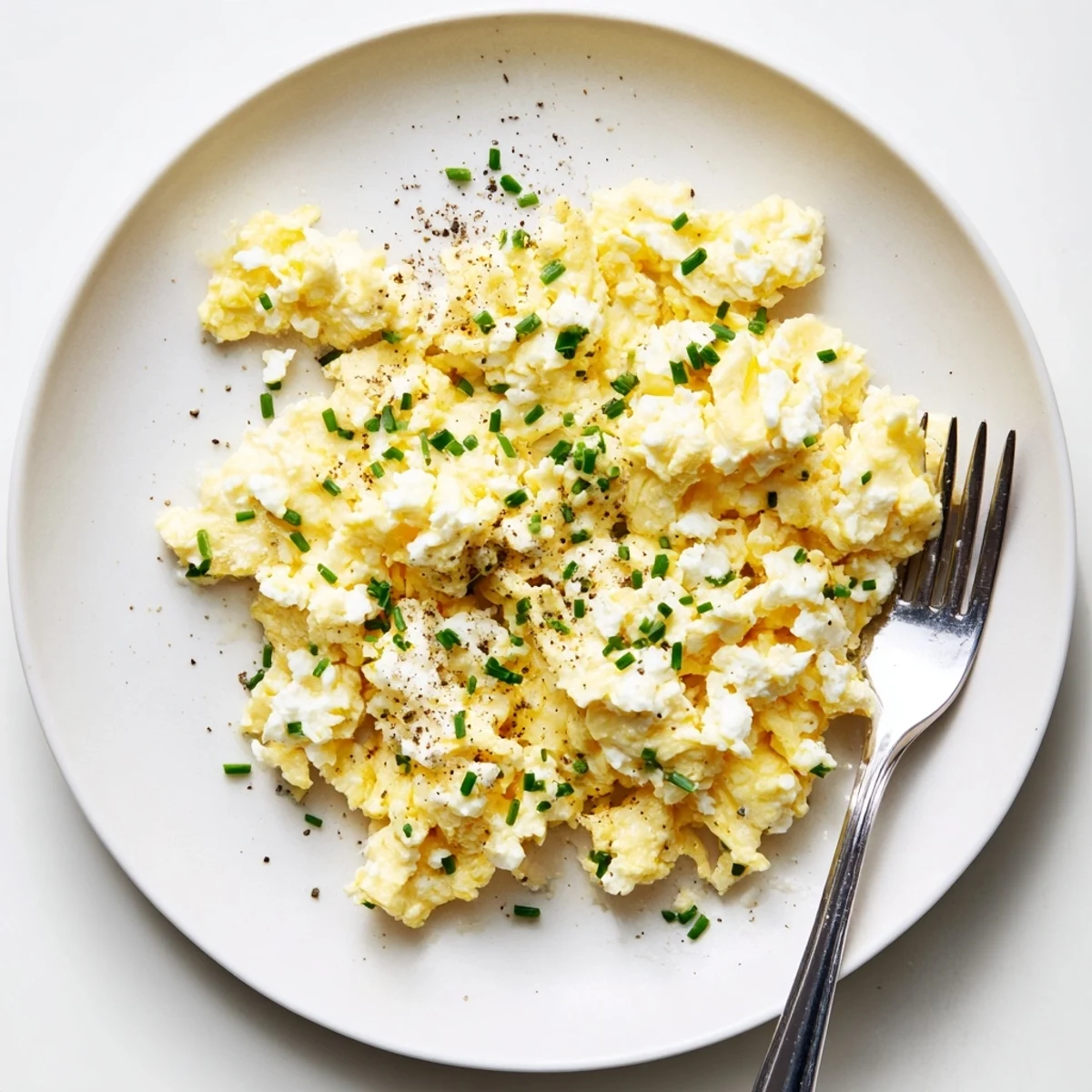
Save The first time I served these to a friend who swore she hated cottage cheese, she cleaned her plate before I could tell her the secret ingredient. Sometimes the best meals are the ones that surprise people into changing their minds.
Serving Ideas Worth Trying
These eggs are wonderful piled onto a thick slice of sourdough toast with a few cracks of pepper on top. I have also served them alongside smoked salmon and a squeeze of lemon for a brunch that feels unexpectedly fancy.
A Note on Flavor Variations
If you do not have chives, thinly sliced scallions or a pinch of fresh dill work just as well and each brings its own personality to the dish. Once I threw in some leftover caramelized onions and the sweetness against the creamy eggs was something I still think about months later.
Storage and Reheating Advice
Scrambled eggs are always best eaten immediately, but if you have leftovers they will keep in an airtight container in the fridge for up to two days. Reheat gently in a skillet over low heat rather than the microwave, which turns them rubbery and sad.
- Add a tiny extra pat of butter when reheating to bring back some of the original creaminess.
- Do not freeze scrambled eggs because the texture breaks down completely upon thawing and nothing can save them after that.
- Taste for salt before serving since refrigeration can dull the seasoning slightly.
 Save
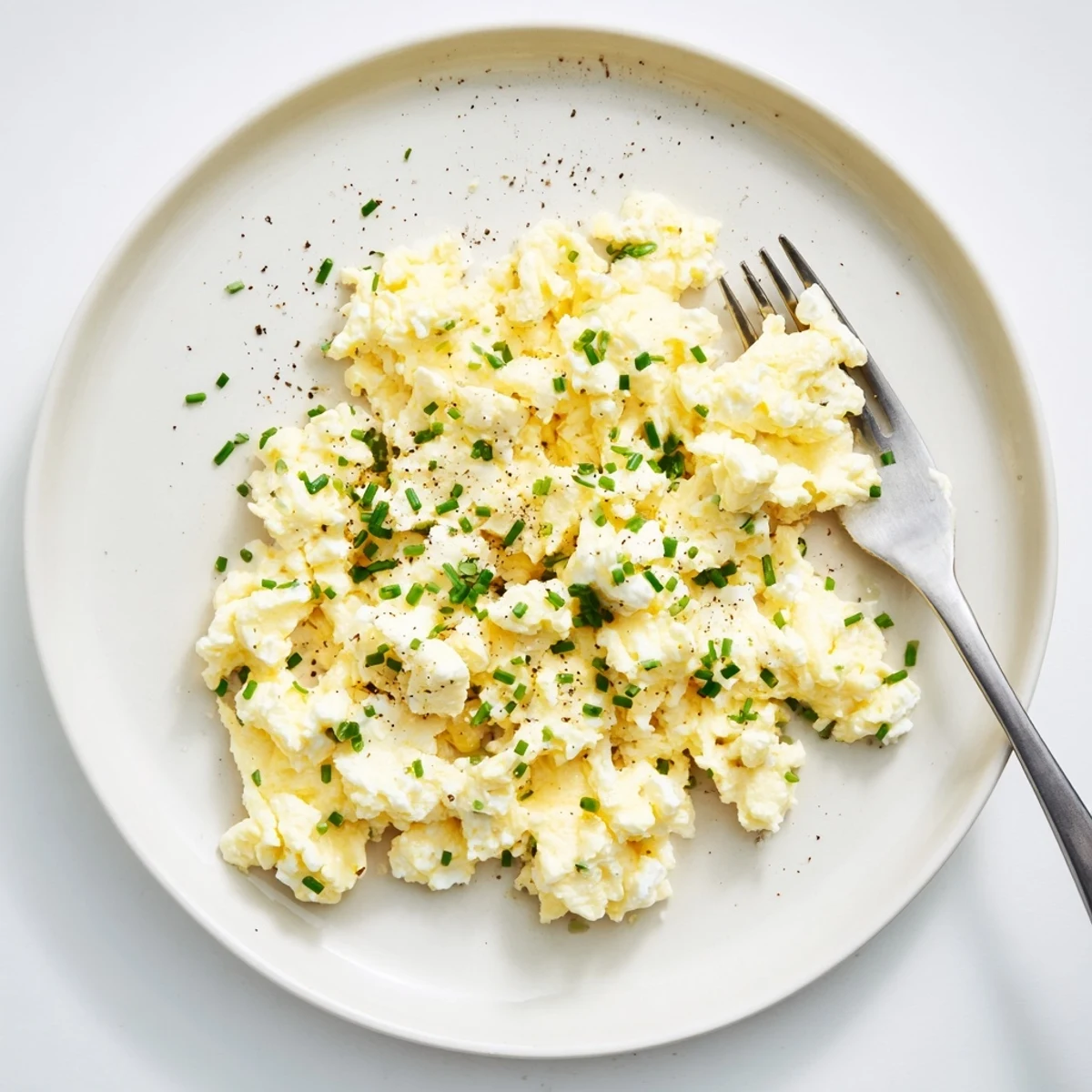
Save Some mornings call for elaborate breakfasts and some mornings just need something warm and honest. These eggs live in that sweet spot where simplicity and comfort meet on a plate.
Recipe FAQs
- → Can I use large-curd cottage cheese?
-
Yes. Small-curd yields a silkier finish, while large-curd gives more texture. For a smoother result, briefly pulse large-curd cottage cheese in a blender before adding.
- → How do I prevent overcooked, dry eggs?
-
Cook over medium-low heat and stir gently to form soft curds. Remove from heat while still slightly creamy—the residual heat will finish cooking and keep the eggs tender.
- → Is milk or cream necessary?
-
A splash of milk or cream thins the mixture and adds richness. Omit for firmer curds, or use cream for extra silkiness; adjust amount to preference.
- → What herbs work instead of chives?
-
Scallions, dill, parsley, or tarragon all pair well. Use milder herbs for a subtle lift or dill for a brighter, slightly anise note.
- → How can I scale this for more servings?
-
Multiply the eggs and cottage cheese evenly and cook in batches to avoid crowding the skillet; too much mixture lowers pan temperature and affects curd formation.
- → What are good serving suggestions?
-
Serve on buttered toast, alongside roasted tomatoes, or topped with smoked salmon. A sprinkle of black pepper or lemon zest adds contrast to the richness.