
 Save
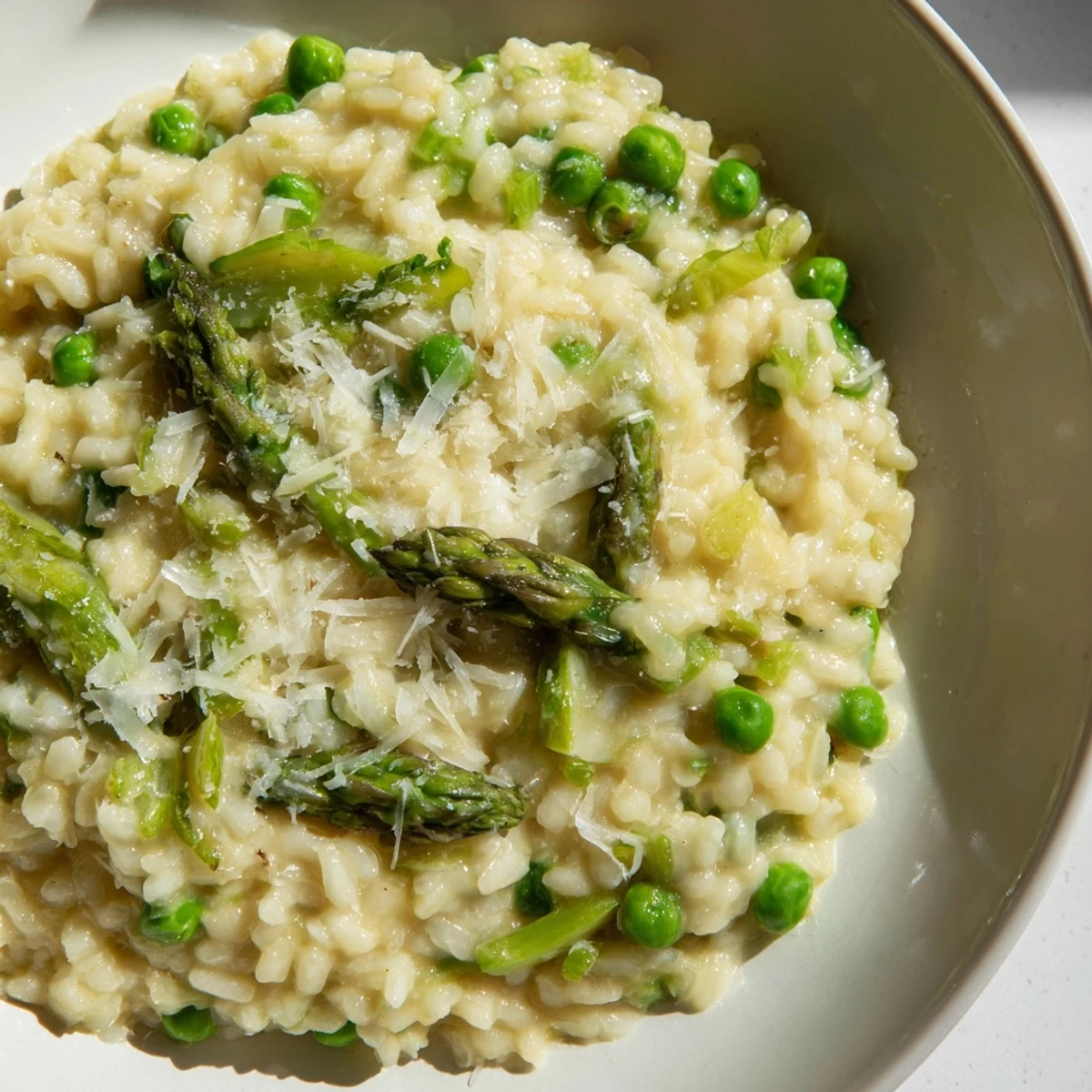
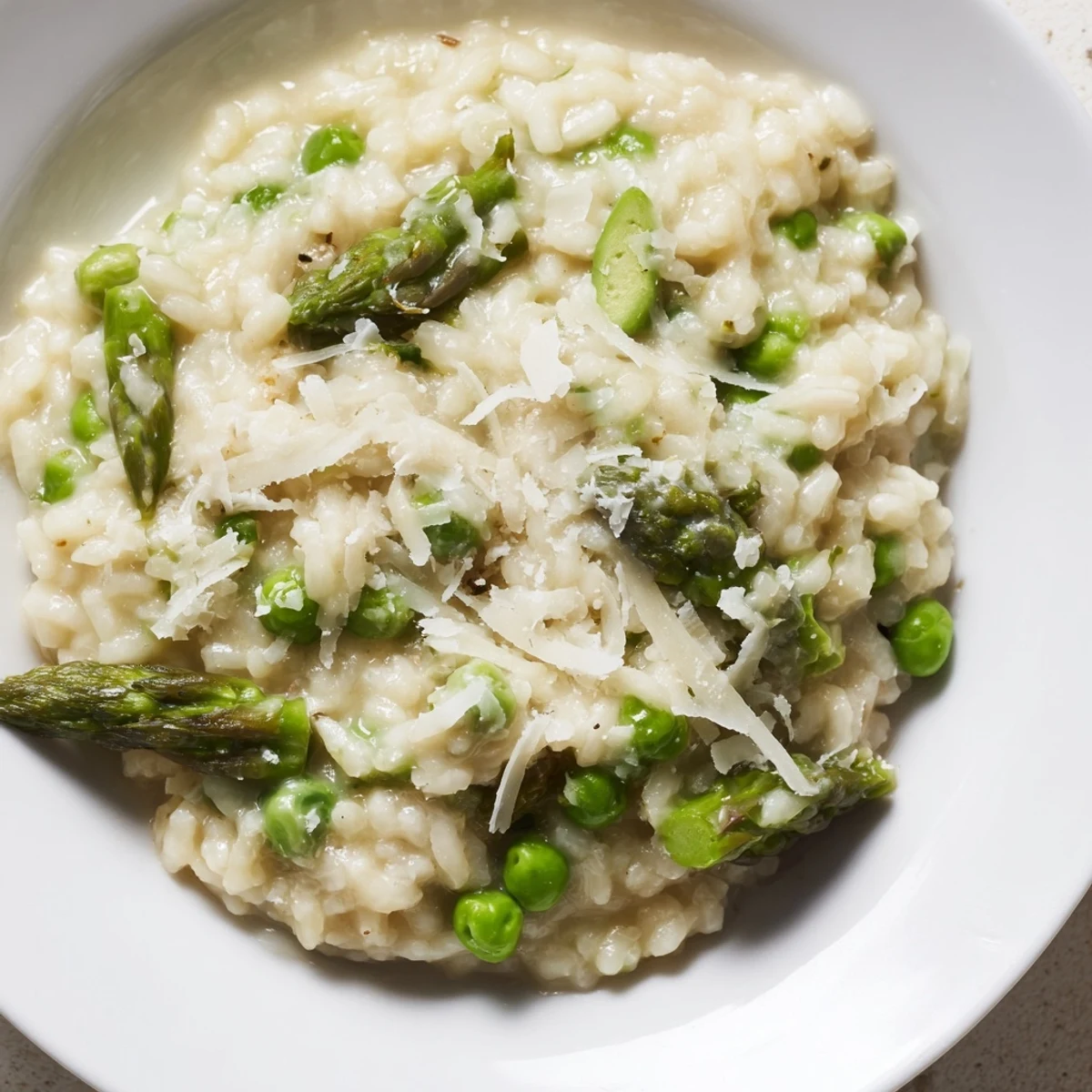
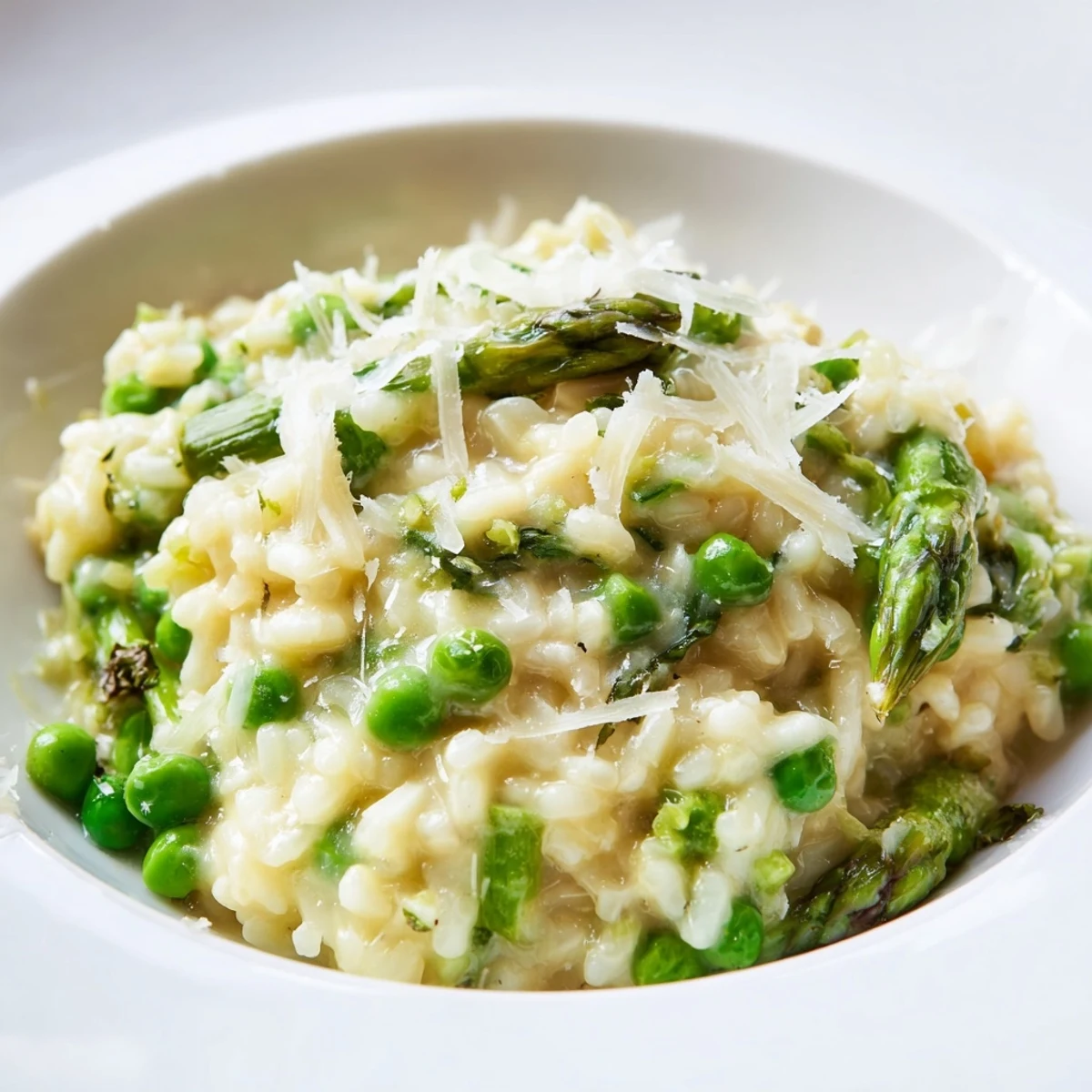
Save This risotto highlights tender asparagus and sweet peas, cooked slowly in vegetable broth with Arborio rice for a creamy, al dente texture. Aromatics like onion and garlic add depth, while Parmesan and butter enrich the finish, creating a luxurious and comforting dish perfect for spring or anytime. Gentle stirring and gradual broth addition ensure the rice absorbs flavors perfectly, while optional lemon zest brightens the palate. Ideal for a satisfying vegetarian main course.
The first time I made risotto properly, I stood at the stove for twenty minutes, stirring and wondering if something was actually happening. Then suddenly the rice transformed, becoming this impossibly creamy dish that barely needed the cheese I had waiting. My roommate wandered in, drawn by the smell of wine and butter, and we ended up eating straight from the pan while leaning against the counter.
Last April, my friend Sarah came over for what was supposed to be a quick cooking lesson. We opened a bottle of Pinot Grigio, poured one glass for the recipe and another for ourselves, and ended up taking twice as long as necessary because we kept stopping to taste and adjust the seasoning. The risotto was perfect, but the laughter and the impromptu dance party in the kitchen were even better.
Ingredients
- Fresh asparagus: Choose firm spears with tight tips, and snap off the woody ends rather than cutting them
- Sweet peas: Frozen peas work beautifully here and actually hold their color better than fresh ones in risotto
- Arborio rice: This shortgrain variety has the perfect starch content for that signature creamy texture
- Warm vegetable broth: Keeping it warm prevents shocking the rice and maintains steady cooking temperature
- White wine: Dry wine adds acidity that cuts through the richness
- Unsalted butter: Using unsalted lets you control the final seasoning perfectly
- Freshly grated Parmesan: Buy a wedge and grate it yourself for the best melting texture
- Heavy cream: This optional addition makes the risotto restaurant luxurious
Instructions
- Build your flavor foundation:
- Melt two tablespoons of butter in a large heavybottomed pan over medium heat until it foams, then cook the chopped onion until it turns translucent and fragrant, about three to four minutes. Add the minced garlic and stir constantly for just one minute, watching carefully so it does not brown or turn bitter.
- Toast the rice grains:
- Add the Arborio rice to the pan and stir continuously for two minutes, watching as the grains become coated in butter and turn slightly translucent at the edges while smelling pleasantly toasty.
- Deglaze with wine:
- Pour in the white wine and let it bubble away, stirring as it simmers and absorbs into the rice, leaving behind this incredible aromatic base that will carry through the whole dish.
- Begin the gradual broth addition:
- Add warm broth one ladleful at a time, stirring gently and waiting until most of the liquid has disappeared before adding the next, repeating this meditative process for about fifteen minutes as the rice releases its starch.
- Add the vegetables:
- Stir in the asparagus pieces and peas, then continue adding broth and stirring for another eight to ten minutes until the rice is tender but still has a slight bite in the center and the vegetables are perfectly cooked.
- Finish with luxurious richness:
- Remove the pan from heat and stir in the remaining butter, grated Parmesan, and heavy cream if using, letting the residual warmth melt everything together into the most velvety texture imaginable.
- Rest and serve:
- Cover the pan and let the risotto rest for just two minutes to thicken slightly, then serve immediately with extra Parmesan scattered across the top.
 Save
Save My grandmother always said risotto was the ultimate test of patience, and she was right. Now whenever I make this for my family, watching them go quiet for that first bite followed by immediate satisfied sighs, I understand why she considered it worth every minute of stirring.
The Art of Timing
I have learned that the real secret to restaurant quality risotto at home is starting with warm broth and adding it slowly. Rushing this step by pouring in all the liquid at once results in unevenly cooked rice that never achieves that perfect creamy consistency we are all after.
Choosing Your Vegetables
Spring vegetables like asparagus and peas are classic, but this technique works beautifully with whatever looks fresh at the market. Try swapping in roasted butternut squash in fall or fresh corn and zucchini during summer for a completely different but equally delicious experience.
Making It Ahead
While risotto is best served immediately, I have discovered a restaurant trick that works perfectly for dinner parties. Cook it until it is slightly firmer than al dente, spread it on a baking sheet to cool quickly, then finish with hot broth and Parmesan just before serving.
- Never wash Arborio rice before cooking, as you need that surface starch for creaminess
- Room temperature wine incorporates better than cold wine straight from the fridge
- Let your risotto rest covered for two minutes before serving to allow the texture to settle
 Save
Save There is something deeply satisfying about standing at the stove, ladle in hand, watching raw ingredients transform into something so comforting. I hope this recipe becomes one of those reliable favorites you turn to again and again.
Recipe FAQs
- → How do I achieve a creamy texture in risotto?
-
Slowly adding warm broth in small increments while stirring releases rice starches, creating a naturally creamy consistency without extra cream.
- → Can fresh asparagus be used instead of frozen?
-
Yes, fresh asparagus works well, especially in spring. Trim and cut into uniform pieces to ensure even cooking alongside peas.
- → What is the best way to incorporate peas without overcooking?
-
Add peas during the last 8-10 minutes of cooking so they remain tender yet retain some sweetness and texture.
- → Is white wine essential in this dish?
-
White wine adds acidity and depth but can be omitted or substituted with extra broth or a splash of lemon juice if preferred.
- → How can I make this dish vegan-friendly?
-
Use plant-based butter and omit the Parmesan or replace it with a vegan cheese alternative for a creamy finish.
- → What type of rice is recommended?
-
Arborio rice is ideal due to its high starch content, which helps achieve the creamy texture without becoming mushy.