
 Save
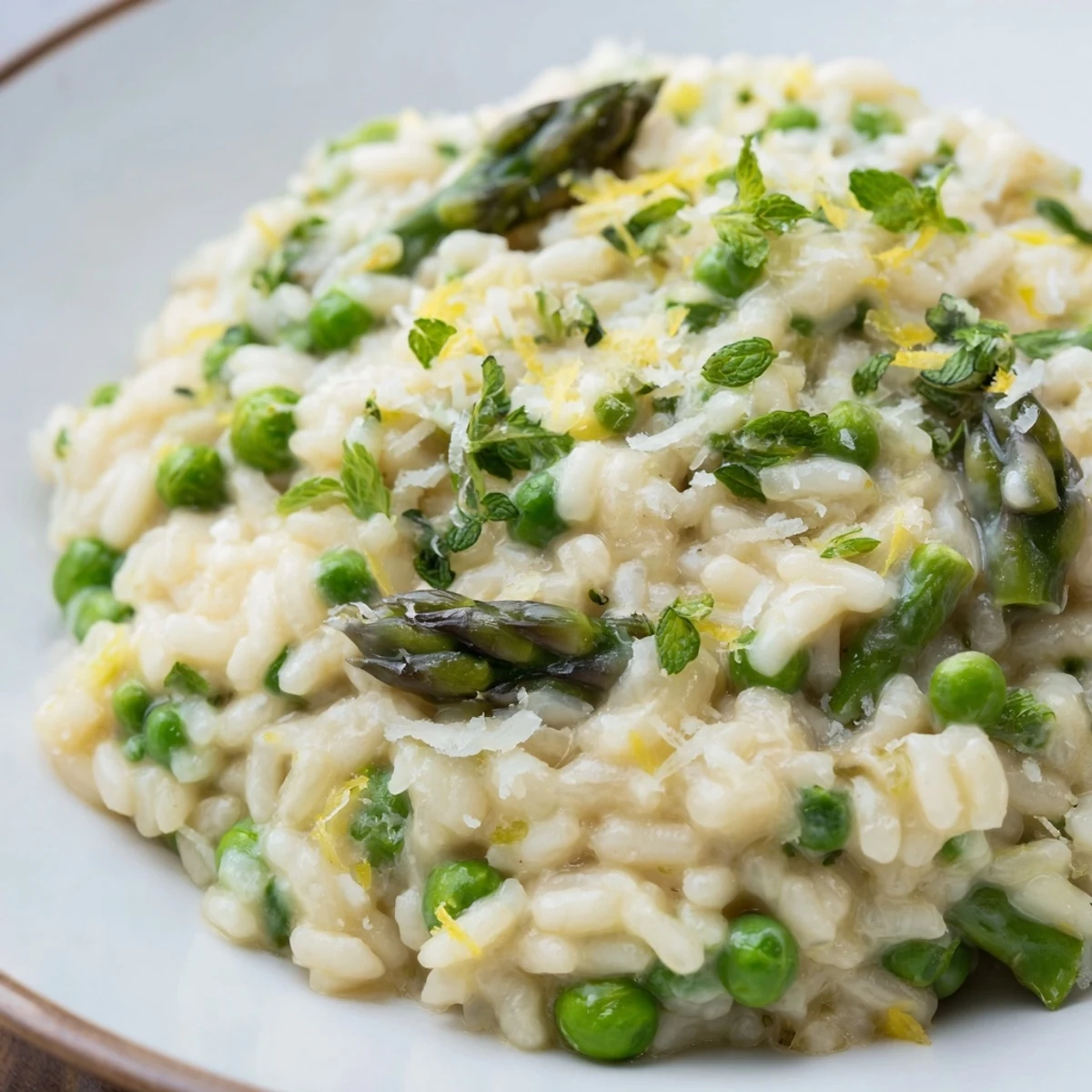
Save This creamy risotto features tender asparagus and sweet peas cooked gently with Arborio rice, vegetable stock, and savory Parmesan. Fresh mint adds a bright note while butter and cream create a rich texture. The process involves slowly adding warm stock to rice until perfectly al dente and creamy. Ideal for spring dining, this dish balances fresh vegetables, herbs, and dairy into a flavorful, satisfying meal with a smooth finish.
The first time I tasted asparagus risotto, I was standing in my friend Marco's cramped Roman kitchen, watching him stir with one hand and hold a cigarette in the other, ash threatening to fall into the pot. He never measured anything, just knew by the sound of the spoon against the pan when it was time for more broth. I have since abandoned the cigarette but kept his rhythm, that steady circular motion that transforms stubborn grains into silk.
I cooked this for my neighbor last April when she was recovering from surgery and could barely stand the smell of most food. She sat at my kitchen table in her robe, watching me add stock ladle by ladle, and told me about her grandmother's garden in Wisconsin where asparagus grew wild along the fence line. We ate in silence for the first few bites, which is always how you know something worked.
Ingredients
- Asparagus: Trim the woody ends by bending each spear until it snaps naturally, that is where tenderness begins, and cut into pieces no larger than a thumb joint so they cook evenly.
- Arborio rice: Do not rinse it, the surface starch is what creates that signature creaminess without any actual cream doing the heavy lifting.
- Vegetable stock: Keep it barely simmering in a separate pot, cold stock shocks the rice and makes it seize up stubbornly.
- Onion and garlic: The onion should melt into sweetness, the garlic should barely whisper its presence, not announce it.
- Lemon zest: Use a microplane if you have one, avoiding the bitter white pith that lurks beneath the bright yellow.
- Butter and Parmesan: These get stirred in off the heat, the mantecatura that Italians treat as sacred finishing.
- Heavy cream: Optional but transformative, a small indulgence that makes this feel like a restaurant plate.
- Fresh mint: Chop it at the very last second, bruised mint turns bitter and brown within minutes.
- Olive oil: A good everyday oil is fine here, save your expensive bottle for finishing other dishes.
Instructions
- Wake up the aromatics:
- Warm the olive oil and half the butter in your heaviest pot until the butter foams and subsides. The onion should sizzle gently, not brown, releasing sweetness into the fat over about three minutes. Add the garlic and count to sixty, it turns bitter faster than you think.
- Toast the rice:
- Dump in the Arborio and stir until each grain is coated and the edges turn translucent, about two minutes. You will hear a subtle change in pitch, from wet sliding to dry scratching, that means you are ready for liquid.
- The slow transformation:
- Add one ladle of hot stock and stir with purpose, figure eights, scraping the bottom. When you can drag your spoon through and see the pot beneath, add more. This takes eighteen to twenty minutes, there is no shortcut worth taking.
- Vegetables join the party:
- After ten minutes of stirring, tumble in the asparagus, it needs time to soften without becoming army green mush. Five minutes later, the peas and lemon zest go in, the peas just need to heat through and brighten.
- The sacred finish:
- Pull the pot off the heat completely. Beat in the remaining butter, the Parmesan, and cream if using, stirring violently now, the rice should spread like slow lava when you tilt the pot. Fold in the herbs last, their fragrance rising up to meet you.
 Save
Save My daughter requested this for her birthday dinner last year instead of cake, which confused the relatives but made me unreasonably proud. We ate it on the back porch while the evening light turned the asparagus tips almost fluorescent, and she told me about her plans for college between bites, the conversation flowing easier than it had in months.
Making It Your Own
I have swapped the mint for basil when that is what grew abundantly in my window box, and once used frozen artichoke hearts when asparagus prices went absurd. The technique forgives many substitutions, the rice and the stirring remain the constant.
The Wine Question
Marco would have insisted on a splash of dry white after toasting the rice, letting it hiss and evaporate before the first ladle of stock. I sometimes forget this step when cooking for children, but never when cooking for adults who understand that small complexity.
What to Serve Alongside
This risotto wants something crisp and acidic to cut through its richness, not more heaviness piled on top. A simple arugula salad with lemon and oil, or roasted radishes if you insist on keeping the oven involved.
- Leftovers become excellent arancini if you have the patience to roll and fry them the next day.
- A poached egg on top transforms this from side dish to complete meal without any additional effort.
- Cold risotto straight from the refrigerator is a cook's privilege that should not be underestimated.
 Save
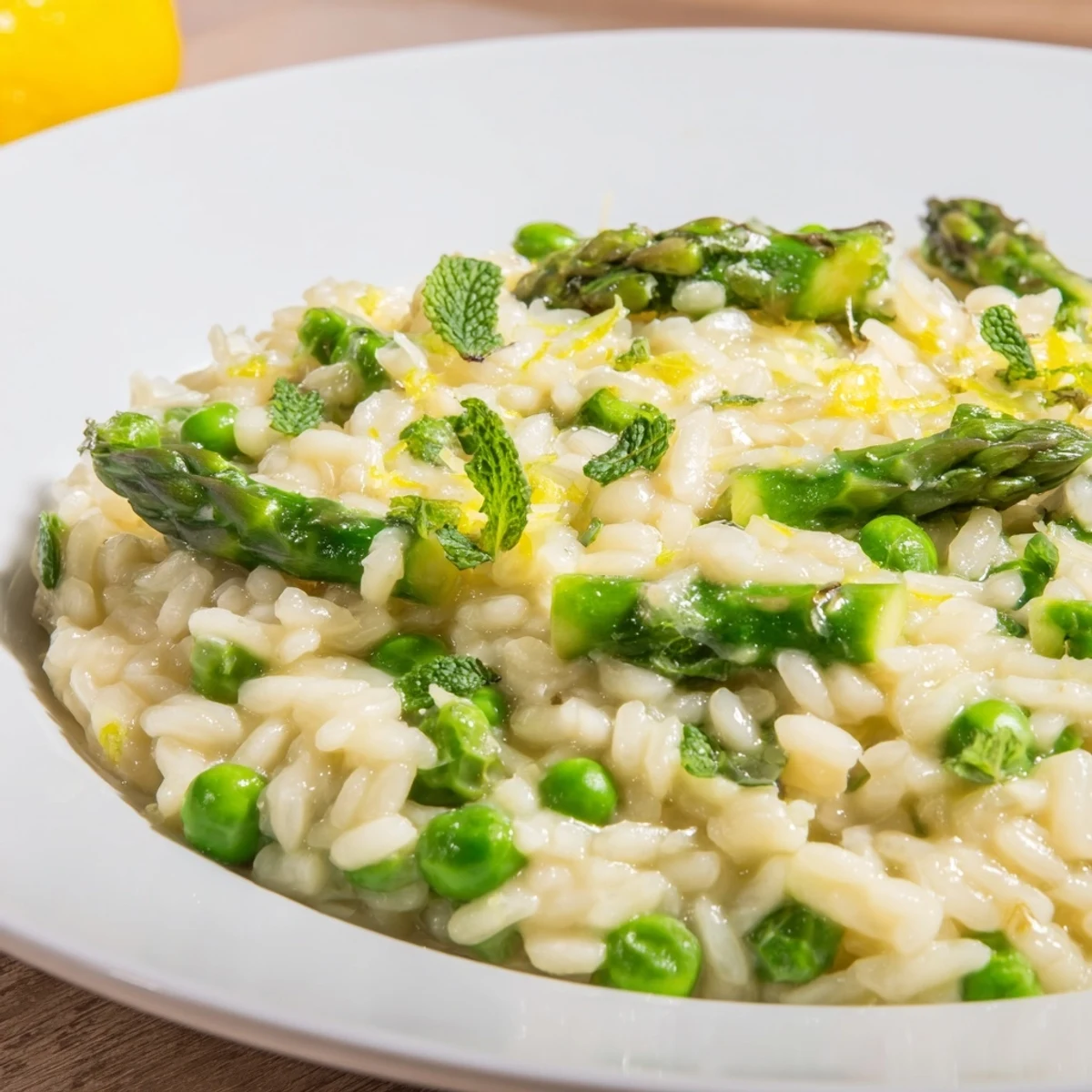
Save However you serve it, eat it immediately while the spoon still stands slightly upright and the steam carries the mint up to your face. Some dishes are about patience in the making and impatience in the eating, this is one of them.
Recipe FAQs
- → How do I achieve the creamy texture in this risotto?
-
Slowly adding warm vegetable stock and stirring constantly allows the rice to release starch, creating its signature creamy consistency without using heavy cream alone.
- → Can I substitute fresh asparagus with frozen?
-
Yes, frozen asparagus can be used. Add it midway through cooking to ensure it remains tender but not overcooked.
- → What is the role of mint in this dish?
-
Fresh mint adds a refreshing, bright aroma and flavor that balances the richness of the butter and cream, enhancing the overall freshness.
- → Is Parmesan cheese essential, or can I use alternatives?
-
Parmesan provides a savory depth and creamy texture, but Pecorino Romano or other hard cheeses can be used for a different flavor profile.
- → How do I keep the risotto gluten-free?
-
Ensure the vegetable stock used is certified gluten-free, as Arborio rice and other ingredients are naturally gluten-free.
- → What wine pairs well with this dish?
-
A crisp dry white wine, such as Pinot Grigio or Sauvignon Blanc, complements the fresh vegetables and creamy texture beautifully.