
 Save
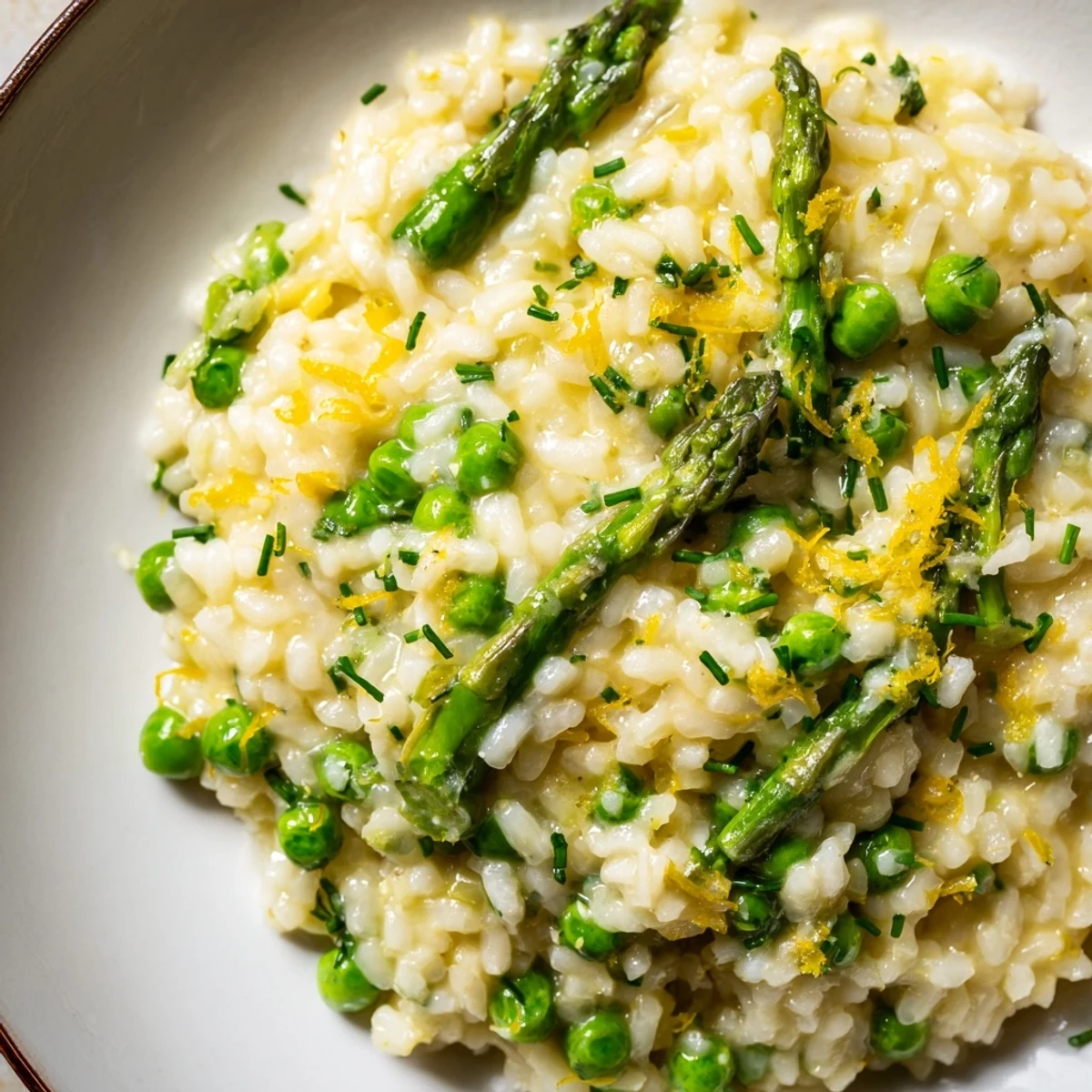
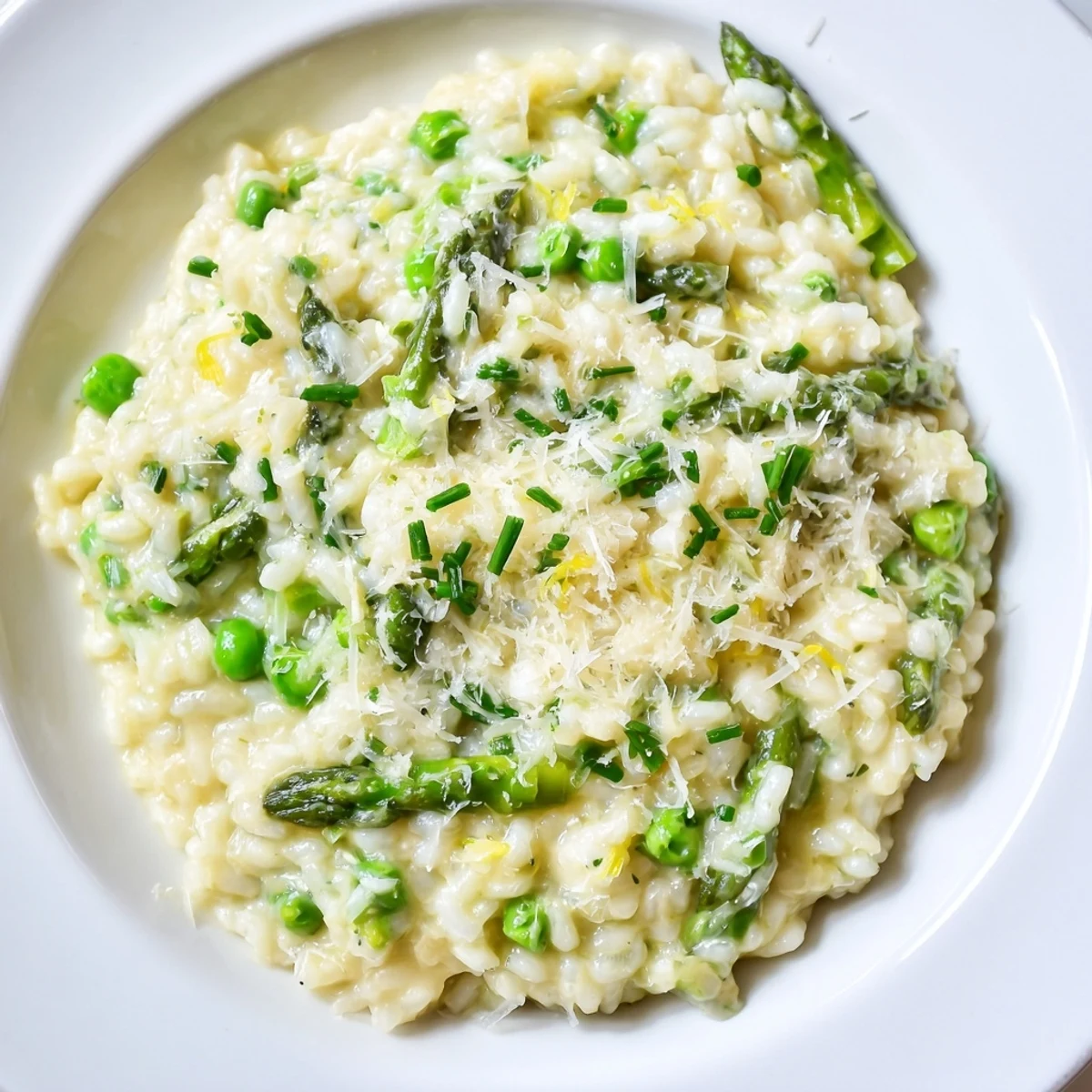
Save This dish showcases Arborio rice cooked to creamy perfection, enriched with fresh peas and tender asparagus. The combination of lemon zest, butter, Parmigiano Reggiano, and a touch of cream creates a luscious, smooth texture. Gradual addition of warm vegetable stock and white wine ensures a delicate balance of flavors and ideal risotto consistency. Garnished with fresh chives or parsley, it's a delightful way to enjoy seasonal spring vegetables in a comforting, satisfying meal.
The first time I made risotto properly was the night my sister announced she was moving to Italy. I wanted to send her off with something that would make her feel at home in her new city, even though I'd barely mastered pasta. We stood in my tiny kitchen, wine already flowing, and I stirred that rice like my life depended on it. The moment it came together creamy and perfect felt like pure magic. Now this spring version is what I make when I need to feel that kind of kitchen joy again.
Last spring I hosted a last minute dinner and this risotto saved me. My friend who swore she hated vegetables went back for thirds and finally admitted maybe asparagus wasnt her enemy after all. Now whenever green things start appearing at the farmers market, I know exactly what were having.
Ingredients
- Arborio rice: This short grain rice releases starch as it cooks creating that signature creamy texture without needing actual cream until the end
- Fresh asparagus: Snap off the woody ends where they naturally break and cut into bite sized pieces so they cook evenly in the rice
- Sweet peas: Fresh peas are worth the effort but frozen work beautifully here too just add them straight from the freezer
- Lemon zest: Use a microplane if you have one to get just the bright yellow part avoiding the bitter white pith beneath
- Vegetable stock: Keep it warm in a separate pan adding cold stock will shock the rice and affect the final texture
- White wine: A dry pinot grigio or sauvignon blanc works perfectly and yes please pour yourself a glass while you cook
- Butter and parmesan: These get stirred in at the end for what Italians call mantecatura that luxurious final emulsification
Instructions
- Start your base:
- Warm your olive oil over medium heat then add your chopped onion. Let it soften until translucent not browned about three minutes. Add the garlic for just one minute until fragrant but not colored.
- Toast your rice:
- Add the Arborio rice and stir constantly for about two minutes until the grains look slightly translucent at the edges and smell nutty. This toasting step helps each grain hold its shape during cooking.
- Add your first liquid:
- Pour in the white wine and stir until it has mostly evaporated. The smell of wine hitting hot rice and onion is one of the best aromas in cooking.
- Begin the rhythm:
- Start adding warm stock one ladle at a time stirring frequently. Wait until each addition is almost absorbed before adding the next. This slow process is what makes risotto special.
- Add your spring vegetables:
- After about fifteen minutes of adding stock stir in the asparagus pieces. Five minutes later add the peas. Continue adding stock until the rice is creamy but still has a slight bite.
- The final mantecatura:
- Remove from heat completely. Stir in the butter parmesan cream and lemon zest. Let it rest for two minutes this short wait makes all the difference in texture.
 Save
Save This dish became a staple during my first spring in my own apartment. The windows would be open catching that first warm breeze and the whole house would smell like garlic and butter. Some nights I'd make it just for myself standing at the stove with a glass of wine even when no one was coming over for dinner.
Getting That Restaurant Texture
The secret is in the final resting period. Most home cooks skip this step but those two minutes off the heat let the rice settle and the flavors marry properly. The risotto should be loose and almost soupy when you remove it from the pan then it will settle into that perfect creamy consistency.
Wine Pairing Made Simple
Pour the same wine you cook with into your glass. A crisp pinot grigio or sauvignon blanc cuts through the richness while complementing the spring vegetables. Avoid heavy oaky wines which will compete with the delicate flavors.
Make It Your Own
Risotto rewards experimentation once you understand the basic technique. Try adding fresh mint with the peas or a handful of baby spinach at the very end. For extra protein you could top it with pan seared shrimp or even a soft poached egg.
- For a vegan version use olive oil throughout and finish with nutritional yeast or vegan parmesan
- Other spring vegetables like fava beans or sugar snap peas work beautifully here
- Make it heartier by stirring in shredded chicken or white beans during the final minutes
 Save
Save Theres something profoundly satisfying about transforming simple ingredients into something this luxurious. Make it on a weeknight just because or save it for special occasions either way it turns ordinary ingredients into something worth remembering.
Recipe FAQs
- → What type of rice works best for this dish?
-
Arborio rice is ideal because it absorbs liquid well and releases starch, creating the creamy texture essential for this dish.
- → Can frozen peas be used instead of fresh?
-
Yes, frozen peas can be added, ideally towards the end of cooking to preserve their sweetness and texture.
- → How should the asparagus be prepared?
-
Trim woody ends and cut asparagus into 2 cm pieces before cooking. Optional tips can be sautéed separately for garnish.
- → Is it necessary to stir constantly during cooking?
-
Frequent stirring helps release starch from the rice, contributing to the creamy consistency characteristic of this dish.
- → What can be used as a garnish?
-
Chopped fresh chives or flat-leaf parsley add color and freshness, while extra grated Parmigiano Reggiano enhances richness.
- → Can this dish be made vegan?
-
Yes, substitute vegan butter, omit cheese or use plant-based alternatives, and replace heavy cream with coconut or cashew cream.