
 Save
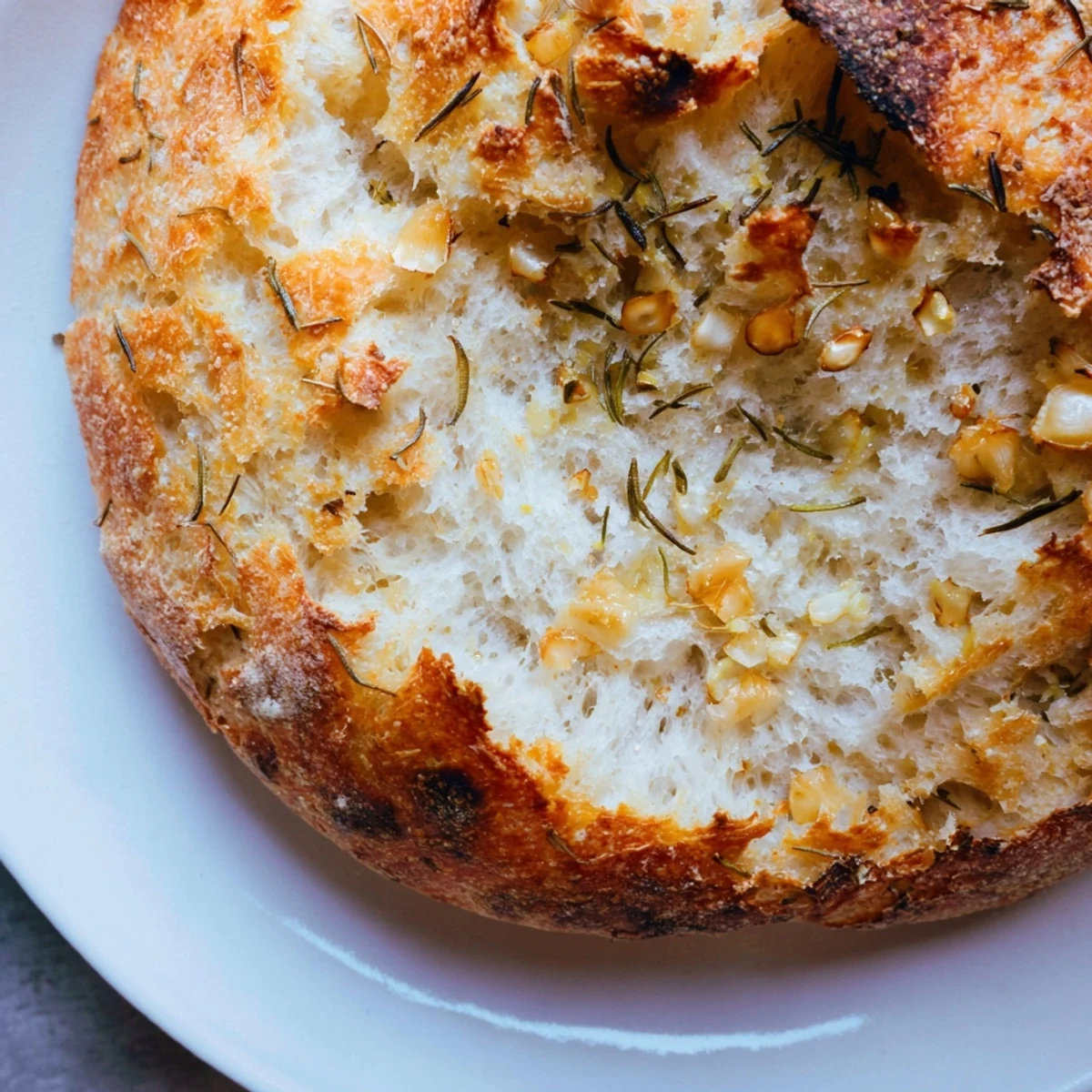
Save Create a stunning European-style loaf with this Dutch oven method. The combination of fresh minced garlic and fragrant rosemary infuses throughout the dough, while the covered baking technique produces that coveted bakery-style crust. After a simple rise, bake at high heat covered for steam, then finish uncovered for deep golden color. The result is a crackling exterior giving way to tender, herb-perfumed crumb that pairs beautifully with soups, pasta, or simply drizzled with olive oil.
My tiny apartment kitchen filled with the most incredible smell last Sunday. I had garlic roasting on the stove and rosemary scattered across the counter, experimenting with what would become this bread. The aroma wafted into the hallway and my neighbor actually knocked to ask what I was making. That is the kind of bread this is.
Last winter my sister came over during a snowstorm and we tore through half a loaf while standing at the counter. She is usually picky about bread crust but kept breaking off pieces, saying the crunch was perfect. Now whenever I make it, she shows up with butter before I even text her that it is in the oven.
Ingredients
- 3 1/4 cups bread flour: Higher protein content gives this bread its structure and chew
- 2 tsp fine sea salt: Enhances the garlic flavor and controls fermentation
- 1/2 tsp active dry yeast: A small amount works magic over the long rise time
- 1 1/2 cups lukewarm water: Should feel like bath temperature, around 100°F
- 2 tbsp olive oil: Keeps the crumb tender and adds subtle richness
- 4 cloves garlic: Fresh minced cloves infuse every bite without being overwhelming
- 2 tbsp fresh rosemary: Woody and piney, it pairs perfectly with roasted garlic notes
- Extra flour for dusting: Prevents sticking and adds that rustic bakery look
Instructions
- Mix the dry base:
- Whisk flour, salt, and yeast in a large bowl until everything looks evenly combined
- Build the dough:
- Pour in the lukewarm water and olive oil, stirring with a wooden spoon until a shaggy, sticky mass forms
- Add the aromatics:
- Fold in the minced garlic and chopped rosemary just until distributed throughout the dough
- Let it rise:
- Cover the bowl and leave it undisturbed at room temperature for 2 to 3 hours until it has doubled
- Shape the loaf:
- Turn the dough onto a floured surface and gently fold the edges toward the center to form a ball
- Second rise:
- Place the dough seam side down on parchment paper and let it rest for another 30 to 45 minutes
- Preheat strategically:
- Put your Dutch oven and its lid in a cold oven and heat to 450°F for at least 30 minutes
- Transfer with care:
- Lift the parchment paper and lower the dough into the blazing hot Dutch oven
- Bake covered:
- Put the lid on and bake for 30 minutes to create steam and a beautiful rise
- Finish with color:
- Remove the lid and bake another 12 to 15 minutes until the crust is a deep golden brown
- Cool completely:
- Let the bread rest on a wire rack for at least 20 minutes before slicing into it
 Save
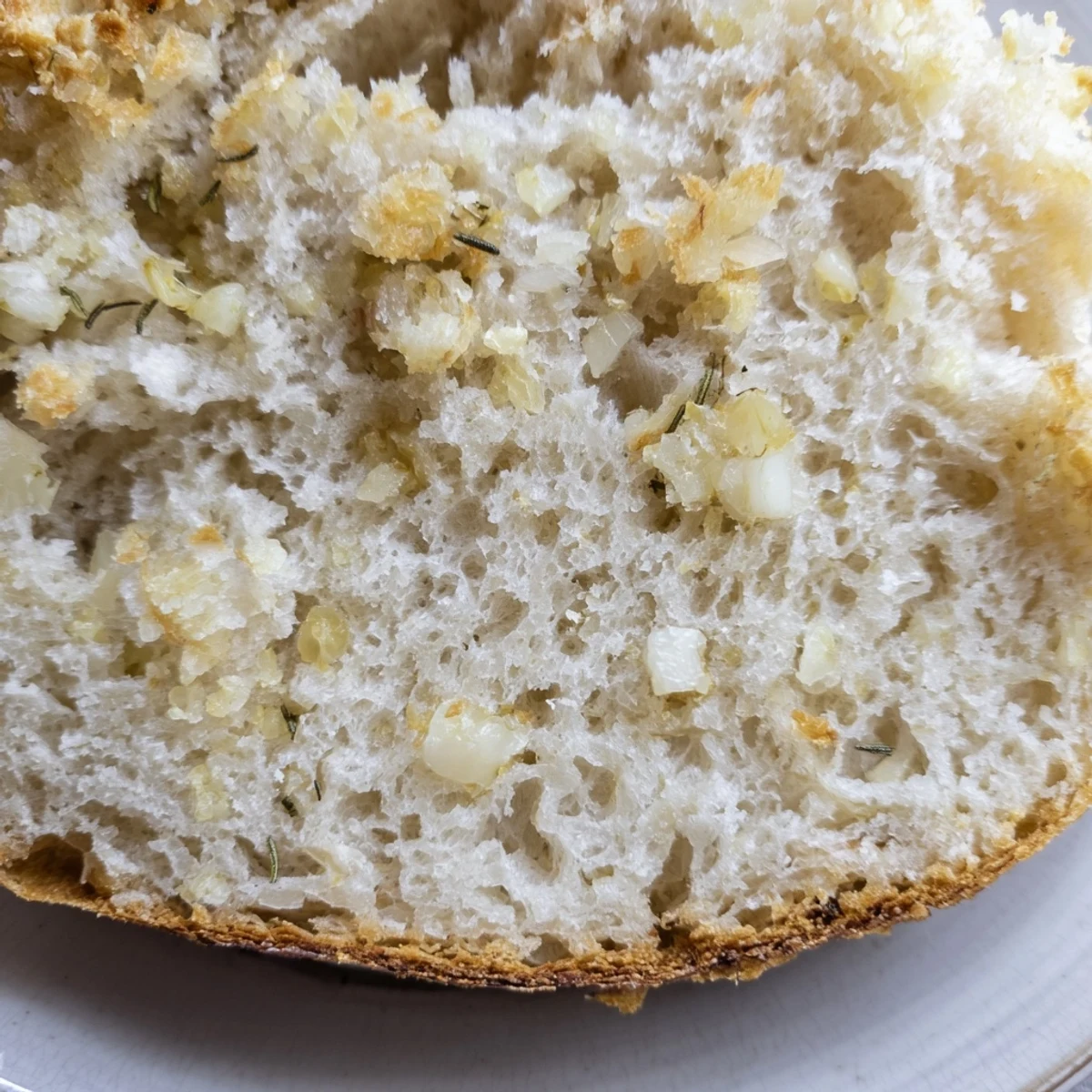
Save My grandmother would have loved this bread. She believed good bread was the foundation of any memorable meal and always said the wait was worth it. Whenever I pull this loaf from the oven, steam rising and garlic perfuming the air, I understand exactly what she meant.
Getting the Best Rise
The Dutch oven creates a mini steam chamber that mimics professional bread ovens. This trapped moisture keeps the crust soft initially, allowing the bread to expand fully before hardening into that gorgeous crackled exterior.
Garlic Variations
Raw garlic gives a bright, pungent kick while roasted garlic offers mellow sweetness. I have tried both and honestly love the fresh approach here, but you could absolutely roast the cloves first for a deeper, more caramelized flavor.
Serving Ideas
This bread demands to be torn and shared immediately. It transforms soup into dinner and turns cheese and wine into an occasion.
- Tear chunks directly into hot soup for the most comforting bite
- Toast leftover slices and rub with raw garlic for incredible bruschetta
- Layer slices in a sandwich with sharp cheddar and apple
 Save
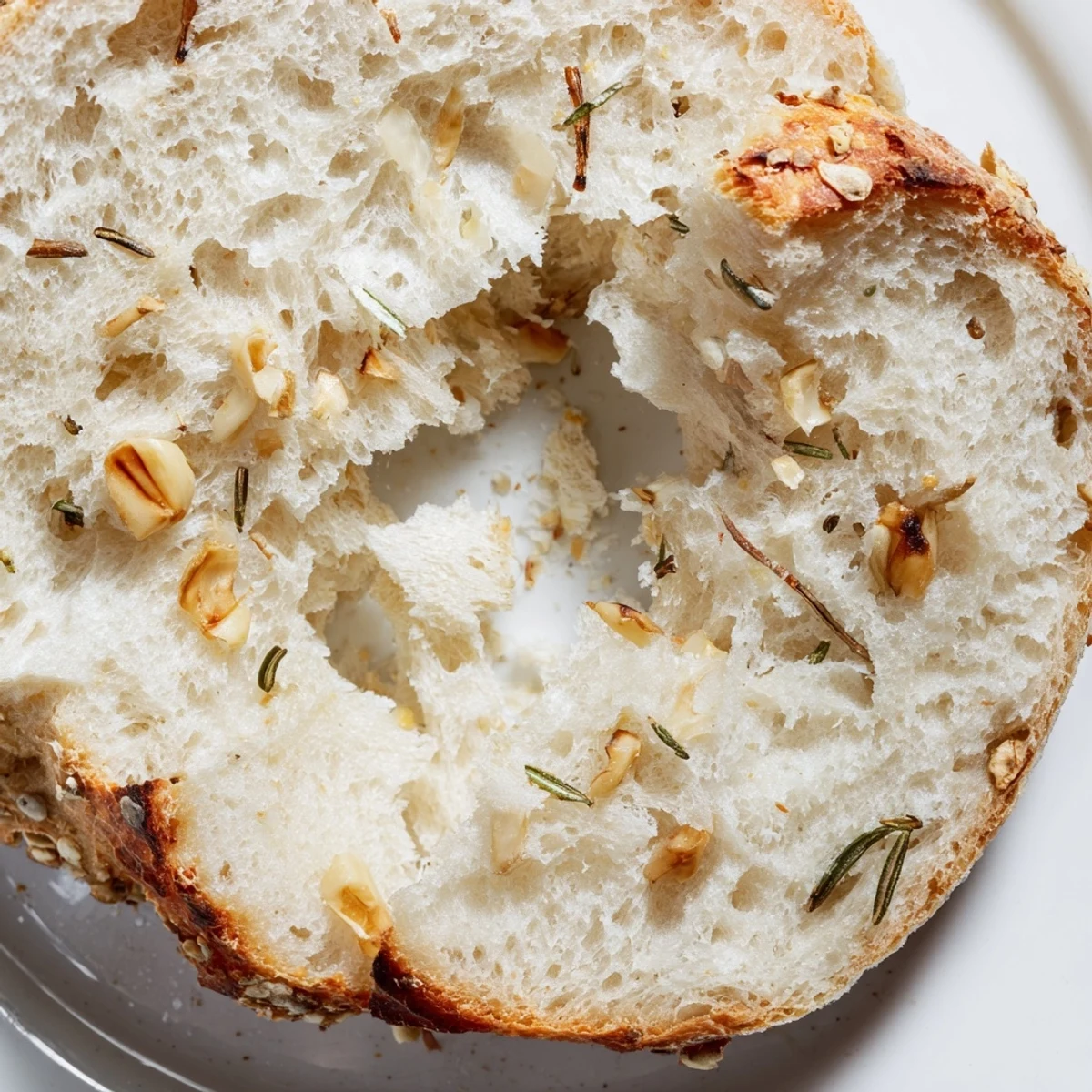
Save Bread making is equal parts science and magic. Trust the process, embrace the sticky fingers, and wait for that first crackle of the crust.
Recipe FAQs
- → Why use a Dutch oven for bread?
-
A Dutch oven creates a steamy environment that mimics professional deck ovens, producing an exceptional rise and crackling crust. The trapped moisture during initial baking allows the dough to expand fully before the crust sets.
- → Can I use dried rosemary instead of fresh?
-
Fresh rosemary provides superior aroma and flavor, but dried can work in a pinch. Use one-third the amount and rehydrate it in warm water for 10 minutes before adding to the dough.
- → How do I know when the bread is done?
-
The crust should be deep golden brown, and the loaf should sound hollow when tapped on the bottom. An instant thermometer inserted into the center should read 200-205°F (93-96°C).
- → Can I add other ingredients?
-
Absolutely. Kalamata olives, sun-dried tomatoes, caramelized onions, or grated Parmesan all complement the garlic-rosemary base. Keep add-ins to about ½ cup total to maintain proper dough structure.
- → How should I store this bread?
-
Best enjoyed fresh the day of baking. Store in a paper bag at room temperature for up to 2 days. For longer storage, slice and freeze, then toast individual slices to refresh.
- → What if I don't have a Dutch oven?
-
Use a heavy oven-safe pot with a tight-fitting lid, such as a ceramic casserole or stainless steel soup pot. Alternatively, bake on a stone with a tray of ice cubes below for steam.