
 Save
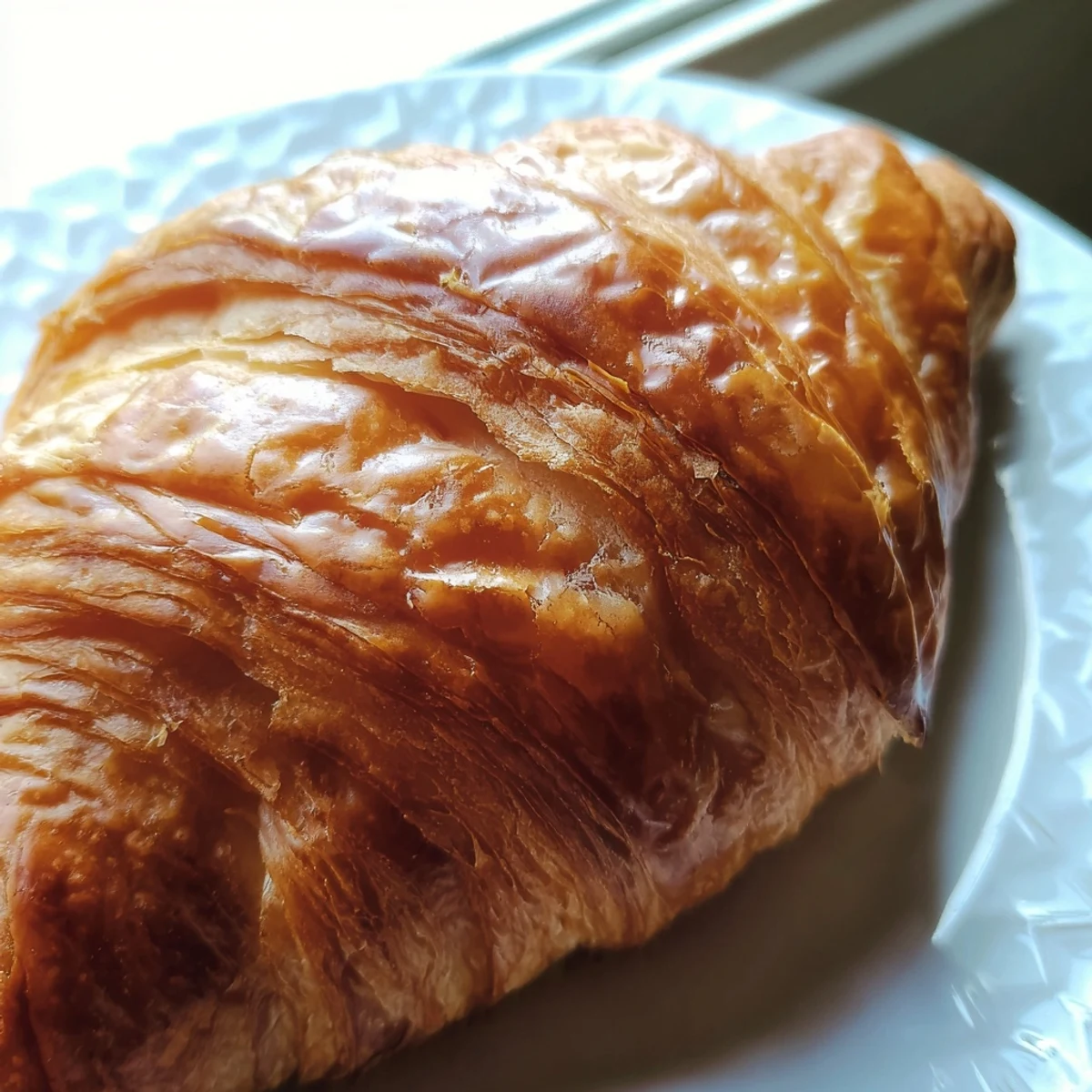
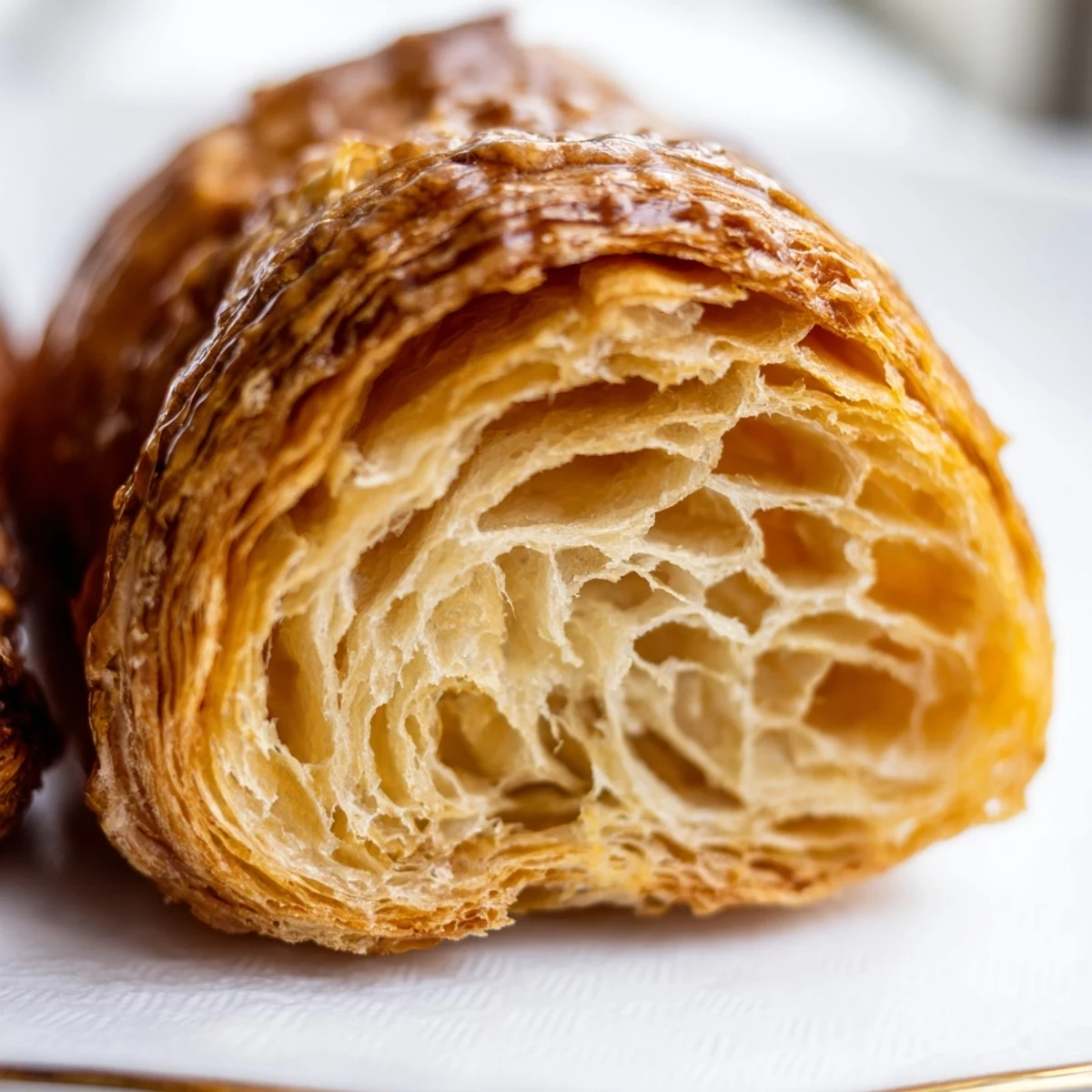
Save These gluten-free croissants deliver the ultimate French pastry experience with flaky layers and rich butter flavor. Through careful lamination technique, the dough develops distinct layers that bake into golden, crescent-shaped pastries. The process involves folding and chilling the dough multiple times to create those signature airy pockets inside each croissant.
The combination of gluten-free flour with xanthan gum provides the structure needed while keeping the texture light and tender. After proofing, the croissants puff beautifully in the oven, developing a crisp exterior and soft, pillowy interior.
The smell of butter laminating into dough still takes me back to my tiny Paris apartment, where I spent three consecutive Sundays trying to master gluten-free croissants. My first attempt turned into buttery puddles on the baking sheet, but that seventh try when they actually puffed up in the oven had me doing a happy dance in my pajamas.
Last Christmas morning, I served these to my skeptical father-in-law who swore gluten-free pastries were always disappointing. Watching his eyes light up after that first buttery, flaky bite was better than any present under the tree.
Ingredients
- Gluten-free all-purpose flour with xanthan gum: This non-negotiable base provides the structure wheat flour usually gives
- Instant dry yeast: Skip the proofing step and let it work its magic directly in the dough
- Unsalted butter: European-style with higher fat content creates those coveted layers
- Eggs: Room temperature eggs incorporate more evenly into your dough mixture
- Warm milk: Whether dairy or plant-based, warmth activates the yeast without killing it
Instructions
- Mix the Foundation:
- Combine your dry ingredients in a large bowl, then whisk warm milk and egg before pouring into the flour mixture. Mix until soft dough forms, beat in softened butter until fully incorporated, then refrigerate for one hour.
- Prepare the Butter Block:
- Pound cold butter between parchment sheets into a 5x7 inch rectangle, keeping it firm but pliable. Chill until ready to laminate.
- First Fold:
- Roll chilled dough into a 10x14 inch rectangle, place butter in center, and fold dough over to completely encase. Roll gently back to size, fold into thirds like a letter, wrap and chill 30 minutes.
- Second and Third Folds:
- Repeat the rolling and folding process two more times, chilling between each fold. These three turns create those signature flaky layers.
- Shape Your Croissants:
- Roll final dough into 12x16 inch rectangle, cut 8 triangles, and roll from wide end to tip. Place on parchment-lined baking sheet, curve ends slightly.
- Proof and Bake:
- Let rise in warm place 2 hours until puffy, brush with egg yolk mixture, then bake at 400°F for 18 to 20 minutes until golden brown. Cool on rack before serving.
 Save
Save My neighbor now texts me whenever she smells these baking, sometimes showing up with coffee just as they come out of the oven. These croissants have become our Saturday morning tradition.
Temperature Control Matters
Keep everything chilled throughout the lamination process. If butter starts melting into the dough, wrap and refrigerate immediately before continuing.
Working Time
The entire process takes about five hours but most of that is hands-off chilling. Plan for a relaxing afternoon with occasional kitchen visits.
Serving Suggestions
These croissants shine fresh from the oven but also freeze beautifully for busy weekday mornings.
- Warm frozen croissants at 350°F for 5 minutes
- Slice horizontally for breakfast sandwiches with scrambled eggs
- Store in paper bags to maintain crisp exterior
 Save
Save There is something deeply satisfying about pulling homemade croissants from your own oven, golden and smelling like a Parisian morning.
Recipe FAQs
- → What makes gluten-free croissants different from traditional ones?
-
Gluten-free croissants use a special flour blend containing xanthan gum to replace the elastic properties of wheat gluten. The technique remains similar—lamination creates those signature flaky layers—but handling requires more care as the dough lacks gluten's structure. The result tastes just as buttery and delicious while being safe for those with gluten sensitivities.
- → Can I make these dairy-free?
-
Absolutely. Substitute the butter with a high-quality plant-based butter block and use your preferred non-dairy milk. The texture remains excellent when using butter alternatives that contain a similar fat content. Ensure your plant-based butter is cold for lamination, just like dairy butter.
- → Why does the dough need so much chilling time?
-
Chilling is crucial for successful lamination. Cold butter creates distinct layers within the dough, while warm butter would melt into the flour. Each rolling and folding session builds more layers, and chilling between folds keeps the butter firm. This patience rewards you with those beautiful flaky pockets when baked.
- → How do I know when the croissants are fully proofed?
-
Properly proofed croissants will appear puffy and jiggle slightly when you gently shake the pan. They should increase noticeably in size—roughly doubling—and the surface will look smooth. Press gently with a finger; the dough should spring back slowly but leave a slight indentation.
- → Can I freeze the dough or baked croissants?
-
Yes, both options work well. Freeze shaped, unproofed croissants on a baking sheet, then transfer to a bag. Thaw overnight in the refrigerator before proofing and baking. Already baked croissants freeze beautifully—reheat in a 350°F oven for 5-7 minutes to restore crispiness.
- → What's the best way to reheat day-old croissants?
-
Reheat in a 350°F (175°C) oven for 5-7 minutes until warmed through and the exterior regains crispness. Avoid microwaving, as this makes them tough. For extra freshness, sprinkle with a few drops of water before reheating to help re-crisp the crust.