
 Save
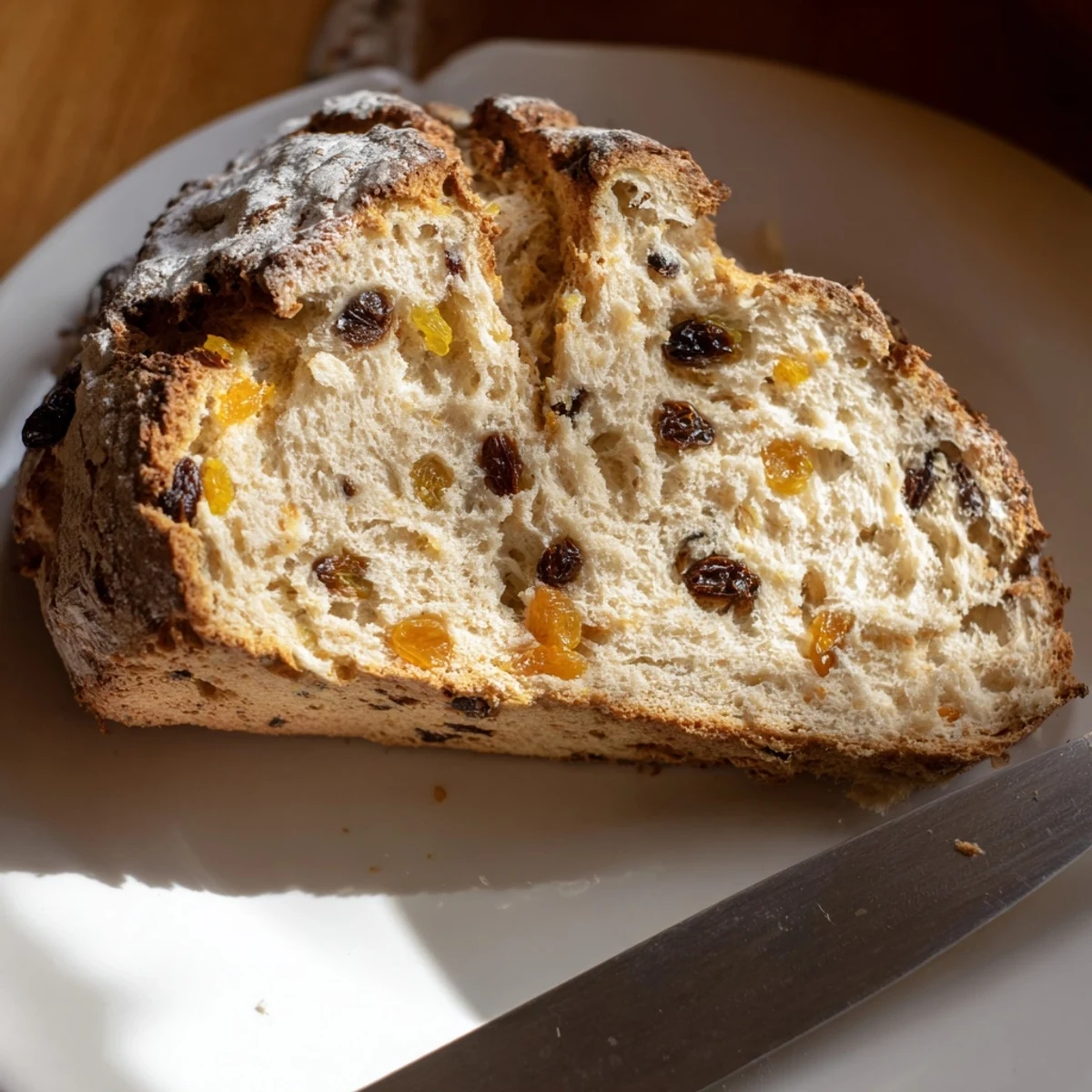
Save This Irish soda bread blends tender crumb with bursts of sweet raisins and zesty orange. Combining buttermilk and baking soda creates a quick rise, offering a moist, slightly sweet loaf. Baked to a golden crust and scored for classic style, it pairs wonderfully with butter or honey. A simple, comforting loaf that brings bright citrus notes to traditional bread baking.
My grandmother never used a recipe for soda bread, she just knew by feel when the dough was right. I remember standing on a chair at age eight, watching her hands move through the flour, and wondering how she could bake without measuring anything. The first time I tried making it on my own, I measured everything obsessively, but still couldn't quite capture that rustic magic she had.
Last winter, during that really heavy snowstorm that kept everyone inside for three days, I baked four loaves back to back. My neighbors came over with their kids when we finally dug ourselves out, and I served this bread warm with salted butter. Something about the smell of baking soda bread makes people feel like everything's going to be okay.
Ingredients
- 4 cups all-purpose flour: I've tried different flours but regular all-purpose gives the best texture for this traditional bread
- 1/4 cup granulated sugar: Just enough to balance the tangy buttermilk without making it too sweet
- 1 1/2 teaspoons baking soda: This is your only leavening agent, so make sure it's fresh
- 1 teaspoon salt: Enhances all the flavors and helps activate the baking soda
- 1 3/4 cups buttermilk: The acidity here is crucial for that signature soda bread rise
- 1 large egg: Adds richness and helps bind everything together
- 4 tablespoons unsalted butter, melted: Melt and cool it first so it incorporates evenly
- 1 cup raisins: Plump them in warm water for 10 minutes if they seem dry
- Zest of 1 orange: Use a microplane to get just the bright outer layer, no bitter pith
Instructions
- Preheat your oven:
- Get it to 400°F and line a baking sheet with parchment paper while you work
- Mix the dry ingredients:
- Whisk flour, sugar, baking soda, and salt in a large bowl until well combined
- Combine the wet ingredients:
- Whisk buttermilk, egg, and melted butter until smooth in a separate bowl
- Bring it together:
- Pour wet into dry, add raisins and zest, then stir with a wooden spoon until shaggy dough forms
- Shape gently:
- Turn onto floured surface, knead just until it holds together, and form a 7-inch round
- Score the top:
- Cut a deep X across the loaf, about 1/2 inch deep, to help it bake evenly
- Bake until golden:
- Bake 35 to 40 minutes until browned and a skewer comes out clean from the center
- Cool completely:
- Let it rest on a wire rack for at least 30 minutes before slicing into it
 Save
Save This bread became a weekend ritual during my first year of teaching. Every Friday evening, exhausted from the week, I'd mix up a batch and let the simple rhythm of kneading ground me again.
Making It Your Own
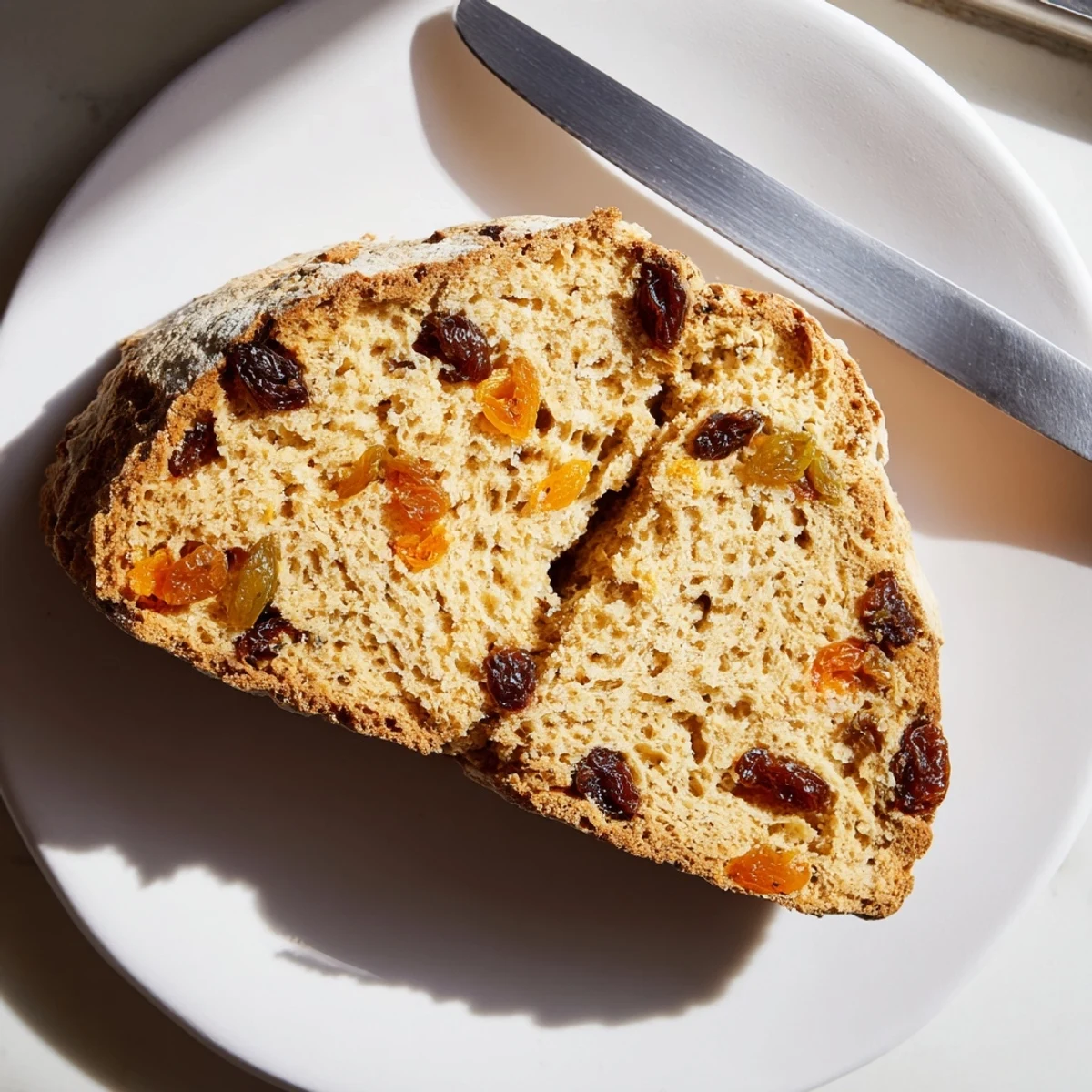
I've swapped currants for raisins when that's what I had in the pantry, and once used chopped dried apricots when I wanted something different. The orange zest is non-negotiable though, it's what makes this particular version sing.
The Buttermilk Secret
If you don't have buttermilk, measure regular milk and add a tablespoon of vinegar, then let it sit for five minutes. The acid is what reacts with the baking soda to create those lovely air pockets.
Serving Suggestions
This bread is amazing warm with salted butter melting into all those little crevices. It also toasts beautifully for breakfast, especially with a little honey or marmalade on top.
- Wrap leftovers tightly and they'll stay fresh for two days
- Freeze slices wrapped individually for quick weekday breakfasts
- Revive day-old bread by warming it in a 300°F oven for 10 minutes
 Save
Save There's something deeply satisfying about a bread that comes together in minutes but tastes like it took all day.
Recipe FAQs
- → What gives the bread its rise without yeast?
-
Baking soda reacts with buttermilk's acidity, producing carbon dioxide bubbles that help the dough rise quickly.
- → Can I substitute raisins with other dried fruits?
-
Yes, dried currants or chopped dried apricots work well to add sweetness and texture.
- → Why is the dough kneaded lightly and briefly?
-
Minimal kneading prevents gluten overdevelopment, keeping the bread tender and crumbly rather than chewy.
- → What is the purpose of scoring an X on top of the loaf?
-
Scoring allows steam to escape during baking and gives the bread its traditional rustic appearance.
- → How can I enhance the flavor of this bread when serving?
-
Serve with salted butter, honey, or marmalade; toasting slices intensifies the rich, buttery notes.