
 Save
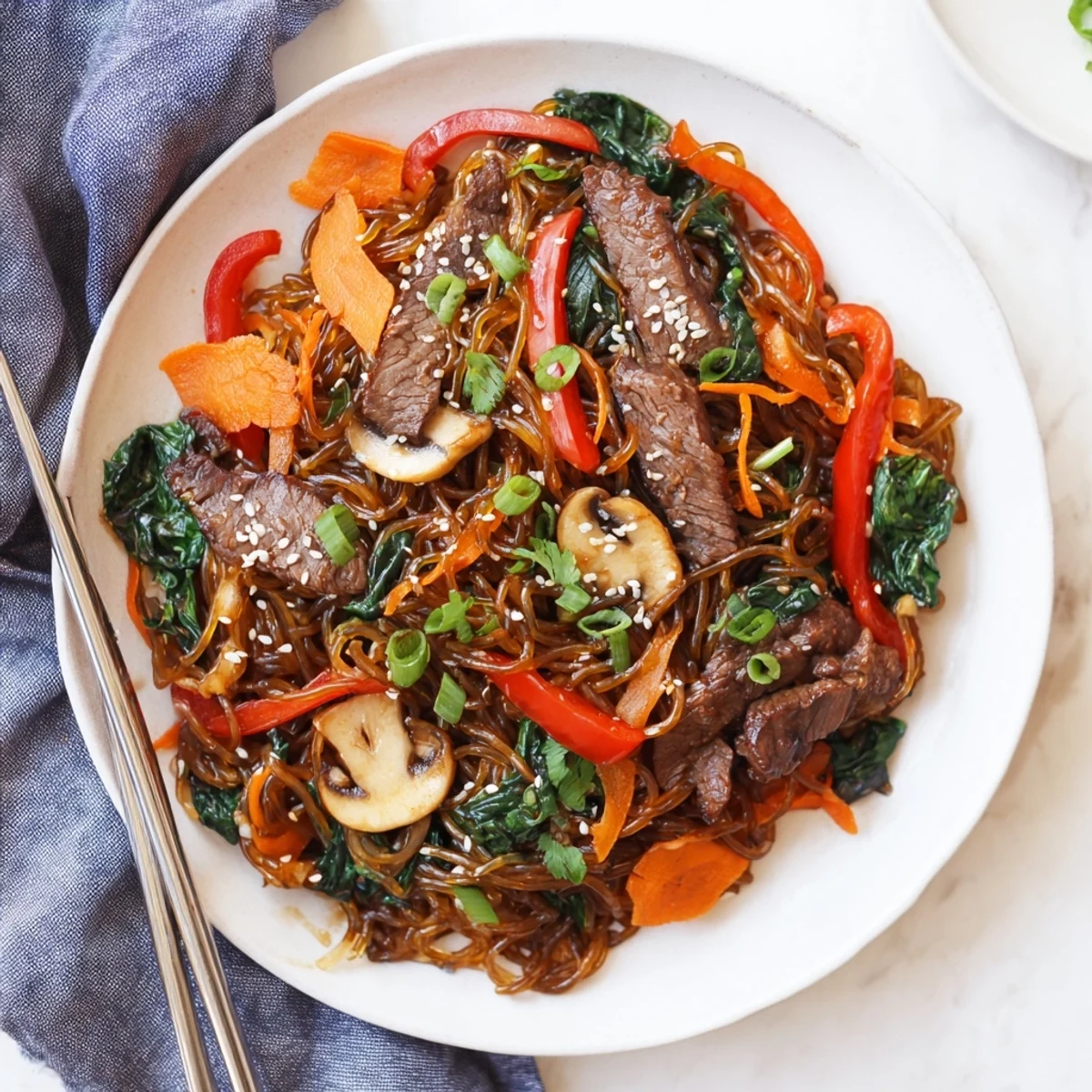
Save This Korean-style noodle dish features thinly sliced beef sirloin or ribeye, quickly stir-fried with colorful vegetables like carrots, bell peppers, mushrooms, and spinach. The chewy sweet potato noodles (dangmyeon) absorb the rich sauce made from soy sauce, brown sugar, gochujang Korean chili paste, rice vinegar, and aromatic ginger.
Ready in just 40 minutes, this one-pan meal balances sweet and savory flavors with a hint of heat. The beef marinade ensures tender, flavorful meat, while the vegetables add crunch and nutrition. Perfect for weeknight dinners, these noodles reheat beautifully for lunch the next day.
The first time I made Korean beef noodles, my kitchen smelled like sesame and sizzling garlic in the best way. I'd been craving something with that perfect balance of sweet and spicy, and this dish delivered exactly what I needed. The chew of sweet potato noodles is completely addictive—I ended up going back for seconds even though I swore I was full.
Last winter, when my friend came over for dinner after a terrible week at work, I made this recipe. She took one bite and actually went quiet for a moment, which is saying something. We ended up sitting at the counter, eating straight from the wok, and she told me it was exactly what her soul needed that night.
Ingredients
- 350 g (12 oz) beef sirloin or ribeye, thinly sliced: Freezing the beef for 30 minutes makes it so much easier to get those paper-thin slices that cook quickly and stay tender
- 1 tbsp soy sauce, 1 tsp sesame oil, 1 tsp sugar, 1 garlic clove, minced: This simple marinade transforms the beef, giving it that Korean barbecue flavor even without a grill
- 300 g (10 oz) Korean sweet potato noodles (dangmyeon) or dried udon noodles: Sweet potato noodles have this incredible chew that really holds onto the sauce, but udon works beautifully too
- 1 medium carrot, julienned, and 1 red bell pepper, thinly sliced: These add crunch and color that cuts through the rich sauce
- 100 g (3.5 oz) shiitake or button mushrooms, sliced: Mushrooms get this meaty texture when stir-fried and soak up all that savory flavor
- 100 g (3.5 oz) baby spinach and 2 spring onions, cut into pieces: Spinach wilts down into silky ribbons while spring onions add fresh bites throughout
- 3 tbsp soy sauce, 1 tbsp brown sugar, 1 tbsp gochujang: This is your flavor trifecta, salty, sweet, and that signature Korean fermented kick
- 1 tbsp rice vinegar, 2 tsp sesame oil, 1 tbsp water, 1 tsp grated ginger: The vinegar brightens everything while ginger adds warmth
- 1 tbsp toasted sesame seeds and 2 tbsp chopped fresh cilantro or parsley: These finishing touches make everything look and taste restaurant-worthy
Instructions
- Marinate the beef:
- Toss your sliced beef with soy sauce, sesame oil, sugar, and minced garlic in a bowl, then let it hang out for at least 10 minutes while you prep everything else.
- Cook the noodles:
- Boil your noodles according to the package, then drain and rinse under cold water to stop the cooking and keep them from getting gummy.
- Whisk together the sauce:
- Combine soy sauce, brown sugar, gochujang, rice vinegar, sesame oil, water, and grated ginger in a small bowl until the sugar dissolves completely.
- Stir-fry the vegetables:
- Heat your wok over medium-high heat, add oil, then sauté the carrots, bell pepper, and mushrooms for 3 to 4 minutes until they're starting to soften.
- Add the greens:
- Toss in the spinach and spring onions, cooking for another 1 to 2 minutes until the spinach wilts, then remove everything to a plate.
- Cook the beef:
- In the same hot wok, add your marinated beef and stir-fry for 2 to 3 minutes until it's browned and cooked through.
- Bring it all together:
- Return the vegetables and noodles to the wok with the beef, pour in the sauce, and toss everything for 2 to 3 minutes until it's all coated and hot.
- Serve it up:
- Divide among bowls and finish with sesame seeds and fresh herbs, watching everyone lean in as the steam rises.
 Save
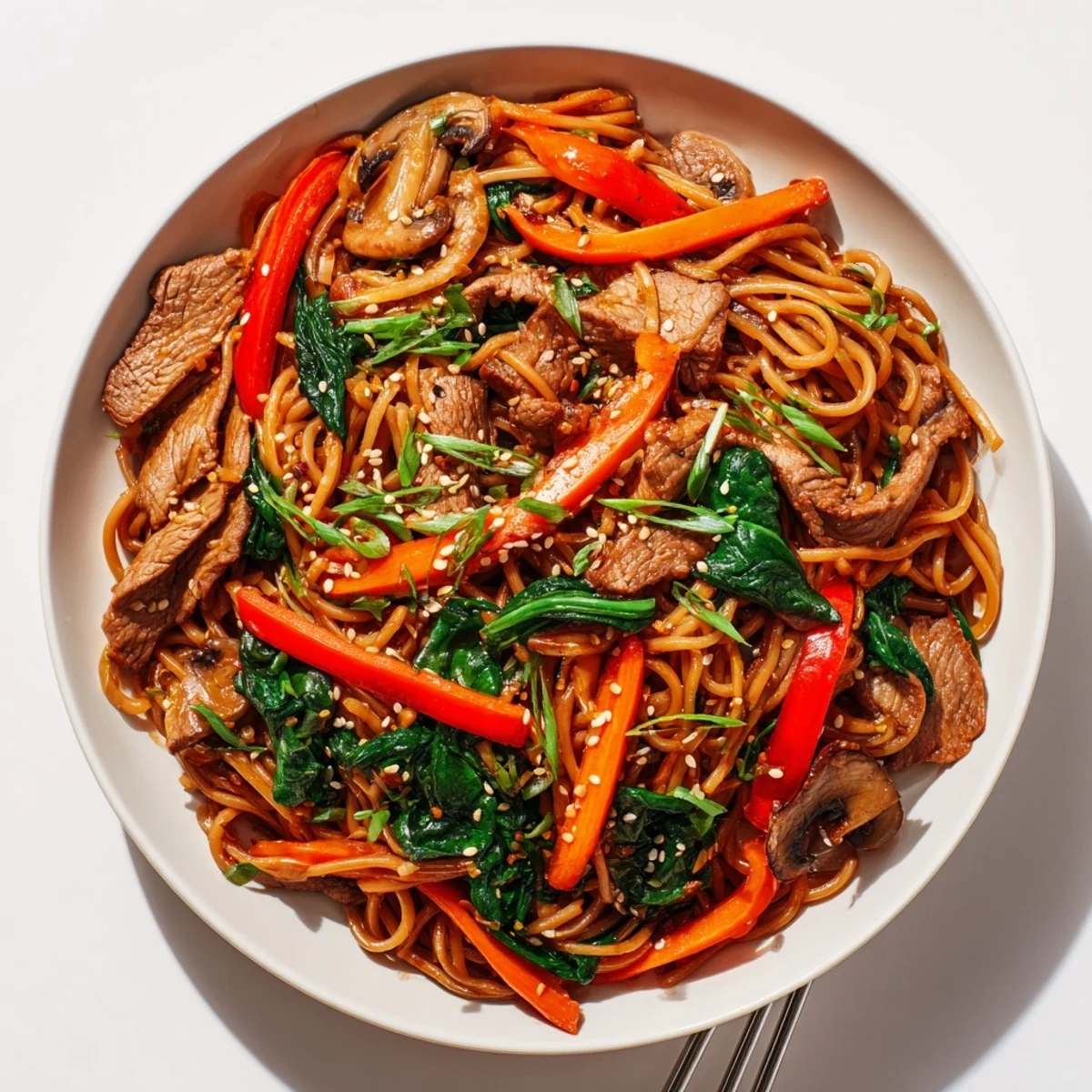
Save This dish has become my go-to when I want something that feels special but doesn't require me to spend hours in the kitchen. There's something so satisfying about the way the noodles twirl around your chopsticks, slick with that glossy sauce.
Making It Your Own
I've played around with this recipe enough to know that it's incredibly forgiving. Sometimes I'll add zucchini or snap peas if that's what's in my crisper drawer, and it always works out beautifully.
The Heat Factor
Gochujang has this deep, complex heat that's different from hot sauce, it's more about flavor than fire. Start with the tablespoon called for, then add more if you like things really spicy.
Serving Suggestions
This dish stands on its own as a complete meal, but I love setting out some quick-pickled cucumbers on the side for something fresh and crisp.
- Make extra sauce and keep it in the fridge, it's amazing on rice bowls too
- If you're cooking for a crowd, double the recipe and cook the beef in batches so it browns properly
- Leftovers reheat beautifully, though the noodles will soak up more sauce overnight
 Save
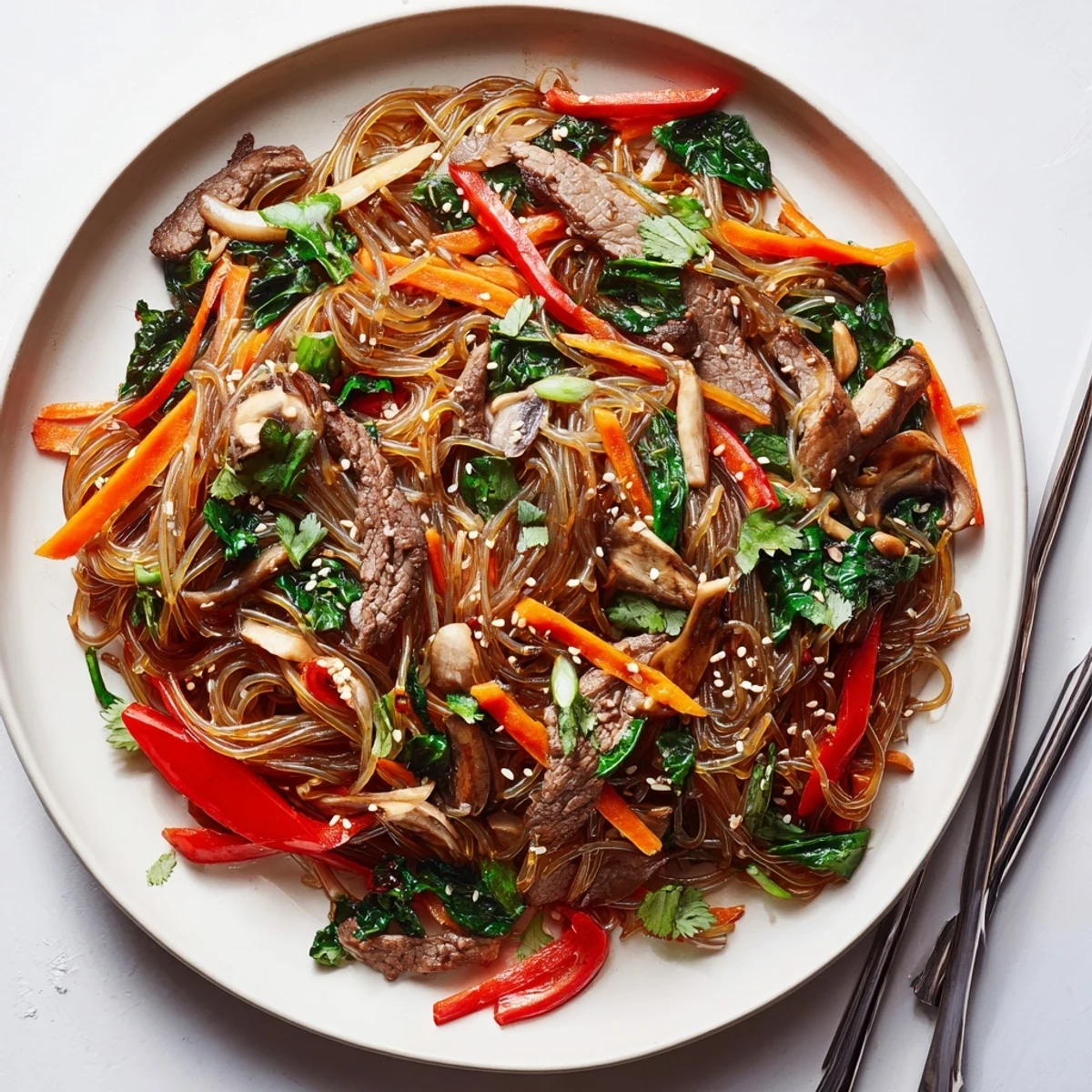
Save I hope this recipe finds its way into your regular rotation the way it has in mine. There's pure joy in a bowl of noodles this good.
Recipe FAQs
- → Can I use other types of noodles for Korean beef noodles?
-
Yes, you can substitute Korean sweet potato noodles with dried udon noodles, thick rice noodles, or even spaghetti. Adjust cooking time according to package instructions, as different noodles require varying boil times.
- → How spicy are Korean beef noodles?
-
The spice level is mild to medium, depending on how much gochujang you use. Gochujang adds a gentle heat with fermented depth. For less spice, reduce the amount or substitute with a pinch of red pepper flakes.
- → What cut of beef works best?
-
Thinly sliced sirloin or ribeye are ideal—they're tender and cook quickly. Ask your butcher to slice it paper-thin, or freeze the beef for 20 minutes before slicing thinly yourself.
- → Can I make this dish vegetarian?
-
Absolutely. Replace the beef with firm tofu, seitan, or tempeh. Press and cube the tofu, then stir-fry until golden before adding vegetables. The sauce remains the same, providing plenty of umami flavor.
- → How should I store leftovers?
-
Store cooled noodles in an airtight container in the refrigerator for up to 3 days. Reheat gently in a skillet or microwave, adding a splash of water if needed to loosen the sauce. The flavors often deepen overnight.
- → Can I prepare ingredients ahead?
-
Yes. Slice the beef and vegetables, whisk the sauce, and store separately in the refrigerator for up to 24 hours. The beef can marinate overnight for even more flavor. Cook noodles just before assembling.