
 Save
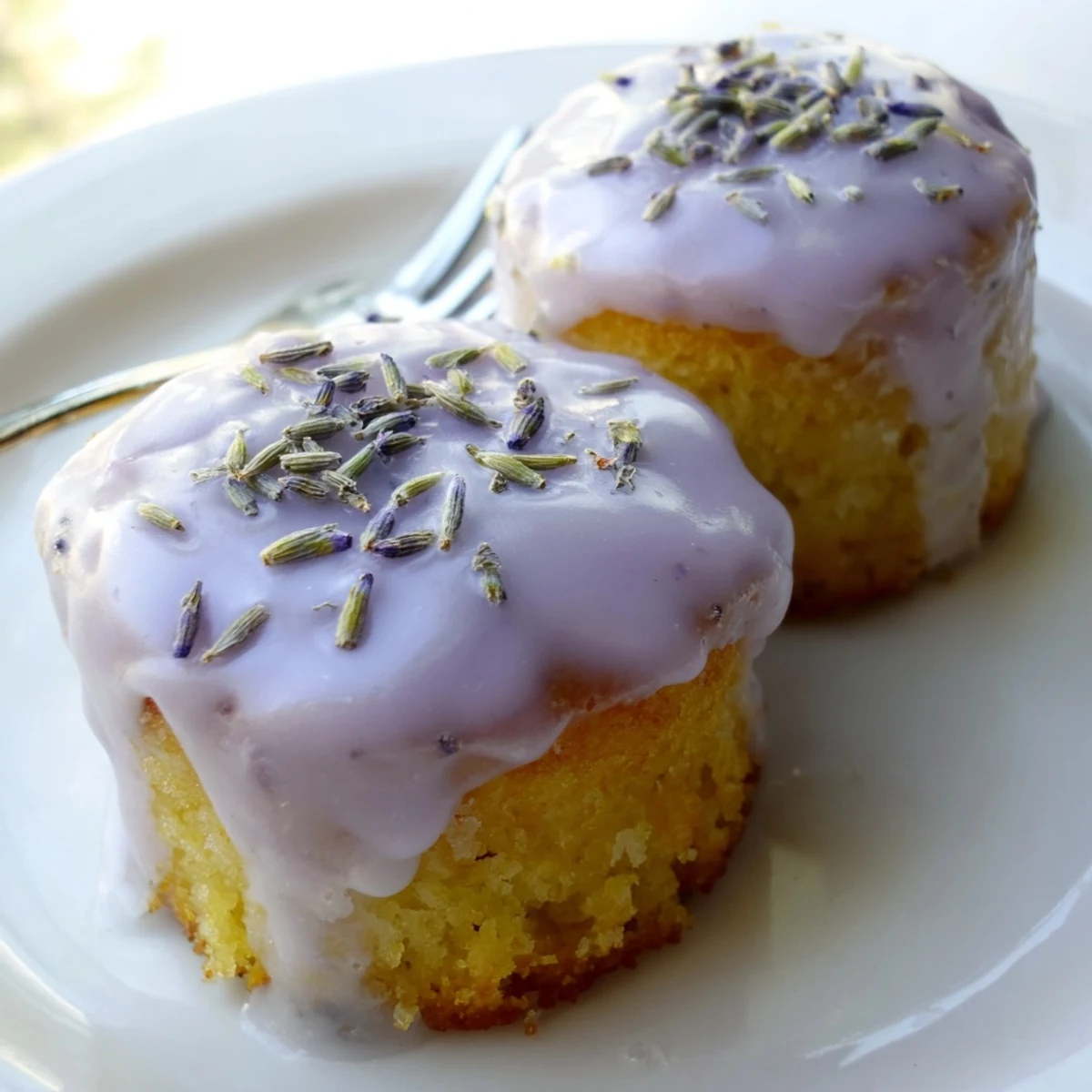
Save These mini lemon cakes deliver a tender, buttery crumb with bright citrus flavor from fresh lemon juice and zest. The star of the show is the lavender glaze — finely ground culinary lavender blended with powdered sugar and a touch of lemon juice creates a fragrant, floral topping that elevates each little cake into something truly special.
Mixing comes together in about 20 minutes with straightforward creaming and folding techniques. The cakes bake in under 18 minutes and cool quickly, making the whole process approachable even for those newer to baking. Once cooled, a simple drizzle of the lavender glaze transforms them into an elegant treat ideal for afternoon tea, brunch spreads, or light desserts.
A tip for lavender lovers: infuse the glaze milk with lavender buds beforehand for an even deeper floral note. Un-glazed cakes keep well for up to two days, so you can prepare ahead and finish with glaze when ready to serve.
My neighbor Margaux brought a plate of these to a garden party last June and I actually stood there sniffing one before biting in, completely transfixed by that floral citrus smell. She laughed and said the secret was patience with the glaze, not the cake itself. I went home that evening and baked three batches before I got anywhere close to hers.
I made a tray for my sister's birthday brunch and her mother in law, who never compliments anyone's cooking, asked for the recipe twice. That felt like a real win in my kitchen.
Ingredients
- All-purpose flour (130 g): Keep it sifted and at room temperature for the tenderest crumb possible
- Granulated sugar (100 g): This amount hits the sweet spot without overpowering the lavender
- Unsalted butter (60 g), softened: Truly softened, not just left out for ten minutes, because it makes or breaks the creaming step
- Large eggs (2): Room temperature eggs incorporate so much smoother into the batter
- Whole milk (60 ml): Adds just enough fat to keep the cakes rich without being heavy
- Fresh lemon juice (2 tbsp): Do not even think about using bottled juice here, the fresh stuff is noticeably brighter
- Lemon zest (1 tbsp): Zest before you juice, and press the zest into the sugar to release those oils
- Baking powder (1/2 tsp) and baking soda (1/4 tsp): This combo gives a nice lift without making the cakes tunnel
- Fine salt (1/4 tsp): Enhances every other flavor, especially the lavender
- Vanilla extract (1/2 tsp): A small amount that rounds out the sharp edges of the lemon
- Powdered sugar (120 g), sifted: Sifting is nonnegotiable for a smooth glaze without lumps
- Whole milk (1 1/2 tbsp) for glaze: Add it gradually because you can always thin but never thicken
- Culinary lavender buds (1/2 tsp), finely ground: Make sure it is culinary grade because craft store lavender can taste soapy
- Fresh lemon juice (1 tbsp) for glaze: Balances the sweetness and ties the glaze flavor back to the cake
- Extra lavender buds or lemon zest: A tiny garnish that makes people pause before eating, which is the whole point
Instructions
- Get your oven ready:
- Preheat to 350°F (175°C) and grease every mold of your mini cake pan or muffin tin thoroughly, including the flat tops if your pan has those.
- Cream the butter and sugar:
- Beat them together until the mixture turns pale and looks almost fluffy, about three full minutes with an electric mixer.
- Add the wet ingredients:
- Drop in the eggs one at a time, letting each fully blend before adding the next, then stir in the lemon zest, lemon juice, and vanilla.
- Whisk the dry ingredients:
- Combine the flour, baking powder, baking soda, and salt in a separate bowl so they distribute evenly.
- Bring it all together:
- Alternate adding the dry mix and milk, starting and ending with the flour, and stop mixing the instant you see no more dry streaks.
- Fill the molds:
- Divide the batter as evenly as you can among the twelve molds, filling each about three quarters full.
- Bake and cool:
- Bake for 16 to 18 minutes until a toothpick comes out clean, then let them rest in the pan for five minutes before moving to a wire rack.
- Make the lavender glaze:
- Whisk the sifted powdered sugar, milk, ground lavender, and lemon juice until you get a thick but pourable consistency.
- Glaze and garnish:
- Drizzle or spoon the glaze over the completely cooled cakes and scatter a few lavender buds or lemon zest bits on top.
 Save
Save These little cakes turned a gray Sunday afternoon into something genuinely lovely when I served them with a pot of Earl Grey. Sometimes that is all food needs to do.
Getting the Lavender Right
Culinary lavender varies wildly by brand and origin, so always taste a tiny pinch before committing to the full amount. Some batches are intensely floral while others are barely there, and you cannot fix an overdosed glaze once it is mixed.
Making Them Ahead
Store the unglazed cakes in an airtight container at room temperature for up to two days, then glaze them the morning you plan to serve. The glaze sets up beautifully within thirty minutes and the cakes taste like they just came out of the oven.
Serving Ideas That Work Every Time
I have found these pair best with something hot and slightly bitter to cut through the sweetness. A few combinations that never miss at my table:
- Earl Grey tea with a splash of milk
- Unsweetened sparkling wine for a light dessert course
- A simple green tea if you want to keep the flavors delicate
 Save
Save These mini cakes are the kind of recipe that makes you look like you have your whole life together, even if you just threw flour everywhere. Enjoy every bite.
Recipe FAQs
- → Can I use dried lavender from my garden?
-
Only if it's culinary-grade lavender grown without pesticides. Standard ornamental lavender may contain chemicals and isn't safe for consumption. Culinary lavender buds are widely available online and at specialty shops.
- → How do I avoid a soapy taste from the lavender?
-
Use culinary lavender sparingly — 1/2 teaspoon of finely ground buds is enough for the glaze. Grinding the buds rather than leaving them whole helps distribute the flavor evenly and prevents concentrated pockets of strong floral taste.
- → Can I make these without a mini cake pan?
-
Yes, a standard muffin tin works well. The batter will yield roughly 10–12 standard muffin-sized cakes. Adjust baking time by adding 3–5 minutes and check with a toothpick for doneness.
- → Can I substitute the all-purpose flour?
-
A 1:1 gluten-free baking flour blend can work, though the texture may be slightly denser. Cake flour can also be used for an even more tender crumb — just skip the baking soda since cake flour is already lower in protein.
- → How should I store leftover mini lemon cakes?
-
Keep them unglazed in an airtight container at room temperature for up to two days. Once glazed, store in the refrigerator for up to three days. Bring to room temperature before serving for the best flavor and texture.
- → What pairs well with these mini lemon cakes?
-
A pot of Earl Grey or chamomile tea complements the lavender notes beautifully. For a celebratory touch, a glass of prosecco or sparkling wine pairs elegantly with the citrus and floral flavors.