 Save
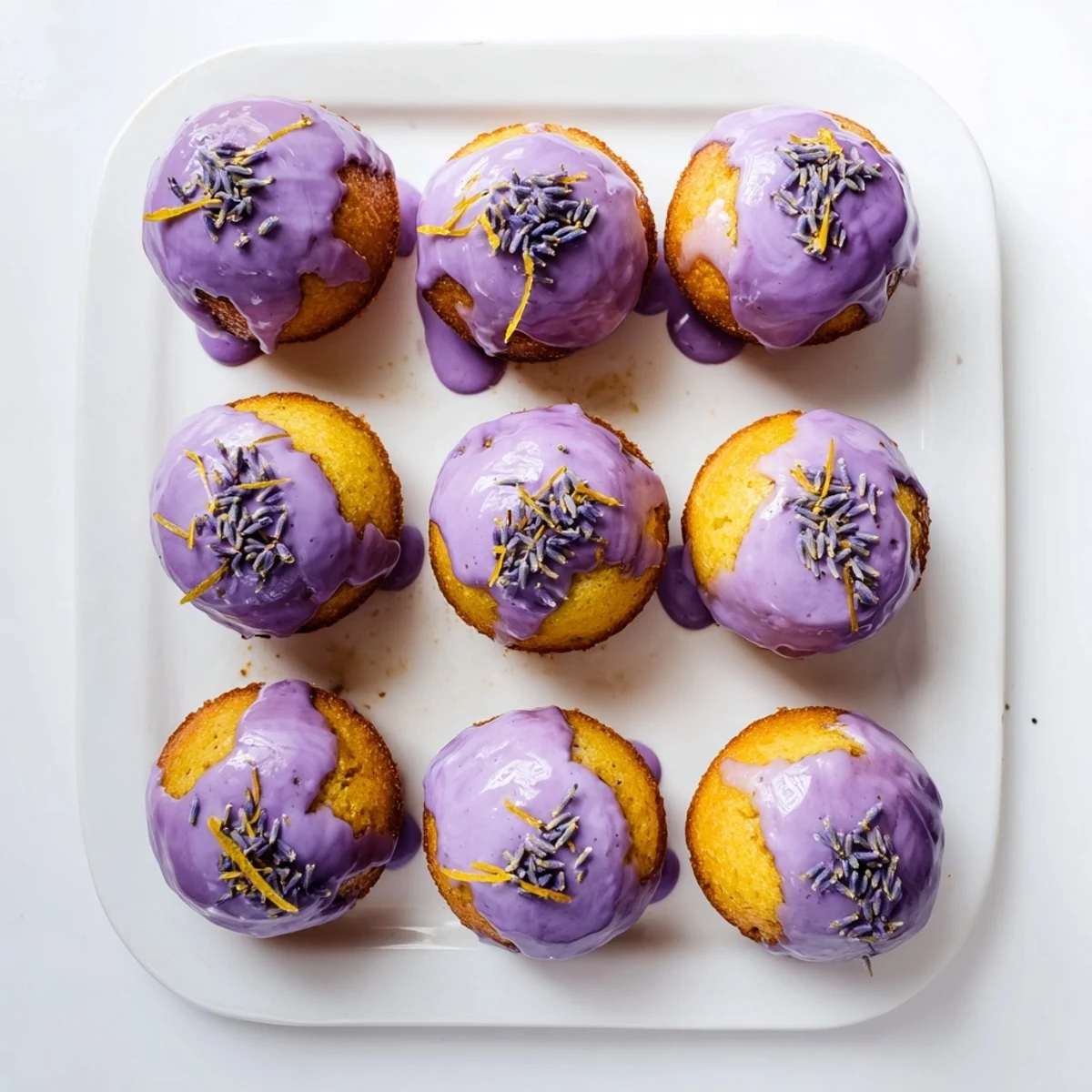
Save These delightful miniature treats combine bright citrus flavors with aromatic lavender for a sophisticated dessert experience. The tender, moist crumb comes from perfectly balanced ingredients, while the decorative glaze adds visual elegance and complementary floral notes. Each small cake delivers intense lemon essence followed by subtle lavender sweetness, creating a layered flavor profile that feels luxurious yet approachable.
The preparation involves straightforward creaming method techniques, making these accessible for home bakers of various skill levels. Fresh lemon zest and juice provide vibrant acidity that cuts through the rich butter cake base, while culinary lavender adds a gentle, perfumed finish that elevates the overall presentation.
Standing in my friend Sarah's garden last spring, she handed me a tiny sprig of lavender and told me it belonged in desserts. I was skeptical until that afternoon when she pulled these miniature lemon cakes from her oven, the kitchen already filled with citrus and floral perfume. One bite convinced me that lavender and lemon were always meant to be together, like some secret culinary harmony I'd been missing my whole life.
Last summer I made these for my mother-in-law's birthday, setting them out on a three-tiered stand with fresh lavender tucked between the layers. She took one bite, closed her eyes, and told me it reminded her of the lavender fields she'd walked through in Provence decades ago. Now whenever I make them, I think of how food can transport someone across oceans and through years with just a single mouthful.
Ingredients
- 1 1/2 cups (180 g) all-purpose flour: This foundation needs to be spooned and leveled, not scooped directly, to prevent dense cakes
- 1 tsp baking powder: The lift that makes these tender rather than heavy
- 1/4 tsp baking soda: Works with the acidic lemon juice for extra rise
- 1/4 tsp salt: Essential to balance all that sweet and bright citrus
- 1/2 cup (115 g) unsalted butter, softened: Leave it out for exactly 30 minutes, room temperature butter creates the perfect tender crumb structure
- 1 cup (200 g) granulated sugar: Cream this thoroughly with the butter until it looks pale and fluffy, that's where the good texture comes from
- 2 large eggs, room temperature: Cold eggs can make the butter seize, so let them sit out while you gather other ingredients
- 2 tbsp freshly grated lemon zest (about 2 lemons): Use a micrograter and only the yellow part, the white pith adds unwanted bitterness
- 1/4 cup (60 ml) fresh lemon juice: Squeeze and strain it to avoid any pulp or seeds in your batter
- 1/2 cup (120 ml) whole milk, room temperature: The fat content matters here for moisture, skip the skim milk
- 1 tsp pure vanilla extract: Pure vanilla adds this warm background note that rounds out the bright citrus
- 1 1/2 cups (180 g) powdered sugar, sifted: Sifting prevents lumps in your glaze, I learned this the hard way
- 2-3 tbsp milk: Start with less and add more until you reach the perfect pourable consistency
- 1 1/2 tsp dried culinary lavender, finely crushed: Use only culinary-grade lavender, the stuff from the craft store isn't meant for eating
- 1 tbsp fresh lemon juice: This brightens the glaze and helps it set properly
- Purple food coloring (optional): Just one drop creates this lovely lavender hue without making it look artificial
- Additional dried lavender buds: These make the most beautiful garnish, like tiny edible jewels on top
- Lemon zest strips (optional): Use a vegetable peeler to create long elegant strips if you want extra visual impact
Instructions
- Prep your oven and pan:
- Preheat to 350F (175C) and generously grease and flour a 12-cup mini bundt or muffin pan, getting into all those little crevices so nothing sticks.
- Whisk your dry ingredients:
- In a medium bowl, combine the flour, baking powder, baking soda, and salt, then set it aside while you work on the wet ingredients.
- Cream butter and sugar:
- Beat together the softened butter and granulated sugar in a large bowl until the mixture turns pale and fluffy, about 2-3 minutes of serious mixing.
- Add the eggs:
- Beat in the eggs one at a time, making sure each one is fully incorporated before adding the next, then mix in the lemon zest and vanilla extract.
- Incorporate the lemon juice:
- Pour in the fresh lemon juice and mix briefly, the batter might look slightly curdled but that's completely normal.
- Combine wet and dry:
- Add the flour mixture in three parts, alternating with the milk, beginning and ending with the flour, and mix only until just combined.
- Fill your molds:
- Divide the batter evenly between the prepared mini cake molds, using a cookie scoop for uniform portions if you want them all the same size.
- Bake until golden:
- Bake for 16-18 minutes, rotating the pan halfway through, until a toothpick inserted in the center comes out clean with just a few moist crumbs.
- Cool properly:
- Let the cakes rest in the pan for 10 minutes before turning them out onto a wire rack to cool completely, warm cakes will melt the glaze right off.
- Make the lavender glaze:
- Whisk together the sifted powdered sugar, milk, crushed lavender, and lemon juice until completely smooth and pourable, adding more milk if needed.
- Glaze the cakes:
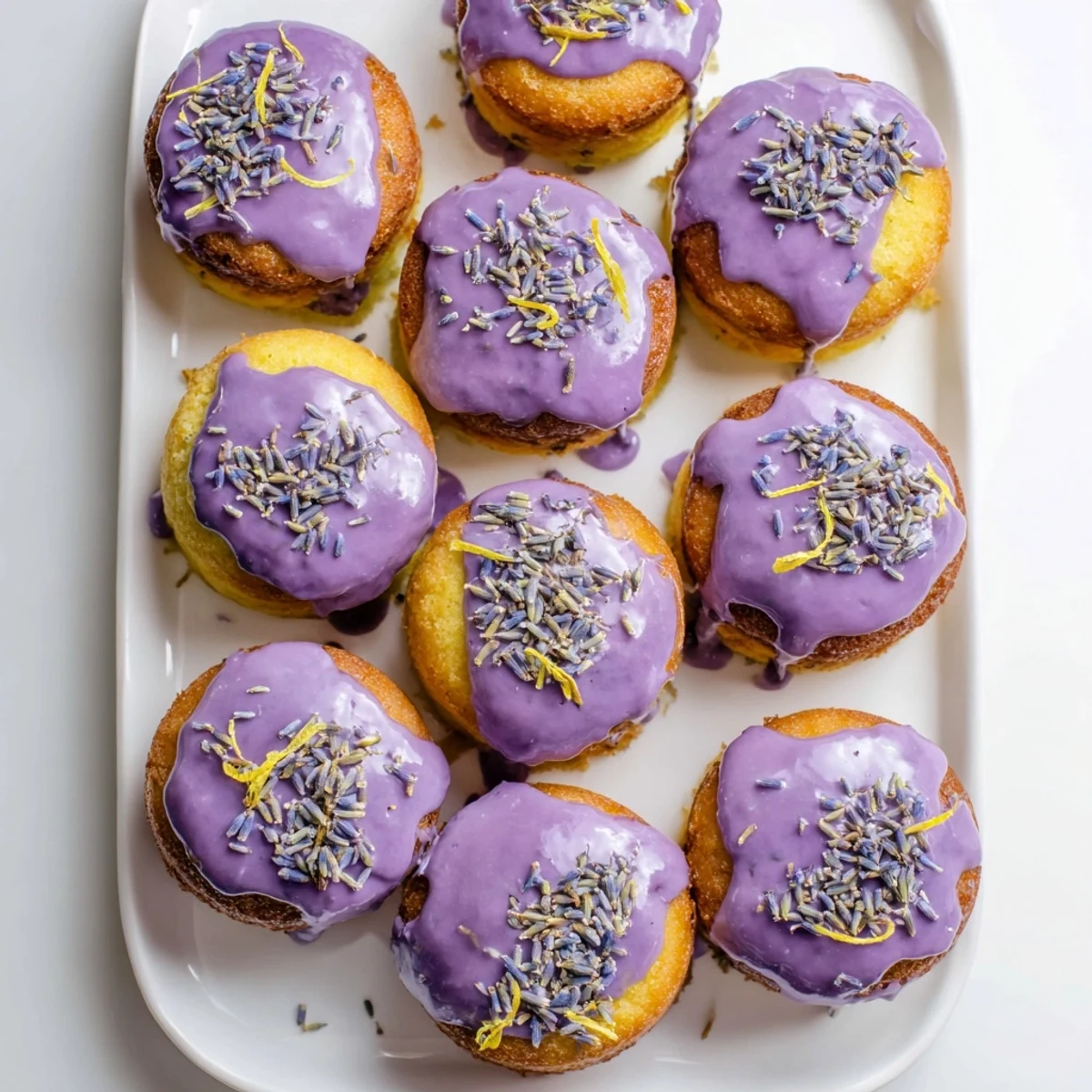
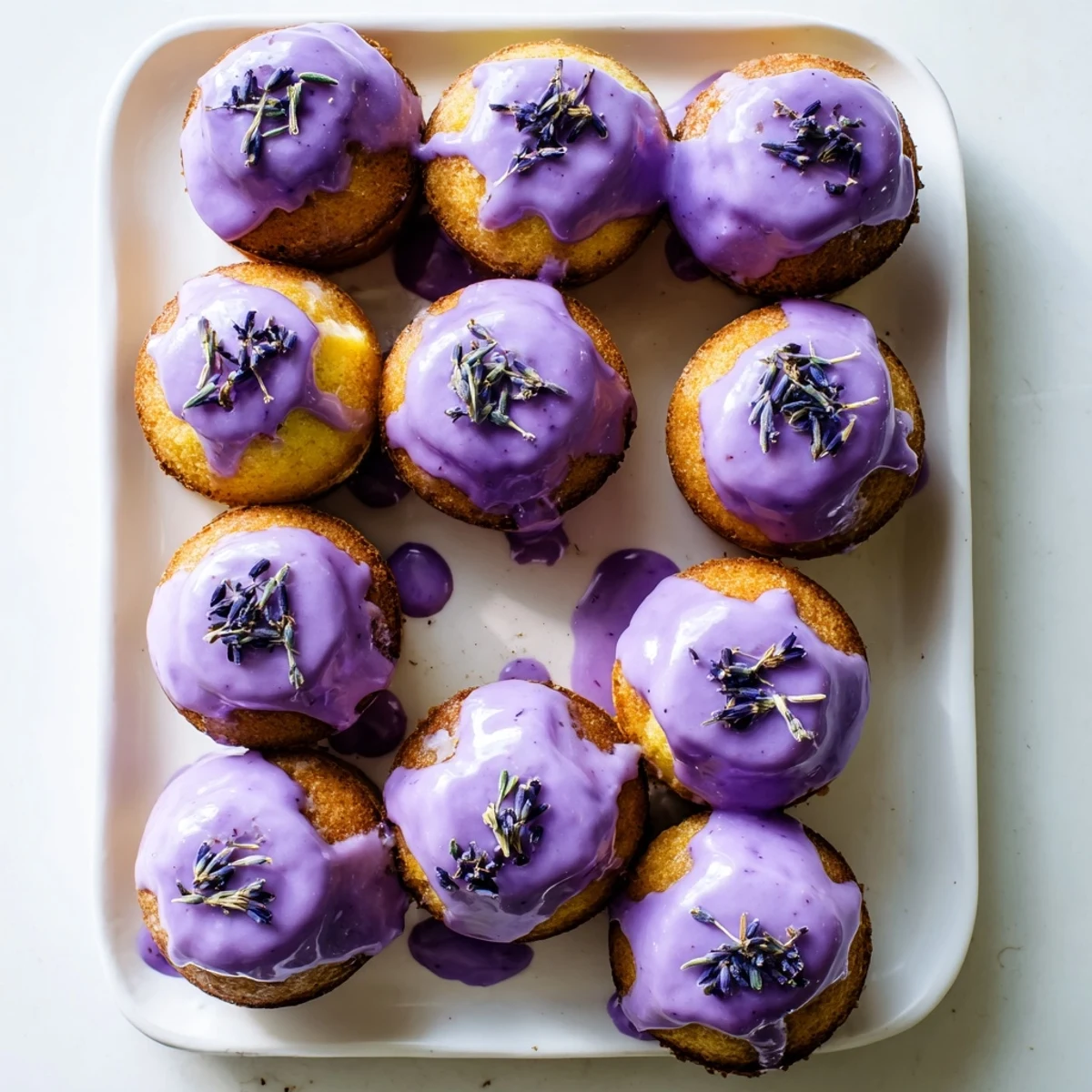
- Spoon the glaze generously over each completely cooled cake, letting it drip down the sides in these beautiful streaks.
- Add the finishing touches:
- Sprinkle with additional dried lavender buds and lemon zest strips while the glaze is still slightly tacky so they adhere.
 Save
Save My daughter helped me make these for her school bake sale last month, standing on her step stool and carefully placing each tiny lavender bud on top of the cakes. They sold out within twenty minutes, and she came home beaming, telling me everyone kept asking about the secret ingredient. Now she asks to make them together every weekend, her little hands getting better at grating the lemon zest each time.
Making The Lavender Glaze Perfect Every Time
The consistency of your glaze makes all the difference between professional looking cakes and a messy kitchen disaster. I've found that sifting the powdered sugar first prevents those tiny lumps that can ruin the smooth texture you're aiming for. If the glaze is too thick it won't drip beautifully down the sides, but too thin and it will pool underneath your cakes instead of coating them properly.
Room Temperature Ingredients Matter
There's this chemistry that happens when all your ingredients are the same temperature, creating an emulsion that results in the most tender crumb possible. I used to be impatient and skip this step, but the difference in texture is honestly remarkable when you take the time to let everything come to room temperature. Cold eggs can cause your butter to seize and curdle, which affects how the cake rises and ultimately its texture.
Storage And Serving Suggestions
These mini cakes actually develop deeper flavor if you bake them a day ahead and glaze them the morning of serving, which makes them perfect for entertaining. Store them in a single layer with parchment paper between the cakes to prevent the glaze from sticking to anything. The unfrosted cakes freeze beautifully for up to a month, just thaw them overnight and glaze fresh before serving.
- Wrap unfrosted cakes tightly in plastic wrap and freeze for unexpected guests
- Serve with Earl Grey tea to complement the lavender notes beautifully
- The glaze sets best in slightly cooler temperatures, so avoid frosting on hot humid days
 Save
Save These little cakes have become my go-to when I want to serve something that feels special and thoughtful without spending my entire day in the kitchen. There's something about the combination of bright lemon and gentle lavender that makes people slow down and really savor each bite.
Recipe FAQs
- → Can I make these mini cakes ahead of time?
-
Yes, bake the cakes up to one day in advance and store in an airtight container. Apply the lavender glaze shortly before serving for the freshest appearance and texture.
- → What type of lavender should I use?
-
Always choose culinary-grade dried lavender buds rather than lavender intended for crafts or potpourri, which may contain pesticides or bitter essential oils.
- → How do I prevent the cakes from becoming dense?
-
Mix the batter until just combined after adding the flour mixture. Overmixing develops excess gluten, resulting in tough texture. Room temperature ingredients also help create proper aeration.
- → Can I substitute regular-sized pans?
-
Yes, use a standard bundt pan or loaf pans, though baking time will increase to 35-45 minutes. Test for doneness with a toothpick inserted in the center.
- → What beverages pair well with these?
-
Chilled Moscato or Prosecco complement the citrus notes beautifully. For non-alcoholic options, Earl Grey tea enhances the lavender flavors, while sparkling water with lemon offers a refreshing contrast.
- → How should I store leftovers?
-
Keep glazed cakes at room temperature for up to two days in a covered container, or refrigerate for up to five days. Bring to room temperature before serving for optimal texture.