
 Save
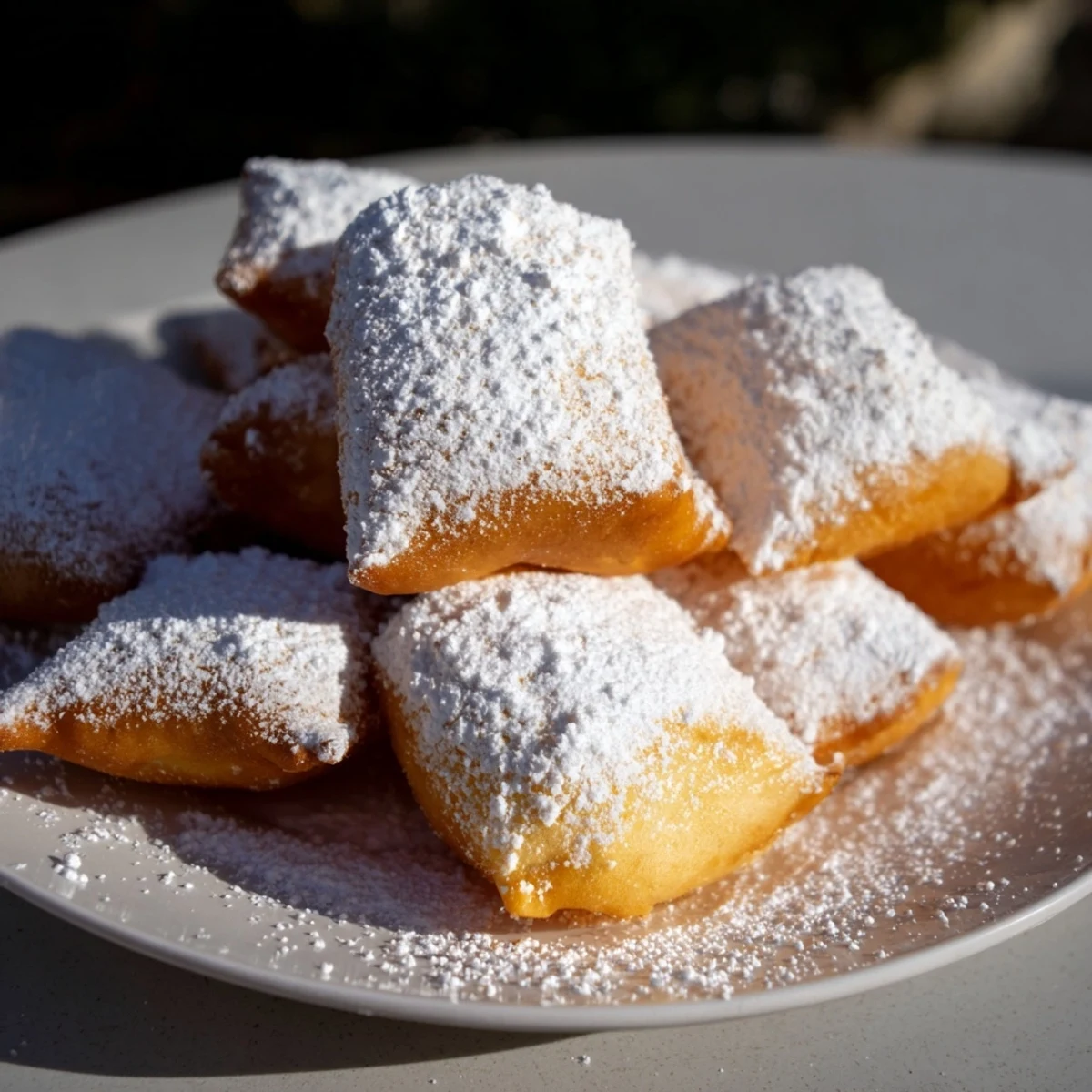
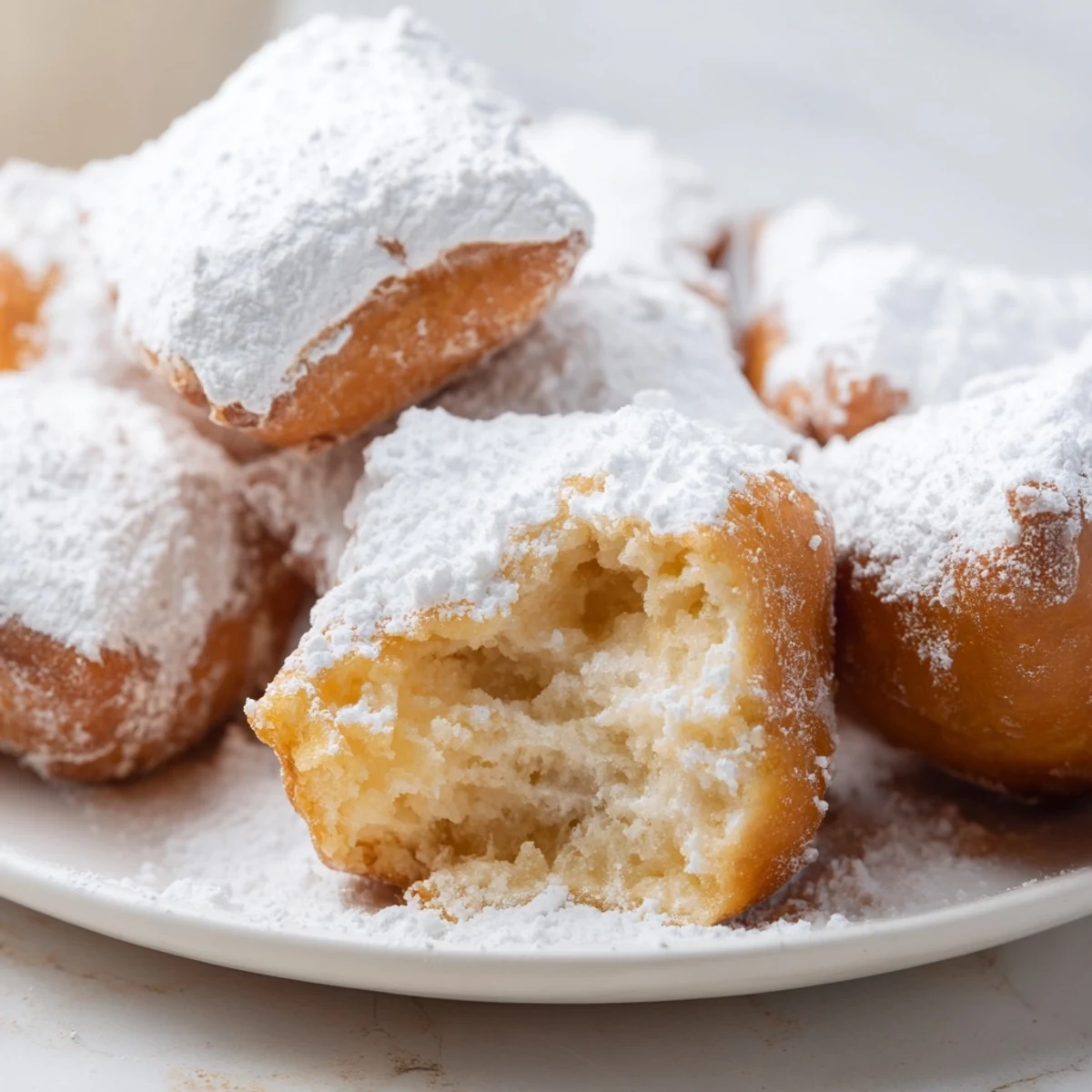
Save Discover the rich tradition of New Orleans through these pillowy fried dough squares, generously dusted with powdered sugar. Made from a softly risen dough that is fried until golden and crisp on the outside, they offer a delicate, melt-in-your-mouth texture inside. Best enjoyed fresh and warm, these treats pair beautifully with a café au lait for an authentic experience. The process involves careful proofing of the dough, precise frying at the right temperature, and a generous coating of sweet powdered sugar for the perfect finish.
The air in our tiny kitchen smelled like heaven that first Mardi Gras morning, yeast and sugar warming on the radiator while snow fell outside the window. I had never attempted fried dough before, but something about those pillowy squares called to me. My roommate stumbled in, following the scent, and asked what kind of magic I was brewing. That morning changed everything—beignets became our snow day tradition, the messy sort of breakfast that makes you feel like youre celebrating even on a Tuesday.
I remember making these for my daughters birthday sleepover, twelve sugar hungry girls crowded around the stove watching dough puff and bob in the hot oil. Powdered sugar coated every surface of the kitchen—the floor, the cabinets, even the dog. They burned their fingers grabbing beignets straight from the paper towels, laughing through powdered sugar smiles. That chaotic night taught me that the mess is absolutely worth the joy these bring to a table.
Ingredients
- All purpose flour: The structure builder here, giving these their signature pillowy texture without becoming tough
- Active dry yeast: Essential for that dramatic puff in the hot oil and the airy interior we crave
- Whole milk: Adds richness and tenderness to the dough, creating a more delicate crumb
- Granulated sugar: Not just for sweetness, this helps feed the yeast and creates that golden exterior
- Unsalted butter: Melted into the dough for subtle flavor and a softer texture
- Vegetable oil: Needs to be deep enough for the beignets to float freely while frying
- Powdered sugar: The non negotiable finishing touch that makes these instantly recognizable
Instructions
- Wake up the yeast:
- Dissolve the yeast and one teaspoon of sugar in warm water, watching it foam and bubble like a tiny science experiment
- Build the base:
- Whisk together the remaining sugar, milk, egg, melted butter, and salt until everything is perfectly blended
- Bring it together:
- Pour in the frothy yeast mixture and stir before gradually adding flour until a sticky, shaggy dough forms
- Work the dough:
- Knead on a floured surface for about five minutes until smooth and elastic, or let your stand mixer do the heavy lifting
- Let it rise:
- Place in an oiled bowl and cover, letting it double in size in a warm corner of your kitchen
- Shape the squares:
- Roll the dough to a quarter inch thickness and cut into two inch squares with a sharp knife or pizza cutter
- Heat the oil:
- Bring your oil to 350 degrees F, using a thermometer if you have one—this temperature is crucial
- Fry until golden:
- Cook in batches, turning once, until puffed and beautifully browned on both sides
- Dust generously:
- Shower warm beignets with powdered sugar and serve immediately, preferably with coffee
 Save
Save Years later, I ran into one of those sleepover girls at a coffee shop and she mentioned those beignets out of nowhere. She said she still makes them on cold mornings and thinks of that chaotic night. Food has this way of weaving itself into our memories, becoming more than just ingredients and technique. These squares of fried dough carry a whole lot of love in every bite.
The Perfect Oil Temperature
Getting the oil right makes all the difference between light, puffy perfection and heavy, greasy disappointment. I learned this the hard way during my first few attempts, rushing the heating process and ending up with dough that soaked up oil like a sponge. Now I always use a thermometer and give the oil plenty of time to stabilize before dropping in that first square of dough.
Rolling and Cutting
A quarter inch thickness might seem thin, but remember these will puff dramatically in the hot oil. I used to cut them thicker, thinking more dough meant more to love, but they ended up raw in the middle or burnt outside. A sharp knife or pizza cutter gives clean edges that help the beignets rise evenly without odd shapes.
Serving and Storing
Beignets really are best the moment they come out of the oil, still warm and covered in that fresh snowy layer of sugar. If you absolutely must save some, spread them on a baking sheet and reheat at 350 degrees F for a few minutes to recrisp. Leftovers keep in an airtight container for a day, though the texture will never quite match fresh.
- Have your powdered sugar in a sifter or shaker for even coverage
- Cafe au lait is the traditional pairing but hot chocolate works beautifully too
- Set up a draining station with paper towels before you start frying
 Save
Save There is something deeply satisfying about making these from scratch, watching simple ingredients transform into something that feels like celebration. May your kitchen be filled with sugar, laughter, and the unmistakable scent of New Orleans.
Recipe FAQs
- → What makes New Orleans style beignets unique?
-
Their light, pillowy texture created by a well-proofed dough and the generous dusting of powdered sugar make these beignets distinctive and delicious.
- → How long should the dough rise before frying?
-
The dough should rise for about 1 to 1.5 hours until it doubles in size, ensuring a fluffy and airy texture.
- → What oil temperature is best for frying beignets?
-
Maintaining the oil at 350°F (175°C) ensures the beignets cook evenly, becoming golden and crispy without absorbing excess oil.
- → Can I add extra flavors to the dough?
-
Yes, adding vanilla extract or a pinch of nutmeg can enhance the flavor of the dough subtly.
- → How should beignets be served for best taste?
-
Serve warm with a generous dusting of powdered sugar and pair with café au lait for an authentic New Orleans experience.