
 Save
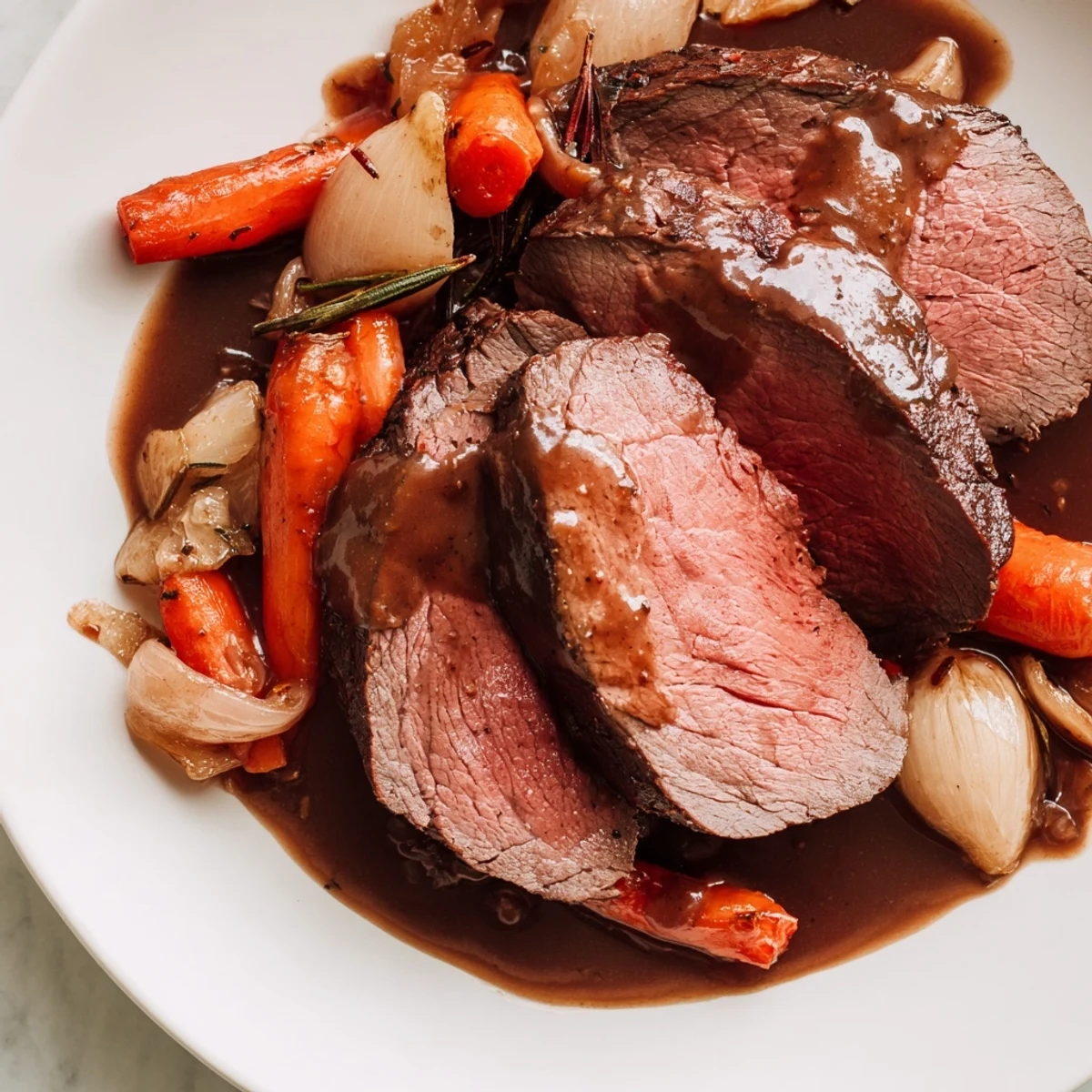
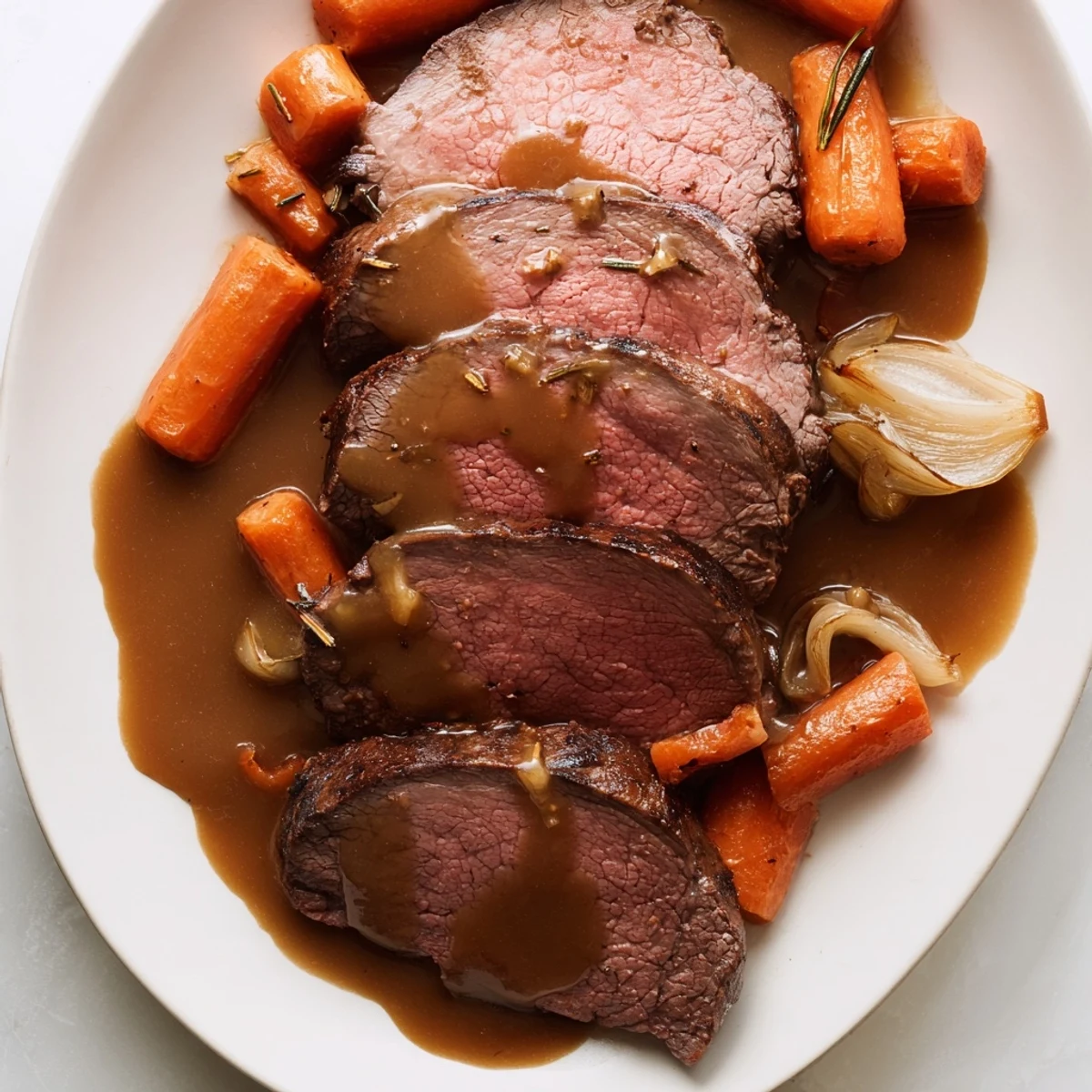
Save This dish features succulent beef sirloin roasted to perfection with rosemary, thyme, and garlic. The beef rests after roasting to retain juices while vegetables roast beneath. A rich gravy is prepared by creating a buttery roux, then whisking in beef stock and optional red wine, thickening to a smooth finish. Slice and serve the tender meat alongside the flavorful vegetables and luscious gravy for a comforting and satisfying meal. Ideal for gatherings and special occasions.
There's something about the smell of a roasting beef that fills a kitchen with a kind of quiet confidence. Years ago, I watched my grandmother pull a perfectly bronzed roast from the oven on Christmas Day, and the way she let it rest on the counter while she made the gravy taught me that patience here isn't just technique—it's respect for the meat. Now whenever I roast beef, I chase that same feeling: the sizzle of hot pan, the aroma of rosemary and thyme mingling with caramelized onions, and the knowing that something special is coming together.
I made this for my brother's first dinner party in his new place, and he was nervous about impressing his friends. By the time that roast came out, golden and steaming, the whole apartment smelled like a proper restaurant, and his confidence went through the roof. The best part? He told me later that people kept asking for the recipe, and he got to say he'd made it himself.
Ingredients
- Beef sirloin or rib roast (1.5 kg): The size matters—you want enough for six people, but thin spots cook faster than thick ones, so a roast with even thickness is your friend.
- Olive oil and kosher salt: Pat the beef completely dry first; any moisture will steam instead of sear, and you won't get that gorgeous crust.
- Black pepper, rosemary, thyme, and garlic: These aren't just seasoning—they perfume the entire pan as everything roasts, building layers of flavor in the gravy later.
- Onions, carrots, and celery: They're not sides here; they're flavor foundations that soften into the pan drippings and create the base for your gravy.
- Butter and flour: Keep these unsalted and fresh—the roux needs to cook out its raw taste before you add the liquid.
- Beef stock and red wine: The wine adds depth and a slight sweetness that balances the savory richness; it's optional but truly worth it.
Instructions
- Get everything ready:
- Pull your beef out to sit at room temperature for about an hour before cooking—it'll roast more evenly. Pat it completely dry with paper towels and don't skip this step; wet meat won't brown properly.
- Sear in a hot oven:
- Start at 220°C to build that golden crust quickly. Arrange your vegetables around the beef so they catch some of that heat and start to caramelize.
- Lower the heat and take your time:
- After twenty minutes, drop to 180°C and let the beef coast. Use a meat thermometer—it removes all guessing, and 54°C inside means medium-rare with a warm pink center.
- Let it rest without rushing:
- Twenty minutes on a cutting board, loosely tented with foil, lets the juices redistribute so the meat stays juicy when you slice it. This is non-negotiable.
- Build the gravy in the hot pan:
- While the beef rests, melt butter and whisk in flour right where all those browned bits are stuck to the pan. That's liquid gold waiting to happen.
- Whisk and simmer until silky:
- Add stock gradually, scraping up everything stuck to the bottom. Watch it thicken, taste as you go, and season boldly—gravy needs salt to shine.
 Save
Save I remember my first roast beef disaster—I sliced it the moment it came out of the oven, proud and impatient, and the juices ran all over the plate instead of staying in the meat. But that mistake taught me something that changed everything: a resting roast is a roast that respects itself, and when you respect the meat, everyone knows it by the first bite.
The Crust Is Everything
That initial twenty minutes at high heat isn't about cooking the beef through—it's about sealing the surface and creating a flavor layer that makes people close their eyes when they taste it. I've learned that the difference between a good roast and a magnificent one is how seriously you take that sear. Get your pan hot, get your beef dry, and don't move it around; let the heat do its job and trust the process.
Vegetables as Vessels
The onions, carrots, and celery aren't an afterthought—they're roasting right alongside the beef, absorbing all its juices and flavors, and by the end they've become almost sweet and completely tender. I've learned to cut them into generously sized chunks so they don't fall apart, and to nestle them right under and around the roast where they catch the heat. Some people eat them; some people leave them, but they've already given their flavor to everything else, so they've done their job either way.
Building a Gravy Worth Talking About
There's a moment when you're standing at the stove with a wooden spoon, scraping up all those caramelized bits from the roasting pan, and you realize you're basically making liquid gold—all the flavor of the roast concentrated into something pourable. The roux (butter and flour cooked together) might seem fussy, but it's what transforms a loose pan sauce into something silky that clings to the beef and makes every bite better. Don't rush the whisking, taste as you go, and remember that salt is your friend here.
- If you don't have red wine, use a splash of water mixed with a teaspoon of vinegar to get that slight acidity.
- Strain the gravy if you want it smooth, or leave the little flecks if you like the rustic look and texture.
- Make extra—people always want more, and it keeps beautifully for a few days in the refrigerator.
 Save
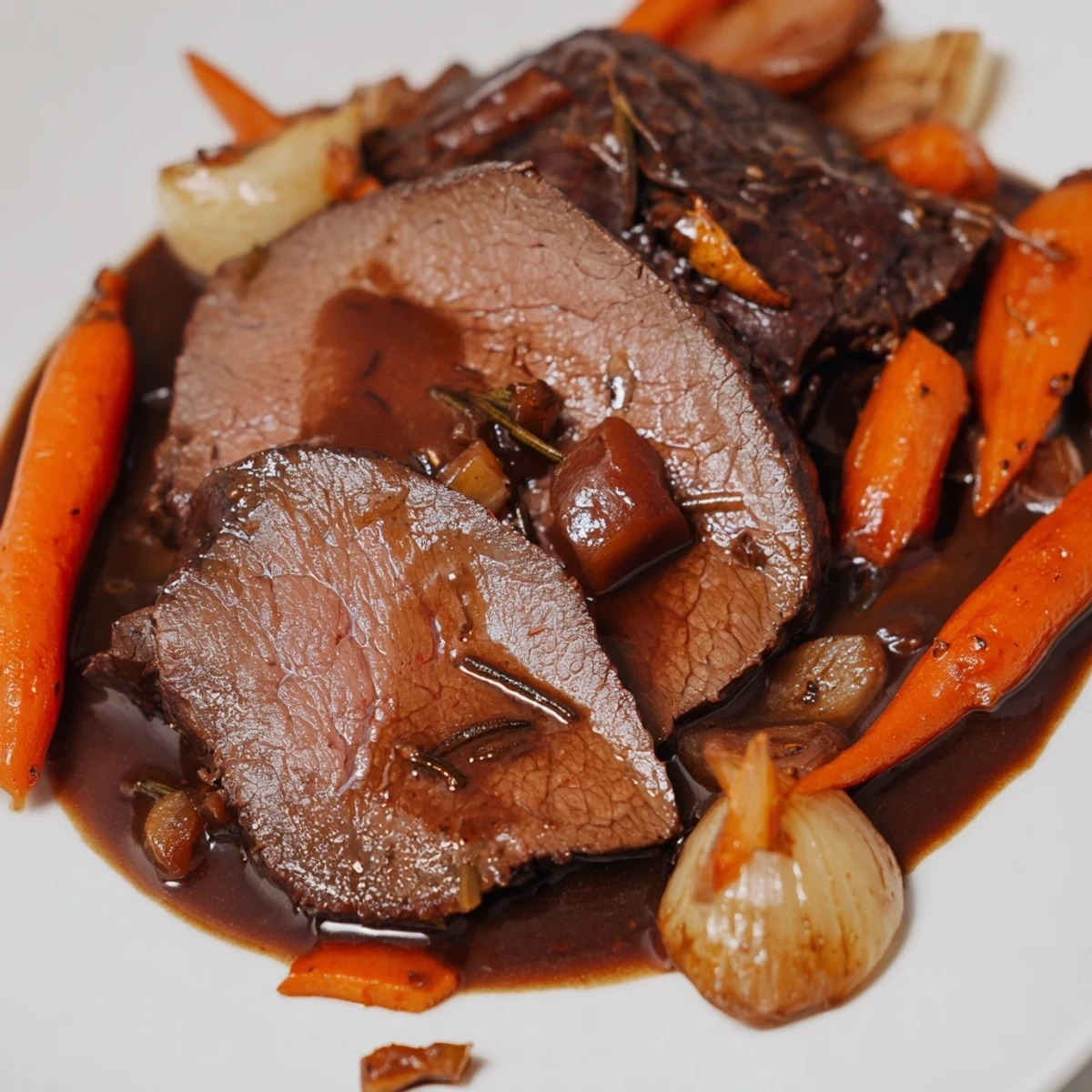
Save This roast has become my go-to for any moment that needs to feel a little bit special—not because it's complicated, but because it tastes like you cared. There's something honest about cooking meat and vegetables simply, letting them become themselves, and sharing that with people you want to feed well.
Recipe FAQs
- → How do I ensure the beef stays tender during roasting?
-
Pat the beef dry before rubbing with oil and seasonings. Resting the meat 20 minutes after roasting helps retain juices for a tender texture.
- → What herbs work best with roasted beef?
-
Fresh rosemary and thyme complement beef's rich flavor and infuse the meat and vegetables during roasting.
- → Can I prepare the gravy without red wine?
-
Yes, red wine is optional. The gravy will still be flavorful using just beef stock, butter, and flour.
- → What’s the best way to thicken the gravy?
-
Cooking butter and flour into a roux before adding stock creates a smooth, thick base for a rich gravy.
- → How should vegetables be prepared under the beef?
-
Quarter onions and cut carrots and celery into chunks. They roast beneath the beef, absorbing juices for enhanced flavor.