
 Save
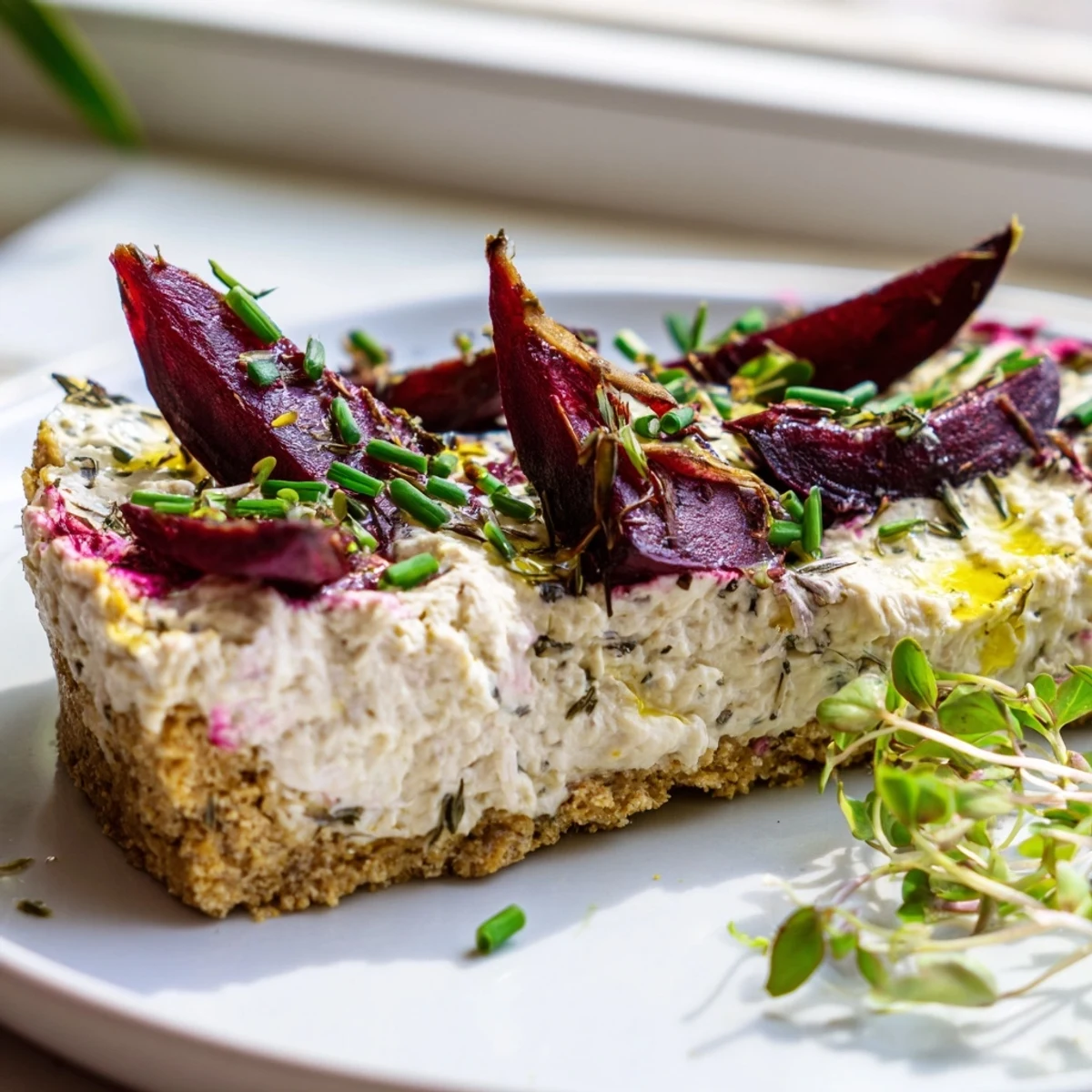
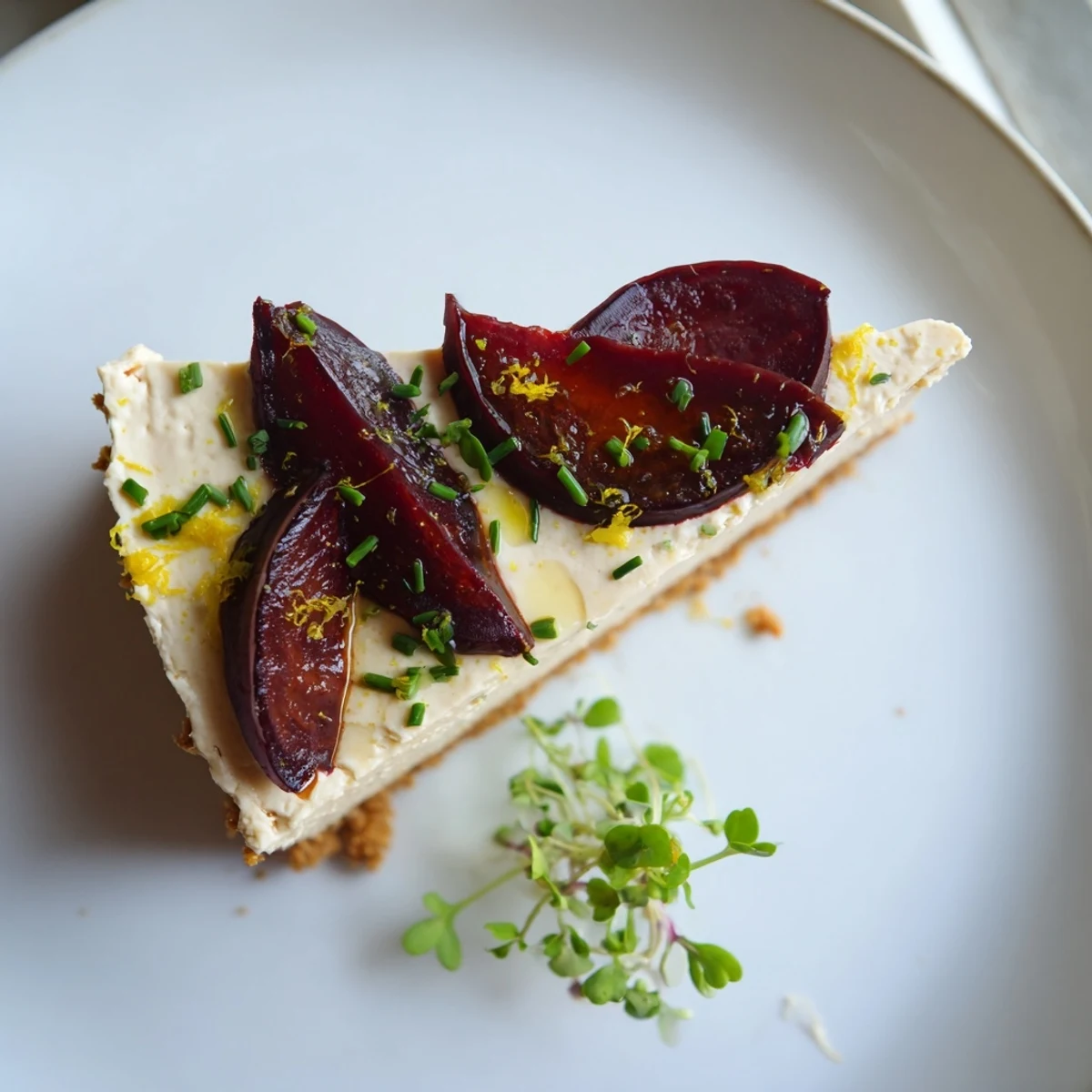
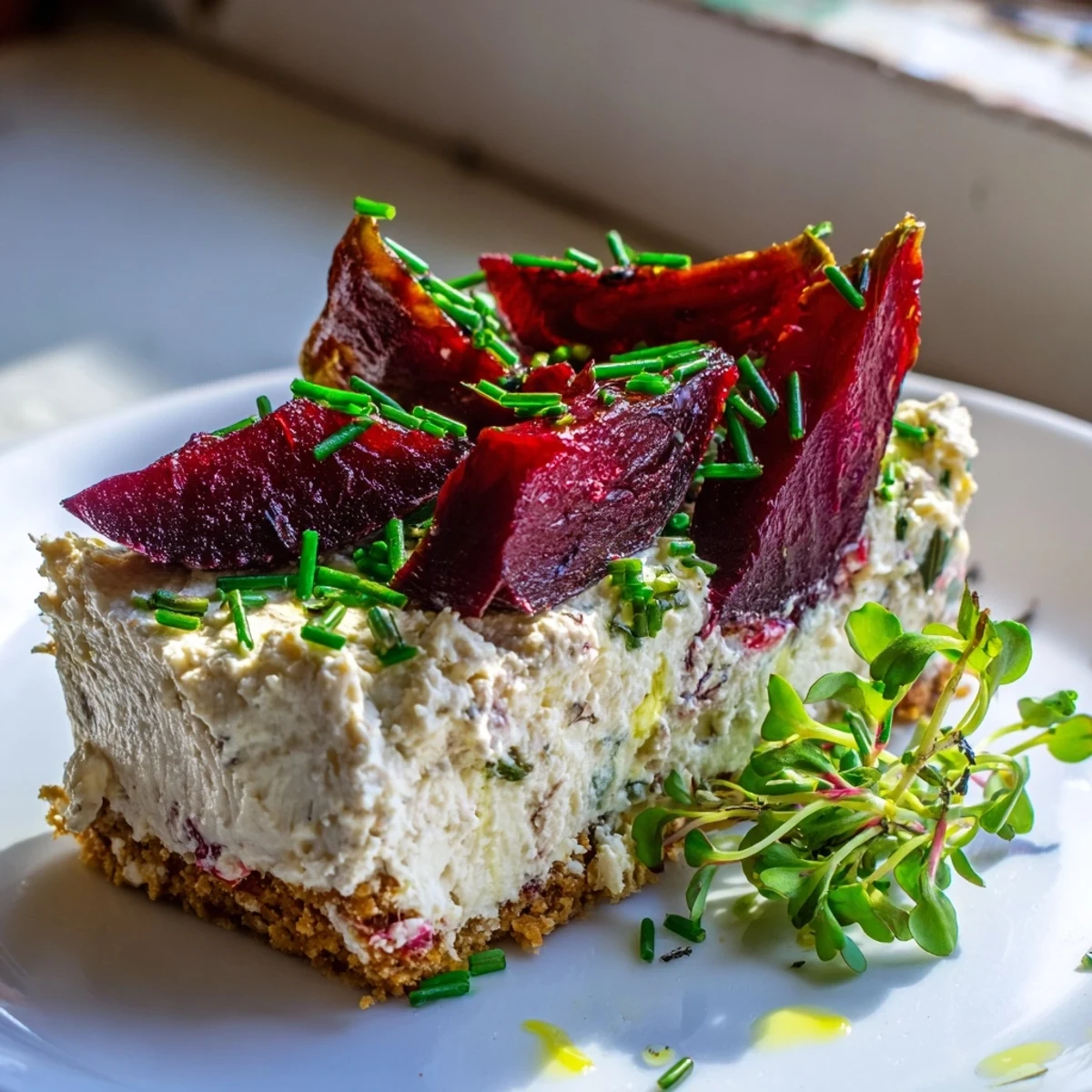
Save This elegant savory cheesecake combines the rich creaminess of cream cheese, ricotta, and aged cheddar or Gruyère with the natural sweetness of roasted beetroot. The wholemeal cracker crust provides a satisfying crunch, while fresh thyme and lemon zest brighten each bite. After chilling to set perfectly, top with caramelized beetroot wedges, chives, and microgreens for a stunning presentation that works beautifully as a dinner party appetizer or light vegetarian main course.
The first time I served this at a dinner party, my guests looked genuinely confused when I placed a cheesecake on the table after the main course. Then someone took a bite and the room went quiet followed immediately by oh, this is savory. That moment of delighted confusion has become one of my favorite things about cooking this dish.
Last autumn I made this for a friend who claimed to hate both cheesecake and beetroots. She texted me at midnight that night asking for the recipe because she could not stop thinking about it. Sometimes the best converts are the skeptical ones.
Ingredients
- 150 g wholemeal crackers: These create a nutty, substantial base that holds up beautifully against the creamy filling. Digestive biscuits work wonderfully too if that is what you have.
- 60 g unsalted butter: Melted gently so it binds everything together without seizing. The quality of butter matters here since the crust is simple.
- 1/2 tsp sea salt: Just enough to make the crust sing and bridge into the savory filling.
- 400 g cream cheese: Must be room temperature or you will end up with lumps. I learned this the hard way once.
- 200 g ricotta cheese: Adds lightness and a lovely Italian dairy sweetness that complements the sharper cheeses.
- 100 g grated mature cheddar or Gruyère: This is where the serious flavor lives. Go for something aged with real personality.
- 2 large eggs: Also at room temperature. They bring everything together into that silky cheesecake texture we love.
- 1 tablespoon fresh thyme leaves: Fresh herbs are non-negotiable here. Dried thyme would be sad and dusty in comparison.
- Zest of 1 lemon: Use a micrograter if you have one. You want the fragrant oils, not the bitter white pith.
- 3 medium beetroots: Look for firm ones with fresh looking greens. The sweetness level varies by beet, so taste after roasting.
- 2 tbsp olive oil and 1 tbsp balsamic vinegar: The magic combo that transforms beets into something extraordinary.
- Fresh chives and microgreens: These are not just garnish. They add essential fresh notes and a gorgeous color contrast.
Instructions
- Build the foundation:
- Preheat your oven to 180°C (350°F) and line a 20 cm springform pan with parchment paper. Blitz those crackers into fine crumbs, mix with melted butter and that half teaspoon of sea salt, then press the mixture firmly into the bottom of your pan. Bake for 10 minutes until it smells toasty and wonderful.
- Create the silky filling:
- In a large bowl, blend the cream cheese, ricotta, and grated cheese until absolutely smooth. Add the eggs one at a time, mixing thoroughly after each addition. Stir in the thyme leaves, lemon zest, pepper, and remaining salt until everything is harmoniously combined.
- Bake with patience:
- Pour the filling over your cooled crust and smooth the top. Bake for 40 to 45 minutes until the center is just set with a slight wobble, like a gentle wave. Let it cool to room temperature, then chill for at least 2 hours or preferably overnight. The texture improves dramatically with rest.
- Roast the beetroots:
- Toss the beet wedges with olive oil, balsamic vinegar, salt, and pepper. Spread them on a roasting tray and bake at 200°C (400°F) for 30 to 35 minutes until tender and caramelized at the edges. Let them cool slightly before serving.
- Assemble and serve:
- Release the cheesecake from the pan and arrange those gorgeous roasted beets on top. Scatter fresh chives and microgreens over everything, then finish with a generous drizzle of your best olive oil. Serve chilled or at room temperature and watch people fall in love.
 Save
Save My mother now requests this for every family gathering, which is funny considering she used to tell me that beetroots tasted like dirt. Watching her go back for thirds has been one of the quiet victories of my cooking life.
Make It Your Own
Once you have the basic technique down, this recipe welcomes beautiful variations. Goat cheese instead of cheddar creates a brighter, tangier version that sings in springtime. Add roasted garlic to the filling for depth that lingers.
Wine Pairing Magic
A crisp Sauvignon Blanc cuts through the richness beautifully while echoing the herbal notes. Pinot Gris works wonderfully too, especially if you have gone heavier on the balsamic with those roasted beets.
Serving Suggestions
This works as a stunning appetizer or surprisingly satisfying light main. I have served it alongside a simple green salad dressed with nothing but lemon juice and good oil. The freshness balances the creaminess perfectly.
- Use the sharpest knife you own for clean slices
- Let it sit at room temperature for 20 minutes before serving if chilled
- The beets can be roasted a day ahead and reheated gently
 Save
Save There is something deeply satisfying about serving a dish that looks like dessert but tastes like dinner. The surprise never gets old.
Recipe FAQs
- → Can I make this cheesecake ahead of time?
-
Yes, this cheesecake actually improves when made ahead. It needs to chill for at least 2 hours, but preferably overnight. The flavors develop and the texture becomes firmer, making it perfect for preparing the day before your event.
- → What other cheeses work well in the filling?
-
While cheddar and Gruyère provide excellent depth, you can substitute goat cheese for a tangier profile, Parmesan for extra umami, or even crumbled blue cheese for a bolder variation. Keep the cream cheese and ricotta as your base for the proper texture.
- → How do I know when the cheesecake is done baking?
-
The cheesecake is ready when the edges are set but the center still has a slight wobble when you gently shake the pan. It will continue to firm up as it cools and chills. Overbaking may cause cracking, so watch carefully after 40 minutes.
- → Can I use other vegetables instead of beetroot?
-
Absolutely. Roasted butternut squash, caramelized onions, roasted red peppers, or even sun-dried tomatoes work wonderfully. The key is using vegetables that roast well and complement the creamy, savory cheese filling.
- → Is this suitable for vegetarians?
-
Yes, this cheesecake is vegetarian-friendly. Just ensure your crackers are vegetarian (some contain animal-derived enzymes). For a gluten-free version, simply swap the crackers for gluten-free alternatives.
- → What should I serve with this cheesecake?
-
A crisp green salad with vinaigrette balances the richness perfectly. It also pairs beautifully with crusty bread, roasted vegetables, or as part of a larger mezze spread. A chilled Sauvignon Blanc or Pinot Gris complements the flavors wonderfully.