
 Save
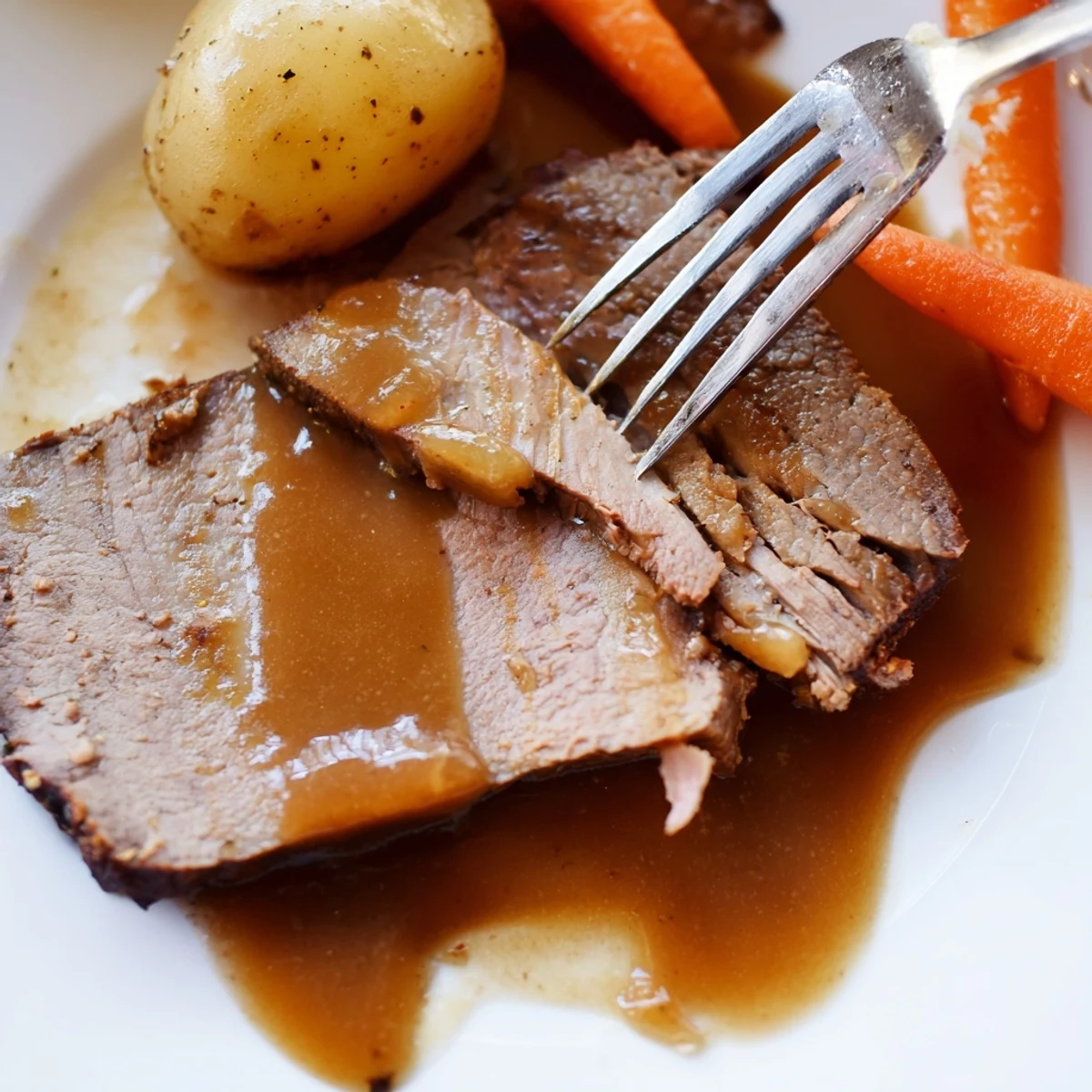
Save This slow cooker dish features a tender beef chuck roast seasoned with thyme, rosemary, salt, and pepper, then seared before slow cooking atop baby potatoes, carrots, onion, and garlic. A mix of beef broth, tomato paste, and Worcestershire sauce adds depth, while a cornstarch slurry thickens the resulting juices into a rich, savory gravy. Perfectly balanced and comforting, this meal requires minimal prep and delivers a melt-in-your-mouth experience with hearty vegetables and luscious sauce.
There's something about the smell of a pot roast that fills a kitchen with the kind of warmth you can't quite manufacture any other way. My grandmother had a slow cooker that seemed permanently stationed on her counter, and I'd arrive on winter Sundays to find it bubbling away, transforming a humble chuck roast into something so tender it practically dissolved on your tongue. She never fussed much about technique—just good beef, honest vegetables, and time. That's the beauty of this dish: it asks very little of you but rewards you generously.
I made this for my partner during our first winter together, and I remember standing at the stove searing the roast while he set the table without being asked. When we finally sat down eight hours later, he took one bite and went quiet—the good kind of quiet. He's never let me make anything else when it gets cold outside since.
Ingredients
- Beef chuck roast (3 lb): Chuck roast is where the slow cooker shines; the fat and connective tissue break down into gelatin that makes the broth silky and the meat impossibly soft.
- Baby potatoes (1½ lb, halved): Halving them ensures they cook at the same pace as the larger vegetable pieces; whole potatoes can turn to mush.
- Carrots (4 large, 2-inch pieces): Cut them uniform so they cook evenly, and they'll turn into sweet, tender bites that soak up all the savory broth.
- Yellow onion (1 large, wedges): Onions form the aromatic base that deepens everything else; don't skip them or mince them too fine.
- Garlic (3 cloves, minced): Mince it fresh rather than using jarred; the difference in flavor is noticeable and worth three minutes of knife work.
- Kosher salt and black pepper (2 tsp and 1 tsp): Season boldly at the start; the slow cooking mellows spices, so you need enough to carry through.
- Dried thyme and rosemary (1 tsp each): These herbs are forgiving and build a savory backbone; dried works perfectly here since they have hours to infuse.
- Beef broth (2 cups): Use a good quality broth—it becomes your gravy base, so watery broth makes watery gravy.
- Tomato paste (2 tbsp): This adds umami depth and slight acidity that keeps the dish from feeling flat; don't skip it.
- Worcestershire sauce (2 tbsp): The tangy, salty notes cut through the richness and add complexity; check the label if you're cooking gluten-free.
- Cornstarch and cold water (2 tbsp each): This slurry is your gravy thickener; mixing it with cold water first prevents lumps.
Instructions
- Season the beef generously:
- Cover all sides of your roast with salt, pepper, thyme, and rosemary as if you're giving it a massage. This isn't the time to be shy; the seasoning is your entire flavor foundation.
- Sear it until it's deeply browned:
- Heat your skillet until it's hot enough that the roast sizzles aggressively when it hits the pan. You're looking for a dark, caramelized crust on each side—about 2–3 minutes per side. This step builds flavor through something called the Maillard reaction, and skipping it is a tragedy.
- Build your vegetable base:
- Scatter potatoes, carrots, and onion across the bottom of your slow cooker, then sprinkle garlic over them. These vegetables will cradle your roast and absorb all the rich, savory liquid.
- Nestle the roast on top:
- Place the seared roast directly onto the vegetables. It should sit snugly but not be crammed in.
- Combine the braising liquid:
- Whisk together beef broth, tomato paste, and Worcestershire sauce in a bowl until the tomato paste is fully incorporated and there are no lumps. Pour this mixture over and around the roast—it won't cover everything, and that's fine.
- Let time do the work:
- Cover the slow cooker and set it to low. Walk away for 8 hours. Resist the urge to peek constantly; every time you lift the lid, you add 15–20 minutes to the cooking time.
- Extract the roast and vegetables:
- Using a slotted spoon or tongs, transfer the roast and vegetables to a clean plate or platter. Cover them loosely with foil to keep warm while you make the gravy.
- Skim the fat:
- Use a spoon or ladle to remove excess fat from the surface of the braising liquid. You're not trying to remove every trace of fat—just the slick layer on top. A little fat is flavor.
- Make your gravy slurry:
- In a small bowl, whisk cornstarch and cold water together until smooth. This slurry is your secret weapon for silky, lump-free gravy.
- Thicken the gravy:
- Switch your slow cooker to high and stir the cornstarch slurry into the hot liquid. Stir occasionally as it bubbles away, and within 5–10 minutes, you'll watch it transform from thin broth into rich, glossy gravy that coats the back of a spoon.
- Plate it and serve:
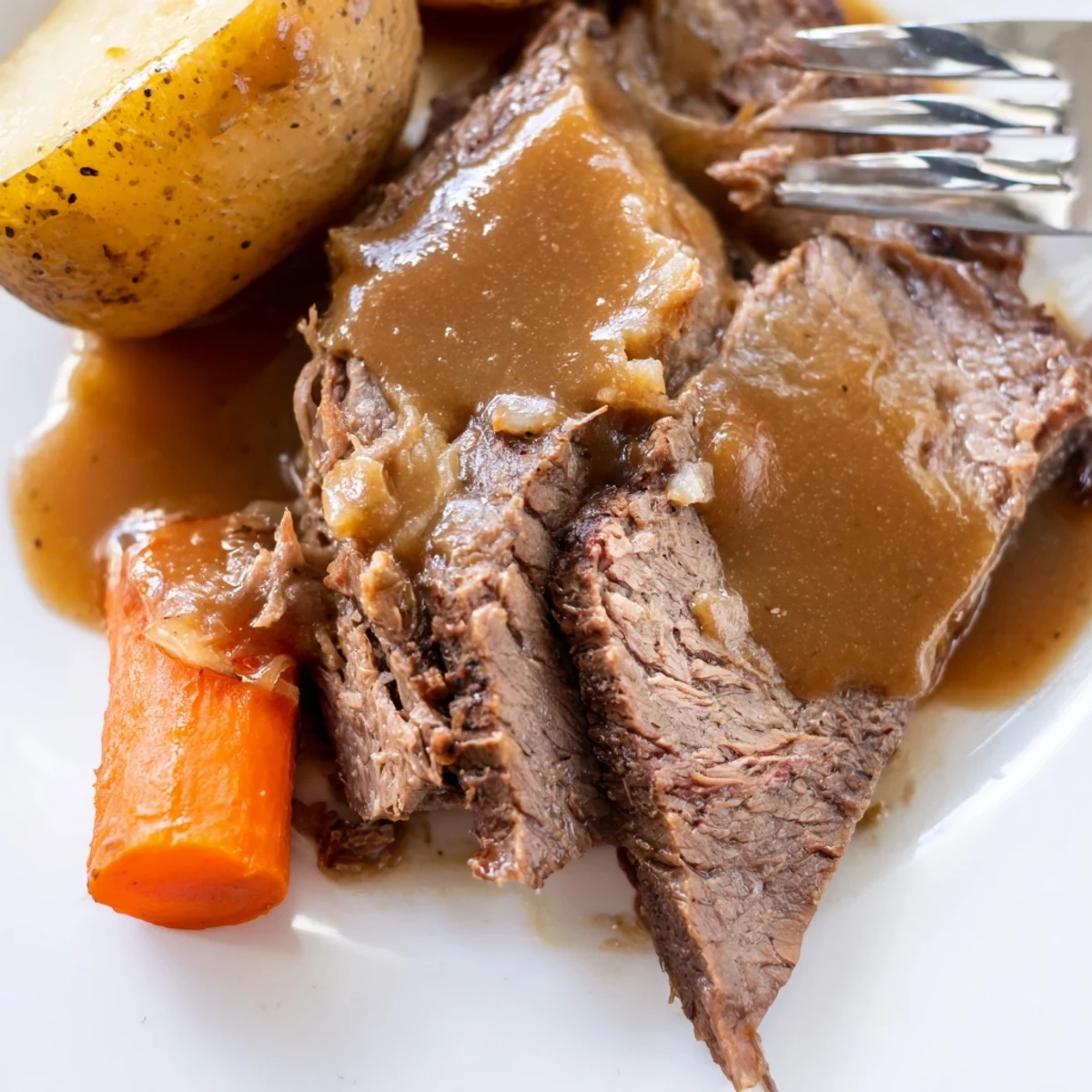
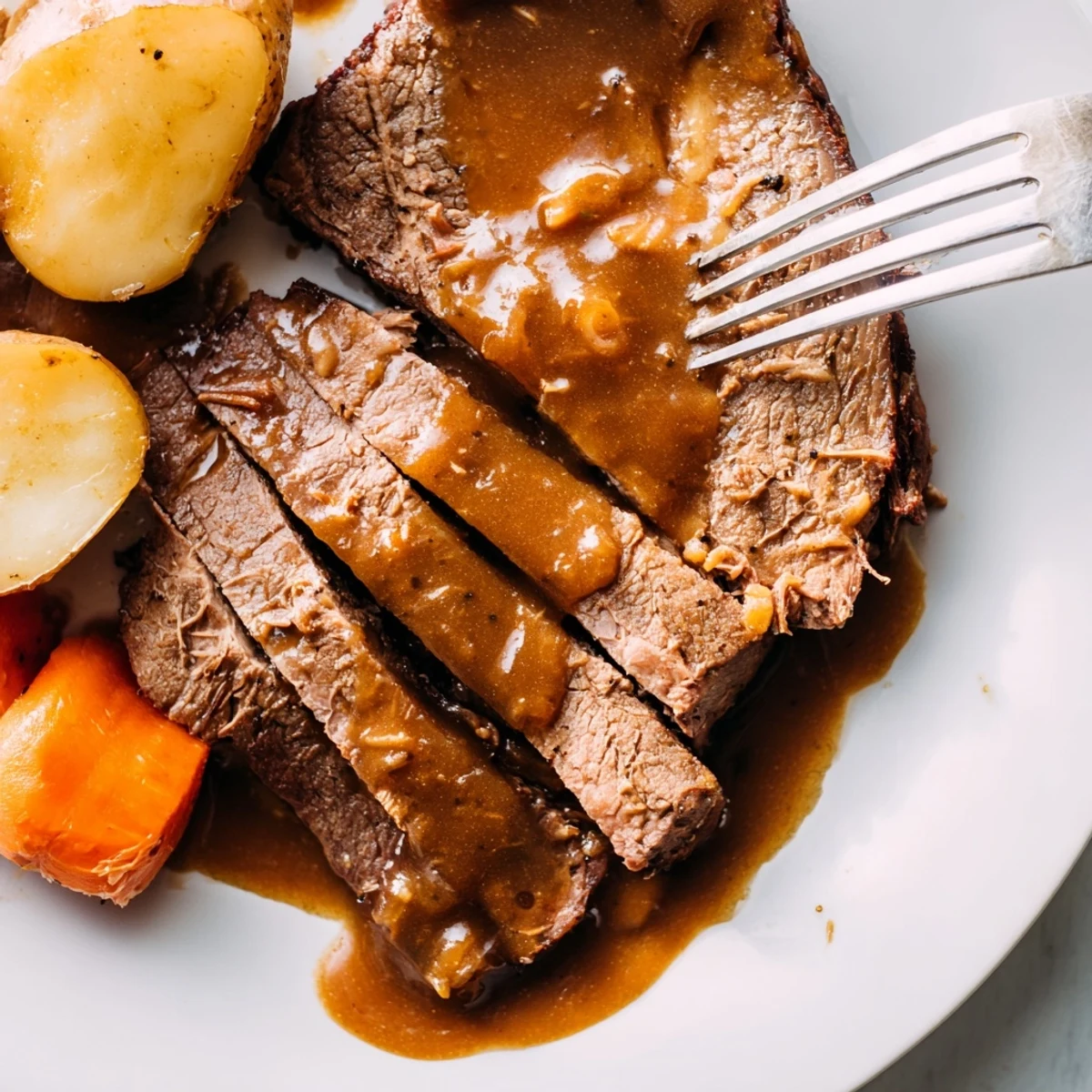
- Slice or shred your roast, arrange it on a platter with the vegetables, and spoon that golden gravy over the top. The moment when someone tastes this is the moment you know you've done something right.
 Save
Save Last spring, my mother told me she'd been making this pot roast every winter for thirty years, and I realized she was passing something down that had nothing to do with ingredients. It was about creating a reason to gather, about filling a house with smells that said someone cared enough to spend the day cooking.
Why Slow Cooking Changes Everything
A slow cooker isn't lazy cooking; it's patient cooking. The gentle, sustained heat breaks down the collagen and connective tissue in the chuck roast over hours, turning what would be a tough cut of meat into something so tender you barely need teeth. The vegetables don't just soften—they absorb the broth, becoming sweet and deeply savory in ways they never would on a stovetop. The braising liquid becomes something richer than the sum of its parts, a natural gravy that rivals anything made from scratch on the stove.
Variations That Keep It Interesting
Once you understand the basic formula, you can improvise with confidence. A splash of red wine added with the broth brings a subtle complexity that feels almost fancy, while parsnips or turnips swapped in for some of the carrots add an earthiness that changes the whole character of the dish. I've made versions with root celery, with extra garlic, with a pinch of smoked paprika—and every version has been welcome.
Serving and Storage
Serve this pot roast with crusty bread to soak up every drop of gravy, or with creamy mashed potatoes if you want something that melts into all that richness. Leftovers are a gift—the flavors actually deepen overnight, and the roast reheats beautifully in a low oven wrapped in foil. Store everything in an airtight container for up to three days, and you'll find yourself eating it cold straight from the fridge at midnight, which is somehow even better.
- Make extra gravy on purpose; it's too good to have just barely enough.
- If your vegetables are done before eight hours have passed, remove them early and set them aside to reheat at the end.
- Gluten-free? Check both your broth and Worcestershire sauce labels—most are, but confirmation takes 30 seconds and saves regret.
 Save
Save Pot roast teaches you that some of the best things in life require nothing but time and attention. This is comfort food that never goes out of style.
Recipe FAQs
- → What cut of beef is best for this dish?
-
Beef chuck roast is ideal as it becomes tender and flavorful during slow cooking.
- → Can I substitute vegetables in the dish?
-
Yes, parsnips or turnips can replace some carrots for added variety and flavor.
- → How do I thicken the gravy?
-
Whisk cornstarch with cold water to make a slurry and stir it into the cooking liquids, then cook until thickened.
- → Is searing the beef necessary?
-
Searing locks in juices and adds a rich browned flavor before slow cooking.
- → Can this dish accommodate gluten-free diets?
-
Yes, use gluten-free Worcestershire sauce and beef broth to keep it gluten-free.