
 Save
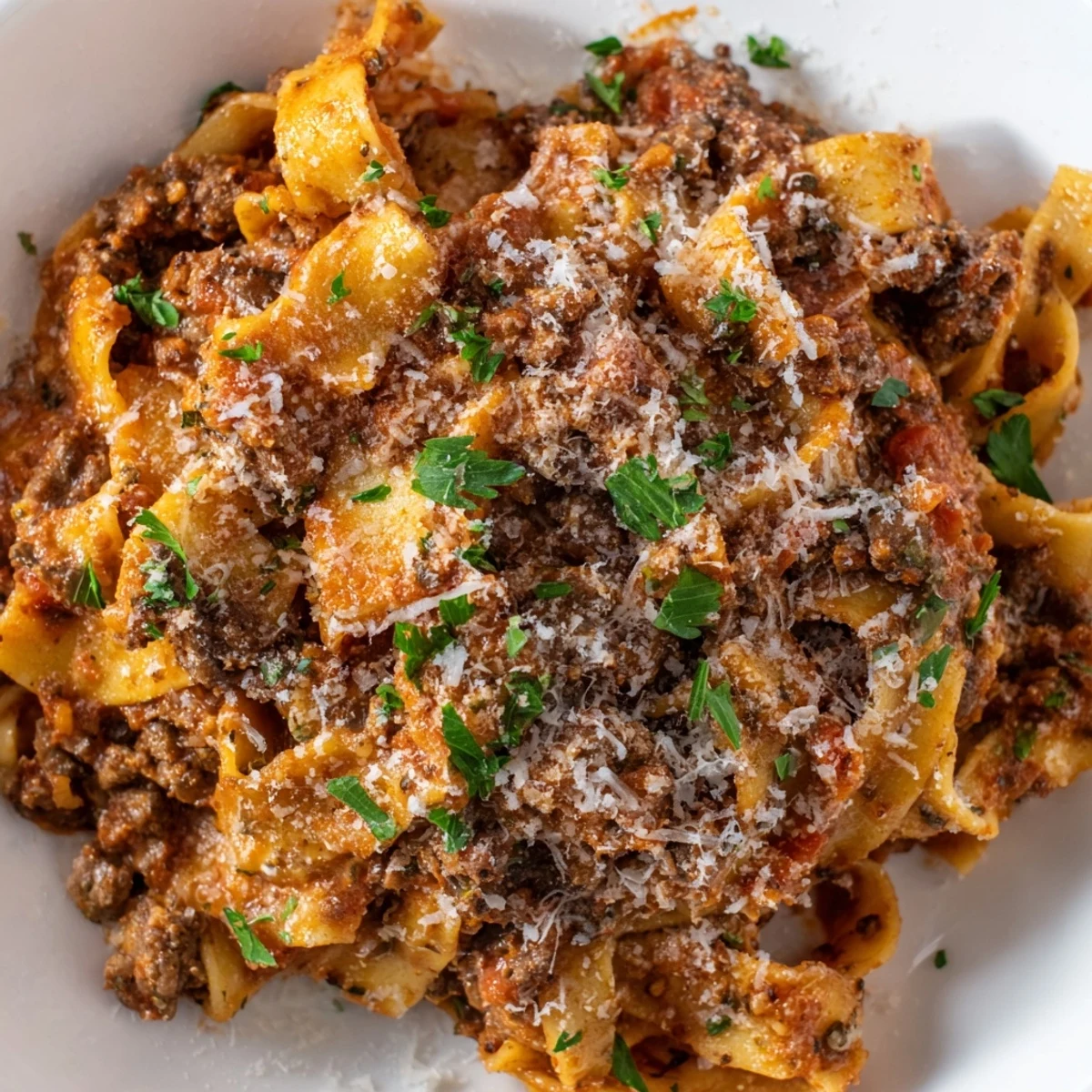
Save This slow-cooked Italian sauce combines ground beef, sausage, and a medley of aromatics simmered over hours to unlock deep flavors. Tomatoes, red wine, and herbs meld into a rich, hearty broth. Finishing with milk or cream softens the sauce, while fresh parsley and Parmesan add bright, savory notes. Ideal for serving over pasta, it offers a comforting, gluten-free option when paired accordingly. Slow simmering ensures a balanced, flavorful sauce perfect for gatherings or weeknight dinners.
There's something almost magical about walking into the kitchen eight hours after you've set a slow cooker to work and being met with that unmistakable aroma of simmering meat, wine, and tomatoes. My neighbor once joked that I was running a trattoria from my house, and honestly, I didn't mind the compliment. This ragu taught me that patience in cooking isn't a burden—it's the whole point, letting time do what your wooden spoon never could.
I made this for a small dinner party on a rainy Sunday, and watching my guests twirl pasta and close their eyes on the first bite—that's when I realized sauce isn't just flavor, it's a moment you're sharing. Someone asked for the recipe that night, and I realized I'd been keeping it to myself long enough.
Ingredients
- Ground beef (80/20 blend): The fat ratio matters more than you'd think; it keeps the sauce silky instead of lean and grainy as it simmers for hours.
- Italian sausage: This is your secret weapon for depth; remove the casings so it breaks up and distributes evenly throughout.
- Onion, carrots, and celery: The holy trinity that builds flavor from the ground up; don't rush the sautéing step.
- Garlic: Fresh and minced, added after the vegetables so it doesn't burn and turn bitter.
- Crushed tomatoes: Canned is perfectly fine here; look for ones without added sugar if you prefer to control the sweetness yourself.
- Tomato paste: Concentrate of flavor; stir it into the meat before adding liquids so it coats everything evenly.
- Dry red wine: Use something you'd drink; the alcohol cooks off, leaving behind complexity and body that water or broth alone cannot give.
- Beef or chicken broth: Adds savory depth and helps the sauce reach the right consistency after hours of slow cooking.
- Dried herbs (oregano, basil, thyme): Low and slow cooking melds these beautifully; fresh herbs would fade, so dried are actually better here.
- Bay leaf: Subtle but essential; always remove before serving or someone will have a very unpleasant surprise.
- Salt, pepper, and red pepper flakes: Season as you go, but save final adjustment for step six when flavors have fully developed.
- Milk or cream: Stirred in at the end to round out the acidity and add a silky mouthfeel that makes the sauce feel whole.
- Fresh parsley and Parmesan: Brightness and sharpness that cut through the richness; never skip the garnish.
Instructions
- Brown the Meat:
- Heat olive oil in a large skillet over medium heat and add the ground beef and sausage, breaking it up with your spoon as it cooks. You're looking for deep brown edges and no pink, about 6 to 8 minutes; this step builds the foundation of flavor, so don't rush it or skip browning for the sake of speed.
- Sauté the Vegetables:
- Add your chopped onion, carrots, and celery to the same skillet, letting them soften and release their sweetness for about 5 minutes. Stir in the minced garlic for just 1 minute more—you want to coax out its fragrance without letting it scorch.
- Move Everything to the Slow Cooker:
- Transfer the meat and vegetable mixture to your slow cooker, scraping up any flavorful bits stuck to the bottom of the skillet. These browned bits are liquid gold, so don't leave them behind.
- Build the Sauce:
- Add the crushed tomatoes, tomato paste, red wine, broth, oregano, basil, thyme, bay leaf, salt, pepper, and red pepper flakes if you like heat. Stir everything together so the tomato paste breaks down evenly and nothing sits in clumps at the bottom.
- Let Time Do the Work:
- Cover and cook on LOW for 8 hours or HIGH for 4 hours, stirring once or twice if you think of it; the low and slow method transforms tough, stringy meat fibers into something tender and the flavors meld into something greater than their parts. You'll know it's ready when the sauce is glossy and the meat has almost disappeared into the liquid.
- Finish and Taste:
- Remove the bay leaf carefully, stir in the milk or cream, and taste the sauce; adjust salt, pepper, or even a pinch more oregano if it needs it. The creaminess softens the acidity and gives the sauce that restaurant-quality finish.
- Plate and Serve:
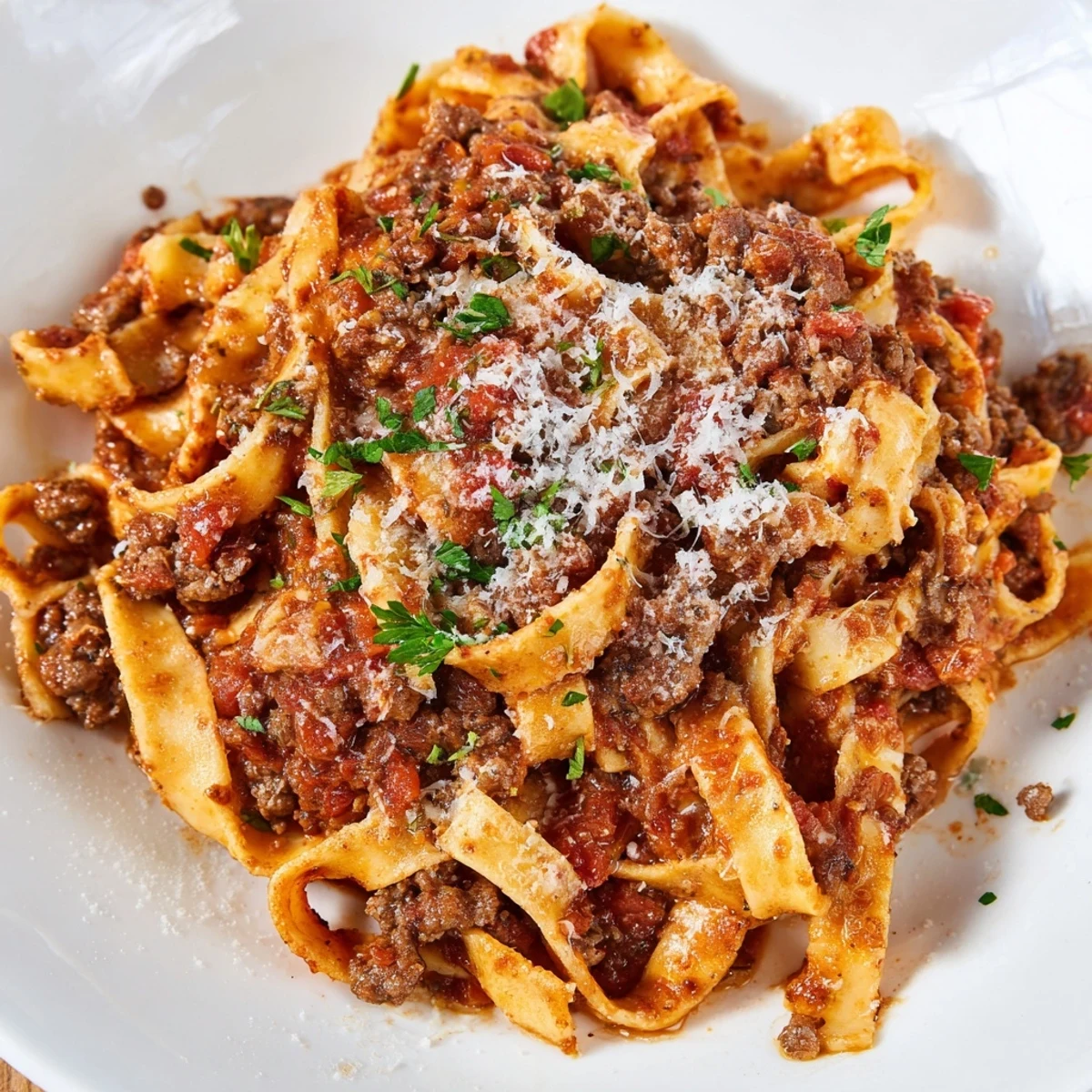
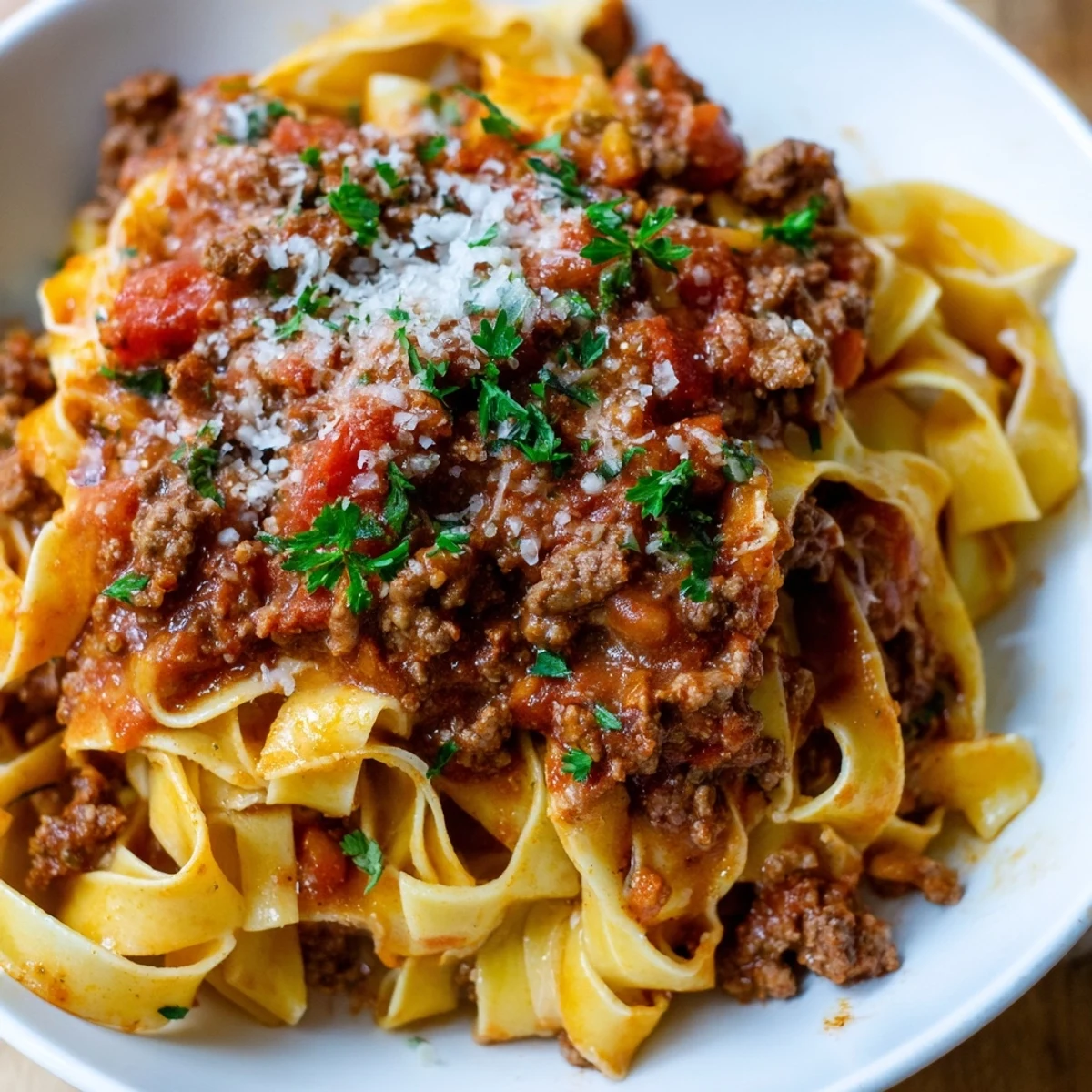
- Ladle the sauce over your cooked pasta, then shower it with fresh parsley and a generous handful of grated Parmesan cheese. The heat of the pasta will help the cheese melt and marry with the sauce.
 Save
Save I learned the value of this sauce not just in the eating but in the giving—a quart of it showed up at a friend's door the week her baby was born, and she later told me it was the first real meal that made her feel human again. That's when I understood that a pot of ragu is more than dinner; it's an act of care.
Why Low and Slow Wins
The slow cooker isn't a shortcut; it's actually the traditional method in Italian cooking, where ragus simmer on the back of the stove for hours or even days. The long, gentle heat breaks down the meat's connective tissue into gelatin, which gives the sauce its characteristic silky body and helps all those flavors fuse into something that tastes neither like beef nor tomato alone, but like something entirely new. This is why restaurant-quality ragu costs what it does—time is the most expensive ingredient.
Making It Your Own
The beauty of this recipe is that it's a canvas more than a rule. Some cooks add a pinch of cinnamon or cocoa powder to deepen the savory notes; others skip the wine entirely if that's what works for them. I've made it with ground turkey when I wanted something lighter, and it was delicious in a completely different way. The structure stays the same, but the details can shift based on your pantry and what you're hungry for.
Storage and Batch Cooking
This sauce is one of the best investments you can make in your freezer—it transforms lazy nights into something that feels intentional and warm. I portion mine into quart containers with the date written on top in permanent marker, and on nights when cooking feels like too much, pulling one out feels like a gift from past-me to present-me. It keeps beautifully for up to 4 days refrigerated or 3 months frozen, and it actually tastes better after a day or two as the flavors continue to marry.
- Thaw overnight in the refrigerator rather than on the counter to keep everything food-safe and tasting fresh.
- Reheat gently in a pot over low heat, stirring occasionally, and add a splash of water if it's thickened too much.
- Double the batch while you're at it; the slow cooker won't work any harder, and you've just made your future self very happy.
 Save
Save This ragu reminds me that some of the best meals are built not on speed or complexity, but on showing up and letting time and heat work their slow magic. There's real comfort in that.
Recipe FAQs
- → What cuts of meat work best for this sauce?
-
Using an 80/20 ground beef blend along with Italian sausage provides the ideal balance of flavor and fat, which enriches the sauce during slow cooking.
- → Can I prepare this sauce ahead of time?
-
Yes, the sauce keeps well refrigerated for up to four days or can be frozen for three months without losing flavor.
- → What types of pasta pair well with this sauce?
-
Robust shapes like tagliatelle and pappardelle complement the thick, hearty texture of the sauce beautifully.
- → How does slow cooking affect the flavor?
-
Slow simmering allows the meat and vegetables to meld, intensifying flavors and creating a rich, balanced sauce with depth.
- → Are there alternatives for a lighter version?
-
Replacing beef and sausage with ground turkey or chicken lightens the sauce while maintaining its savory character.