
 Save
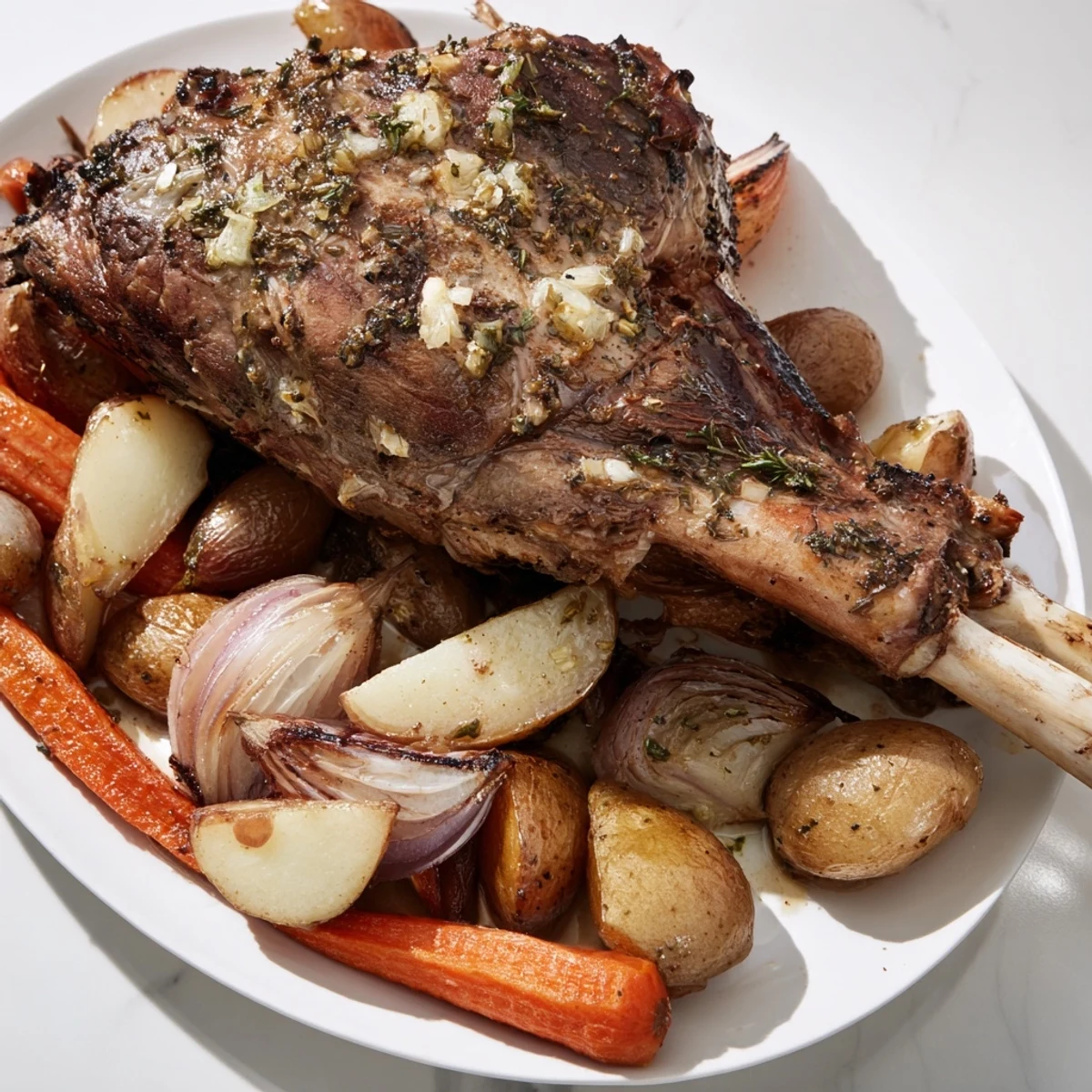
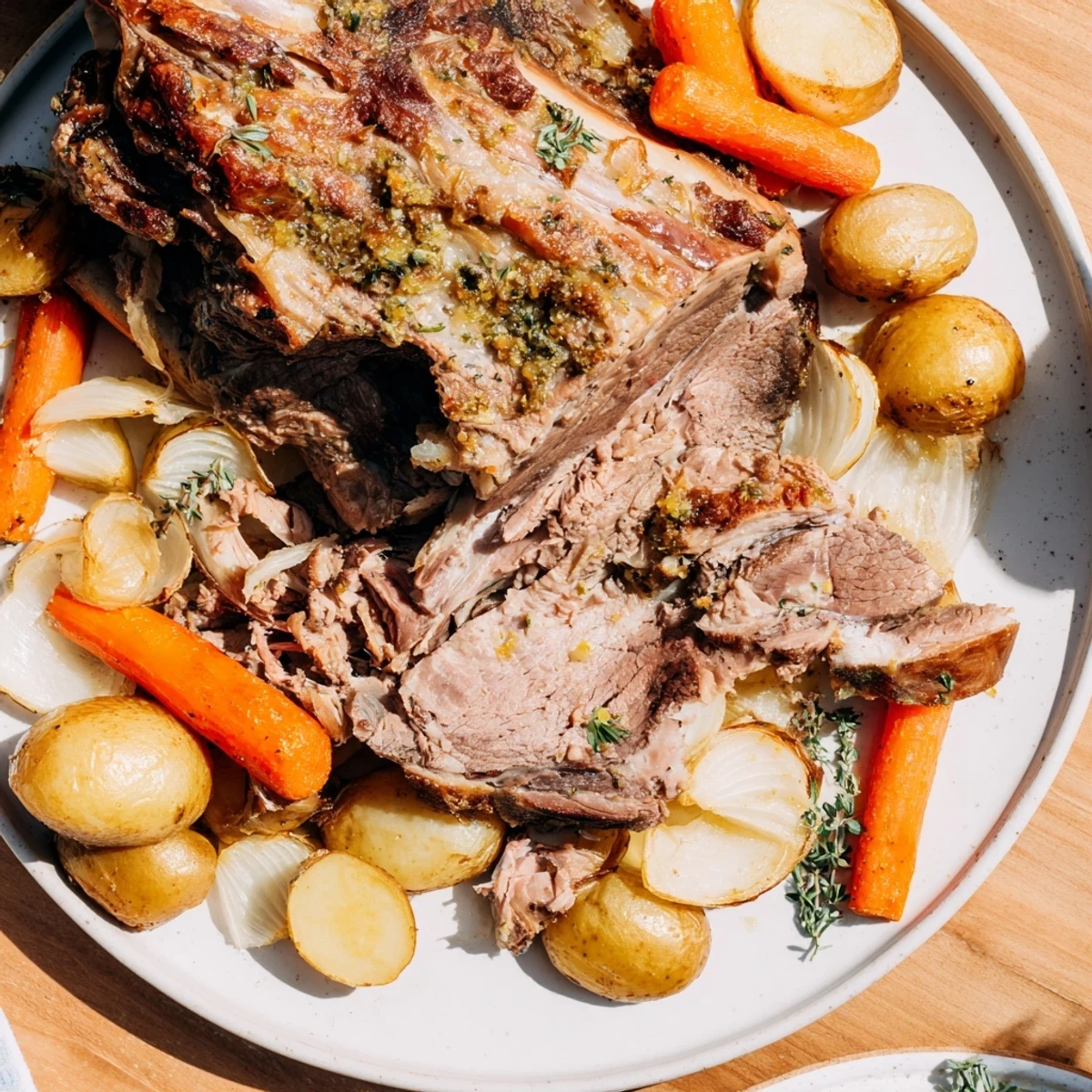
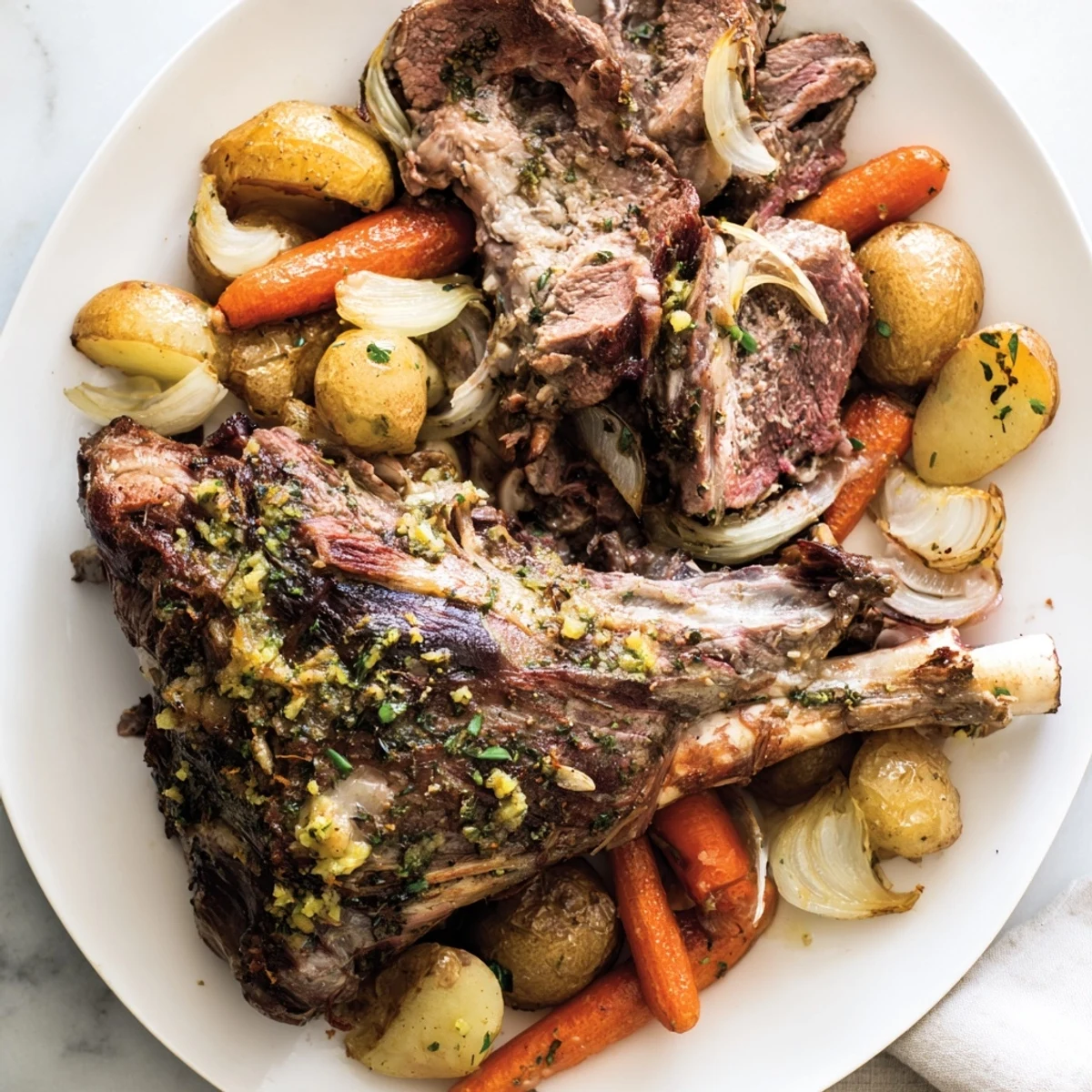
Save This Mediterranean-inspired leg of lamb features slow roasting at low heat, allowing lemon, oregano, and garlic to infuse deep flavor. Arranged with baby potatoes, onions, and carrots, it roasts covered to keep moisture, then finishes uncovered for a golden crust. The process creates tender, juicy meat perfect for sharing. Resting before carving helps juices redistribute for optimal taste, paired wonderfully with roasted vegetables and pan drippings.
The first time I attempted leg of lamb, I was cooking for my parents' anniversary and completely underestimated how long it would take. I ended up serving dinner at 10 pm, but bless them, they ate every bite while assuring me it was worth the wait. That experience taught me that slow-roasted lamb is actually incredibly forgiving, and now I plan it for lazy Sundays when the house can fill with that incredible aroma for hours.
Last Easter, my sister insisted I make this lamb instead of our usual ham. Her kids, who claim to hate trying new foods, ended up fighting over the crispy bits and asking when I'd make it again. Seeing them go back for thirds and actually ask questions about how to cook lamb was completely unexpected and heartwarming.
Ingredients
- Bone-in leg of lamb (about 2 kg/4.5 lbs): The bone adds incredible flavor and keeps the meat juicy during the long cooking time
- Garlic cloves (4), minced: Fresh garlic is non-negotiable here, it mellows beautifully as it roasts alongside the meat
- Zest and juice of 2 lemons: The zest packs the aromatic punch while the juice tenderizes and brightens
- Fresh oregano (2 tbsp), chopped: If you can only find dried, use 2 tsp, but fresh oregano makes this recipe sing
- Olive oil (3 tbsp): Helps the herbs cling to the meat and creates a gorgeous golden crust
- Sea salt (1 tbsp) and black pepper (1 tsp): Generous seasoning is crucial since this is a large cut of meat
- Baby potatoes (1 kg), halved: They soak up all those glorious pan juices and become the best part
- Large onions (2), wedged: They caramelize slowly and add sweetness to the drippings
- Carrots (2), chunked: Large chunks hold their shape during hours of roasting
- Low-sodium broth (250 ml): Creates steam to keep everything moist and becomes part of the sauce
- Dry white wine (125 ml): Optional, but adds depth and helps deglaze those pan drippings
Instructions
- Preheat and prep:
- Set your oven to 150°C (300°F) and pat the lamb completely dry with paper towels, placing it in your largest roasting pan
- Make the marinade:
- Whisk together the garlic, lemon zest and juice, oregano, olive oil, salt, and pepper in a small bowl until combined
- Season the lamb:
- Use your hands to rub the marinade all over the meat, pressing it into any natural crevices and making small incisions to work the mixture deeper
- Add the vegetables:
- Scatter the potatoes, onions, and carrots around the lamb, letting them tumble naturally into the pan
- Add liquid and cover:
- Pour the broth and wine around the vegetables, then cover the entire pan tightly with foil
- Slow roast:
- Cook for 2.5 hours, undisturbed, while your kitchen fills with the most incredible aroma
- Crisp it up:
- Remove the foil and crank the heat to 200°C (400°F) for 30 minutes until the lamb is golden and the vegetables are caramelized
- Rest and serve:
- Let the lamb rest, loosely covered, for 15 minutes before carving, then serve with those roasted vegetables and plenty of pan juices
 Save
Save This recipe has become my go-to for bringing people together, something about the long roasting time seems to make guests linger in the kitchen, wine in hand, conversation flowing as easily as the aroma fills the room.
Make It Your Own
Sometimes I swap rosemary or thyme for the oregano, especially in winter when those woody herbs feel more comforting. The technique stays the same, but the whole mood changes with just that simple substitution.
Serving Suggestions
A crisp Greek salad with feta and olives cuts through the richness perfectly, and I always serve plenty of crusty bread for mopping up those pan juices. A simple green beans with garlic side dish never fails either.
Leftover Wisdom
The leftovers, if you somehow have any, make incredible sandwiches the next day or can be chopped into a Greek-style rice bowl. The flavors actually develop overnight and taste even better.
- Wrap leftovers tightly and they will keep for 3-4 days in the refrigerator
- The pan juices can be frozen separately in ice cube trays for future flavor bombs
- Reheat gently with a splash of broth to maintain that tender texture
 Save
Save There is something deeply satisfying about a recipe that rewards patience so handsomely, turning a simple piece of meat into a feast that feels like a celebration.
Recipe FAQs
- → How do I ensure the lamb remains tender?
-
Slow roasting at low temperature with a marinade of lemon, garlic, and oregano helps break down fibers, resulting in tender and juicy meat.
- → Can I substitute fresh oregano with dried oregano?
-
Yes, dried oregano can be used at about one-third the amount of fresh; it still imparts aromatic, earthy notes to the lamb.
- → What's the purpose of roasting the lamb covered first, then uncovered?
-
Covering traps moisture, ensuring tenderness, while finishing uncovered allows the crust to crisp and brown beautifully.
- → Are there alternative herbs that pair well with lemon and lamb?
-
Rosemary and thyme are excellent alternatives, offering complementary flavors that enhance the lamb’s savory profile.
- → How do the vegetables contribute during roasting?
-
Baby potatoes, onions, and carrots roast in the pan juices and broth, absorbing deep flavors while adding texture and balance.
- → Is it necessary to use wine in the cooking liquids?
-
Wine adds subtle acidity and complexity but can be omitted or replaced with broth if preferred without compromising flavor.