
 Save
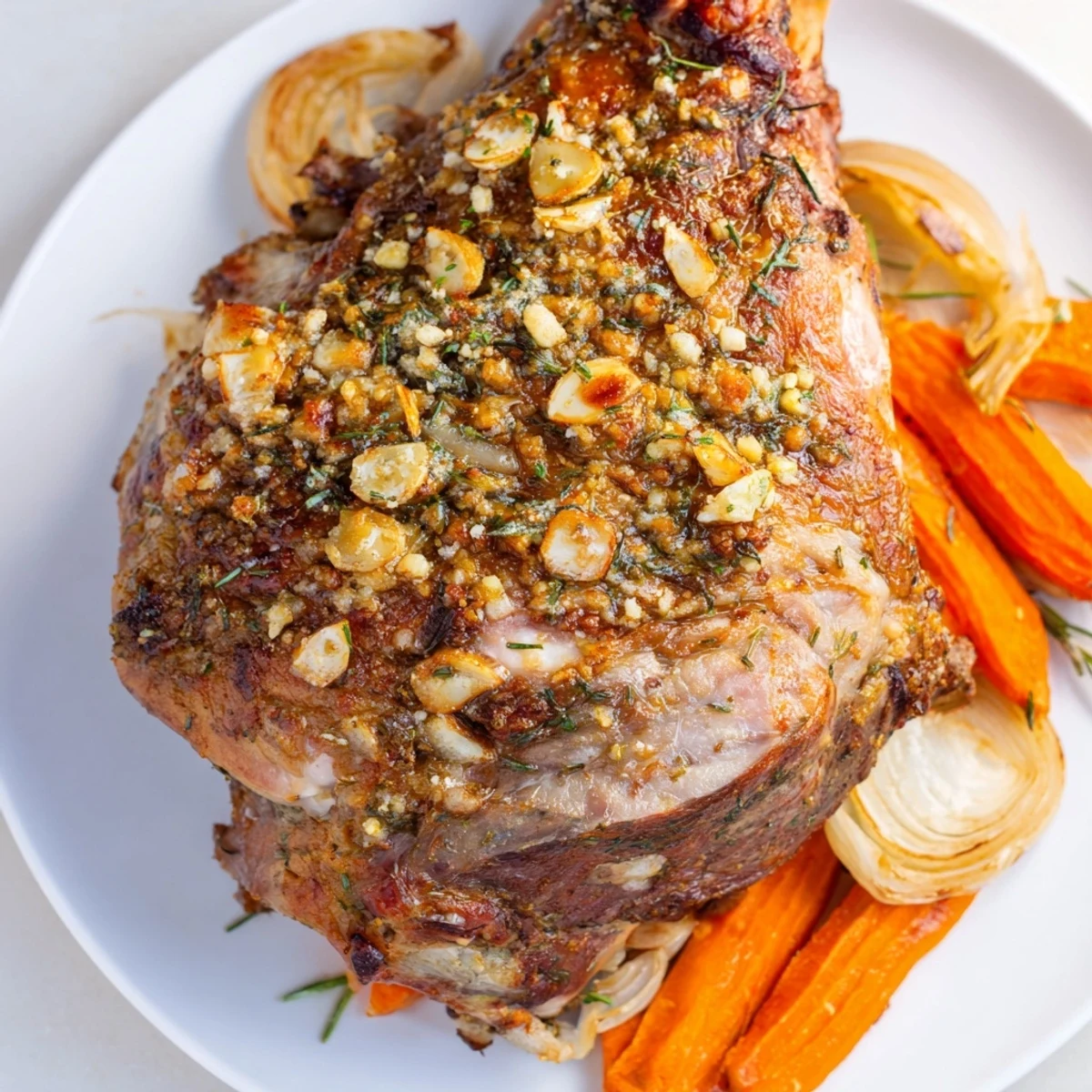
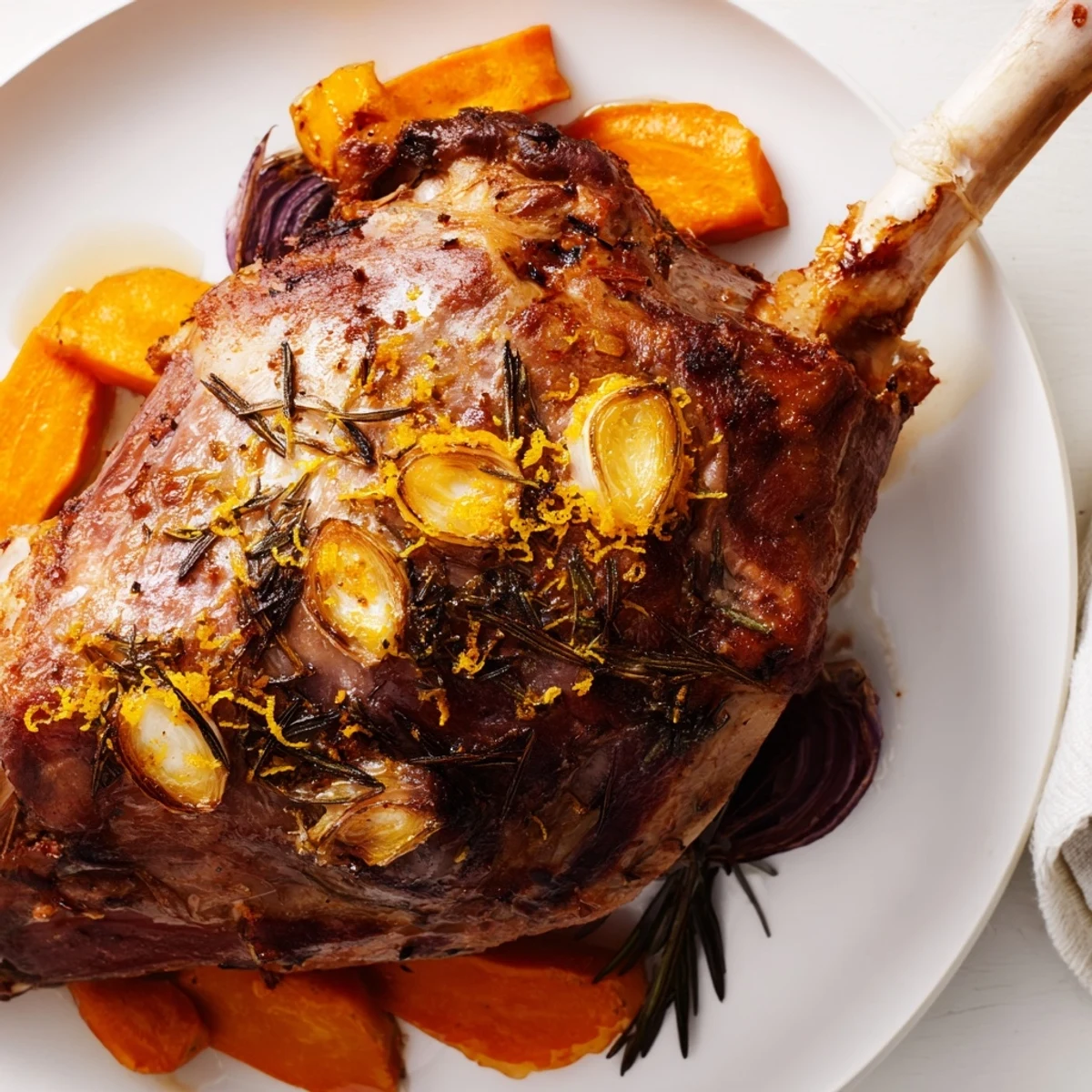
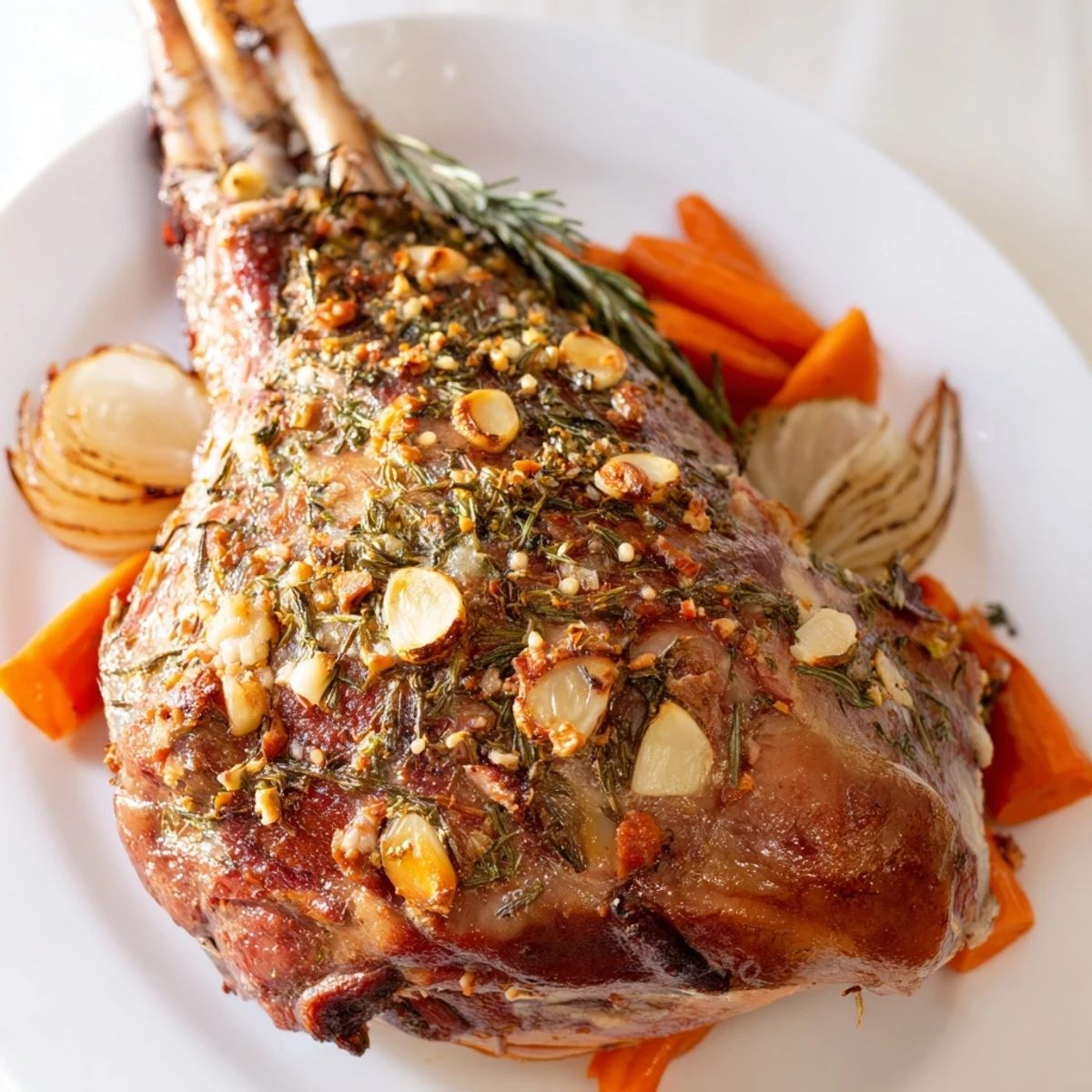
Save This slow-roasted leg of lamb combines aromatic garlic, zesty lemon, and fresh herbs to produce tender, flavorful meat. The method involves marinating the lamb with lemon zest, juice, rosemary, and thyme before roasting atop a bed of onions and carrots. Slow cooking at low temperature ensures juicy, succulent results, while a final high-heat roast crisps the exterior. Perfect for special occasions or hearty meals, this dish pairs beautifully with roasted vegetables and pan juices.
The first time I smelled this lamb roasting, I was standing in my kitchen at 10 p.m. on a Thursday, convinced I had made a terrible mistake starting dinner so late. My neighbor knocked on the door an hour later, asking if I was running a restaurant without a permit. That low, insistent aroma of garlic and lemon transforming in slow heat has a way of claiming territory beyond your own walls.
I made this for my sister's birthday after she announced she was tired of turkey and ham and every other predictable centerpiece. She sat at the table in silence for three bites, then looked up and said, "I didn't know lamb could taste like a memory I haven't had yet." The carrots had melted into sweetness, the onions collapsed into jam, and the lamb itself surrendered to the knife like it had been waiting to be eaten.
Ingredients
- Bone-in leg of lamb (2.5–3 kg): The bone is non-negotiable for flavor and moisture, and I learned the hard way that trimmed does not mean stripped bare, leave a thin cap of fat
- Garlic cloves, sliced: Slicing rather than mincing prevents burning during the long roast and creates pockets of soft, sweet garlic you can spread like butter
- Lemons, zested and juiced: The zest oils survive the heat while the juice tenderizes, use unwaxed lemons if you can find them
- Fresh rosemary and thyme: Dried works in desperation but fresh herbs release their oils gradually rather than all at once
- Kosher salt and black pepper: The coarse crystals draw moisture out slowly, seasoning the meat from the surface inward
- Olive oil: Creates the paste that adheres everything to the lamb and helps conduct heat evenly
- Onions and carrots: These are not garnish, they become the foundation of your sauce and should be cut large enough to survive three hours
- Dry white wine or chicken broth: Wine adds acidity that cuts through richness, broth keeps it simpler and equally valid
Instructions
- Wake up your oven:
- Set it to 150°C and walk away, a cold oven start is not your friend here. The low temperature is the entire point, patience now rewards you later.
- Prepare the lamb:
- Pat it aggressively dry with paper towels, moisture is the enemy of browning. Make incisions with confidence, not timid scratches, and push garlic slices deep enough that they won't fall out when you move the meat.
- Build your paste:
- Mix zest, juice, herbs, salt, pepper, and oil into something that looks like wet sand. Rub it everywhere, including the underside and around the bone where flavor hides.
- Create the bed:
- Scatter onions and carrots in a single layer, they should hold the lamb above the liquid. Nestle the meat among them like it's being tucked in.
- Add the liquid:
- Pour wine or broth into the pan, not over the lamb, you want the meat to roast not boil. The liquid should reach about halfway up the vegetables.
- First roast, covered:
- Seal tightly with foil and forget about it for two and a half hours. Resist every urge to peek, the steam is doing important work.
- Final roast, uncovered:
- Crank the heat to 200°C, remove the foil, and let the exterior transform. The sound will change from gentle bubbling to active sizzling, that's your cue.
- The waiting:
- Rest the lamb under loose foil for fifteen minutes. The juices need time to retreat from the surface back into the fibers, carving too early is a crime against yourself.
 Save
Save My father, who measures affection through skepticism, asked me three times what I had done to make lamb taste this way. I told him I had simply waited longer than he would have. He took a second helping of the carrots, which he normally ignores, and that was his review.
What to Do With the Pan
Those vegetables and the liquid at the bottom are not debris to discard. Spoon them into a blender with a splash of water or more wine, and you have a sauce that tastes like concentrated Sunday afternoon. I have served this to people who claim they don't like lamb, and they have asked for the recipe while scraping their plates.
Timing for Real Life
The beauty of low temperature roasting is flexibility. If your guests are thirty minutes late, the lamb will wait happily under its foil tent. If they arrive early, the resting period can stretch to forty minutes without disaster. This recipe forgives the chaos of hosting in ways that high-heat roasting never could.
The Morning After
Cold lamb sliced thin on crusty bread with mustard and pickles is one of the great unsung sandwiches. The fat has set into creamy pockets, the meat has tightened into something more concentrated, and you eat it standing at the counter in your pajamas feeling clever for planning ahead.
- Save the bone for stock, it still has flavor to give
- Reheat slices gently in the pan juices, never the microwave
- The sauce freezes well in small portions for future roasts
 Save
Save Some recipes demand perfection from the cook, but this one only asks for patience and a willingness to believe that good things happen slowly. The lamb will be ready when the house smells like somewhere you want to stay.
Recipe FAQs
- → How do I prepare the lamb for roasting?
-
Make small incisions all over the leg and insert garlic slices to infuse flavor. Then rub with lemon zest, juice, herbs, salt, pepper, and olive oil.
- → What vegetables accompany the lamb during cooking?
-
Onions and large chunks of carrots are placed at the bottom of the roasting pan to add flavor and moisture during cooking.
- → Can I substitute the white wine used in cooking?
-
Yes, low-sodium chicken broth can be used as an alternative to maintain moisture and add depth to the dish.
- → How long should I roast the lamb for best results?
-
Roast covered at 150°C (300°F) for 2.5 hours, then uncovered at 200°C (400°F) for 30 minutes to crisp the exterior.
- → Is it beneficial to marinate the lamb overnight?
-
Marinating overnight in the fridge enhances the infusion of flavors, resulting in more tender and aromatic meat.
- → What herbs are essential for the flavor profile?
-
Fresh rosemary and thyme contribute key herbal notes that complement the garlic and lemon, creating a balanced Mediterranean flavor.