 Save
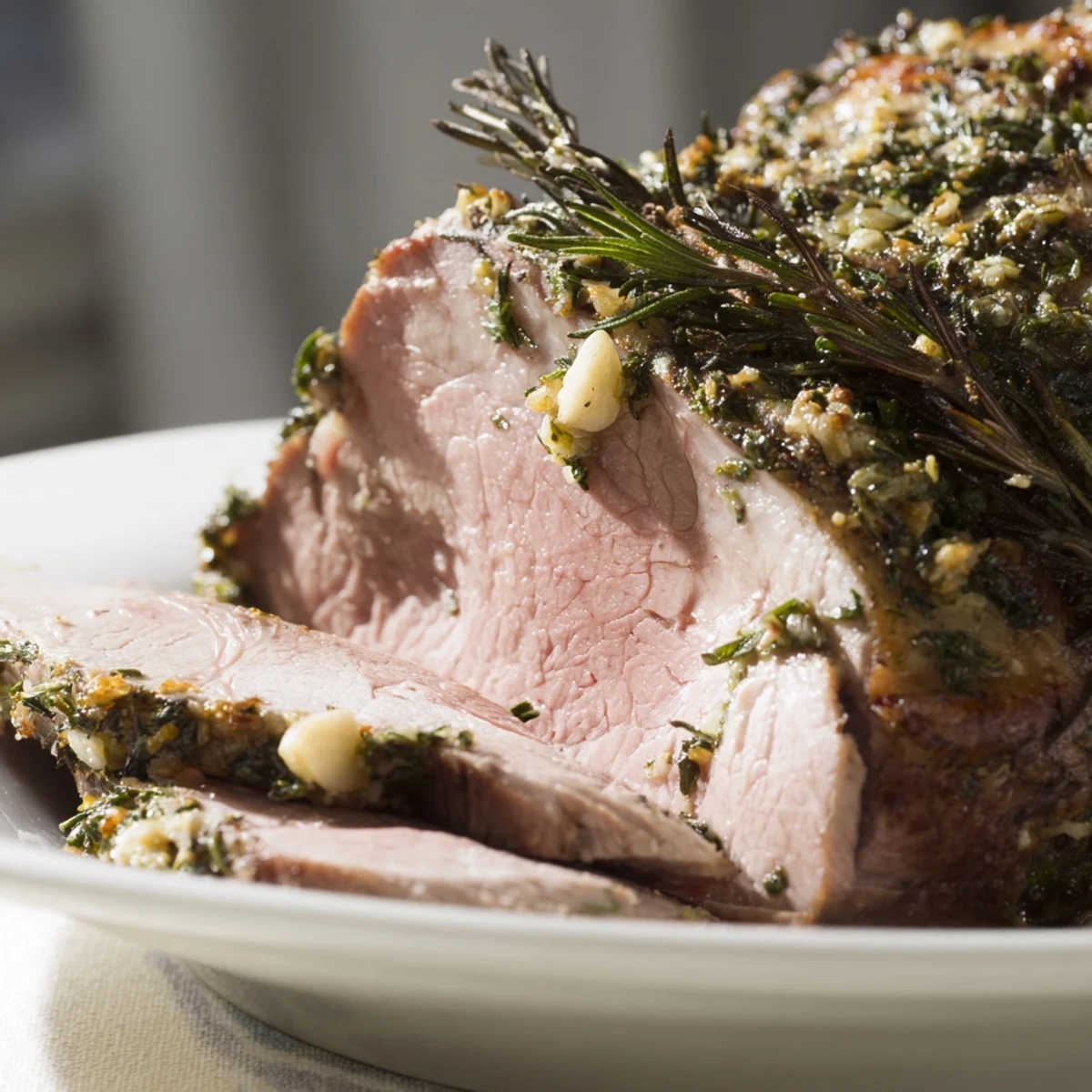
Save This dish features a leg of lamb slow-roasted at low temperature for tenderness, infused with garlic cloves and fresh herbs like rosemary and thyme. The lamb is prepared by making incisions to insert garlic, then rubbed with a savory herb mixture including lemon zest and olive oil. Roasting over vegetables with white wine or broth adds depth, while a final high-heat roast develops a browned crust. Resting before carving ensures juicy slices. Perfect for gatherings seeking rich, Mediterranean-inspired flavors.
The kitchen filled with that unmistakable scent of garlic and rosemary hitting hot fat, signaling Easter Sunday at my grandmother's house long before we could see the dining room table. She would start the lamb before dawn, wrapping it tight so the aromas had nowhere to go but through every corner of the house. I've carried that tradition forward, though now I understand the method behind her early morning timing.
Last spring, I made this for my in-laws' first visit since moving into our new house, nervously checking the temperature every twenty minutes like it was my first time cooking. My father-in-law, who's never been one for effusive praise, went back for thirds and asked if there was any chance of leftovers for sandwiches the next day. That quiet nod of approval meant more than any compliment I could have hoped for.
Ingredients
- 1 (4-5 lb / 1.8-2.3 kg) leg of lamb, bone-in, trimmed: Bone-in adds flavor and helps the meat cook evenly, and the slight fat cap keeps everything juicy during that long roast
- 6 cloves garlic, peeled and halved: These go into the little pockets you'll cut, creating bursts of aromatic goodness throughout the meat
- 2 tbsp fresh rosemary leaves, finely chopped: Fresh is non-negotiable here - dried rosemary can taste woody and bitter in slow-cooked dishes
- 2 tbsp fresh thyme leaves: This plays backup to the rosemary, adding a subtle earthy note that rounds out the Mediterranean flavor profile
- 2 tsp kosher salt: Diamond or Morton kosher salt gives you better control than table salt and adheres beautifully to the olive oil rub
- 1 tsp freshly ground black pepper: Grind this right before you use it - the difference in aroma and flavor is worth the extra thirty seconds
- 1/4 cup (60 ml) olive oil: This isn't just for flavor - it helps the herbs and salt cling to the lamb and promotes even browning
- Zest of 1 lemon: This brightens everything up, cutting through the richness of the meat without making the dish taste citrusy
- 1 large onion, cut into wedges: These create a natural roasting rack and become deeply caramelized, adding depth to your pan juices
- 3 large carrots, cut into chunks: Sweetness that balances the savory herbs while helping to keep the lamb elevated from direct heat
- 3 celery stalks, cut into chunks: Often overlooked, celery provides an aromatic foundation that makes the final pan juices taste restaurant-quality
- 1 cup (240 ml) dry white wine or low-sodium chicken broth: This creates steam and becomes part of your natural gravy - use something you'd actually drink
Instructions
- Preheat and Prep:
- Preheat your oven to 300°F (150°C) and pat the leg of lamb completely dry with paper towels - this helps it brown properly later.
- Create Flavor Pockets:
- Using a sharp paring knife, make small incisions all over the lamb, about 1 inch deep, then tuck a garlic half into each one.
- Build the Herb Rub:
- Mix the chopped rosemary, thyme, salt, pepper, olive oil, and lemon zest in a small bowl until it forms a paste-like mixture.
- Season Generously:
- Rub the herb mixture all over the lamb, pressing it into the meat and making sure every surface gets attention, including the crevices.
- Set Up the Pan:
- Scatter the onion wedges, carrot chunks, and celery pieces in the bottom of a large roasting pan - they'll become your roasting rack.
- Position and Pour:
- Place the seasoned lamb on top of the vegetables and pour the wine or broth into the bottom of the pan.
- Start the Slow Roast:
- Cover the pan tightly with foil or a lid and roast for 2.5 hours - the lamb will be braising in its own juices at this stage.
- the Golden Finish:
- Remove the cover, increase the oven temperature to 400°F (200°C), and roast for another hour, basting occasionally.
- Rest Before Serving:
- Transfer the lamb to a carving board and tent it loosely with foil for 20 minutes - this redistributes the juices throughout the meat.
- Make the Pan Sauce:
- Strain the pan juices into a bowl, skim off excess fat, and serve alongside the carved lamb.
 Save
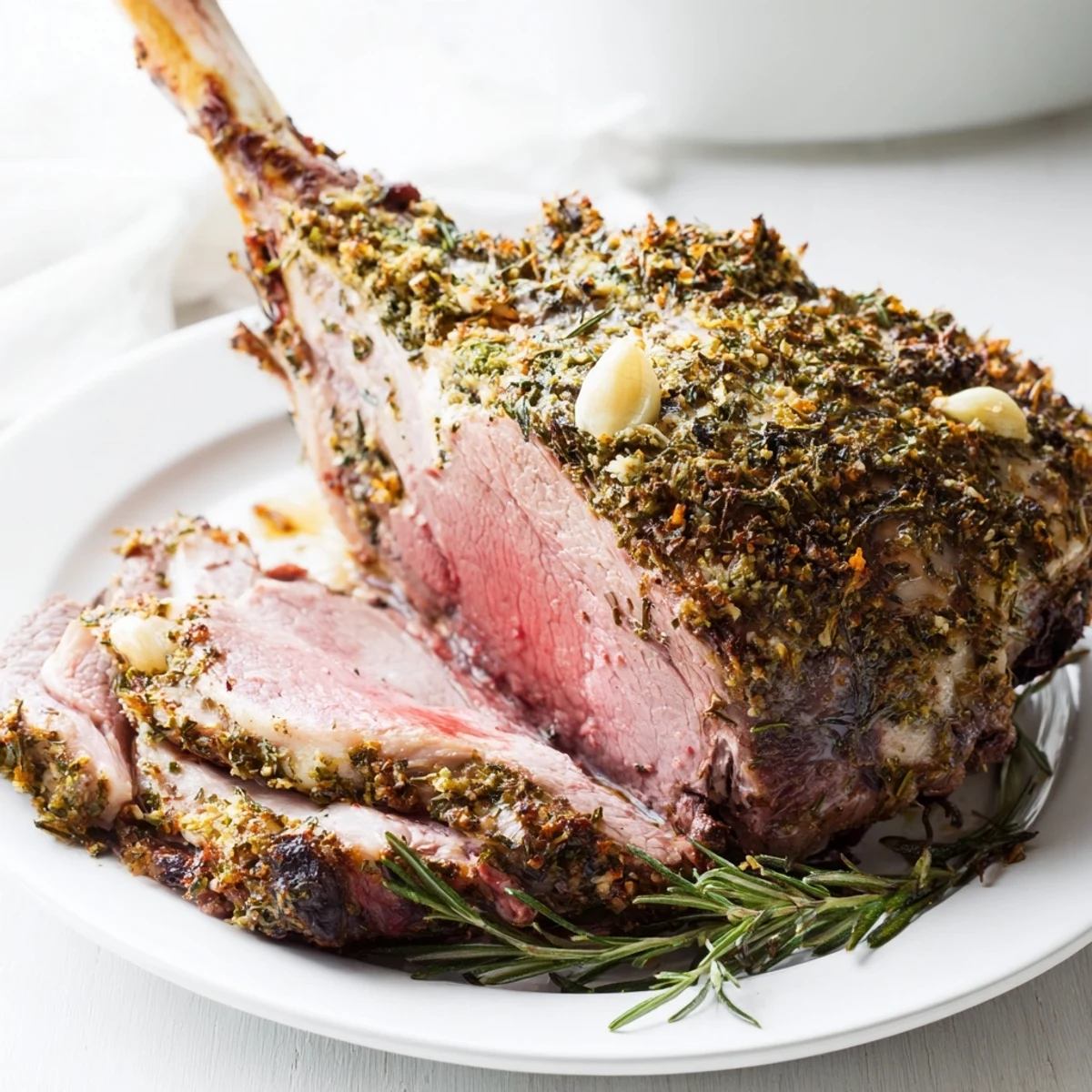
Save My sister served this at her wedding reception, and I remember watching guests who swore they didn't like lamb going back for seconds. Something about that combination of herbs and the gentle cooking method wins over even the skeptics. Now it's become our family's celebration request for everything from graduations to holiday gatherings.
Choosing the Right Cut
Look for a leg of lamb with good marbling and a thin, even layer of fat - this is what keeps the meat moist during those hours in the oven. The bone adds flavor but also affects cooking time, so factor that into your planning. I've found that grass-fed lamb has a slightly different cooking curve and may need about 15 minutes less time than conventional.
Perfect Pairings
Roasted fingerling potatoes with sea salt are practically made for this dish, soaking up those pan juices like nothing else. A simple arugula salad with lemon vinaigrette cuts through the richness and provides a fresh contrast. For wine, a medium-bodied red like Grenache or a Rioja will stand up to the lamb without overpowering the delicate herbs.
Timing Your Feast
Work backward from your serving time, accounting for that crucial resting period - the lamb needs to come out of the oven a full twenty minutes before you plan to carve. The vegetables underneath will be perfectly tender, but if you want additional sides, plan the oven time carefully since that final high-heat sear will need full attention.
- Use a probe thermometer for perfect results - 130-135°F internal temperature means medium-rare
- If your roasting pan is thin, place it on a baking sheet to prevent scorching the pan juices
- Any leftover lamb makes incredible sandwiches the next day with just a bit of mustard and arugula
 Save
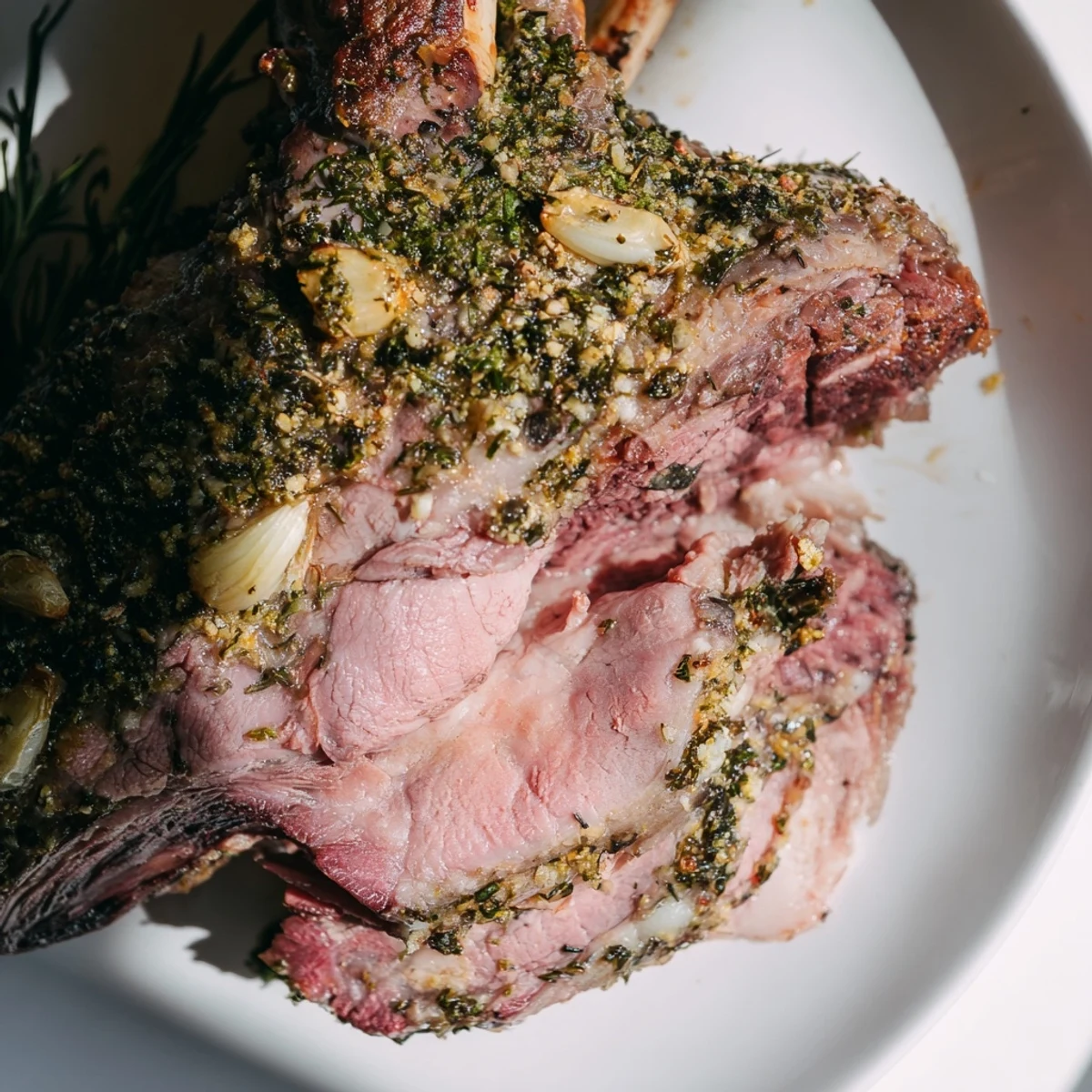
Save There's something deeply satisfying about serving a dish that looks impressive yet requires mostly patience rather than skill. That first slice, revealing the perfectly pink interior against the bronzed exterior, never fails to make a kitchen feel like home.
Recipe FAQs
- → How do I prepare the lamb for roasting?
-
Make small incisions all over the leg and insert garlic halves to infuse flavor before rubbing with the herb mixture.
- → What herbs complement the slow roasting method?
-
Fresh rosemary, thyme, and lemon zest add aromatic depth and enhance the lamb's natural flavors.
- → Can I substitute the white wine in roasting?
-
Yes, low-sodium chicken broth provides a flavorful, alcohol-free alternative for roasting liquids.
- → Why is it important to rest the meat after roasting?
-
Resting allows juices to redistribute, resulting in tender, moist slices when carving.
- → What side ingredients can be roasted with the lamb?
-
Onion wedges, carrots, and celery add sweetness and aroma while roasting underneath the lamb.
- → How do I get a crispy browned crust on the lamb?
-
After slow roasting covered, increase oven temperature and roast uncovered to caramelize the surface.