
 Save
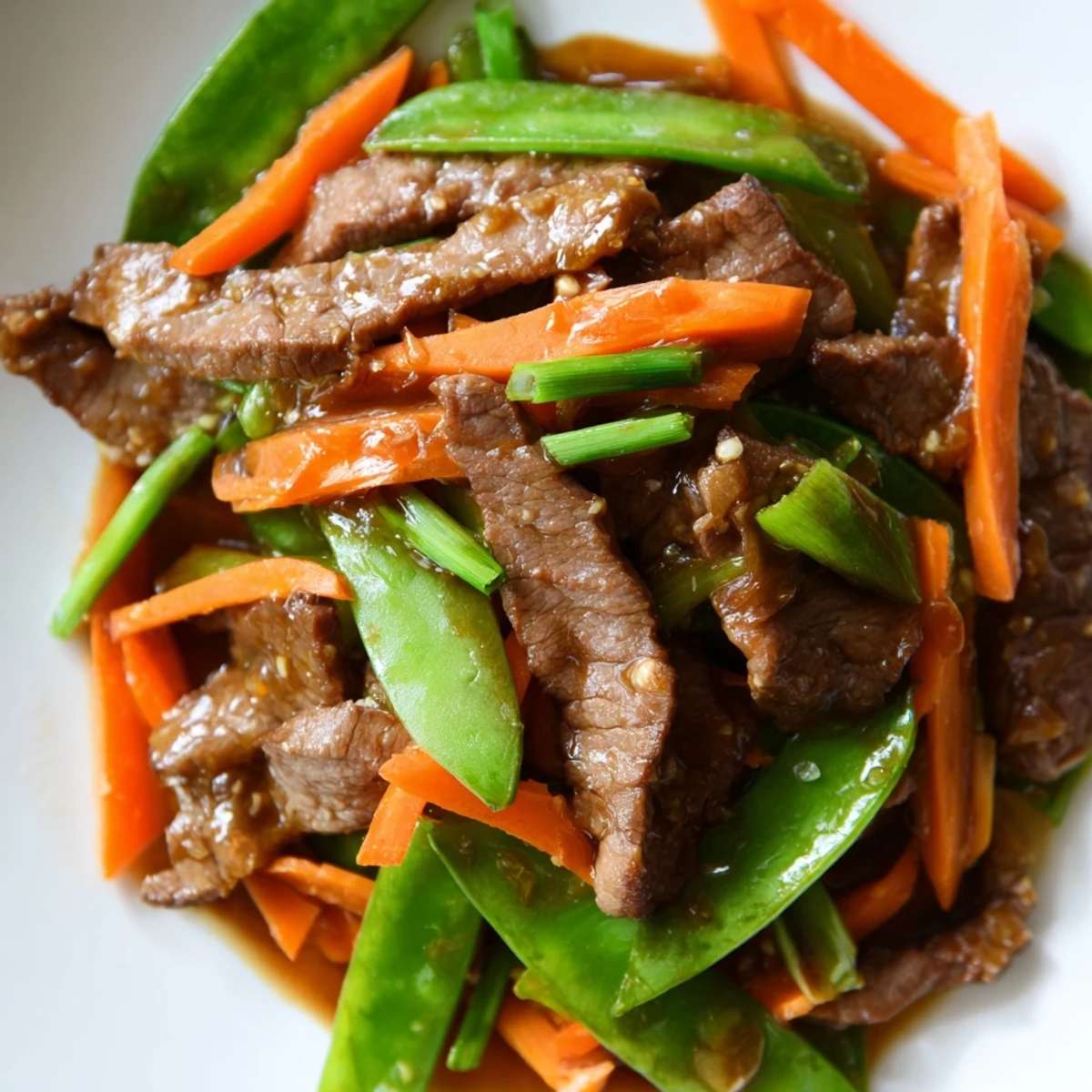
Save This dish pairs tender beef strips with crisp snow peas and sweet carrots, all cooked quickly over high heat to preserve freshness. The flavorful sauce combines soy, oyster, hoisin, and hints of ginger and garlic, bringing a savory balance to the stir fry. Cooking takes just minutes, making it ideal for busy weeknights. Add scallions for garnish and serve over steamed rice or noodles for a satisfying, wholesome meal.
There's a rhythm to stir fry that I didn't understand until a friend from Taiwan watched me fumble through one in my cramped kitchen. She didn't say anything was wrong at first, just quietly moved to the stove and showed me how heat and timing could transform humble beef and vegetables into something that tastes like it took hours. The sizzle, the way the wok's curves guide everything into motion, the moment garlic hits hot oil and suddenly your whole kitchen smells alive—that's when I realized this wasn't complexity, it was control.
I made this for my roommate when she came home exhausted from a brutal shift, and watching her face soften with that first bite reminded me that food doesn't need to be complicated to matter. She asked for the recipe the next day, then made it three times that week. Now whenever someone needs quick comfort that feels like care, this is what I think of.
Ingredients
- Flank steak or sirloin, thinly sliced against the grain (450 g): Cutting against the grain is the secret—it breaks up the muscle fibers and keeps every bite tender instead of chewy.
- Snow peas (150 g): They stay crisp and sweet if you don't overcook them, so add them near the end and trust the timing.
- Carrots, julienned (2 medium): Thin cuts mean they cook fast and taste sweeter as they caramelize slightly.
- Scallions, sliced (2, optional): Fresh garnish that adds bite and color at the very end.
- Soy sauce (2 tbsp for marinade, 1 tbsp for sauce): The backbone of the whole dish—don't skimp on quality here.
- Oyster sauce (1 tbsp): It adds umami depth that makes people ask what's in this even though they can't quite place it.
- Hoisin sauce (1 tbsp): Brings sweetness and complexity that rounds out the salty and savory elements.
- Cornstarch (1 tbsp): Mixed into the marinade, it helps seal the meat's exterior; in the sauce, it creates that glossy, clingy coating.
- Rice vinegar (1 tbsp): A quiet brightness that keeps everything from tasting one-note.
- Sesame oil (2 tsp): Finish with this, never cook with it—the flavor burns away if it gets too hot.
- Sugar (2 tsp): Balances the salt and soy, but don't add more unless you taste it first.
- Garlic and ginger (2 cloves garlic minced, 1 tsp ginger grated): These two are non-negotiable; fresh is worth the effort.
- Black pepper (1/4 tsp): Freshly ground tastes sharper and more alive than pre-ground.
- Water (2 tbsp): Helps the sauce coat everything evenly without making it soupy.
- Vegetable oil (2 tbsp): Use neutral oil like canola or peanut—something with a high smoke point that won't burn.
Instructions
- Prep and marinate the beef:
- Cut your flank steak into thin strips, then toss them in a bowl with 1 tablespoon soy sauce and the cornstarch. This sits for 10 minutes while you gather everything else—the cornstarch creates a protective barrier that keeps the beef from drying out.
- Build your sauce in advance:
- Whisk together the remaining soy sauce, oyster sauce, hoisin, rice vinegar, sesame oil, sugar, garlic, ginger, black pepper, and water in a small bowl. Having this ready means you can focus entirely on the heat and motion once you start cooking.
- Sear the beef first:
- Heat 1 tablespoon oil in your wok or large skillet over high heat until it just starts to shimmer and smoke slightly. Add the marinated beef in a single layer and let it sit for 30 seconds before stirring—this develops a crust. Cook for 2–3 minutes until the outside browns but the inside stays pink, then move it to a plate.
- Cook the vegetables:
- Add the remaining oil to the still-hot wok and immediately add your julienned carrots. They need 2 full minutes to soften slightly and start caramelizing at the edges. Then add the snow peas and stir constantly for another 1–2 minutes—you want them tender but still bright and crisp, not dull and mushy.
- Bring it all together:
- Return the beef to the wok and pour in your sauce, tossing everything for 1–2 minutes until the cornstarch thickens the sauce into a glossy coat that clings to every piece. The kitchen will smell incredible at this moment.
- Finish and serve:
- Remove from heat immediately so nothing overcooks. Scatter scallions on top if you have them and serve right away over steamed rice or noodles.
 Save
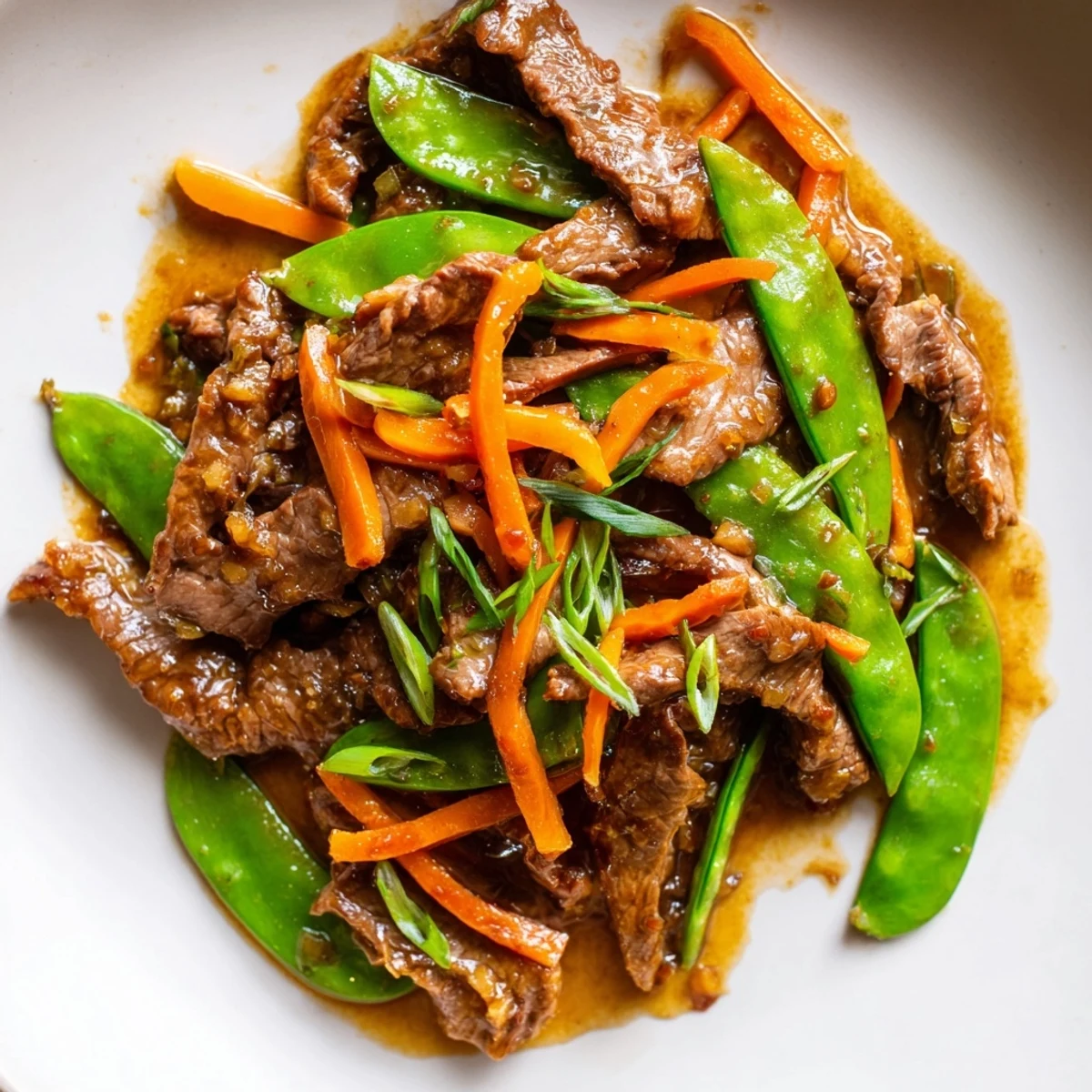
Save My dad, who grew up eating his mother's stir fry in Hong Kong, sat at my table one Sunday and ate this quietly for a while before looking up and asking if I'd been practicing. That was the best compliment I've ever received about cooking, because it meant I'd finally stopped thinking so hard and started letting the wok teach me.
The Math of Heat and Timing
Stir fry only works if your wok is properly hot before anything touches it—and I mean uncomfortably hot, the kind of heat that makes you step back for a second. The oil should shimmer and almost smoke, and when beef hits that surface, it should sizzle loudly. That sound means the pan is doing its job. If you're getting a quiet sizzle, your heat isn't high enough, and everything will steam instead of sear. Once you feel confident with the heat, the actual cooking becomes almost meditative because everything happens so fast that you have to stay present.
Variations and Swaps That Work
This formula is flexible once you understand it. Sugar snap peas are sweeter and crunchier than snow peas if you prefer that texture. Bell peppers add a different kind of sweetness and bulk, which works if you want to feed more people with less beef. Broccoli florets need an extra minute of cooking time, so add them before the snow peas. The sauce stays the same regardless—it's the structure that matters, not the vegetables you choose. Some nights I add a pinch of crushed red pepper for heat, or a drizzle of chili oil at the end for a different kind of warmth.
Serving and Pairing Ideas
Steamed jasmine rice is the obvious choice because it's neutral and absorbs the sauce beautifully. Brown rice works if you want something earthier and less starchy. Soba noodles are my preference on nights when I want the dish to feel lighter but still satisfying—they have a subtle nutty flavor that complements the beef. If you're cooking for someone with gluten concerns, swap soy sauce for tamari and double-check your oyster and hoisin bottles, because some brands sneak wheat in. The dish sits in the bowl for exactly four minutes before it starts to feel cold, so eat it while it's still steaming.
- If you don't have oyster sauce, mushroom sauce is a genuine substitute that adds earthiness instead of ocean depth.
- Fresh lime juice squeezed over the top at the last second brightens everything if the flavors feel flat.
- Toasted sesame seeds scattered over the finished dish add crunch and make it feel intentional and complete.
 Save
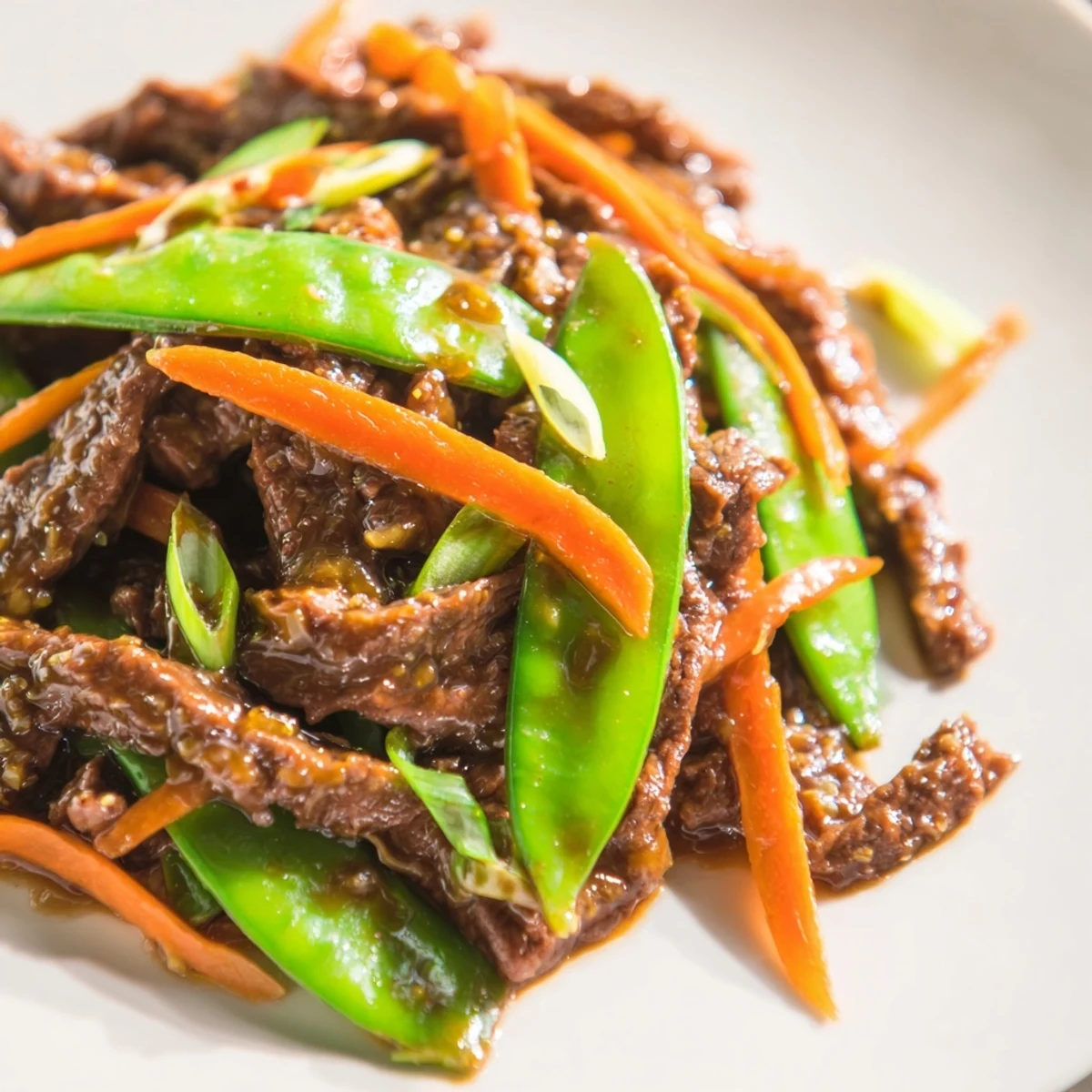
Save This dish taught me that cooking fast doesn't mean cooking carelessly. Every moment matters, and attention is the only ingredient you can't substitute. I hope it brings you the same quiet confidence it's brought me.
Recipe FAQs
- → What cut of beef works best for this stir fry?
-
Flank steak or sirloin sliced thinly against the grain provides tenderness and cooks quickly, perfect for stir frying.
- → Can I substitute snow peas with another vegetable?
-
Yes, sugar snap peas or sliced bell peppers work well and offer a similar crunchy texture.
- → How do I prevent beef from becoming tough?
-
Marinate the beef briefly with soy sauce and cornstarch, and avoid overcooking by stir frying at high heat for a short time.
- → Is it possible to make this dish gluten-free?
-
Use tamari instead of soy sauce and ensure all other sauces are certified gluten-free to maintain the dish's flavors safely.
- → What are some serving suggestions for this stir fry?
-
Serve the stir fry with steamed jasmine or brown rice, or noodles like soba for a complete meal.