
 Save
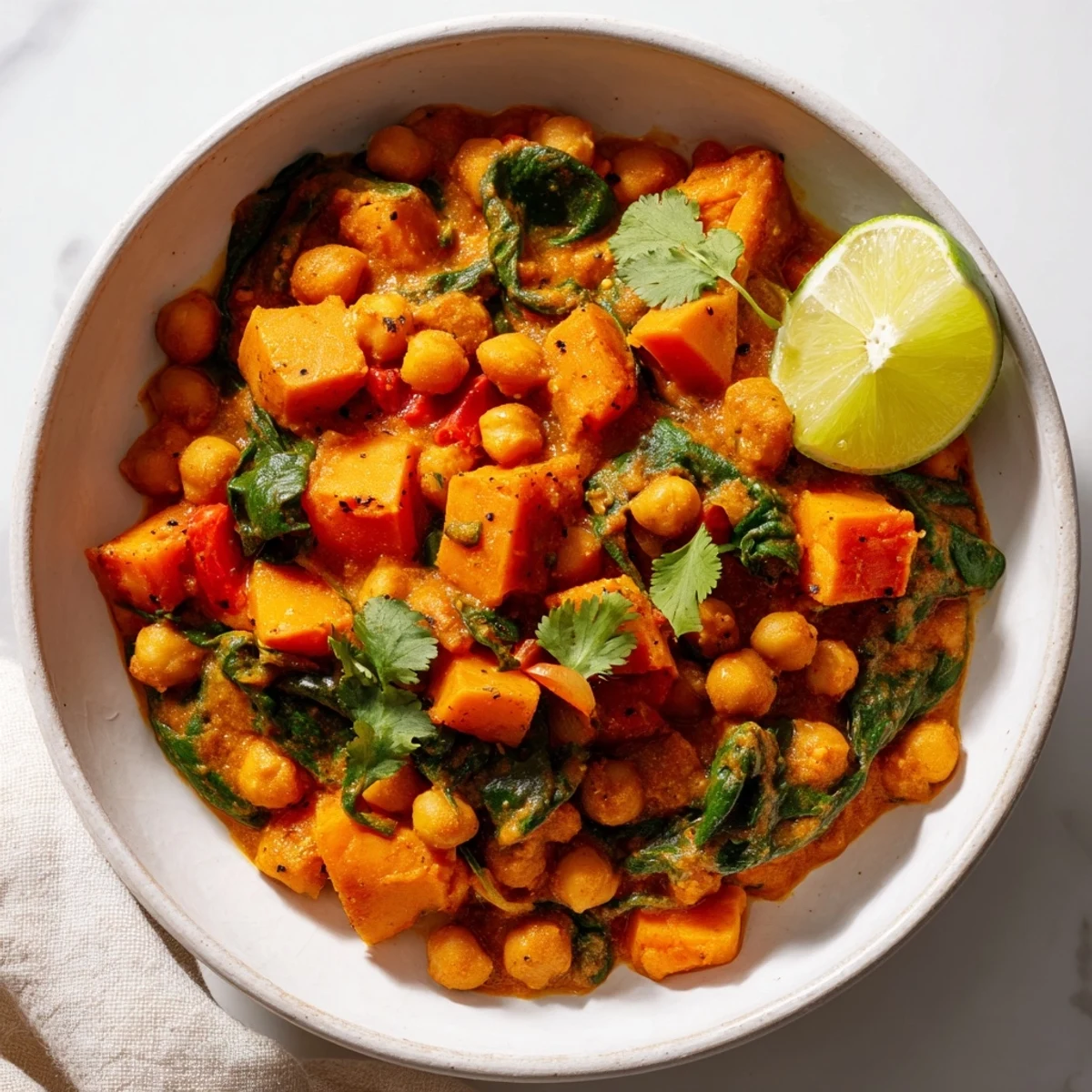
Save This vibrant dish combines tender sweet potatoes, hearty chickpeas, and fresh spinach simmered in a fragrant coconut and tomato base. Aromatic spices like curry powder, cumin, turmeric, and smoked paprika infuse warmth and depth. Quick to prepare and naturally vegan and gluten-free, it offers a comforting, nutritious meal perfect for any day. Garnished with fresh cilantro and lime wedges, it pairs wonderfully with rice or naan.
There's something magical about the moment when a pot of curry fills your kitchen with that unmistakable warmth—the spices blooming in hot oil, the sweetness of roasting onions mixing with ginger's sharp bite. I discovered this sweet potato curry on an ordinary Tuesday when I had nothing in my pantry but the basics and a craving for something that felt both nourishing and alive. What started as a quiet weeknight experiment became the dish I turn to whenever I need comfort that doesn't weigh me down.
I made this for my partner on a chilly evening when they were worn out from a long day, and I watched their whole face change the moment they tasted it—that subtle shift that happens when food reaches something deeper than hunger. There's real power in a bowl that combines earthiness with brightness, spice with softness.
Ingredients
- Sweet potatoes (2 medium, cubed): They soften into creamy clouds while holding their shape, creating pockets that catch the sauce. Choose ones that feel firm and heavy for their size.
- Yellow onion (1 medium, finely chopped): This is your foundation—the sweetness that balances heat and builds body in the sauce as it cooks down.
- Garlic and ginger (3 cloves and 1-inch piece): They should go in together and hit the oil with a quick sizzle; that sound means the timing is exactly right.
- Fresh spinach (4 cups, roughly chopped): Don't bother chopping it fine—it wilts into almost nothing and adds iron without any bitterness.
- Chickpeas (1 can, drained and rinsed): These are your protein anchor, sturdy enough to hold up against the long simmer and meaty enough to feel satisfying.
- Coconut milk (1 can, full-fat recommended): Full-fat creates a richer, more luxurious sauce, though light works if that's what you have on hand.
- Diced tomatoes (1 can with juices): This adds acidity that brightens the whole dish and keeps the sauce from feeling flat or one-note.
- Vegetable broth (1 cup): It thins everything to the perfect consistency and lets the spices distribute evenly.
- Curry powder, cumin, turmeric, paprika, cayenne (as listed): Toast these together—don't skip that step—it wakes them up and makes them sing rather than just sit flat on your tongue.
- Oil (2 tbsp coconut or olive): Use coconut if you want the curry to taste more authentically rounded; olive oil works but tastes slightly different.
- Fresh cilantro and lime (for serving): These aren't optional—they're the final note that makes the whole thing feel bright and complete.
Instructions
- Build your base:
- Heat oil in a large pot over medium heat, add chopped onion, and let it soften for 3-4 minutes until it turns translucent and starts to smell sweet. You want to hear a gentle sizzle, not aggressive bubbling.
- Wake up the aromatics:
- Add minced garlic and grated ginger, stirring constantly for just 1 minute until the whole kitchen smells alive and the raw edge disappears. This is the moment where everything shifts.
- Toast your spices:
- Add curry powder, cumin, turmeric, paprika, and cayenne (if using), stirring for another minute so they release their essential oils and flavor into the fat. You'll feel the difference between raw spices and bloomed ones.
- Coat the sweet potatoes:
- Add your cubed sweet potatoes and stir gently so every piece gets touched by the spiced oil. This coats them with flavor before the liquid goes in.
- Add the liquids:
- Pour in the coconut milk, canned tomatoes with their juices, and vegetable broth, stirring well to combine. The mixture should look creamy and vibrant, almost sunset-colored.
- Simmer until tender:
- Bring everything to a boil, then reduce heat and cover partially, simmering for 15-20 minutes until the sweet potatoes yield easily to a fork but haven't started falling apart. The timing depends on how small you cut them.
- Finish strong:
- Add the drained chickpeas and fresh spinach, stirring gently for about 5 minutes uncovered until the spinach collapses into the sauce and everything is heated through. The curry darkens slightly and becomes denser.
- Season to taste:
- Add salt and freshly ground black pepper, tasting as you go since canned ingredients vary in their saltiness. Finish with a squeeze of fresh lime juice if you have it.
- Serve:
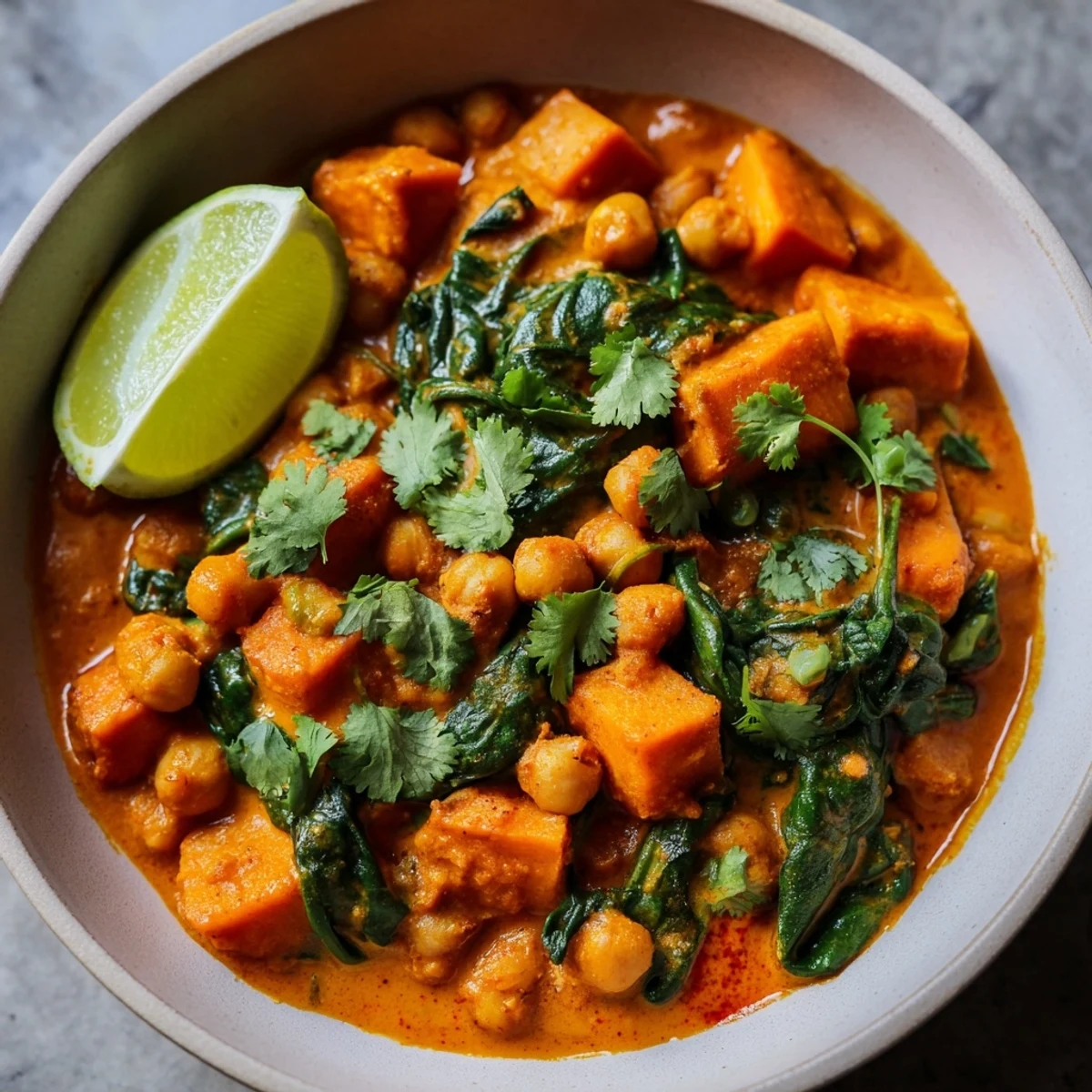
- Ladle into bowls and scatter with fresh cilantro and lime wedges, letting each person add brightness according to their taste.
 Save
Save I remember sitting at my table with three people I love, watching them each add lime differently—one person squeezing it directly, another wedging it on the rim—and realizing that this dish had somehow become a conversation piece instead of just dinner. That's when I knew it had become more than a recipe.
Why This Curry Works
The magic lives in the interplay between sweet and savory, in how the coconut milk softens the spices while the tomatoes keep everything from feeling heavy. Every element serves a purpose: the sweet potatoes add earthiness and substance, the chickpeas provide protein and texture, and the spinach arrives at the last moment like a final brightness. This isn't a curry that demands your attention or a complicated technique—it's one that teaches itself as you cook.
Making It Your Own
This recipe is a skeleton you can dress up or down depending on what's in your kitchen and what your mood demands. I've made it with half the spinach when I was in a rush, added a splash of lime juice halfway through cooking when something felt off, and once threw in cubed tofu during the last 10 minutes because I had it sitting there. The curry is forgiving enough to welcome these improvisations without falling apart.
Serving and Storage
Serve this over basmati rice, cauliflower rice, naan, or even quinoa—whatever feels right for the occasion or what you have time to prepare. It reheats beautifully, and if anything, the flavors deepen after a night in the refrigerator, making it ideal for meal prep or those moments when you want something warm without cooking. Leftovers keep for up to three days, though I rarely have any left to test that claim.
- For extra protein and a richer texture, cube some firm tofu and add it during the last 10 minutes of simmering.
- Adjust the heat by starting with just a pinch of cayenne or leaving it out entirely—you can always add more at the table with hot sauce.
- If you prefer a thinner curry, add more broth; if you want it thicker and more concentrated, let it simmer uncovered for a few extra minutes.
 Save
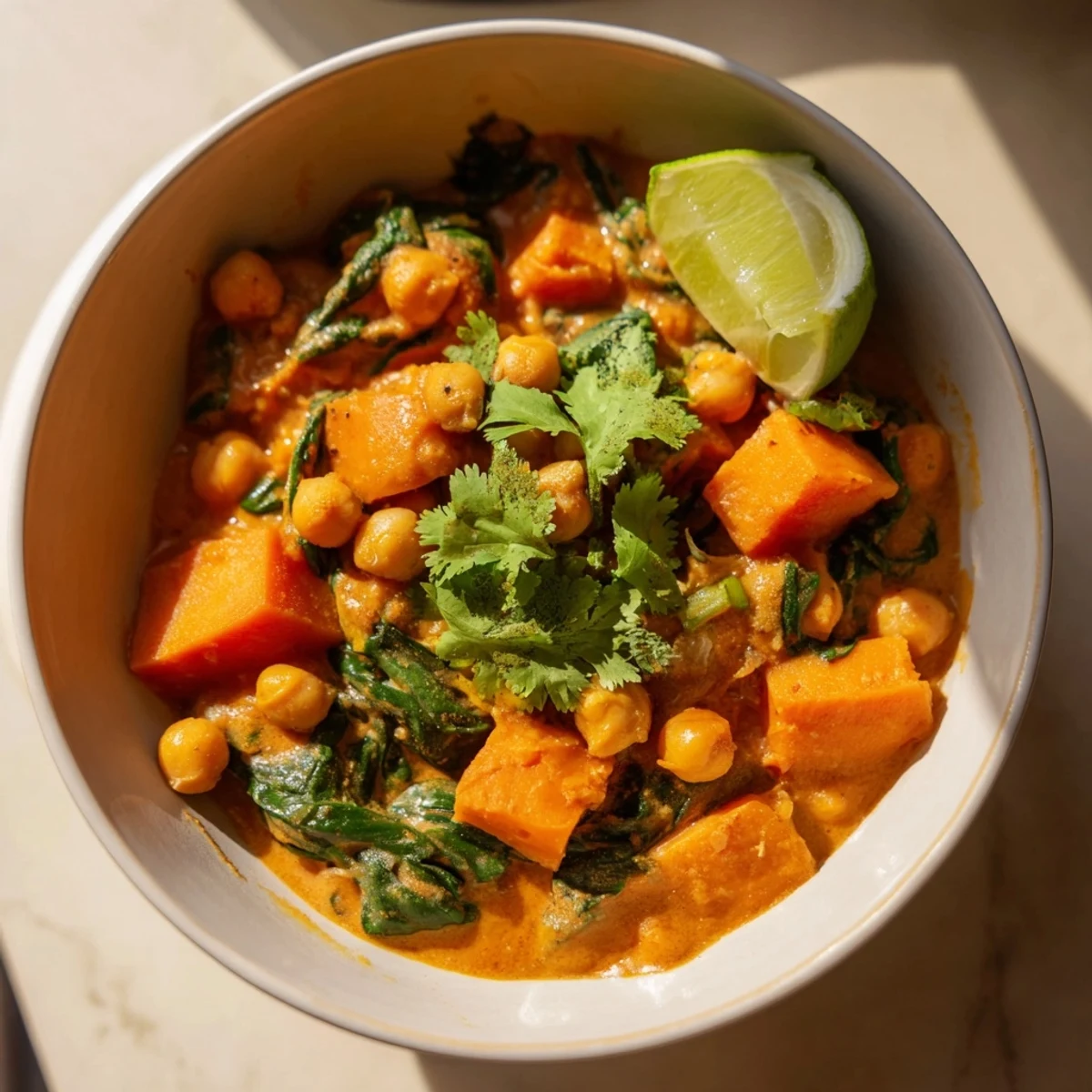
Save This curry has become my answer to those evenings when I need to feed people something that feels generous without being complicated. It's a dish that whispers rather than shouts, that satisfies without demanding, and that tastes even better when shared.
Recipe FAQs
- → How do I cook the sweet potatoes evenly?
-
Cut the sweet potatoes into uniform 1-inch cubes and simmer gently until tender for even cooking.
- → Can I adjust the spice level?
-
Yes, modify heat by adding or reducing the cayenne pepper according to taste preferences.
- → What can I serve with this dish?
-
It pairs well with basmati rice, naan, or quinoa to complete the meal.
- → How do I make it more protein-rich?
-
Add cubed tofu during the last 10 minutes of cooking for extra protein boost.
- → Is this dish gluten-free?
-
Yes, all ingredients are naturally gluten-free but always check canned goods and spices labels for additives.