
 Save
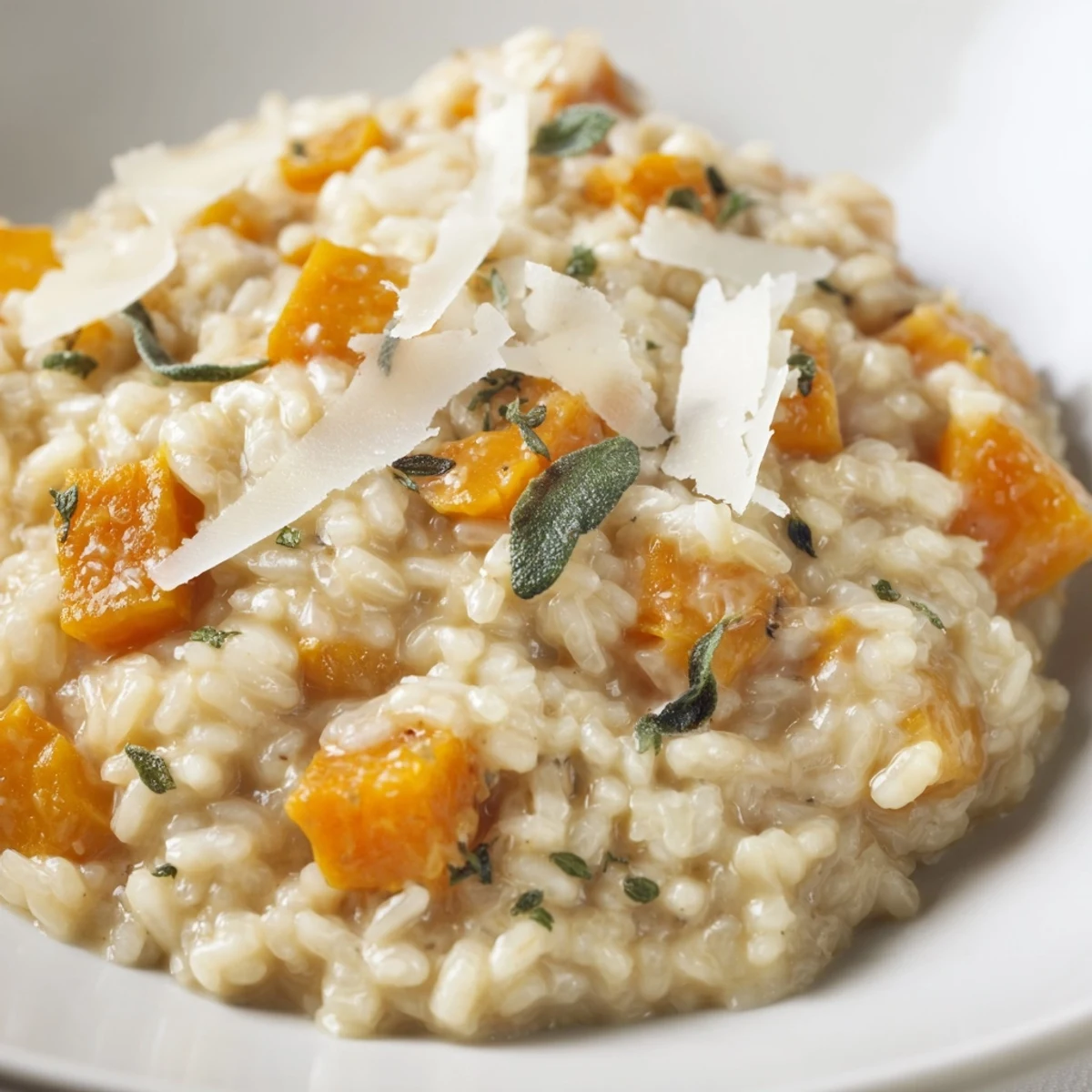
Save This comforting risotto blends tender winter squash cubes with fragrant sage and rich Parmesan cheese. The creamy dish begins by sautéing onion, garlic, and fresh sage before stirring in Arborio rice and deglazing with white wine. Warm vegetable broth is added gradually, cooking the rice to a creamy, al dente texture. Finishing touches of butter, Parmesan, and optional cream enhance the dish’s richness. Perfect served warm with extra Parmesan and sage garnish, it pairs beautifully with crisp white wines and offers a satisfying vegetarian option.
I stirred the pot on a Sunday evening when the first cold snap hit, watching pale cubes of squash tumble into melted butter. The kitchen smelled like toasted sage and something sweeter, almost caramel. I hadn't planned to make risotto that night, but the butternut squash had been sitting on the counter all week, practically begging for attention.
My friend once told me she could never make risotto because she didn't have the patience, but I made this for her on a rainy Tuesday and she stood at the stove with me, glass of wine in hand, ladling broth and talking about nothing in particular. By the time we sat down to eat, she'd forgotten she was supposed to be intimidated.
Ingredients
- Winter squash: Butternut is easiest to peel, but acorn has a deeper flavor if you don't mind the extra knife work.
- Arborio rice: The starch is what makes risotto creamy, so don't rinse it or you'll wash away the magic.
- Vegetable broth: Keep it warm in a separate pot so the rice doesn't seize up when you add cold liquid.
- Dry white wine: Something you'd actually drink works best, nothing labeled cooking wine.
- Unsalted butter: Divided because the first bit builds flavor and the last bit makes it silky.
- Parmesan cheese: Freshly grated melts better and doesn't clump like the pre-shredded stuff with cellulose coating.
- Fresh sage: Chop it fine or it overwhelms, but when it hits the butter it smells like October.
- Yellow onion and garlic: The foundation, nothing fancy but essential for depth.
- Heavy cream: Optional, but two tablespoons at the end makes it feel like a restaurant dish.
Instructions
- Start with the aromatics:
- Melt 2 tablespoons butter in a heavy pot and add the onion, letting it soften until it looks glassy, about 3 minutes. Toss in the garlic and sage, stirring until the smell makes you lean closer to the stove.
- Cook the squash:
- Add the diced squash and stir it around until the edges start to soften, about 5 minutes. It should still hold its shape but yield a little when you press it with the spoon.
- Toast the rice:
- Pour in the Arborio rice and stir constantly for a minute or two, until the grains look slightly see-through at the edges. This step matters more than you think.
- Deglaze with wine:
- Add the white wine and keep stirring until it's mostly gone, leaving just a faint shimmer in the pot.
- Add broth slowly:
- Ladle in warm broth one scoop at a time, stirring often and waiting until each addition disappears before adding more. The whole process takes 18 to 22 minutes, and you'll know it's done when the rice is creamy but still has a tiny bite in the center.
- Finish and rest:
- Stir in the last tablespoon of butter, the Parmesan, and cream if you're using it, then season with salt and pepper. Cover the pot, let it sit for 2 minutes, then serve it hot with extra cheese and sage on top.
 Save
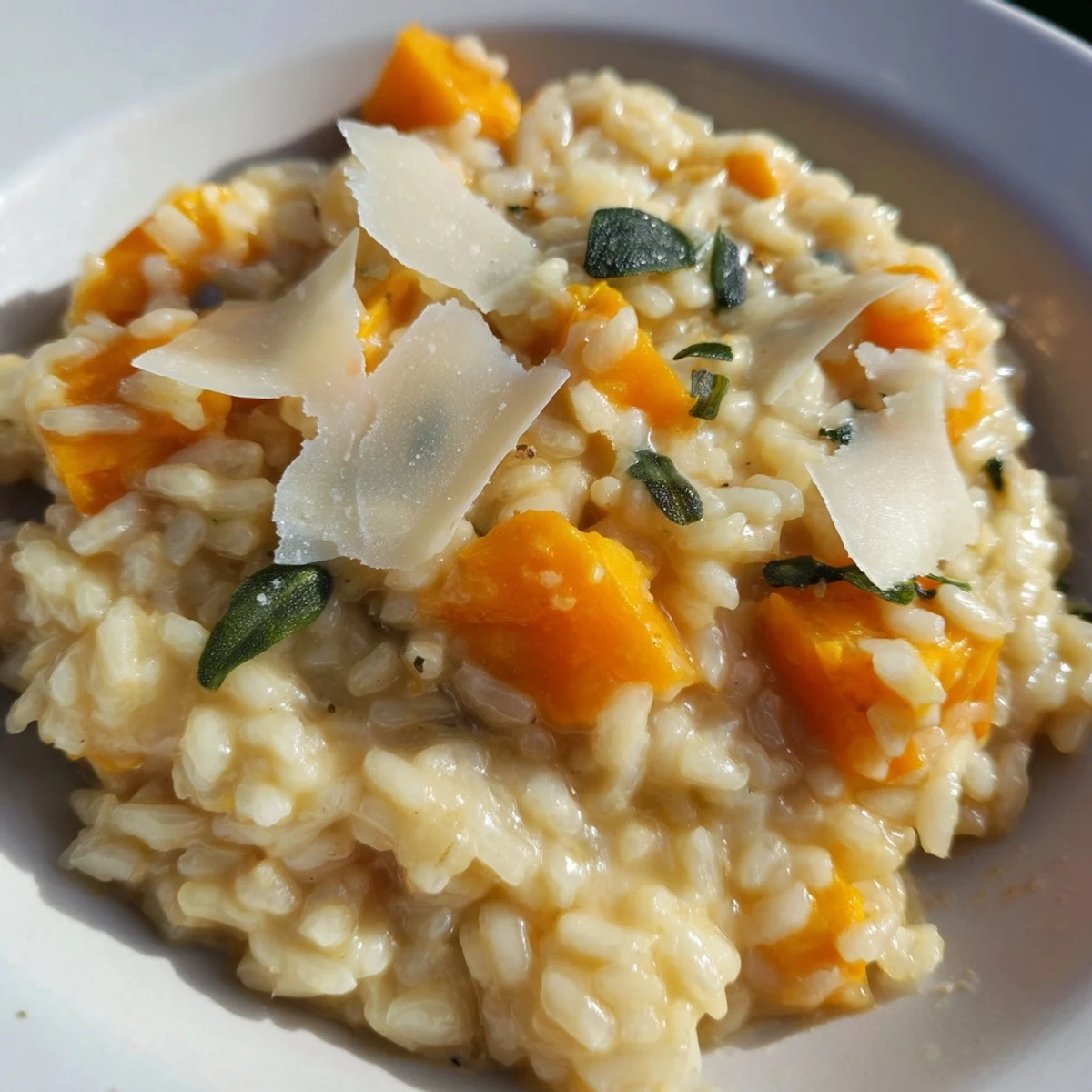
Save The first time I served this to my family, my dad went quiet after the first bite and then asked for seconds before anyone else had finished. He's not a risotto person, or so he claimed, but he scraped his bowl clean and told me the squash reminded him of something his grandmother used to make, though he couldn't remember what.
What to Do with Leftover Squash
If you roast the squash ahead of time like the notes suggest, any extra cubes are perfect tossed into salads or mashed into soup the next day. I've also folded them into scrambled eggs with a little goat cheese, and that worked better than it had any right to.
Choosing Your Squash
Butternut is reliable and sweet, but kabocha has a denser texture that holds up even better under stirring, and delicata is subtle enough that the sage really shines through. I've made this with all three and never regretted any of them, so use what looks good at the market.
Pairing and Serving
A cold Pinot Grigio cuts through the richness without fighting the Parmesan, and a green salad with lemon vinaigrette on the side keeps things from feeling too heavy. If you want to stretch it further, serve smaller portions as a first course before roasted chicken or fish.
- Leftovers reheat better with a splash of broth stirred in over low heat.
- You can make this dairy-free by swapping nutritional yeast for Parmesan and using olive oil instead of butter, though the texture won't be quite as plush.
- Fresh thyme works if you can't find sage, but use half as much because it's stronger.
 Save
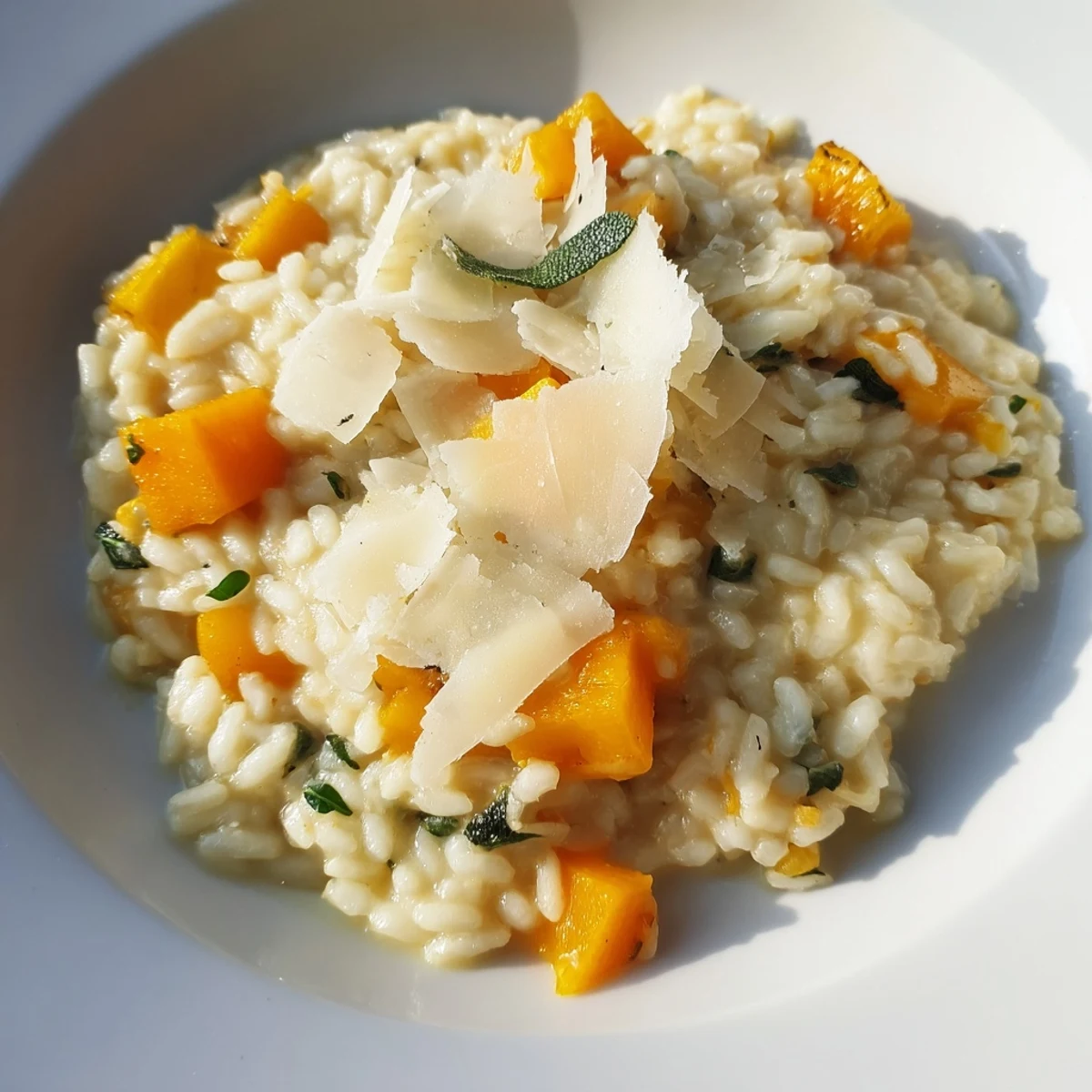
Save This is the dish I make when I want to feel capable and calm at the same time, when the act of stirring is the whole point. It tastes even better than it should, and somehow that's always a surprise.
Recipe FAQs
- → What type of squash works best for this dish?
-
Butternut or acorn squash are ideal choices due to their sweet, tender flesh. Kabocha or delicata can be used as alternatives.
- → Can I make the risotto creamier?
-
Adding heavy cream towards the end of cooking enhances creaminess without overpowering the flavors.
- → How do I achieve the perfect risotto texture?
-
Gradually add warm vegetable broth, stirring frequently, allowing each ladleful to absorb before adding more. This creates a creamy, al dente texture.
- → Is it necessary to use white wine?
-
White wine adds subtle acidity and depth. If avoided, substitute with extra broth and a squeeze of lemon for brightness.
- → What herbs complement winter squash in this dish?
-
Fresh sage is the star herb here, imparting earthy, aromatic notes that pair beautifully with the squash and cheese.
- → Can this dish be prepared ahead of time?
-
Risotto is best served fresh. If needed, gently reheat with a splash of broth to restore creaminess.