
 Save
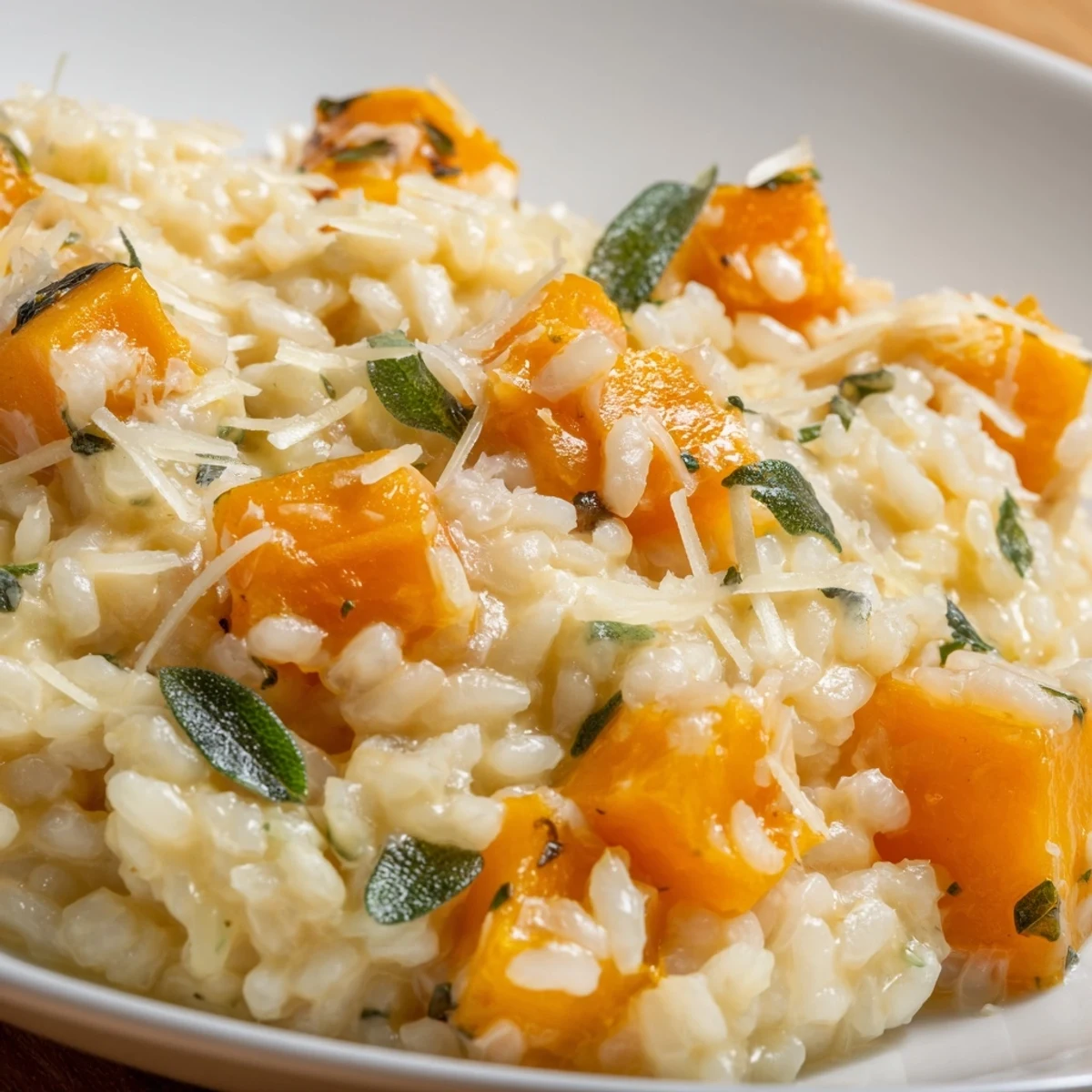
Save This comforting Italian dish transforms Arborio rice into a creamy masterpiece through slow addition of warm vegetable stock. Roasted winter squash adds natural sweetness and velvety texture, while fresh sage brings earthy aromatics that complement the richness. The finishing touch of butter and aged Parmesan creates a luxurious coating on each grain. The technique requires patience—stirring frequently and adding stock gradually releases the rice's starch for that signature creamy consistency without needing cream. Perfect for entertaining or a cozy weeknight dinner, this vegetarian main pairs beautifully with crisp white wine and a simple green salad.
The first snowfall was just starting when I decided risotto was the only logical response to the weather. Something about stirring that rice, watching it transform grain by grain, feels like the most peaceful way to spend a Sunday afternoon. My kitchen filled with the scent of roasting squash and sage, and suddenly the gray afternoon felt remarkably cozy.
I made this for friends last winter, and we ended up eating standing around the stove, spooning it straight from the pan. Nobody wanted to bother with formal seating when something this comforting was steaming right in front of us. Sometimes the best dinner parties are the ones that refuse to follow the rules.
Ingredients
- Winter squash: Roasting it first concentrates the sweetness and creates pockets of tender sweetness throughout the risotto
- Arborio rice: This short grain variety releases starch gradually, creating that signature creamy texture risotto is famous for
- Fresh sage: The earthy, slightly piney flavor pairs perfectly with the natural sweetness of winter squash
- Vegetable stock: Keep it warm in a separate pan so adding it does not shock the rice or interrupt the cooking process
- Parmesan cheese: freshly grated melts better and delivers more flavor than pre grated versions ever could
Instructions
- Roast the squash:
- Toss diced squash with olive oil and salt, then roast at 400°F until tender and golden brown at the edges
- Build the base:
- Sauté onion in butter and oil until translucent, then add garlic and sage until the kitchen smells incredible
- Toast the rice:
- Stir in Arborio rice and cook until grains look slightly translucent at edges, about 2 minutes
- Add the wine:
- Pour in white wine and stir until absorbed, letting the alcohol cook off completely
- The risotto ritual:
- Add warm stock one ladleful at a time, stirring frequently and letting each addition absorb before the next
- Finish with love:
- Fold in roasted squash, remaining butter, and Parmesan, then let rest 2 minutes before serving
 Save
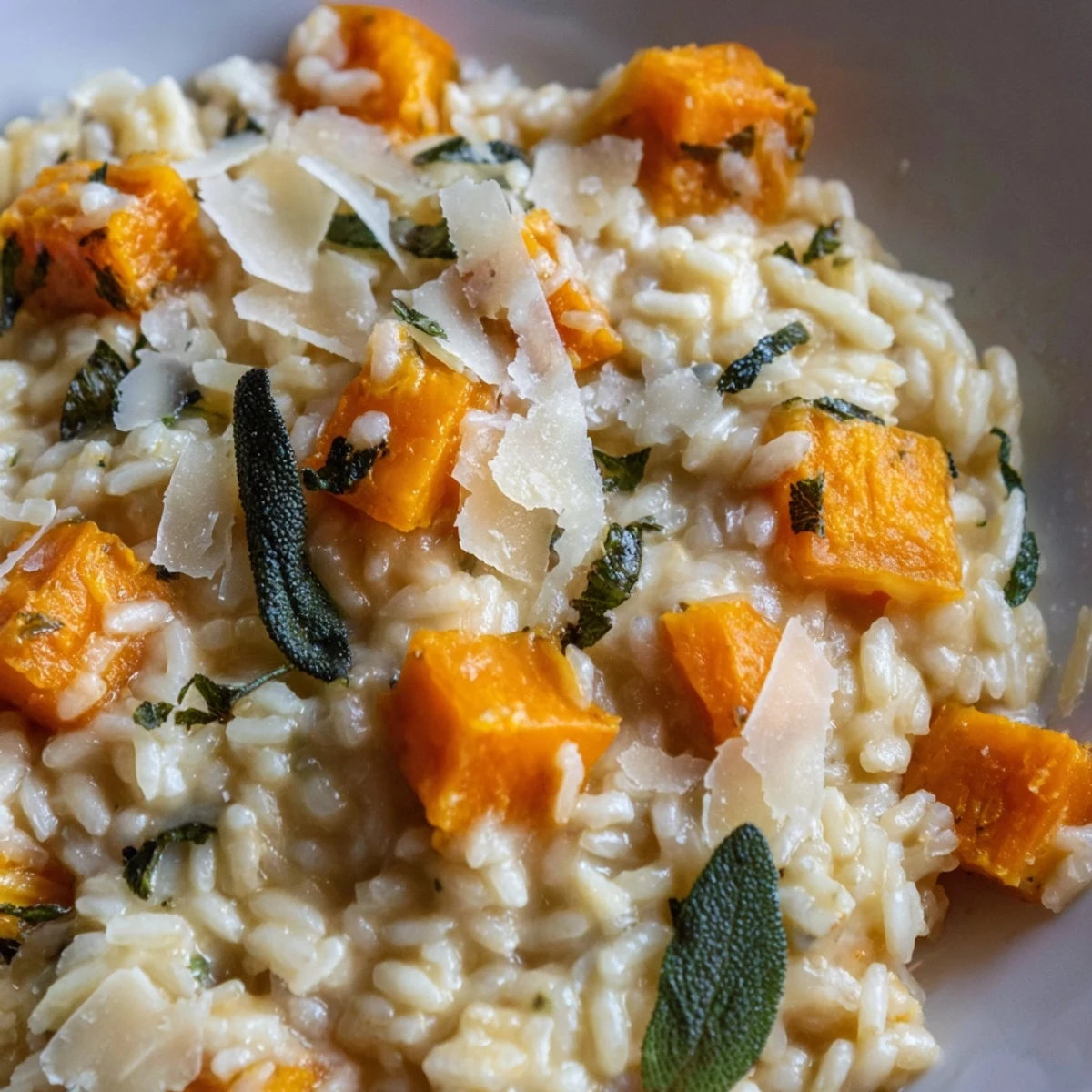
Save This recipe became my go to comfort food after a particularly difficult November. Something about the repetitive stirring felt meditative, and the result was always worth every minute spent at the stove. Now it is the first thing I think of when days get shorter and temperatures drop.
The Secret to Perfect Texture
Adding cold stock to hot rice shocks the grains and uneven cooking follows. Keep your stock simmering gently in a separate pan so each ladleful is warm when it hits the rice. This small detail makes all the difference between good risotto and great risotto.
Wine Pairing Wisdom
Use whatever dry white wine you would enjoy drinking, because the flavor concentrates as it cooks. A Pinot Grigio or Sauvignon Blanc works beautifully, adding brightness that cuts through the rich final dish.
Make It Your Own
While this version is wonderful as written, risotto welcomes variations. Try swapping half the squash for sautéed mushrooms, or add a handful of baby spinach at the very end for a pop of color. The technique stays the same even when ingredients change.
- Leftovers reheat beautifully with a splash of broth
- The rice continues to absorb liquid, so thin it out when reheating
- This recipe doubles easily for a dinner party
 Save
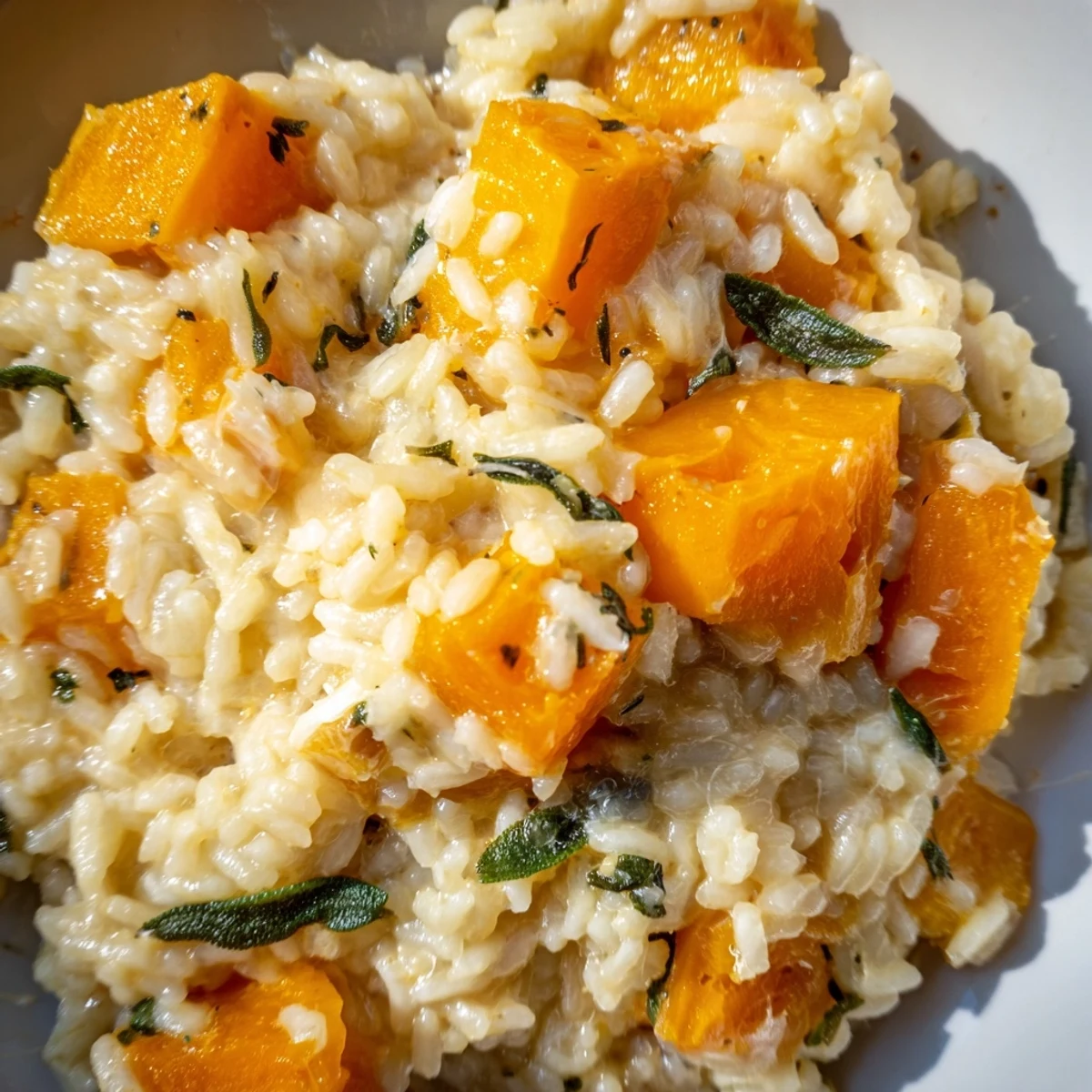
Save Winter evenings were made for food like this, something that warms you from the inside out and makes you grateful for simple pleasures.
Recipe FAQs
- → What makes risotto creamy?
-
The creaminess comes from Arborio rice's high starch content, which releases into the liquid during slow cooking and frequent stirring. No actual cream is needed in traditional risotto.
- → Can I use other types of winter squash?
-
Absolutely. Butternut, acorn, kabocha, or even pumpkin work wonderfully. Choose varieties that roast well and have a sweet, nutty flavor profile.
- → Why must the stock be warm?
-
Adding cold stock shocks the rice and interrupts the cooking process, resulting in uneven texture. Warm stock maintains consistent temperature for proper starch release.
- → Is this dish gluten-free?
-
Yes, if you use gluten-free vegetable stock. Arborio rice is naturally gluten-free, making this an excellent option for those avoiding gluten.
- → Can I make this ahead?
-
Risotto is best served immediately for optimal texture. However, you can roast the squash and prepare your mise en place up to a day in advance to streamline cooking.
- → What wine works best?
-
Pinot Grigio, Sauvignon Blanc, or a dry Italian white like Pinot Grigio or Soave complement the dish's richness. Use something you'd enjoy drinking.