
 Save
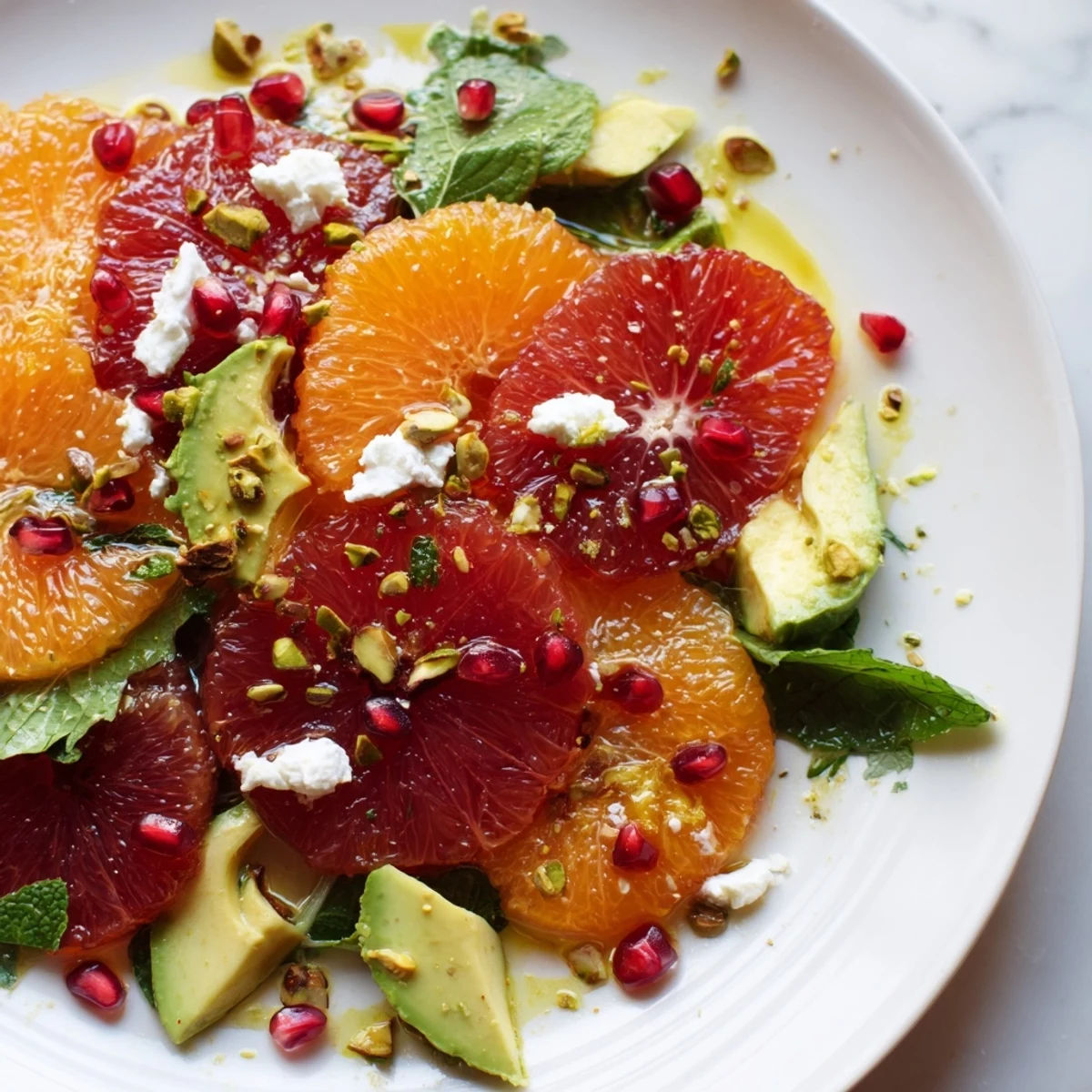
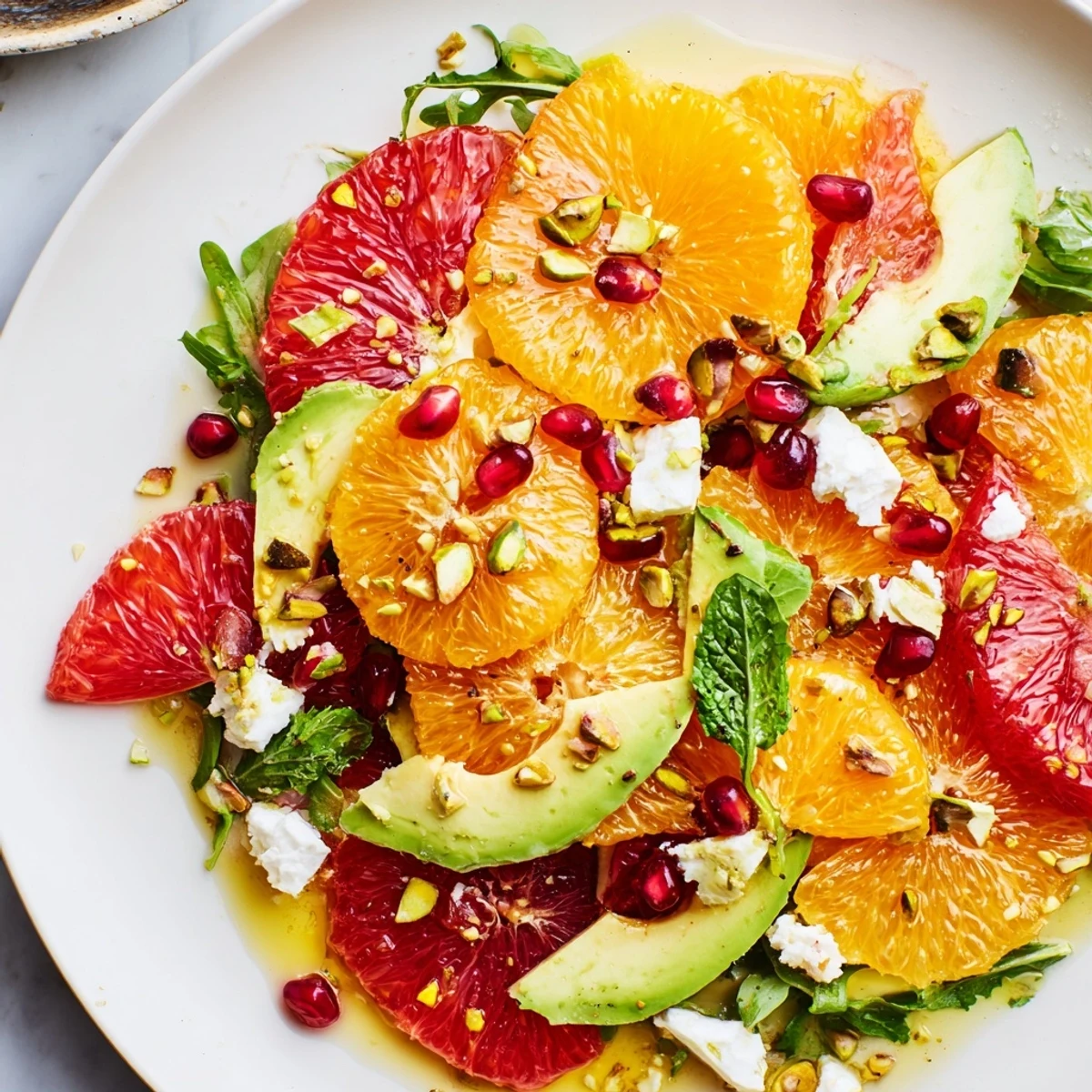
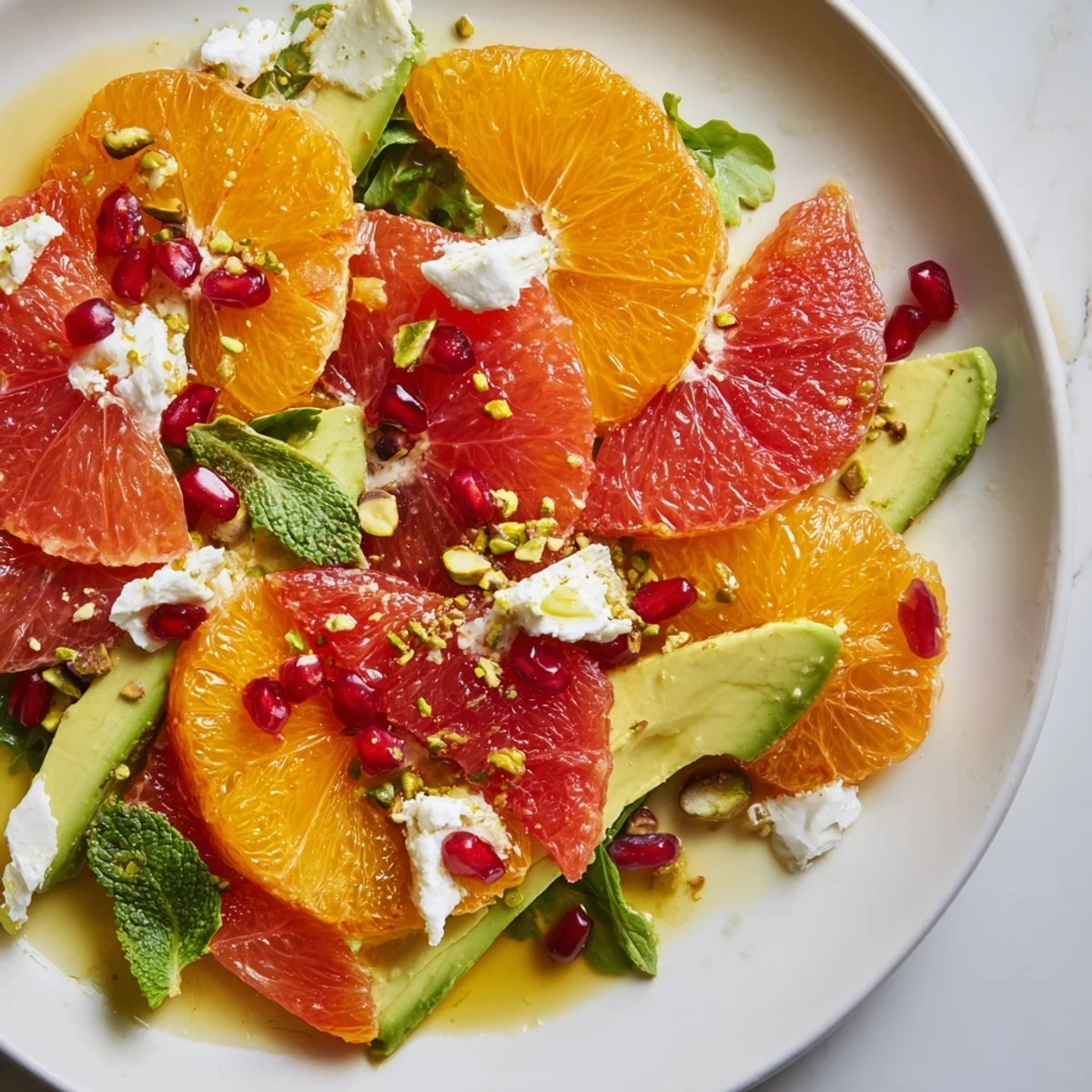
Save This refreshing citrus salad brings together the best of Mediterranean flavors in just 20 minutes of prep time. Sweet oranges and grapefruits are paired with creamy avocado slices, jewel-like pomegranate seeds, and tangy crumbled feta cheese atop a bed of fresh greens.
A simple honey-lemon dressing ties everything together beautifully, making it an ideal starter or light vegetarian meal that's naturally gluten-free. Optional garnishes of fresh mint and toasted pistachios add an extra layer of flavor and crunch.
The kitchen window was fogged up from a rainy January afternoon when I started slicing oranges and grapefruits just to use them up, and by the time I was done arranging everything on a plate with avocado and pomegranate, the whole counter looked like a stained glass window someone had knocked loose from a cathedral.
My neighbor stopped by unannounced that same afternoon and ended up sitting at the counter eating half the platter while telling me about her trip to Lisbon, barely pausing between bites to say how the pomegranate seeds reminded her of a market she visited there.
Ingredients
- Citrus fruits (2 large oranges, 2 large grapefruits, 1 blood orange if you can find one): The mix of colors is what makes this salad stunning, and the blood orange adds a deep magenta that regular oranges simply cannot replicate.
- 1 ripe avocado: Choose one that yields slightly when pressed but is not mushy, since firm slices hold their shape on the platter.
- 1 small red onion: Paper thin slices are key here because thick cuts will overpower the delicate fruit.
- 1/2 cup pomegranate seeds: These little jewels bring crunch and bursts of sweetness that tie everything together.
- 1/2 cup feta cheese, crumbled: A good quality block you crumble yourself is worlds better than the pre crumbled tubs.
- 4 cups mixed greens: Arugula is my favorite for its peppery bite, but baby spinach works beautifully too.
- 3 tbsp extra virgin olive oil: Use the good stuff here since the dressing is raw and the flavor really shines through.
- 1 tbsp fresh lemon juice: Fresh only, as the bottled version tastes flat and metallic next to real citrus.
- 1 tsp honey or maple syrup: Just enough to round out the acidity without making anything taste sweet.
- 1/2 tsp Dijon mustard: This is the quiet ingredient that holds the dressing together emulsion wise.
- Sea salt and freshly ground black pepper: Season to taste at the very end.
- Fresh mint leaves and toasted pistachios or walnuts (optional garnish): The mint adds a bright finish and the nuts give a toasty crunch that feels indulgent.
Instructions
- Prep the citrus:
- Slice off the tops and bottoms of each fruit so they stand flat, then cut away the peel and white pith in downward strokes following the curve of the fruit. Cut them into thin rounds or segment them over a bowl to catch any juice for the dressing.
- Slice the avocado:
- Halve it, remove the pit with a gentle twist of your knife, and peel each half before slicing it into thin elegant fans.
- Cut the onion:
- Halve the red onion and slice it into paper thin half moons, letting them fall apart into individual rings.
- Whisk the dressing:
- In a small bowl, whisk the olive oil, lemon juice, honey, Dijon mustard, salt, and pepper until the mixture looks creamy and unified, tasting with your finger to adjust.
- Build the platter:
- Spread the greens across a large serving platter, then layer on the citrus rounds, avocado slices, and red onion in a loose, artful arrangement that looks abundant rather than precise.
- Add the toppings:
- Scatter the pomegranate seeds and crumbled feta over everything, letting some fall into the greens and some land directly on the fruit.
- Dress and finish:
- Drizzle the dressing evenly across the platter, scatter torn mint and toasted nuts if using, and serve immediately while the avocado is still bright green.
 Save
Save A week later I made this same salad for a potluck and watched three people who claimed they do not eat salad go back for second helpings, which told me everything I needed to know about the power of salty feta against sweet grapefruit.
A Few Words on Citrus Selection
Not all citrus is created equal and this salad will taste only as good as the fruit you start with. Heavier fruits for their size tend to be juicier, and a slight give when squeezed is a good sign that the segments will be tender rather than fibrous.
Serving This as a Main Course
If you want to turn this into a proper meal rather than a starter, grilled shrimp or seared scallops laid warm on top of the cool fruit create a temperature contrast that feels restaurant worthy without much extra effort.
Making It Your Own
Part of the joy of a salad like this is how forgiving it is once you understand the basic structure of juicy fruit, something creamy, something salty, and something crunchy. Think of the recipe below as a starting point rather than a rulebook.
- Try swapping grapefruit for tangerine segments in winter when they are plentiful and sweet.
- Toasted sesame seeds can stand in for nuts if allergies are a concern.
- Always taste a piece of fruit before committing to the full recipe, since a dry orange will let you down every time.
 Save
Save This is the kind of recipe that reminds you how little you actually need to do to something beautiful when the ingredients themselves are doing all the talking.
Recipe FAQs
- → Can I prepare this citrus salad ahead of time?
-
You can prep the individual components up to a day in advance. Slice the citrus and onion, and store them separately in airtight containers in the fridge. Assemble the salad and add the dressing just before serving to keep the greens fresh and the avocado from browning.
- → What's the best way to segment citrus fruits for this salad?
-
Use a sharp knife to slice off the top and bottom of each fruit, then cut away the peel and white pith following the curve of the fruit. Cut crosswise into rounds or slice between the membranes to create individual segments. Removing the pith ensures a cleaner, less bitter taste.
- → How do I keep the avocado from turning brown?
-
Slice the avocado right before assembling the salad. You can also toss the slices with a small splash of lemon juice to slow oxidation. Once dressed with the lemon-based vinaigrette, the avocado will hold its color well for immediate serving.
- → What can I substitute for feta cheese?
-
Goat cheese makes a great alternative with a similar tangy profile. For a dairy-free version, try a plant-based feta or simply omit the cheese and add a handful of Kalamata olives for a salty, briny contrast.
- → Which citrus fruits work best in this salad?
-
Navel oranges and ruby red grapefruit are classic choices. Blood oranges add a stunning visual element with their deep crimson color. You can also incorporate Meyer lemons, tangerines, or pomelo segments for varied sweetness and acidity levels.
- → What main dishes pair well with this salad?
-
This salad complements grilled chicken, pan-seared fish, or lemon herb shrimp beautifully. For a vegetarian spread, serve it alongside roasted vegetable quinoa or a hearty grain bowl. It also works well as a standalone light lunch with crusty bread.