
 Save
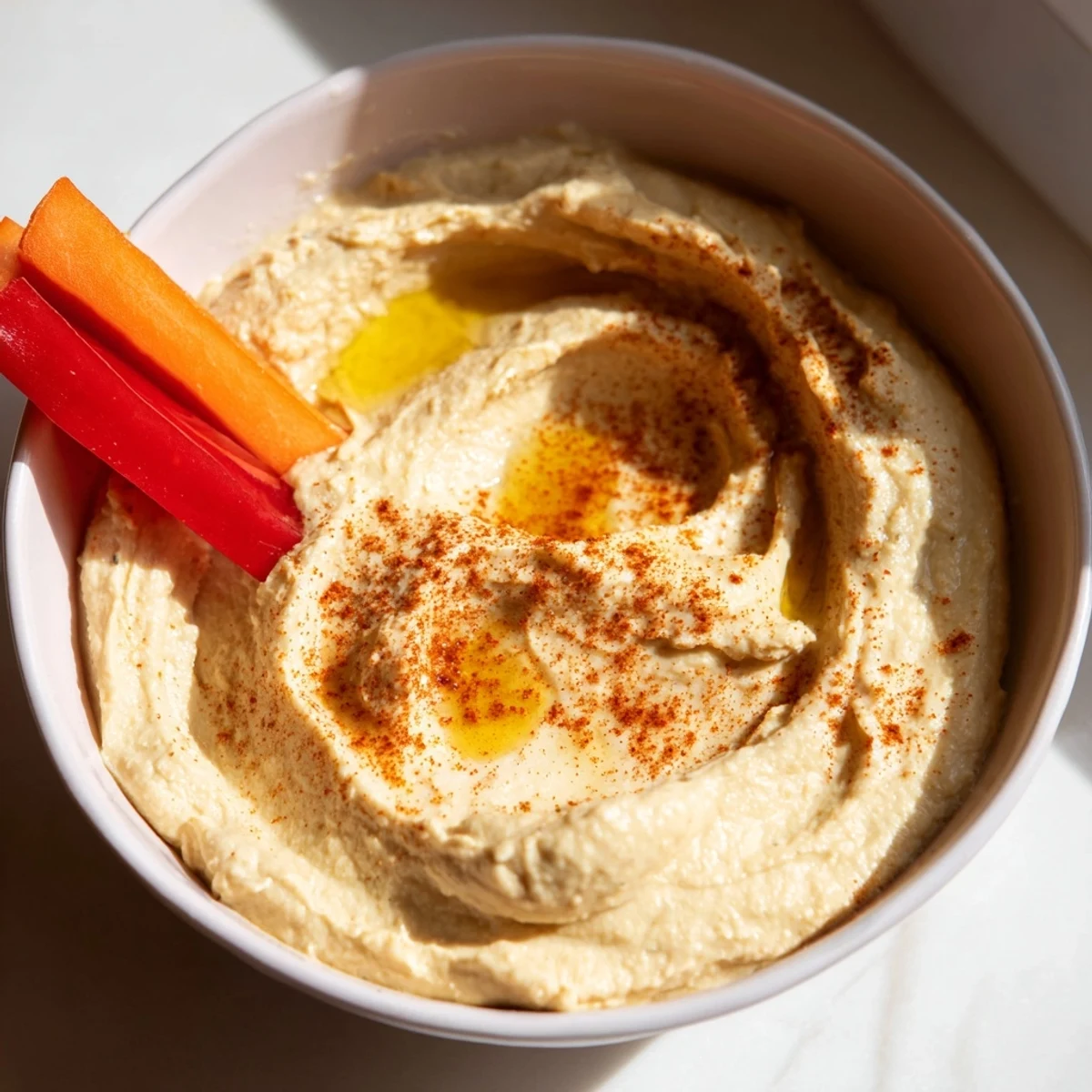
Save This classic hummus blends well-drained chickpeas with tahini, olive oil, lemon juice, garlic, and cumin for a creamy texture. It’s served with fresh vegetable sticks like carrots, cucumbers, and bell peppers, offering a refreshing, crunchy contrast. Simply blend ingredients until smooth, season to taste, and arrange veggies around the dip. Perfect for a quick, nutritious snack or appetizer that’s vegan and gluten-free.
There's something about a bowl of hummus that stops a conversation mid-sentence. I learned this years ago when I brought a batch to a friend's dinner party, not thinking much of it—just chickpeas and tahini blended smooth. Within minutes, people were hovering around it, dipping vegetables like they'd discovered something they didn't know they were craving. It's become my go-to when I want to feel like I've done something thoughtful with minimal effort.
I remember my mom squinting at tahini labels at three different stores because she was convinced the first one tasted off. Turns out she was right—switching brands completely changed how my hummus tasted. Now I'm particular about it too, and I've learned that good tahini makes the difference between something mediocre and something people ask you to bring back.
Ingredients
- Chickpeas: Drain and rinse them well—this removes the starchy liquid that can make hummus grainy instead of creamy.
- Tahini: This sesame paste is what gives hummus its signature richness; don't skip it or substitute it with peanut butter, even though the thought might cross your mind.
- Extra virgin olive oil: Use the good stuff you actually like tasting, because you'll taste it directly.
- Lemon juice: Fresh squeezed makes a real difference in brightness; bottled works but tastes a little flat by comparison.
- Garlic: One small clove is plenty—garlic hummus can quickly become aggressive garlic paste.
- Cumin: Ground cumin adds warmth and depth without overpowering; it's the quiet backbone of the flavor.
- Salt: Start with less; you can always add more, but you can't take it back.
- Cold water: This controls the consistency, so add it gradually and taste as you go.
Instructions
- Combine your base:
- Put the chickpeas, tahini, olive oil, lemon juice, minced garlic, cumin, and salt into a food processor. The processor does the heavy lifting here—don't try this by hand unless you enjoy a very long workout.
- Blend until silky:
- Pulse and blend, scraping down the sides occasionally, until the mixture goes from chunky to completely smooth. This usually takes 3 to 5 minutes depending on your food processor's mood.
- Add water slowly:
- Add cold water one tablespoon at a time, blending between each addition. You want hummus that's creamy enough to scoop but thick enough to hold a shape on a vegetable stick.
- Taste and adjust:
- This is where hummus becomes yours—add more lemon for brightness, more salt for depth, or more cumin if it tastes a little plain. Trust your palate.
- Plate it beautifully:
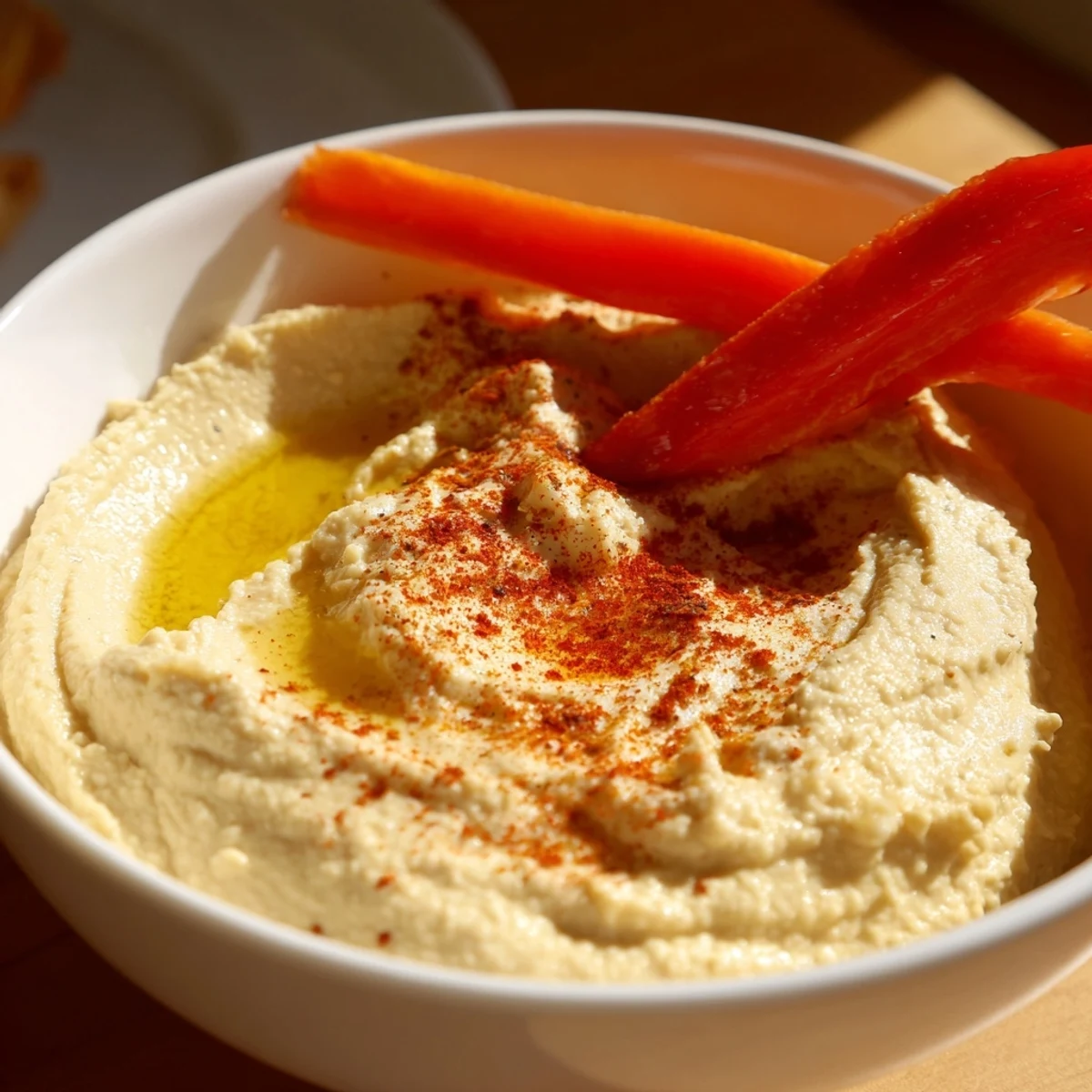
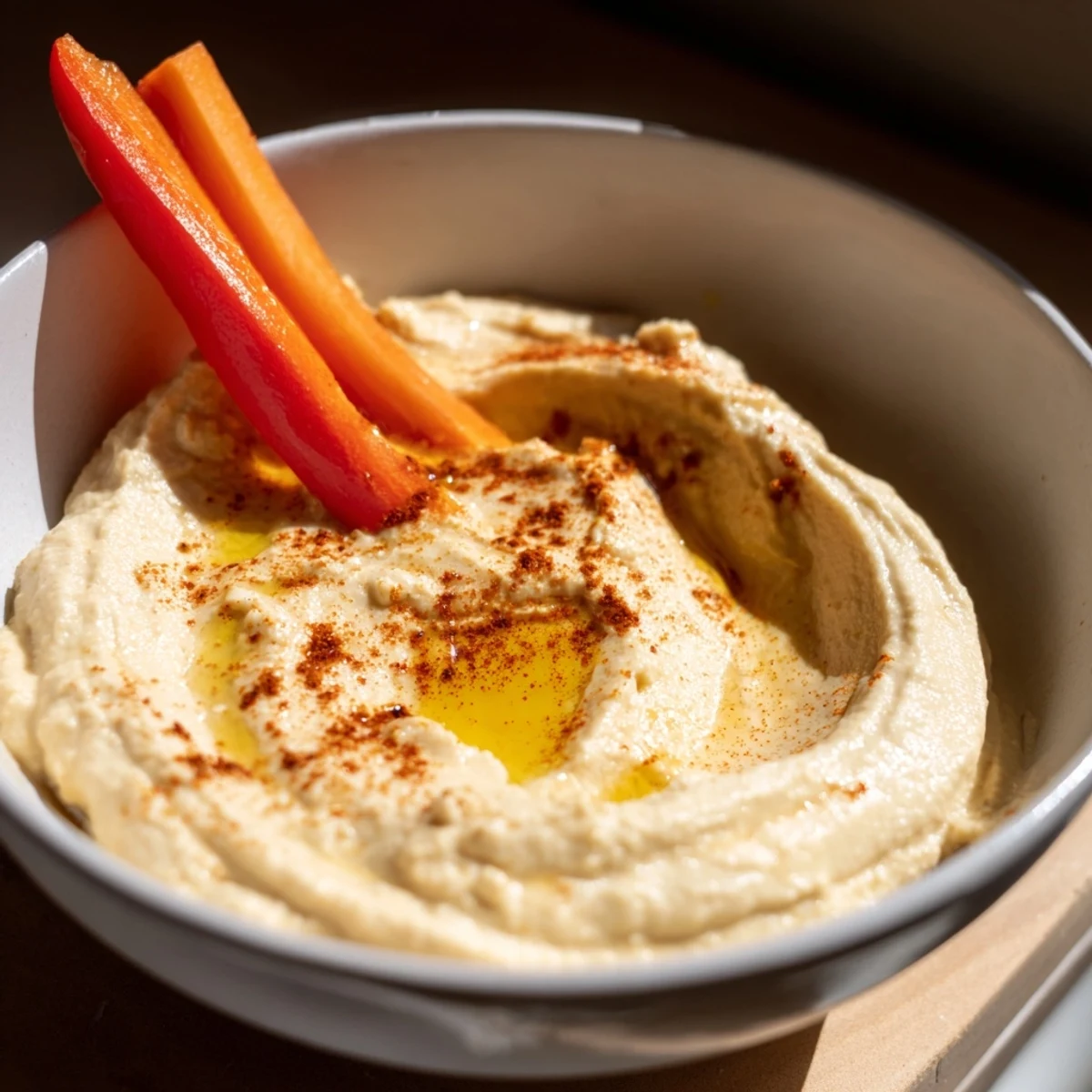
- Transfer to a serving bowl, drizzle with a little extra olive oil, and sprinkle with paprika or parsley if you want it to look intentional. Arrange your vegetable sticks on a platter around it like you planned this all along.
 Save
Save I once made hummus for my partner when we were both having one of those weeks where everything felt difficult. We ate it straight from the bowl with crackers at 10 p.m., not even bothering with the vegetables, and somehow it turned the night around. There's comfort in something that simple and wholesome.
Vegetable Prep That Actually Gets Eaten
The way you cut vegetables matters more than you'd think. Long, sturdy sticks are easier to scoop with, and they stay crunchy longer than thin slices because less surface area is exposed to air. I learned this after my beautiful thin vegetable arrangement turned sad and limp halfway through dinner. Now I cut everything thick and proud, and they last the whole meal.
Making This Your Own
Hummus is endlessly forgiving once you understand the basics. I've made it with roasted garlic instead of raw (smoother, sweeter), added harissa for heat, stirred in a handful of fresh herbs, or even made a beet version that came out an unexpected pink. The vegetables can change with the season too—whatever's fresh and tastes good to you.
- Try adding a pinch of smoked paprika or roasted red peppers for a different flavor story.
- Radishes, snap peas, and cherry tomatoes are wonderful when carrots and peppers feel tired.
- Make a batch and keep it in the fridge for up to 4 days so you have something healthy to grab mindlessly.
Tahini and Storage Wisdom
Tahini separates over time, with oil rising to the top, which can make hummus grainy if you don't account for it. Stir the jar well before measuring, or store an opened jar upside down in the fridge to keep the oil distributed. Hummus itself keeps beautifully for days and actually tastes better on day two or three when the flavors have gotten to know each other.
 Save
Save This recipe is proof that the best dishes don't require fancy ingredients or complicated steps—just good intentions and a moment to share something good with someone. Make this, feel proud, and watch it disappear.
Recipe FAQs
- → What gives hummus its creamy texture?
-
The smoothness comes from blending chickpeas with tahini, olive oil, lemon juice, and a bit of water until creamy and well combined.
- → Can I use other vegetables for the sticks?
-
Absolutely, vegetables like radishes, snap peas, or cherry tomatoes make great alternatives based on freshness and preference.
- → How should I adjust the seasoning?
-
Taste the hummus after blending and add more lemon juice, salt, or cumin according to your preference.
- → Is this dish suitable for gluten-free diets?
-
Yes, all ingredients used are naturally gluten-free, making it a suitable choice for gluten-sensitive individuals.
- → How can I enhance the flavor of traditional hummus?
-
Adding smoked paprika or roasted garlic can provide deeper, smoky notes to the flavor profile.