
 Save
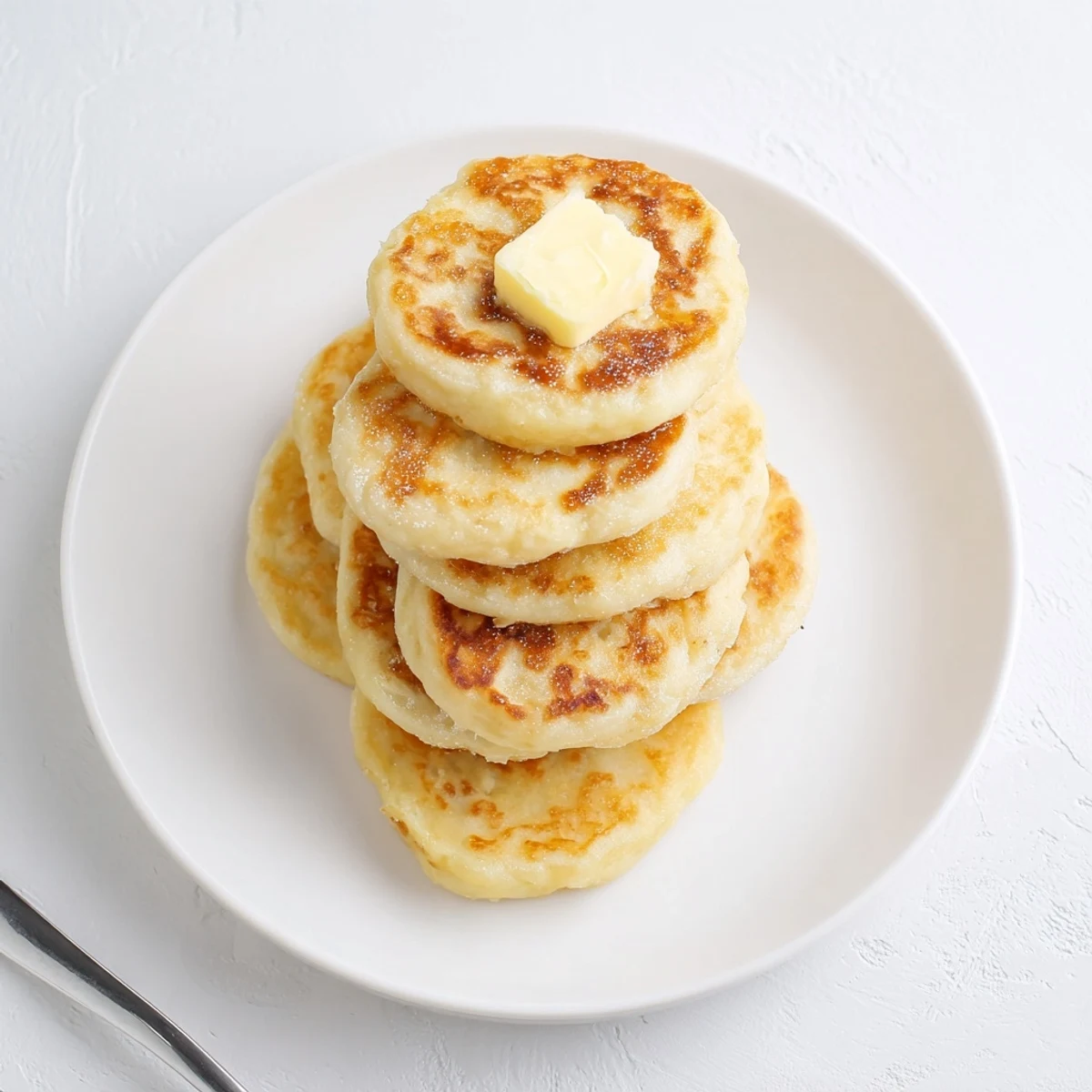
Save These traditional Irish potato cakes deliver the perfect combination of textures—crispy, golden exteriors giving way to light, fluffy interiors. Made with just five pantry staples including floury potatoes, butter, milk, and flour, they come together in under 40 minutes.
The process starts with boiling and mashing potatoes until smooth, then mixing with butter and milk for creaminess. Flour binds everything together into a soft dough that's patted flat and cut into rounds or triangles.
Fry them in melted butter over medium heat until both sides achieve that irresistible golden-brown crust. They're incredibly versatile—enjoy them warm with extra butter, add chopped chives for extra flavor, or serve alongside smoked salmon and sour cream.
Leftover mashed potatoes work beautifully here, making this an excellent way to repurpose extras. Perfect for a full Irish breakfast, brunch, or as a comforting side dish with soups and stews.
The smell of butter hitting a hot skillet takes me back to my grandmother's tiny kitchen in County Cork, where morning light spilled through lace curtains and she'd stand at the stove, flipping these golden rounds while I sat at the table counting the seconds. She never measured anything, not once, but her potato cakes always came out perfectly crisp outside and impossibly fluffy within, like she'd struck some secret bargain with the potatoes themselves.
Last winter, when my friend Tom was recovering from surgery and couldn't stomach much else, I showed up at his door with a stack of these warm cakes wrapped in a clean tea towel. He ate three standing right there in his hallway, and later told me that first bite was the moment he finally started feeling like himself again.
Ingredients
- Floury potatoes: I've learned the hard way that waxy potatoes just won't give you that light interior you want, so stick to Russets or Maris Pipers that break down beautifully when mashed
- Unsalted butter: You need enough butter in the dough for richness, but even more for the pan because that golden buttery crust is non-negotiable
- Whole milk: Cold milk can make the mash gummy, so I always warm it slightly before pouring it in
- Plain flour: This binds everything together without making the cakes heavy or bread-like
- Salt and pepper: Potatoes need plenty of salt to come alive, and a good crack of black pepper cuts through all that richness
Instructions
- Boil and prep your potatoes:
- Start the potatoes in cold salted water and cook them until they're completely tender, then let them drain and steam dry for a couple of minutes because excess water is the enemy of crisp potato cakes
- Mash until perfectly smooth:
- Mash the potatoes until they're absolutely lump-free, then work in the butter and warm milk until you have something silky and creamy, then set it aside to cool slightly
- Form the dough:
- Stir in your flour, salt, and pepper until a soft, slightly sticky dough comes together, and don't worry if it feels a bit tacky, that's exactly right
- Shape and cut:
- Turn the dough onto a floured surface, give it a gentle knead just until it comes together, pat it into a disc about a half-inch thick, and cut into rounds or triangles
- Fry to golden perfection:
- Melt some butter in a skillet over medium heat and cook the cakes in batches, about three to four minutes per side, until they're deeply golden and crisp, adding more butter as needed
 Save
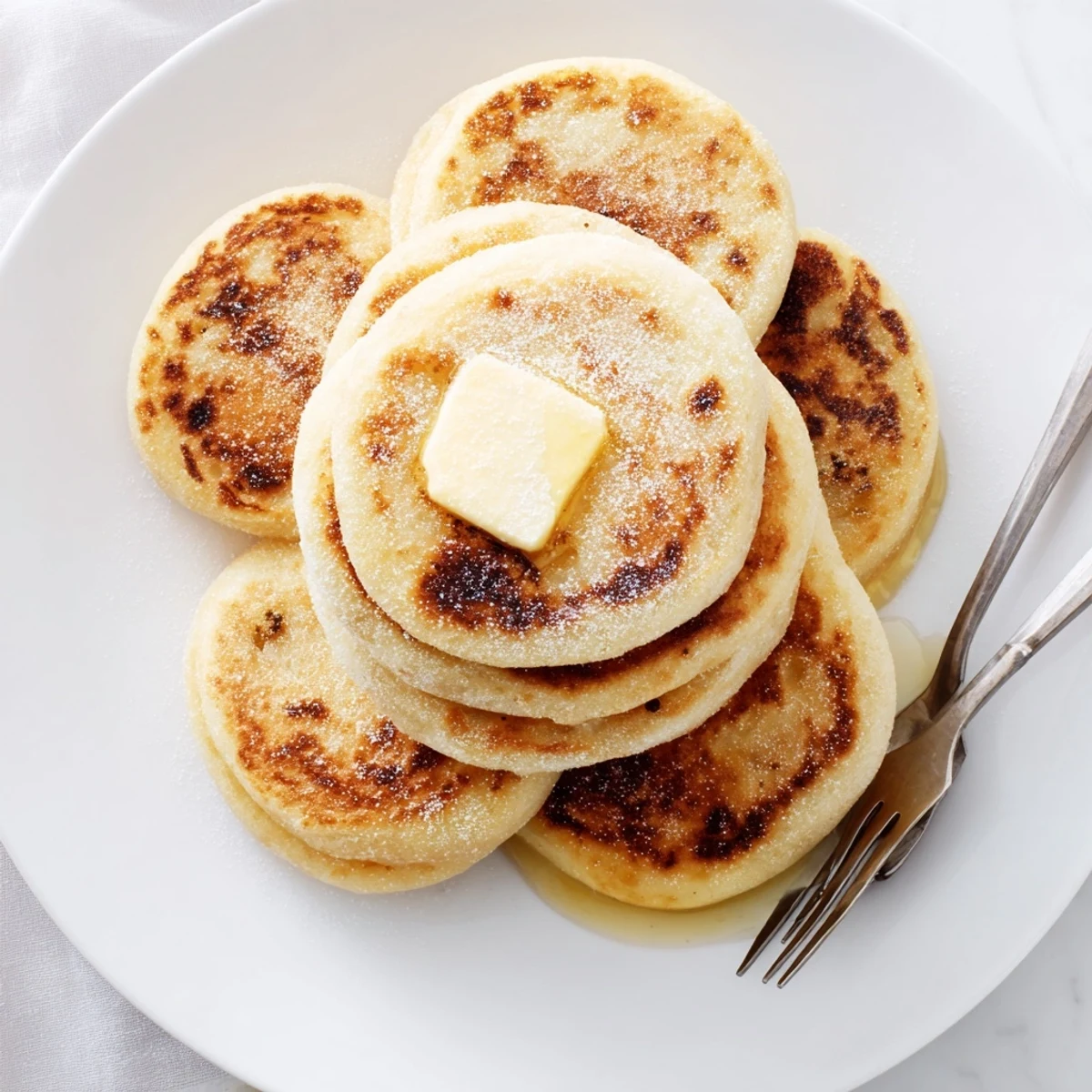
Save These became my go-to comfort food during rainy weekends when I need something that feels like a hug but doesn't require hours standing at the stove. There's something profoundly satisfying about taking something so simple and turning it into something that feels special.
Getting The Perfect Crust
The secret to that shattering exterior is patience with your pan heat, too high and they'll burn before cooking through, too low and they'll absorb butter without crisping. I've found medium heat gives me that golden crust while ensuring the inside heats all the way through.
Make Them Your Own
While the classic version is perfect on its own, I sometimes fold in chopped chives or finely diced scallions right at the end for a hit of freshness. They're also incredible topped with smoked salmon and a dollop of sour cream for a more elegant appetizer.
Serving Ideas That Work
These potato cakes are versatile enough to work at breakfast, lunch, or dinner, and they reheat beautifully in a skillet.
- Serve them alongside a full Irish breakfast with fried eggs and bacon
- Top with poached eggs and hollandaise for a brunch twist on eggs Benedict
- Keep them simple with just an extra pat of melting butter and some flaky sea salt
 Save
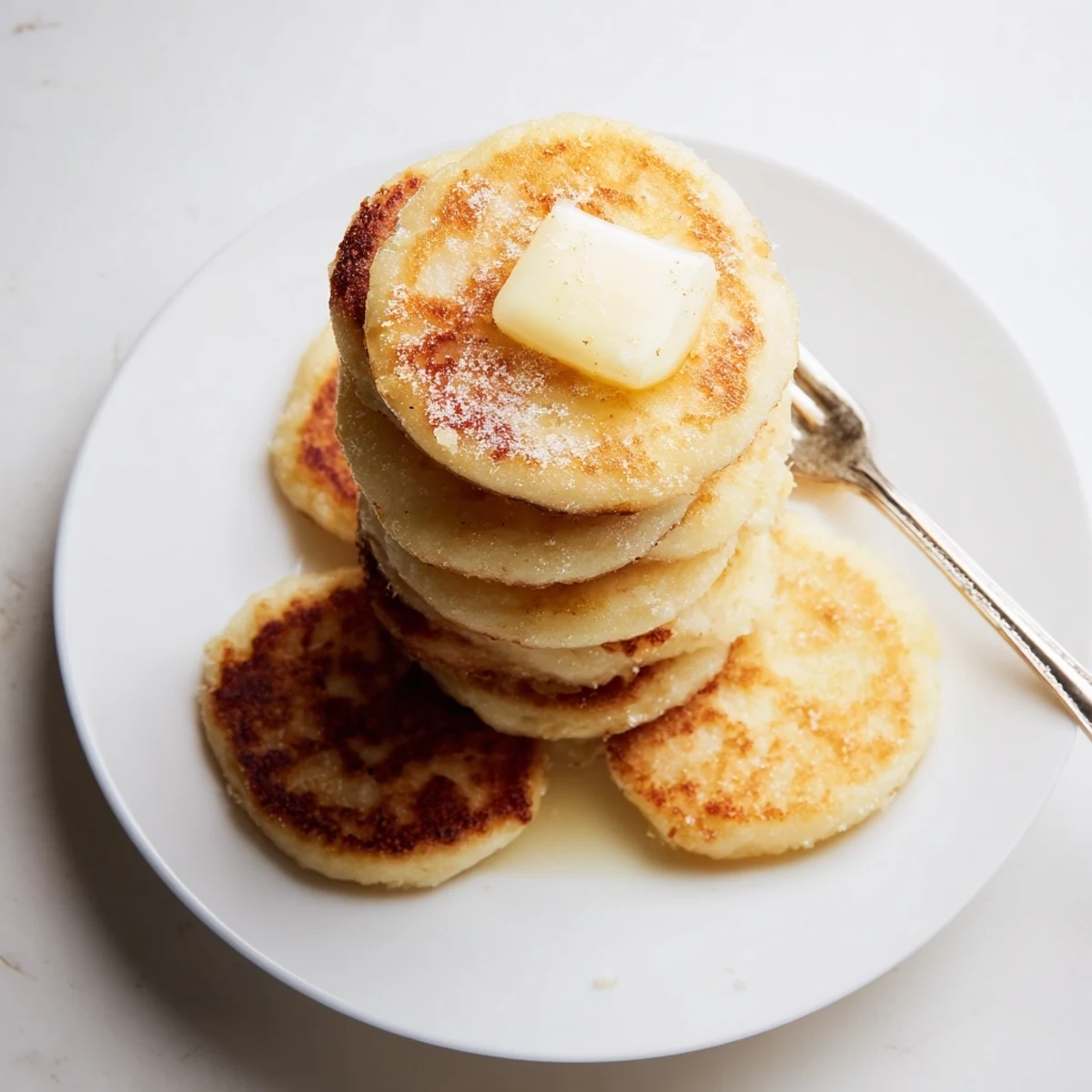
Save There's something deeply honest about food that comes from such humble ingredients, and these potato cakes have reminded me time and again that the simplest things in the kitchen are often the ones that bring the most joy.
Recipe FAQs
- → What type of potatoes work best?
-
Floury or starchy potatoes like Russet, Maris Piper, or King Edward are ideal. Their high starch content and low moisture create the lightest, fluffiest interior while still crisping beautifully outside.
- → Can I use leftover mashed potatoes?
-
Absolutely. Leftover mashed potatoes work perfectly and actually save time since they're already cooked and seasoned. You may need slightly less flour depending on how creamy your leftovers are.
- → How do I get the crispest exterior?
-
Ensure your pan is properly preheated over medium heat before adding the cakes. Don't crowd the pan—fry in batches if needed. Patting the dough to an even thickness also helps them cook uniformly.
- → What can I serve with potato cakes?
-
They're traditional alongside a full Irish breakfast with eggs, bacon, and sausages. For lighter meals, serve with smoked salmon and sour cream, or simply topped with melted butter and fresh chives.
- → Can I freeze these for later?
-
Yes. Cook the cakes completely, let them cool, then freeze in layers with parchment paper between. Reheat in a skillet over medium-low heat or in a 200°C (400°F) oven for 10 minutes until hot and crisp again.
- → How thin should I pat the dough?
-
Aim for about 1 cm (½ inch) thickness. This creates the ideal ratio of crispy crust to soft interior. Too thin and they'll be dry; too thick and they won't cook through before the exterior burns.