
 Save
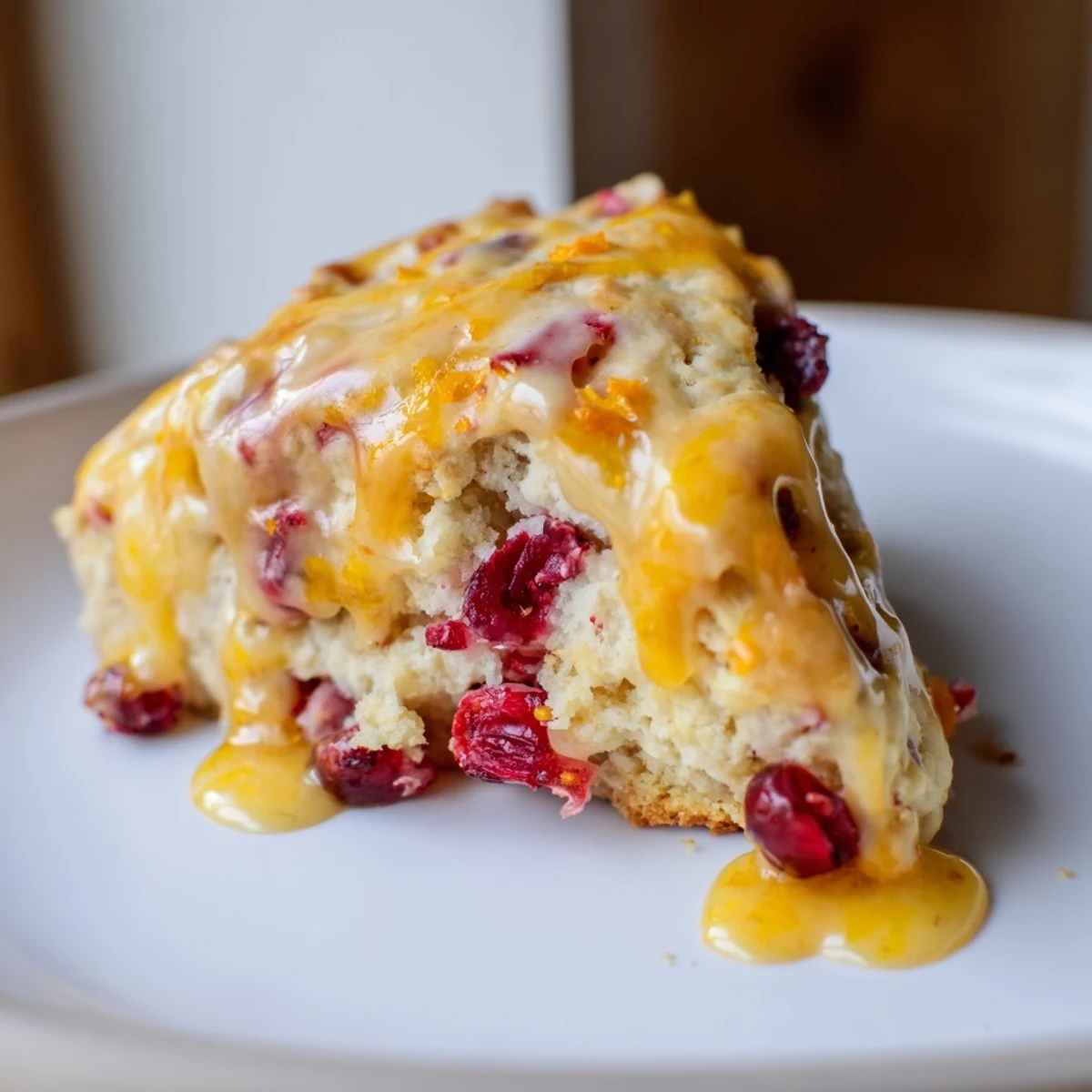
Save These scones combine a tender, buttery crumb with the tart burst of cranberries and the bright zing of orange zest. Prepared quickly with simple ingredients like flour, butter, cream, and fresh orange flavor, they bake to a golden perfection. Ideal for breakfast or paired with tea, their soft texture and citrus notes create a delightful balance. Optional glaze adds a subtle sweetness that complements the tangy fruit perfectly.
There's something about the smell of orange zest hitting warm butter that stops me mid-morning every time. I first made these scones on a grey Tuesday when a friend texted asking if I could bake something for her book club that weekend—I had no recipe planned, just a craving for something buttery and bright. The cranberries came from a bag I'd forgotten in the back of the freezer, and the orange was sitting on my counter looking lonely. Two hours later, I had eight golden wedges cooling on a rack, and I knew I'd stumbled onto something special.
I'll never forget my mum's face when she bit into one of these at the book club—she just closed her eyes for a second and said, "This tastes like you remembered how to bake." That stuck with me. These scones have this way of making people feel cared for, even when you've just mixed them together in your kitchen on an ordinary day.
Ingredients
- All-purpose flour (2 cups): The foundation of a tender scone—measure by spooning and leveling, never scooping straight from the bag, or you'll end up with dense, heavy results.
- Granulated sugar (1/3 cup): Adds sweetness without being cloying; trust the amount, it's calibrated for the tartness of the cranberries.
- Baking powder (1 tbsp): This is what gives you that gentle rise and tender crumb, so make sure yours isn't sitting around expired.
- Salt (1/2 tsp): A tiny amount that makes the orange flavor sing and balances all the sweetness.
- Cold unsalted butter (1/2 cup), cubed: Cold is non-negotiable here—if it's soft, your scones will be greasy and flat instead of flaky and tall; I keep mine in the freezer for 10 minutes before starting.
- Heavy cream (2/3 cup), plus extra for brushing: The secret to moisture without making the dough sticky; regular milk will leave them dry and crumbly.
- Large egg: Binds everything and gives you that golden, glossy top when brushed on before baking.
- Orange zest (from 1 large orange): Zest before you juice—use a microplane for fine, bright flecks that distribute evenly throughout.
- Pure vanilla extract (1 tsp): A whisper of vanilla that deepens the orange without announcing itself.
- Fresh or dried cranberries (1 cup): Tart, jewel-like pops of flavor; dried ones can be tough, so I soak them briefly if they seem particularly hard.
- Powdered sugar and orange juice (for optional glaze): A finishing touch that looks lovely and tastes bright, though the scones are delicious plain too.
Instructions
- Heat your oven and prepare your stage:
- Set the oven to 400°F and line your baking sheet with parchment paper—this takes just a minute but saves you from sticky scrambling later.
- Build your dry foundation:
- Whisk together flour, sugar, baking powder, and salt in a large bowl. This distributes the leavening evenly so every scone rises with the same gentle bounce.
- Cut in the cold butter:
- Add your cubed cold butter and work it in with a pastry cutter or your fingertips until the mixture looks like coarse breadcrumbs—think pea-sized pieces scattered throughout. This is where the flakiness comes from, so don't rush and don't let the butter warm up.
- Combine your wet ingredients:
- In a small bowl, whisk together cream, egg, orange zest, and vanilla until everything is pale and combined. The zest will seem to float at first, but that's exactly right.
- Bring it all together gently:
- Pour the wet mixture into the dry ingredients, sprinkle the cranberries over top, and stir just until the dough comes together—you want to see streaks of flour disappearing, not a perfectly homogeneous ball. Overmixing makes scones tough, so resist the urge to keep going.
- Shape your dough:
- Turn the dough onto a lightly floured surface and gently pat it into an 8-inch round about 1 inch thick. Your hands are the best tool here; be gentle and let the dough tell you when it's ready.
- Cut and arrange:
- Using a sharp knife, cut the round into 8 wedges like you're slicing a pie. Place them on the prepared baking sheet with a little space between each one—they'll puff slightly as they bake and need room to breathe.
- Brush and bake:
- Lightly brush the tops with extra cream and slide the sheet into the oven. Bake for 16 to 18 minutes until they're golden brown on top and the insides are cooked through—a skewer inserted into the center should come out clean.
- Cool and finish:
- Let them rest on a wire rack for a few minutes before glazing, if using. The glaze should be thin enough to drizzle but thick enough to coat; adjust with a little more juice or sugar until it feels right.
 Save
Save The first time I served these warm with clotted cream and a pot of proper tea, my kitchen felt like someone else's dream of comfort—that quiet moment when everything tastes the way you hoped it would. It's funny how something so simple can change the whole feeling of a morning.
The Secret to Scone Success
The difference between a dense scone and a heavenly one lives in how you handle the dough after mixing. I learned this the hard way after years of making them slightly too tight, thinking I needed to ensure everything was perfectly combined. The magic happens when you let the dough stay just a little rough—those pockets of unmixed flour and butter create the tender, flaky layers you're after. Temperature matters just as much as technique, so keep everything cold until the moment it hits the oven.
Why Citrus and Cranberry Work So Well Together
Orange and cranberry aren't a random pairing—they actually balance each other in a way that feels almost deliberate. The tartness of cranberry can read as harsh on its own, but the brightness of orange zest softens it into something sophisticated and inviting. I've learned that acidic fruits like these need a counterpoint; without the orange, the cranberries can overwhelm, but together they create this beautiful complexity that makes people pause mid-bite and ask what they're tasting.
Serving and Pairing Ideas
These scones shine in different contexts depending on when and how you serve them. For breakfast, they're lovely with a dollop of whipped cream and a touch of jam, though honestly I prefer them nearly plain so you can taste the orange and cranberry clearly. For afternoon tea, they're fancy enough that clotted cream and a spread feel like occasion, and they pair beautifully with anything from a delicate herbal blend to a robust black tea. I've also served them alongside sparkling wine at a casual brunch and watched people relax immediately—there's something about warm scones that makes any moment feel less rushed.
- Toast leftover scones split and buttered, and they taste like they were meant to be that way.
- If you have plain yogurt and honey on hand, they're a lovely counterpoint to the sweetness of the scone itself.
- Remember that scones are at their best within a few hours of baking, but they freeze beautifully for up to two weeks and can be warmed gently in a low oven.
 Save
Save There's something deeply satisfying about pulling a tray of scones from the oven and knowing you've made something that feels both effortless and generous. I hope these bring a little brightness to your table, whether you're sharing them or simply sitting quietly with tea and a moment to yourself.
Recipe FAQs
- → How do I keep scones tender?
-
Use cold butter cut into the dry ingredients to create flaky layers, and avoid overmixing the dough to keep scones tender.
- → Can dried cranberries be used instead of fresh?
-
Yes, soak dried cranberries in warm water for 10 minutes before use to soften them and maintain moisture in the scones.
- → What is the purpose of orange zest in the dough?
-
Orange zest adds a bright citrus aroma and flavor, enhancing the overall freshness and balancing the tartness of the cranberries.
- → How should scones be baked for best results?
-
Bake at 400°F (200°C) on a lined baking sheet until golden brown, about 16–18 minutes, to ensure a crisp exterior and soft interior.
- → Is it necessary to brush scones with cream before baking?
-
Brushing with cream helps achieve a golden, glossy crust and adds a subtle richness to the scone surface.