
 Save
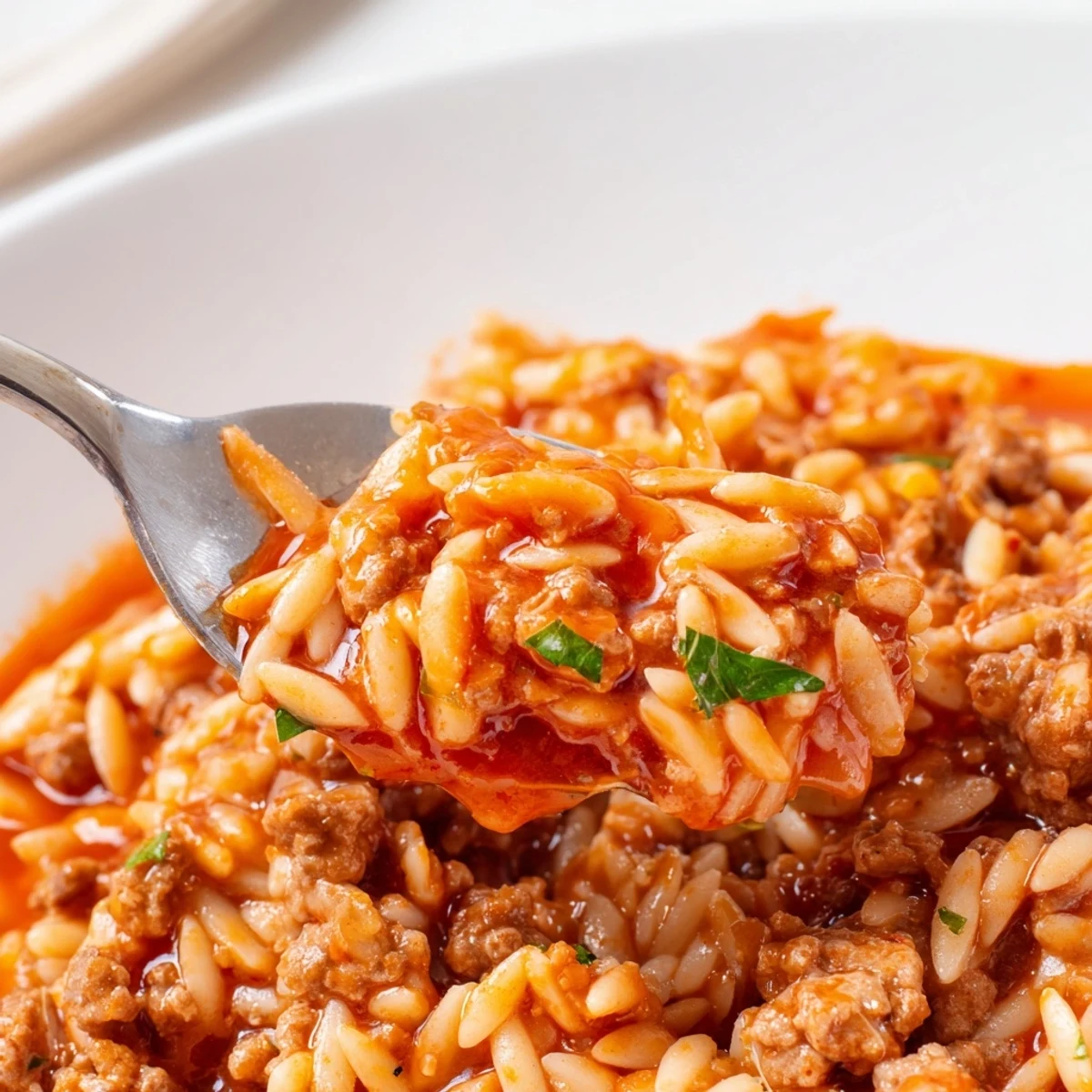
Save Comforting one-pot manestra: sauté 1 medium onion and 2 cloves garlic in 2 tbsp olive oil, brown 500 g ground beef, then stir in 1 tbsp tomato paste, 1 tsp oregano, a pinch of cinnamon and a bay leaf. Add 400 g crushed tomatoes, 2 cups broth and 1 cup water, simmer 10 minutes. Stir in 250 g orzo and cook about 15 minutes until tender. Finish with grated kefalotyri and chopped parsley. Serves 4; total 50 minutes.
The smell of cinnamon drifting through my kitchen on a rainy Tuesday is what made me fall for Greek manestra. I had torn the recipe from a magazine at my dentists office, of all places, and scribbled it onto the back of a receipt. That evening I dumped everything into one pot and crossed my fingers, and the result was so deeply warming that I made it three more times that same week.
I served this to my neighbor Elena, who grew up outside Thessaloniki, and she paused after the first spoonful in a way that made me nervous. Then she nodded slowly and said it tasted like her yia yias kitchen, and I quietly exhaled with relief I had not realized I was holding.
Ingredients
- Ground beef (500 g): Use a moderate fat content around 15 percent for richness without a greasy pool at the bottom of the pot.
- Onion (1 medium, finely chopped): Finely is the key word here because chunky onion pieces disrupt the silky texture that makes manestra so soothing.
- Garlic (2 cloves, minced): Fresh garlic only, and add it after the onion softens so it sweetens rather than scorches.
- Orzo pasta (250 g): Toast it briefly in the pot if you want an extra layer of nutty depth, though it works beautifully without that step too.
- Olive oil (2 tbsp): A good quality oil makes a noticeable difference since there are so few components in the dish.
- Canned crushed tomatoes (400 g): San Marzano tomatoes give a sweeter, more balanced sauce if you can find them.
- Tomato paste (1 tbsp): This concentrated hit of umami is what turns the broth from watery to rich and coating.
- Beef or chicken broth (2 cups): Homemade broth is lovely but a good quality boxed version works perfectly here.
- Water (1 cup): Added alongside the broth to give the orzo enough liquid to drink up without turning the dish into soup.
- Dried oregano (1 tsp): Rub it between your palms right into the pot to wake up the essential oils before it hits the heat.
- Ground cinnamon (1/2 tsp, optional): This is the authentic Greek touch that lifts the whole dish out of ordinary weeknight territory.
- Bay leaf (1): Just one does the job, and do not forget to fish it out before serving or someone will get an unpleasant surprise.
- Salt and pepper: Season in layers, a pinch with the beef, another with the broth, and a final taste at the end.
- Grated kefalotyri or parmesan cheese: A generous shower of salty cheese on top is nonnegotiable in my house.
- Fresh parsley, chopped: A bright finishing handful that cuts through the richness and makes the bowl look beautiful.
Instructions
- Soften the aromatics:
- Pour the olive oil into a large pot or Dutch oven set over medium heat and let it shimmer before adding the onion, cooking until it turns translucent and sweet, about 3 to 4 minutes. Toss in the garlic and stir for 30 seconds just until you catch that golden fragrance.
- Brown the beef:
- Slide the ground beef into the pot and break it apart with a wooden spoon, working patiently until every last bit has lost its pink color and picked up some caramelized edges, roughly 6 to 7 minutes.
- Bloom the spices:
- Stir in the tomato paste, oregano, cinnamon, bay leaf, a generous pinch of salt, and several cracks of pepper, letting everything sizzle together for about a minute until the paste darkens and the spices turn fragrant.
- Build the sauce:
- Pour in the crushed tomatoes, broth, and water, then bring the whole pot to a lively boil before dialing the heat down to a gentle simmer for 10 minutes so the flavors have time to marry and deepen.
- Cook the orzo:
- Stir the orzo into the bubbling sauce, clap on the lid, and let it simmer gently for about 15 minutes, stirring every few minutes so the pasta does not stick to the bottom. If the liquid disappears before the orzo is tender, splash in a little more warm water and keep going.
- Finish and serve:
- Hunt down and remove the bay leaf, then taste and adjust the salt and pepper as needed. Ladle into warm bowls and finish each portion with a generous blanket of grated cheese and a scattering of fresh parsley.
 Save
Save On a cold Sunday last January I ladled bowls of manestra for friends who had helped me paint my living room all day, and we sat on paint splattered drop cloths eating second helpings in near silence, which is the highest compliment I know how to receive.
Making It Your Own
Once you have the basic technique down, this recipe bends easily to whatever you have on hand. Half ground lamb mixed with the beef creates a deeper, slightly gamier flavor that tastes closer to what you would find in a Greek taverna, and a pinch of red pepper flakes coaxed into the spice bloom adds a gentle warmth that does not overpower the cinnamon.
What To Serve Alongside
A crunchy Greek salad with ripe tomatoes, cucumber, and a bright red wine vinegar dressing is the natural partner here, cutting through the richness of the tomato and beef. Thick slices of crusty bread on the side are essential for mopping up every bit of sauce left in the bowl because leaving any behind would be a genuine tragedy.
Getting The Texture Right
Manestra walks a line between soupy and sturdy, and finding your preferred spot on that spectrum takes a batch or two. I like it best when the orzo is plump and the sauce just barely cloaks each grain, thick enough that a spoon stands on its own for a moment before toppling.
- If the orzo has absorbed all the liquid but still has a chalky bite, add warm water a quarter cup at a time rather than flooding the pot.
- Take the pot off the heat a minute before you think it is done because carryover cooking will finish the job.
- Always serve immediately because manestra waits for no one and continues thickening as it sits.
 Save
Save This is the kind of unassuming dish that earns a permanent spot in your weeknight rotation without ever demanding attention. Just a pot, a spoon, and half an hour stand between you and something deeply, quietly wonderful.
Recipe FAQs
- → How can I prevent the orzo from sticking or clumping?
-
Stir the orzo frequently during the simmering stage and maintain a gentle simmer rather than a rolling boil. Use the indicated liquid ratios and add a splash more hot water or broth if the pot becomes too dry while the pasta cooks.
- → Can I swap beef for another protein?
-
Yes. For a richer flavor, replace half the ground beef with lamb. Ground turkey or chicken will yield a lighter profile but may benefit from an extra pinch of salt and a touch of oil to keep the dish savory.
- → Is there a good gluten-free alternative for the orzo?
-
Use a gluten-free orzo made from rice or corn, or substitute small gluten-free pasta shapes. Cooking times vary, so follow package guidance and monitor for tenderness to avoid overcooking.
- → How do I adjust seasoning when using canned tomatoes and broth?
-
Taste after simmering the tomatoes and broth for 10 minutes before adding orzo. Canned tomatoes and broths vary in saltiness; adjust with salt, pepper and a splash of lemon if brightness is needed.
- → What does the cinnamon add and can it be omitted?
-
A small pinch of ground cinnamon adds warm, aromatic depth typical of some Greek preparations. Omit it for a more straightforward tomato-herb profile; the dish remains flavorful with oregano and bay leaf alone.
- → How should leftovers be stored and reheated?
-
Store leftovers in an airtight container in the fridge for up to 3 days. Reheat gently on the stovetop over low heat, stirring in a few tablespoons of warm water or broth to loosen the orzo, or microwave in short intervals, stirring between each.