
 Save
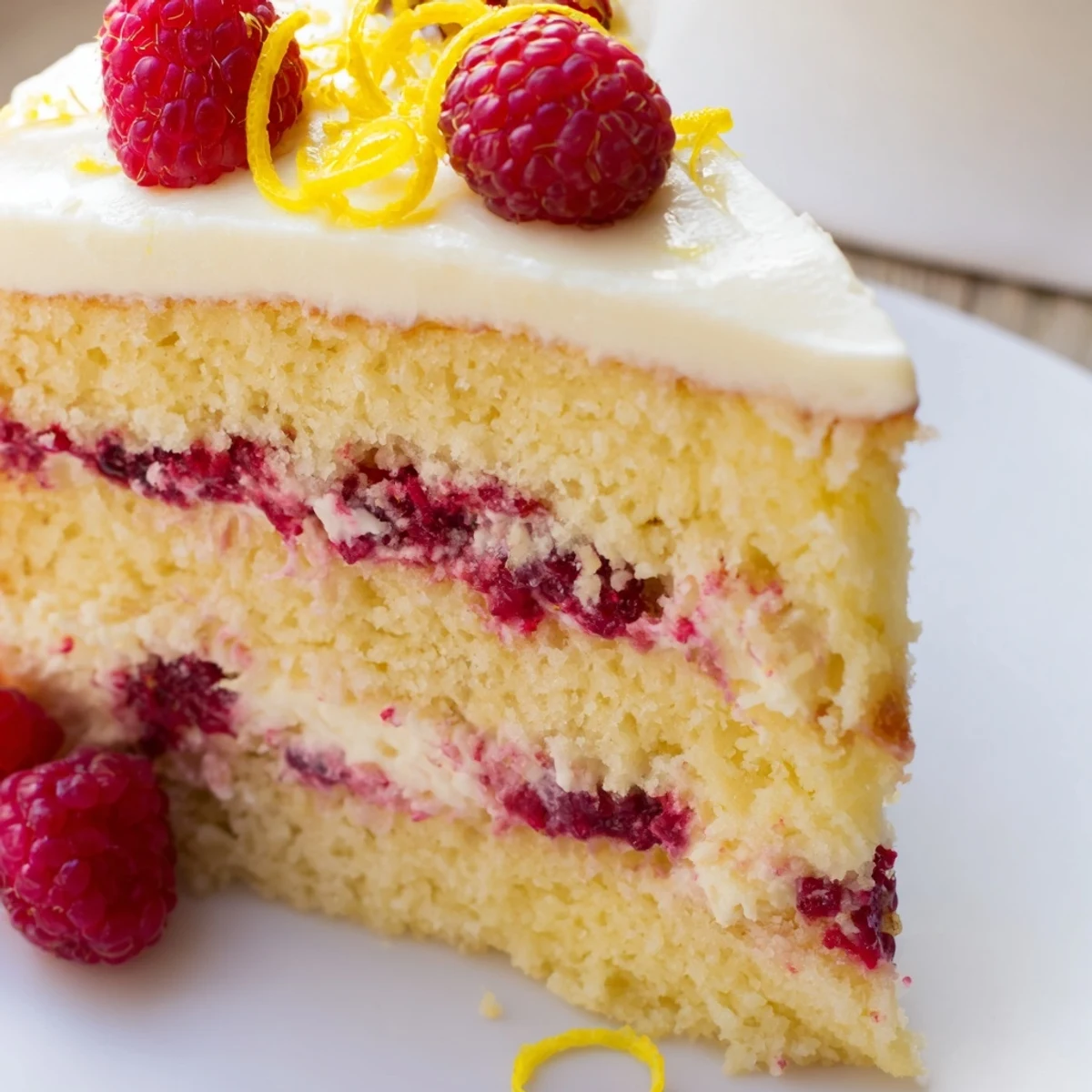
Save This lemon raspberry layer cake offers a moist, tender crumb with fresh lemon zest and juice enhancing each layer. Between the cake layers, a luscious raspberry filling is cooked down with sugar and thickened for perfect spreadability. The cake is enveloped in a silky lemon buttercream that balances tartness with creamy sweetness. It’s ideal for celebrations or summer gatherings, providing a refreshing and flavorful dessert experience.
There's something about lemon cake that makes people pause mid-conversation and actually taste what they're eating. I discovered this years ago when a friend brought one to a summer potluck, and I watched grown adults close their eyes after the first bite, as if they'd stumbled onto something precious. That cake had layers of brightness—not just the citrus, but the way tart and sweet played against each other—and I became slightly obsessed with recreating it. When I finally added fresh raspberries to the filling, everything clicked into place.
I made this for my neighbor's birthday last June, and she asked me to make it for her daughter's wedding six months later—that kind of request that makes you realize a recipe has become something people will remember. The afternoon I baked it, the kitchen smelled like a lemon grove had exploded in the best way, and my partner kept wandering in asking if it was done yet. By the time we assembled the layers, I understood why she'd requested it again.
Ingredients
- All-purpose flour: Room temperature flour blends more evenly and creates a tender crumb; I always measure by spooning and leveling, never scooping directly from the bag.
- Baking powder and baking soda: The combination gives you lift without an overly alkaline taste that can flatten the lemon flavor.
- Unsalted butter: Room temperature is non-negotiable—cold butter won't cream properly, and warm butter creates a greasy cake that refuses to rise.
- Granulated sugar: The crystals are small enough to dissolve into the butter, creating that essential light, fluffy base for everything else.
- Eggs: Room temperature eggs incorporate smoothly without breaking the emulsion; cold eggs cause that curdled appearance (though it still works).
- Fresh lemon zest and juice: Bottled juice tastes thin and one-dimensional by comparison; use a microplane for zest to catch all those bright oils.
- Whole milk: Room temperature milk prevents the batter from seizing up when it hits the warm creamed butter and eggs.
- Fresh raspberries: Look for ones that are plump and deeply colored; soft berries release more juice for a thicker, more flavorful filling.
- Cornstarch slurry: This prevents your filling from weeping and turning the cake soggy once assembled, but don't overdo it or it'll feel gummy.
- Powdered sugar: Sifting removes lumps and makes buttercream smooth instead of grainy; I know it feels like extra work, but it matters.
- Lemon zest in the buttercream: This is where you reinforce the lemon story; it looks like tiny jewels and tastes like promise.
Instructions
- Prep your pans and heat your oven:
- Set the oven to 350°F and grease three 8-inch round pans with softened butter, then line the bottoms with parchment circles so your layers slip out cleanly. This step feels small but saves frustration later.
- Mix your dry ingredients:
- Whisk flour, baking powder, baking soda, and salt together in a medium bowl; whisking combines them evenly rather than stirring, which leaves little pockets of unmixed flour.
- Cream butter and sugar into clouds:
- Beat room-temperature butter with sugar for 3 to 4 minutes until the mixture is pale, fluffy, and noticeably lighter in weight—this is where your cake gets its tender crumb. You'll see the mixture go from dense to almost mousse-like.
- Add eggs with patience:
- Drop in eggs one at a time, beating well after each addition so they fully incorporate; rushing this step is why cakes sometimes turn out dense and oily.
- Introduce the lemon:
- Stir in lemon zest and vanilla extract, then pour in the fresh lemon juice; the mixture will look curdled and separated, but this is exactly right and will smooth out when you add the dry ingredients.
- Alternate wet and dry ingredients:
- Divide your dry mixture into three parts and alternate with milk: dry, wet, dry, wet, dry, beginning and ending with flour. Mix just until combined because overmixing develops gluten, which toughens the cake.
- Fill your pans evenly:
- Divide batter equally among the three prepared pans and smooth the tops; even layers bake evenly and stack more gracefully.
- Bake until a toothpick comes clean:
- Bake for 25 to 30 minutes, checking at 25 minutes—when a toothpick inserted into the center comes out clean or with just a few moist crumbs, they're done. The edges will pull slightly from the pan.
- Cool with intention:
- Let the cakes cool in their pans for 10 minutes (enough for the structure to set), then turn them out onto wire racks to cool completely; this usually takes an hour or more, and you cannot skip this step.
- Make the raspberry filling:
- Combine fresh raspberries, sugar, and lemon juice in a small saucepan over medium heat and stir gently until the berries release their juice and begin to break down, about 5 to 7 minutes. Stir in the cornstarch slurry and cook another 1 to 2 minutes until the filling is noticeably thicker, then cool it completely so it doesn't melt your buttercream.
- Beat butter until creamy:
- Start with room-temperature butter and beat it alone for a minute or two until it's pale and fluffy, which aerates it and makes the final buttercream smoother.
- Build the buttercream:
- Gradually add sifted powdered sugar, lemon juice, lemon zest, and a pinch of salt, beating after each addition; add milk or cream 1 tablespoon at a time until you reach a smooth, spreadable consistency that isn't too stiff.
- Stack your layers with care:
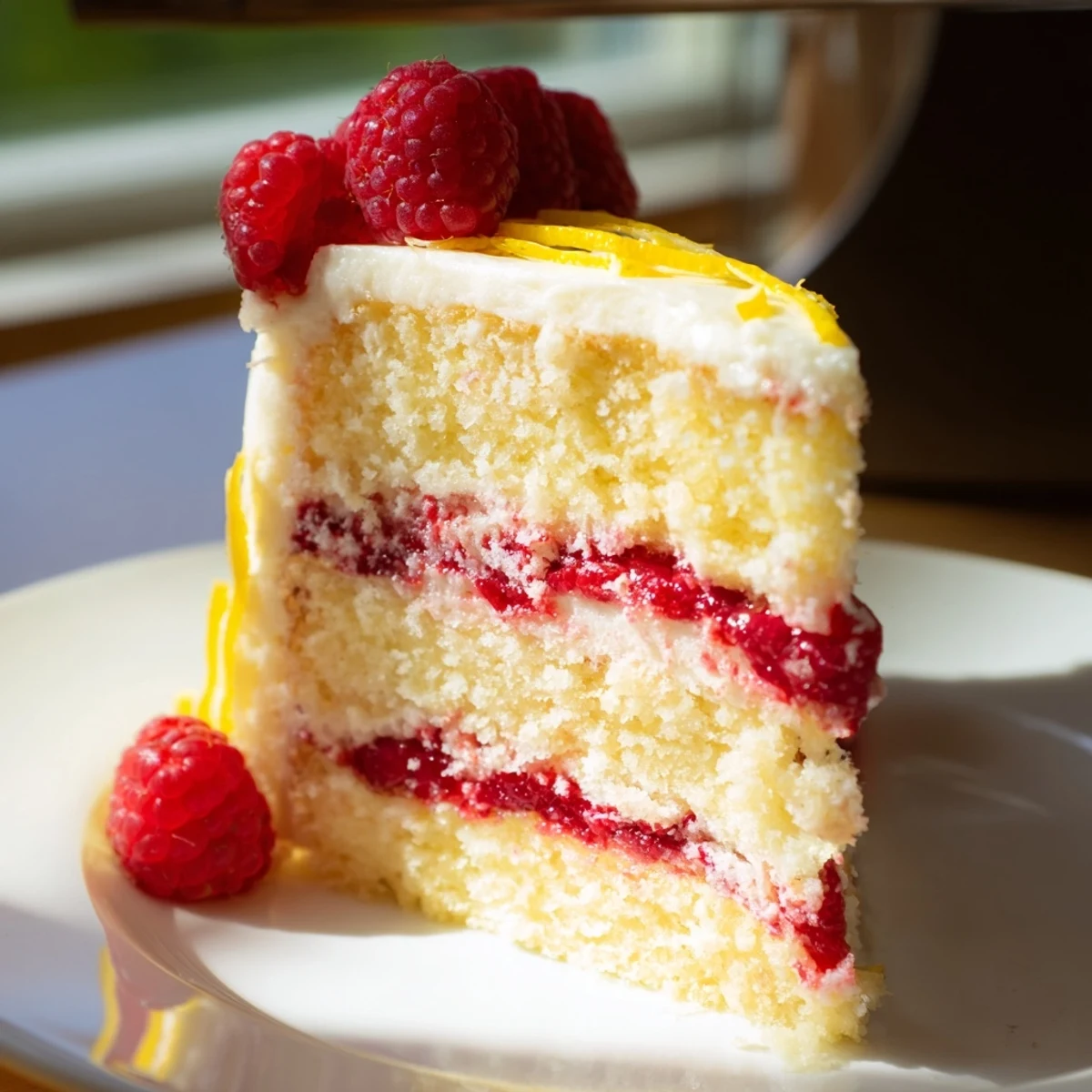
- Place the first cake layer on a serving plate, spread half the raspberry filling over it while avoiding the outer edges (which prevents oozing), then add a thin layer of buttercream. Repeat with the second layer and remaining filling, and top with the final cake layer.
- Frost the entire cake:
- Spread buttercream over the top and sides, using an offset spatula or palette knife and working slowly so you don't drag crumbs into the frosting; a crumb coat (a thin first layer) sealed in the fridge for 15 minutes makes the final coat look polished.
- Decorate if desired:
- Top with fresh raspberries and lemon zest curls; they're optional but they announce what's inside and make the cake feel celebratory.
 Save
Save My favorite moment with this cake came when my sister, who usually skips dessert, ate two pieces while telling me about her day, completely distracted and content. Food doesn't always need to be complicated or trendy to matter; sometimes it just needs to taste like someone cared enough to get the details right.
Why Fresh Lemon Makes All the Difference
Bottled lemon juice tastes flat and vaguely metallic once it's baked into cake, but fresh juice gives you a brightness that actually improves over a day or two as the flavors meld. The zest is where the real magic lives—those tiny oil pockets contain the essence of lemon, which is why a microplane grater (rather than a box grater) matters; it catches the oils without too much bitter white pith. I learned this the hard way after grating directly from the bag, which resulted in a weirdly bitter cake that nobody quite understood.
Raspberry Filling: Keeping It From Weeping
Fresh raspberries release a ton of liquid when you heat them, which is why the cornstarch slurry exists—it absorbs that moisture and creates a jammy consistency that stays put instead of making your layers soggy. The timing matters too; you need that filling completely cool before assembling, or the warmth will soften your buttercream and the whole structure turns into something leaning rather than standing. I once skipped the cooling step and spent 20 minutes in the refrigerator coaxing layers back into place.
Assembly and Storage Wisdom
Chill the assembled cake for at least 30 minutes (or up to overnight) before serving, which lets everything firm up so you can slice without the layers sliding sideways or the filling squishing out. The cake actually tastes better the next day once all the flavors have had time to know each other. You can make the cake layers and buttercream up to two days ahead; store the layers airtight at room temperature and refrigerate the buttercream, then bring it to room temperature before frosting.
- If fresh raspberries aren't available, frozen raspberries (thawed and well-drained) work beautifully and often taste more intensely of raspberry.
- A chilled cake slice with a glass of Prosecco or Moscato is practically mandatory if you're serving this at a gathering.
- This cake serves 12 generously, but I always make two because one is never quite enough.
 Save
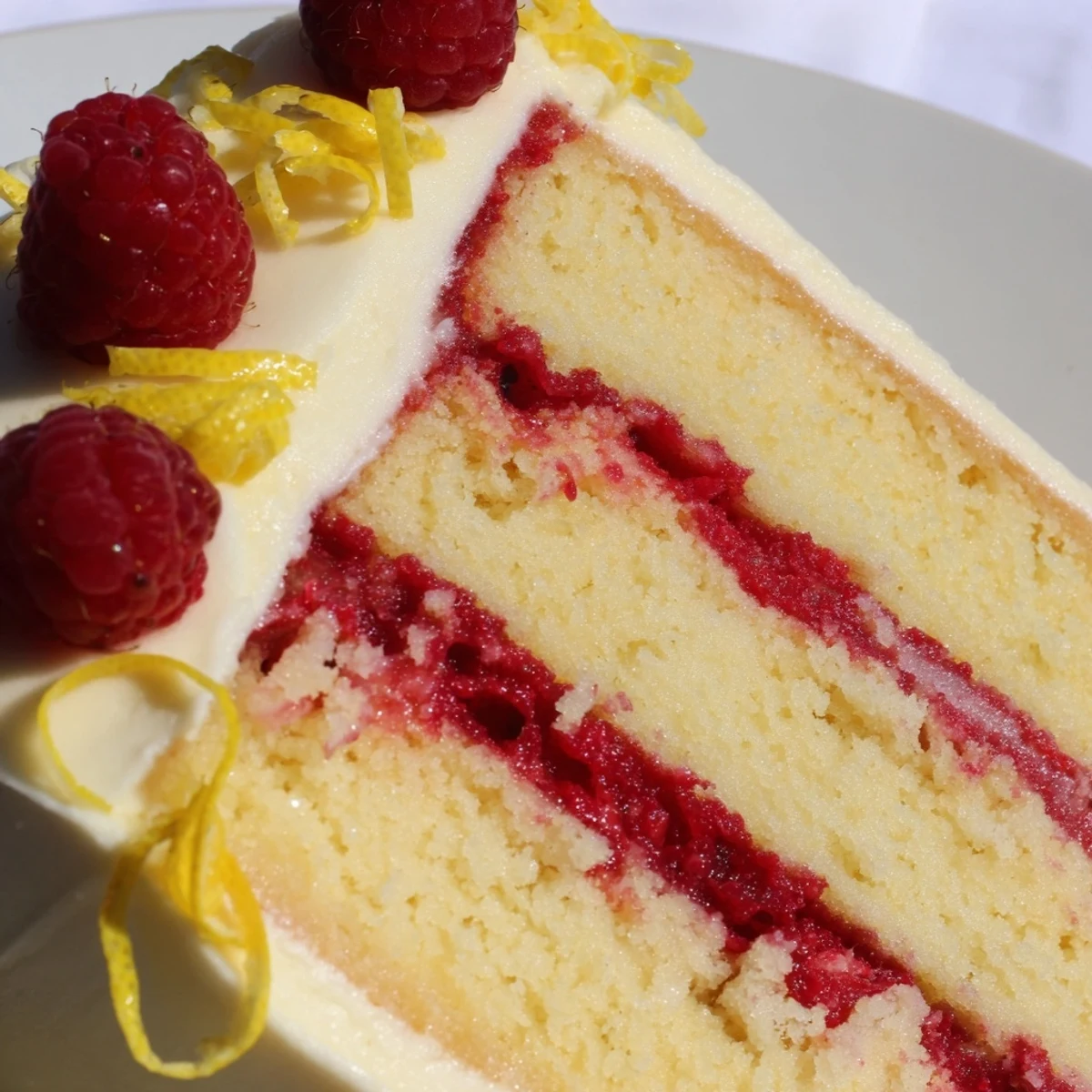
Save This cake has become something I make for people I care about, and each time I do, the kitchen fills with that unmistakable lemon brightness. It's proof that good baking isn't about complexity—it's about respecting the ingredients and taking your time with the details.
Recipe FAQs
- → How can I ensure the cake layers stay moist?
-
Use room temperature ingredients and avoid overmixing the batter. Baking until just done and cooling layers properly also helps maintain moisture.
- → Can I substitute frozen raspberries in the filling?
-
Yes, thaw frozen raspberries and drain excess liquid before cooking to prevent the filling from becoming too runny.
- → What’s the best way to smooth the lemon buttercream?
-
Beat the butter until creamy before gradually adding powdered sugar and lemon juice. Adjust thickness with milk or cream for easy spreading.
- → How should the cake be stored after assembly?
-
Cover the cake loosely and refrigerate if not serving immediately. Bring to room temperature before serving for best texture.
- → What tools are needed to assemble this layered dessert?
-
Three 8-inch pans for baking, an electric mixer for buttercream, mixing bowls, a saucepan for filling, and spatulas for spreading and smoothing.