 Save
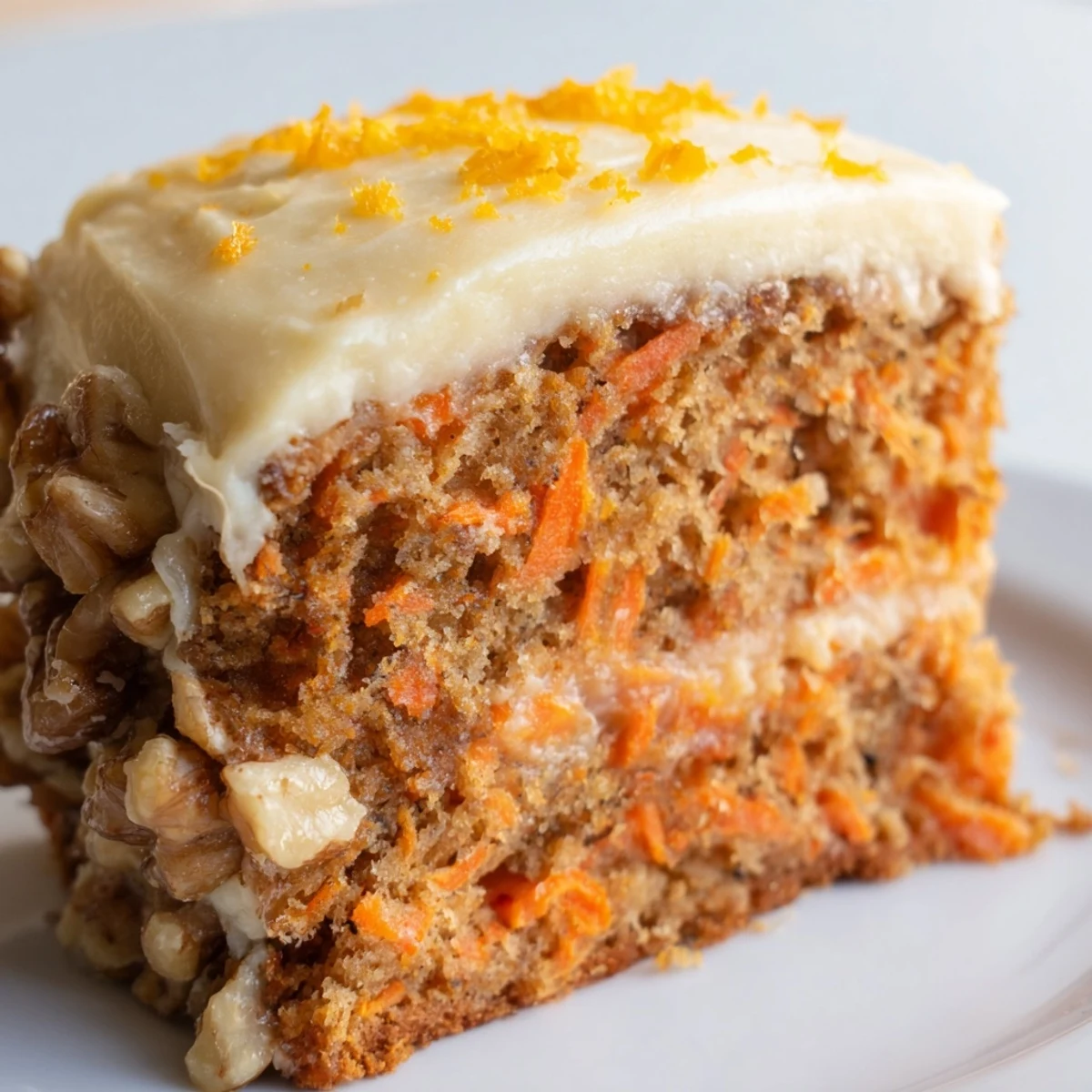
Save This carrot cake balances warm spices like cinnamon, nutmeg, and cloves, blending grated carrots with a mix of sugars and eggs for moist texture. The creamy frosting combines cream cheese with fresh orange zest and juice, adding a citrus tang that complements the spice. Optional nuts and raisins provide added texture. Perfectly baked to golden brown, it’s ideal chilled before slicing to let flavors meld beautifully, making every bite rich and flavorful.
The first carrot cake I made was completely by accident—I'd meant to bake a simple vanilla layer cake but grabbed the wrong recipe card from my collection, and halfway through whisking I realized I was committing to spices and shredded carrots. What started as a mistake turned into something I've been making ever since, especially when I want a cake that feels both celebratory and somehow secretly good for you, with that warm cinnamon hug in every bite.
I made this cake for my neighbor's birthday last spring, and she told me it reminded her of her grandmother's kitchen—which made my whole week, honestly. There's something about a spiced carrot cake that hits differently than chocolate or vanilla, like it's holding a conversation instead of just sitting there looking pretty.
Ingredients
- All-purpose flour: The backbone of your cake structure—measure it by spooning into the cup and leveling off, or use a kitchen scale for accuracy.
- Baking powder and baking soda: Together they create that tender crumb and subtle rise; don't skip the baking soda, it amplifies the spices.
- Cinnamon, nutmeg, cloves, and ginger: This quartet is where the magic lives—they're what transform shredded carrots into a warm, sophisticated dessert.
- Granulated and brown sugars: The brown sugar adds moisture and a deeper molasses note that plays beautifully with the spices.
- Eggs: They bind everything and add richness; make sure they're at room temperature for a smoother batter.
- Vegetable oil and applesauce: Oil keeps the cake tender and moist, while applesauce adds natural sweetness and cuts some of the fat without sacrificing texture.
- Grated carrots: Freshly grated is crucial—they release their moisture into the batter and keep every bite incredibly moist.
- Walnuts or pecans: Optional but recommended; they add a slight bitterness that balances the sweetness and spices.
- Raisins: These tiny pockets of chewiness make each slice feel a little more special.
- Cream cheese and butter for frosting: Both need to be softened so they whip into something fluffy and cloud-like.
- Orange zest and juice: Fresh is non-negotiable here—it brightens the whole frosting and ties the flavors together.
Instructions
- Set your oven and prep your pans:
- Preheat to 350°F and grease those pans well, then line them with parchment paper so your cakes slide out without sticking. This extra step saves so much frustration.
- Whisk your dry team:
- Combine flour, baking powder, baking soda, salt, and all those spices in a medium bowl—whisking them together means the spices distribute evenly instead of hiding in clumps.
- Beat the wet ingredients into submission:
- In a large bowl, combine sugars, eggs, oil, applesauce, and vanilla, beating until the mixture looks pale and smooth. This takes about two minutes with an electric mixer and incorporates air into the batter.
- Fold the dry into the wet gently:
- Add the dry mixture to the wet, mixing just until you don't see streaks of flour anymore—overworking develops gluten and makes the cake tough. Fold rather than beat once things are mostly combined.
- Fold in the carrots and mix-ins:
- Add the grated carrots, nuts, and raisins with a few gentle strokes, letting them nestle throughout the batter. The batter will look textured and thick, which is exactly right.
- Divide and bake:
- Split the batter between your two pans and smooth the tops slightly. Bake for 40 to 45 minutes until a toothpick inserted in the center comes out clean or with just a few moist crumbs clinging to it.
- Cool with patience:
- Let the cakes rest in their pans for 10 minutes—this prevents them from cracking when you turn them out. Then invert onto a wire rack and let them cool completely before frosting, which means they won't slide around on you.
- Make the frosting silky:
- Beat softened cream cheese and butter together until creamy, then gradually add powdered sugar, orange zest, orange juice, vanilla, and salt, beating until fluffy and spreadable. Taste it and adjust the orange flavor if you like it brighter.
- Layer and frost:
- Place one cake layer on your serving plate, spread frosting over it, top with the second layer, then frost the top and sides. Let it chill in the refrigerator for 30 minutes before slicing so the layers set properly and your slices look neat.
 Save
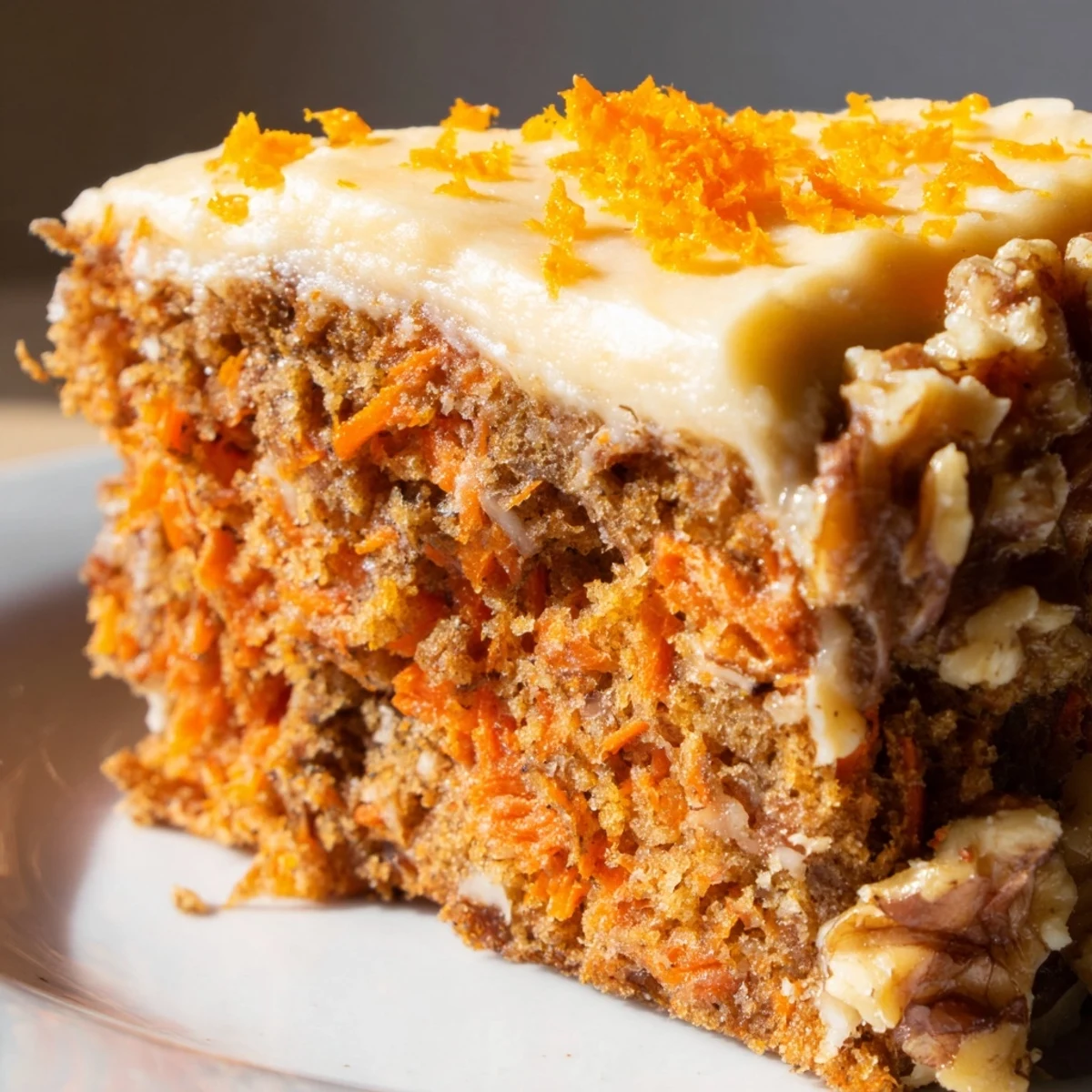
Save There's a moment when you frost a two-layer cake for the first time and it actually looks like something from a bakery—that's when you know you've nailed it, and suddenly the whole kitchen smells like orange and cinnamon and feels celebratory. That's the feeling I chase every time I make this cake.
Why the Spices Matter
The magic of a carrot cake lives entirely in its spice blend—cinnamon is the star, but nutmeg, cloves, and ginger play backup vocals that make the whole thing feel warm and sophisticated instead of just sweet. I learned this when I once made a carrot cake with only cinnamon out of laziness, and it tasted fine but forgettable, missing that complexity that makes people close their eyes when they take a bite. The spices also play beautifully with the tang of cream cheese frosting, so don't skip any of them even if your spice cabinet feels overstocked.
Orange Frosting as Your Secret Weapon
Most people think carrot cake should have cream cheese frosting and call it done, which is fine, but the moment you add fresh orange zest and juice, something shifts—it goes from expected to memorable. The orange brightens everything without making it taste citrusy; it just lifts the flavors and adds this subtle sophistication that makes guests ask what they're tasting. I've had people tell me they don't usually like carrot cake until they've had it with this frosting, and I think it's because the orange prevents the whole thing from feeling one-note.
Storage and Serving Wisdom
This cake actually gets better on day two or three, which is the hallmark of a truly moist cake—the crumb continues to set and soften, and the flavors meld together into something even more cohesive.
- Store it covered at room temperature for up to two days, or refrigerated for up to five days, since the frosting is cream cheese based.
- You can bake the layers a day ahead and frost them the next day, which actually makes assembly easier when you're not rushing.
- If you want to freeze it, wrap the unfrosted layers tightly and freeze for up to two months—thaw completely before frosting.
 Save
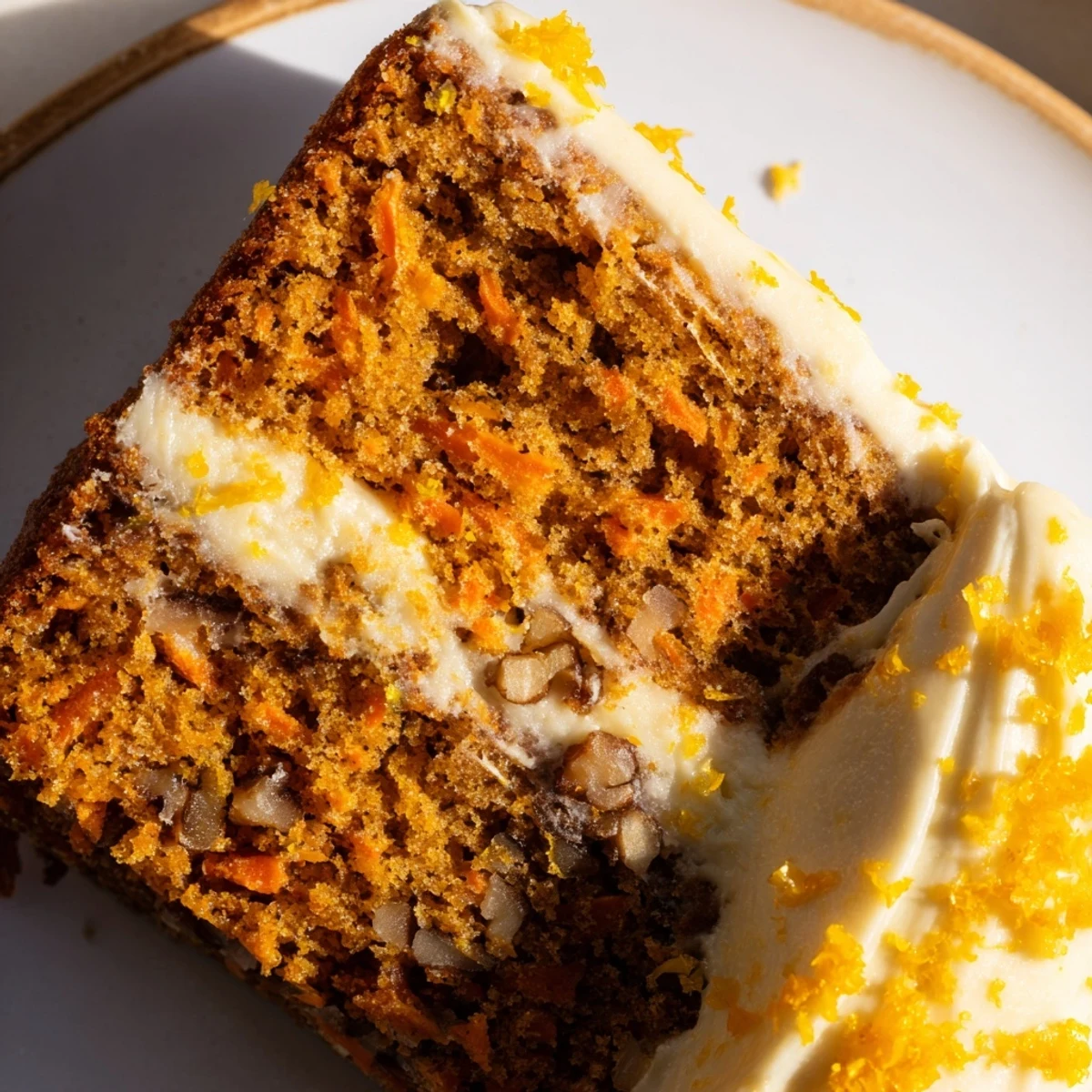
Save This cake is the one I reach for when I want to feel like I've really cooked for someone, but without spending the whole day in the kitchen. It's become my go-to proof that simple, honest ingredients treated with a little care can become something genuinely special.
Recipe FAQs
- → How do spices affect the flavor of the carrot cake?
-
Warm spices like cinnamon, nutmeg, cloves, and ginger add depth and a comforting aroma, enhancing the natural sweetness of the carrots.
- → What is the purpose of applesauce in the batter?
-
Applesauce provides moisture and helps keep the cake tender while reducing the need for extra oil.
- → Can walnuts or pecans be substituted or omitted?
-
Yes, nuts can be omitted for a nut-free option or replaced according to preference without impacting the cake's texture significantly.
- → Why is the cake refrigerated before slicing?
-
Chilling the cake firms up the frosting and allows the flavors to meld, resulting in cleaner slices and enhanced taste.
- → How does orange zest and juice influence the frosting?
-
Fresh orange zest and juice infuse the frosting with citrus brightness, balancing the richness of the cream cheese and butter.
- → What baking pans are recommended?
-
Two 8-inch round pans help achieve even baking and proper thickness for the layers.