
 Save
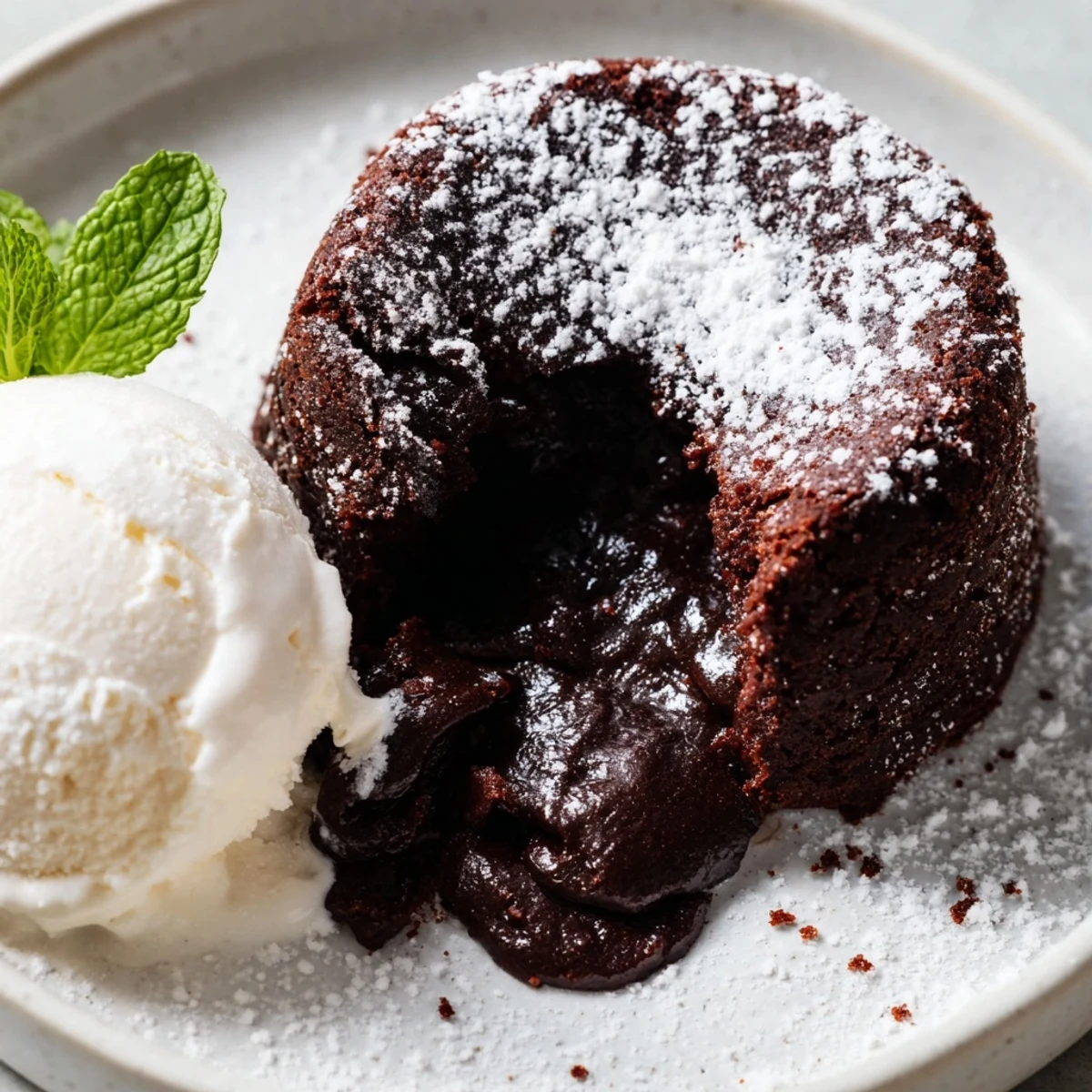
Save These chocolate lava cakes offer a rich and gooey molten center encased in a tender cake shell. Made with dark chocolate, butter, eggs, sugar, and a hint of flour, they bake quickly to create the perfect texture. Served warm alongside scoops of creamy vanilla ice cream and optionally garnished with fresh berries or mint, this dessert balances intense chocolate with smooth, cool elements. Simple preparation techniques like melting chocolate in a double boiler and careful folding ensure a luscious final result, ideal for an elegant yet approachable dessert experience.
There's a moment in every baker's kitchen life when they first crack into a molten chocolate cake and watch that river of warmth flow onto the plate. Mine happened at a dinner party when a guest asked if I could make something "really special" with barely two hours notice. I'd never attempted a lava cake before, but something about the challenge felt right, and the result—that perfect balance of set edges and liquid center—changed how I think about dessert entirely.
I made these for my partner's birthday dinner last winter, and I still remember how quiet the kitchen got when we all took that first bite—no one talking, just the gentle clink of spoons and the satisfied kind of silence that only comes from really good food. The way the chocolate flowed across the plate felt like sharing something almost sacred, which sounds dramatic for a dessert, but honestly, it's how I felt.
Ingredients
- Dark chocolate (120 g, 60–70% cocoa): The heart of the whole thing—choose something you actually want to eat straight because you'll taste every note of it in that molten center.
- Unsalted butter (120 g): Melted together with the chocolate, it creates that silky mouthfeel that makes the cake feel luxurious without being heavy.
- Eggs (2 large) and egg yolks (2 large): These transform into a pale, airy foam that traps air throughout the batter, giving the cake its impossibly tender crumb.
- Granulated sugar (100 g): Whisked with the eggs, it dissolves into the mixture and helps stabilize the foam—this is why you whisk until pale, not just until combined.
- All-purpose flour (30 g): Just enough to structure the cake without making it dense; less flour means more tender results.
- Salt (1 pinch): A quiet amplifier that deepens the chocolate flavor without announcing itself.
- Butter and cocoa powder for ramekins: These prevent sticking and add a gentle chocolate whisper to the bottom of each cake when inverted.
- Vanilla ice cream (4 scoops): The cooling counterpoint that makes each warm bite feel like two desserts at once.
Instructions
- Prepare your stage:
- Preheat the oven to 220°C (425°F) and butter those ramekins generously—really get into the corners. Dust with cocoa powder and tap out the excess so you're left with just a thin, dark coating that'll help the baked cake release.
- Melt the chocolate and butter:
- Use a double boiler and stir occasionally until everything is glossy and smooth, then remove from heat and let it sit for a minute or two. You want it warm enough to fold easily but not so hot that it scrambles the eggs you'll be adding next.
- Whisk the eggs and sugar:
- In a separate bowl, whisk continuously until the mixture turns pale and ribbony—this takes about 3–4 minutes by hand. You're incorporating air, which is what gives the cake its tender structure.
- Combine chocolate and eggs:
- Fold the cooled chocolate mixture into the egg foam gently, using a rubber spatula and working slowly. Stop as soon as no white streaks remain; you want to keep that air in there.
- Add flour and salt:
- Sift them together over the batter and fold gently until just incorporated. This is not the time for vigor—overmixing toughens the cake.
- Fill the ramekins:
- Divide the batter evenly, filling each ramekin about three-quarters full. A gentle tap on the counter releases any large air bubbles.
- Bake with precision:
- Bake for 11–12 minutes until the edges look set and the cake bounces back slightly when lightly touched, but the very center still jiggles ever so slightly. That jiggle is where the magic lives.
- Release and serve:
- Let cool for just 1 minute, then run a thin knife around the edges and invert onto a plate in one confident motion. Serve immediately with a scoop of cold vanilla ice cream on top.
 Save
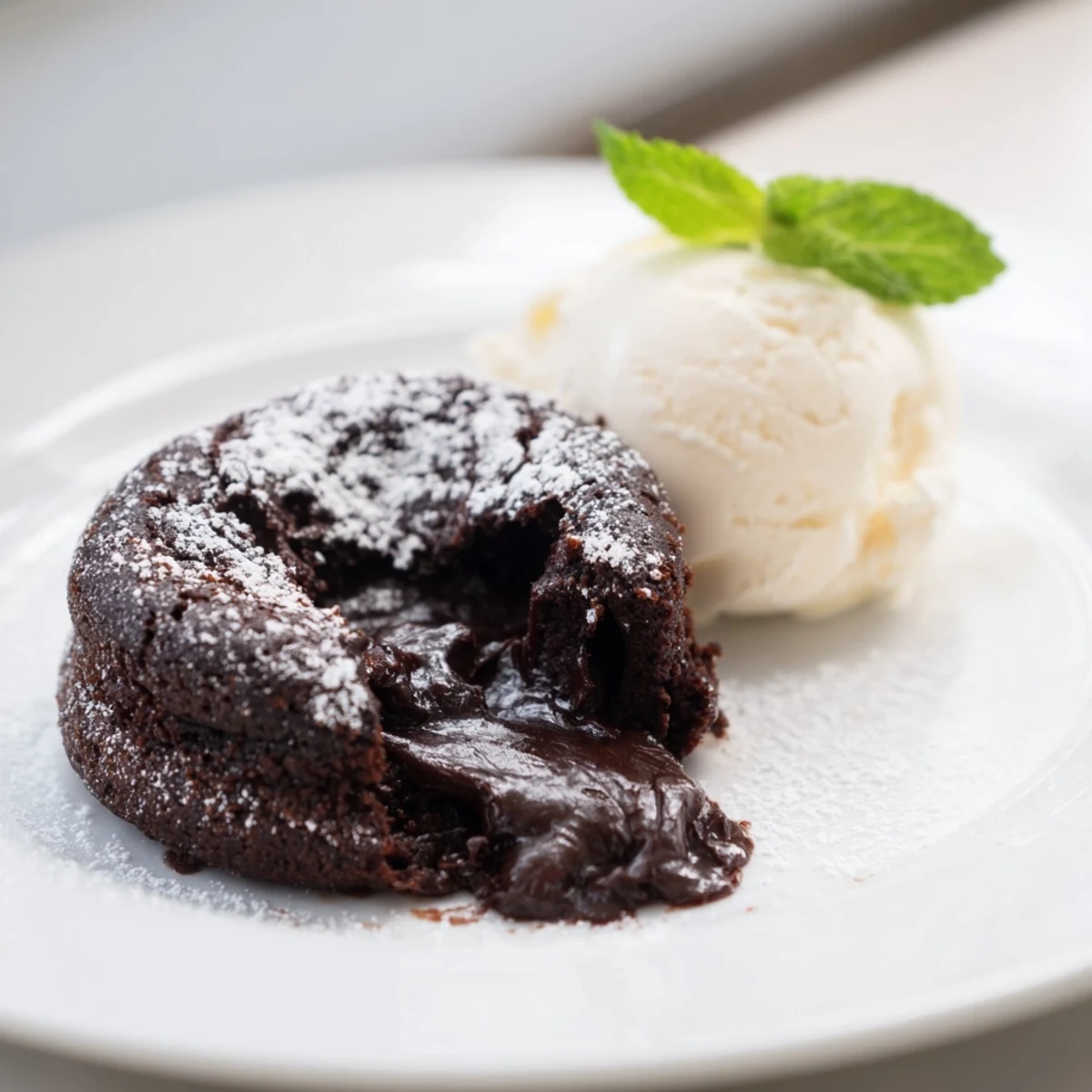
Save There's something almost meditative about watching the timer count down those last seconds, knowing that inside the oven something beautiful is happening in real time. When you finally plate it and that chocolate flows across the dish, all the tiny details of technique suddenly feel worth it.
Why This Dessert Feels Special
Lava cakes occupy this rare space where they're both simple and stunning, which means you can make them for a quiet Tuesday or a celebration and they feel equally right. The brief baking time means you can prepare the batter earlier in the day and bake fresh cakes whenever you're ready to serve, turning what could feel stressful into something pleasantly flexible. They're the kind of dessert that makes people think you've spent hours in the kitchen when really it was more about precision than labor.
The Temperature Dance
The secret to a perfect lava cake lives in temperature contrast—a hot oven sets the edges while leaving the center uncooked enough to stay molten, and cold ice cream meeting warm chocolate creates that almost shocking moment of pleasure on the first spoonful. I've learned that room-temperature batter makes a difference here because cold batter needs extra time in the oven to set the edges, risking an overcooked center. This is also why you want your ice cream truly cold and ready to go before the cakes come out of the oven.
Making It Your Own
Once you've mastered the basic formula, small additions transform this dessert into something deeply personal. A touch of espresso powder deepens the chocolate flavor without making the cakes taste like coffee, while a splash of liqueur like Grand Marnier or Chambord adds sophistication. Fleur de sel on top before serving brings a subtle crunch and makes the chocolate taste even richer, and some people swear by adding a tiny piece of cold butter to the center of each cake before baking to keep the molten part truly luscious.
- Try brushing the baked cakes with a little warm chocolate ganache before serving for an extra layer of richness.
- Mint, raspberries, and blackberries all complement the chocolate without competing with it.
- Make these ahead and refrigerate the filled ramekins; they'll bake beautifully from cold, though you might need an extra minute or so in the oven.
 Save
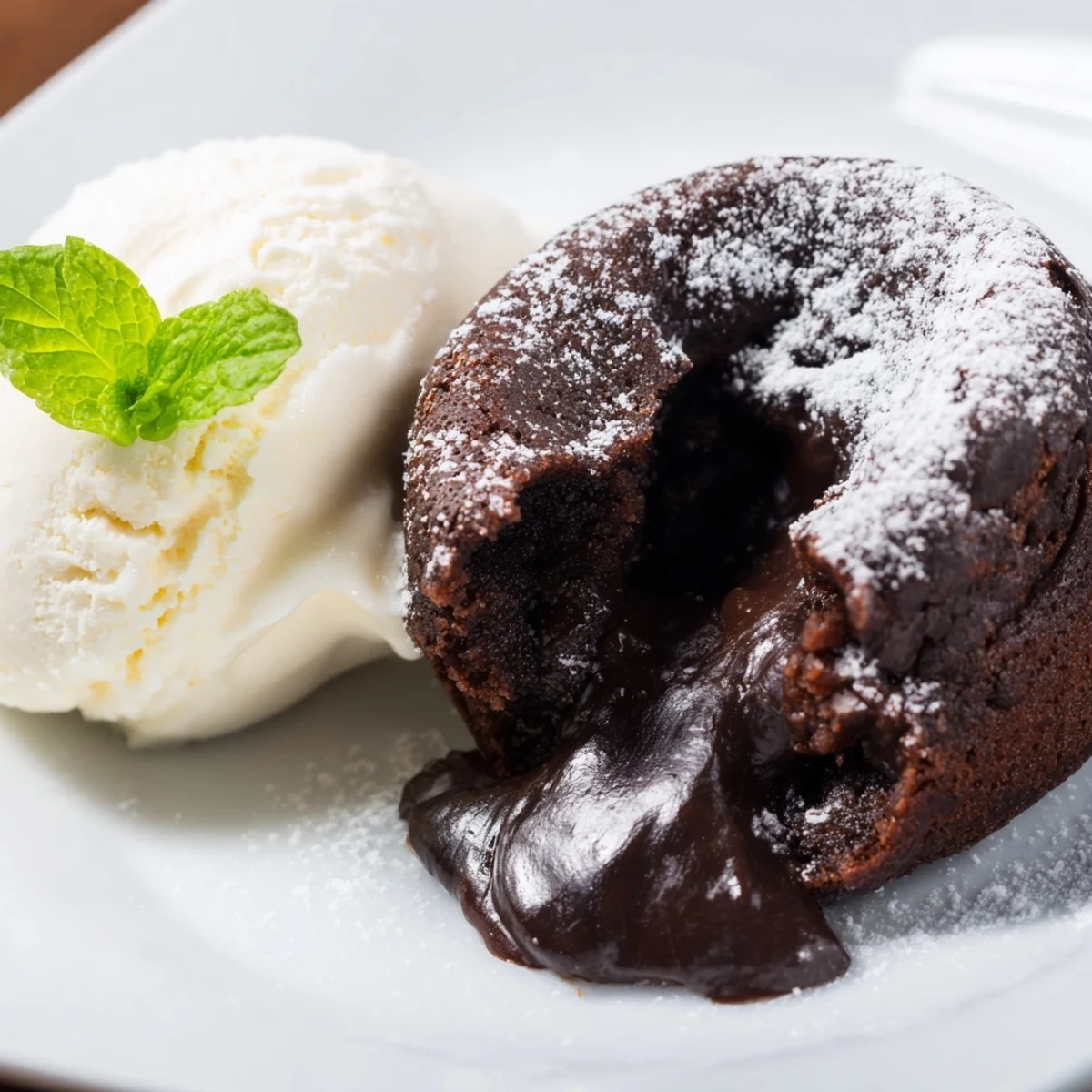
Save These cakes have become my dessert of choice for moments that matter, the ones where you want something beautiful and warm and undeniably delicious. They prove that sometimes the most impressive things are actually the simplest to execute.
Recipe FAQs
- → How do I achieve the molten center?
-
Bake the cakes just until the edges are set but the centers remain soft, usually 11–12 minutes at 220°C (425°F).
- → Can I prepare the batter in advance?
-
Yes, refrigerate the prepared batter and bring it to room temperature before baking for best results.
- → What type of chocolate is best to use?
-
Use dark chocolate with 60–70% cocoa for rich flavor and ideal melting properties.
- → How important is the dusting of cocoa powder?
-
Dusting ramekins with cocoa powder prevents sticking and adds a subtle chocolate touch to the cake edges.
- → What can I serve alongside for a complementary flavor?
-
Vanilla ice cream balances the cake's richness, and fresh berries or mint add bright, refreshing notes.