
 Save
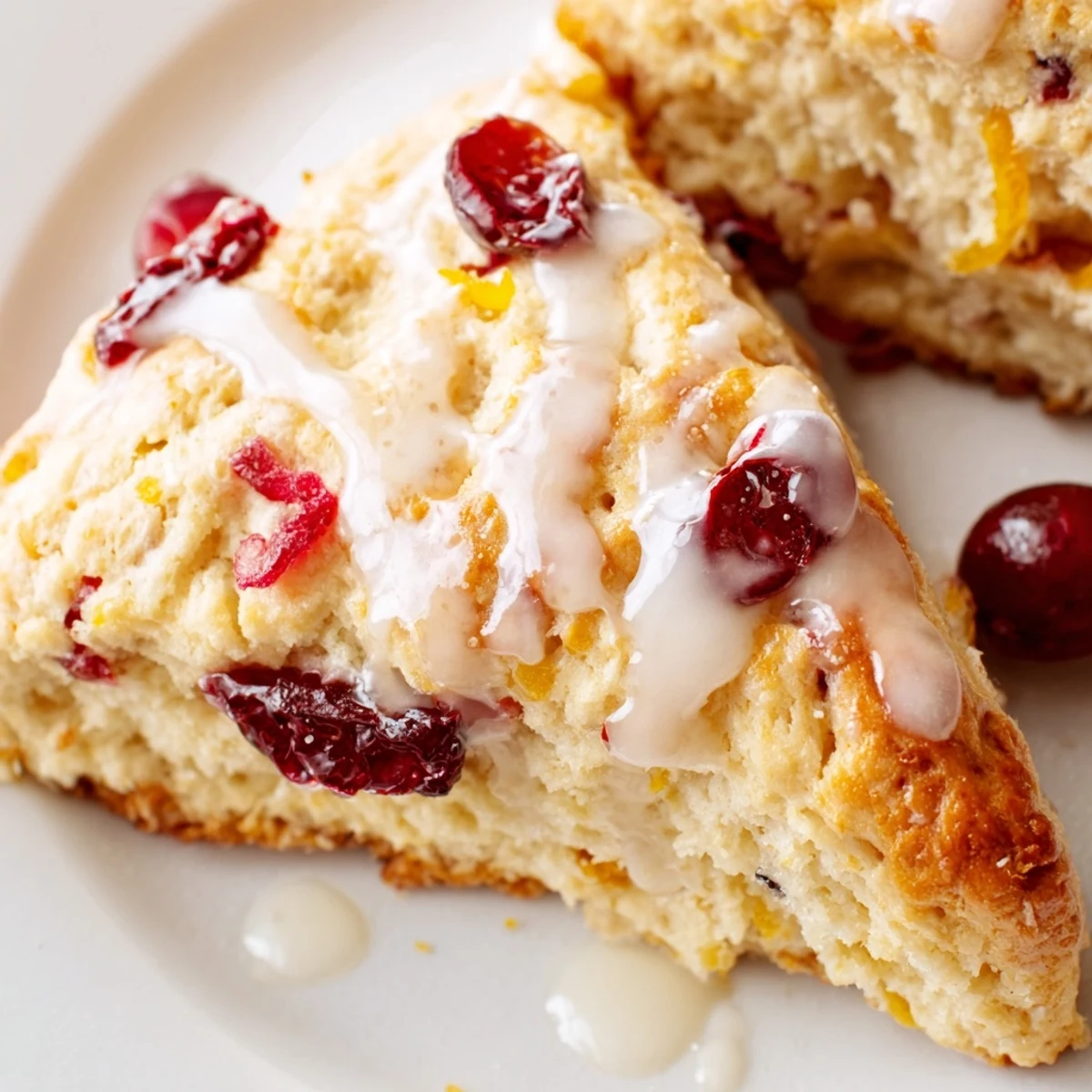
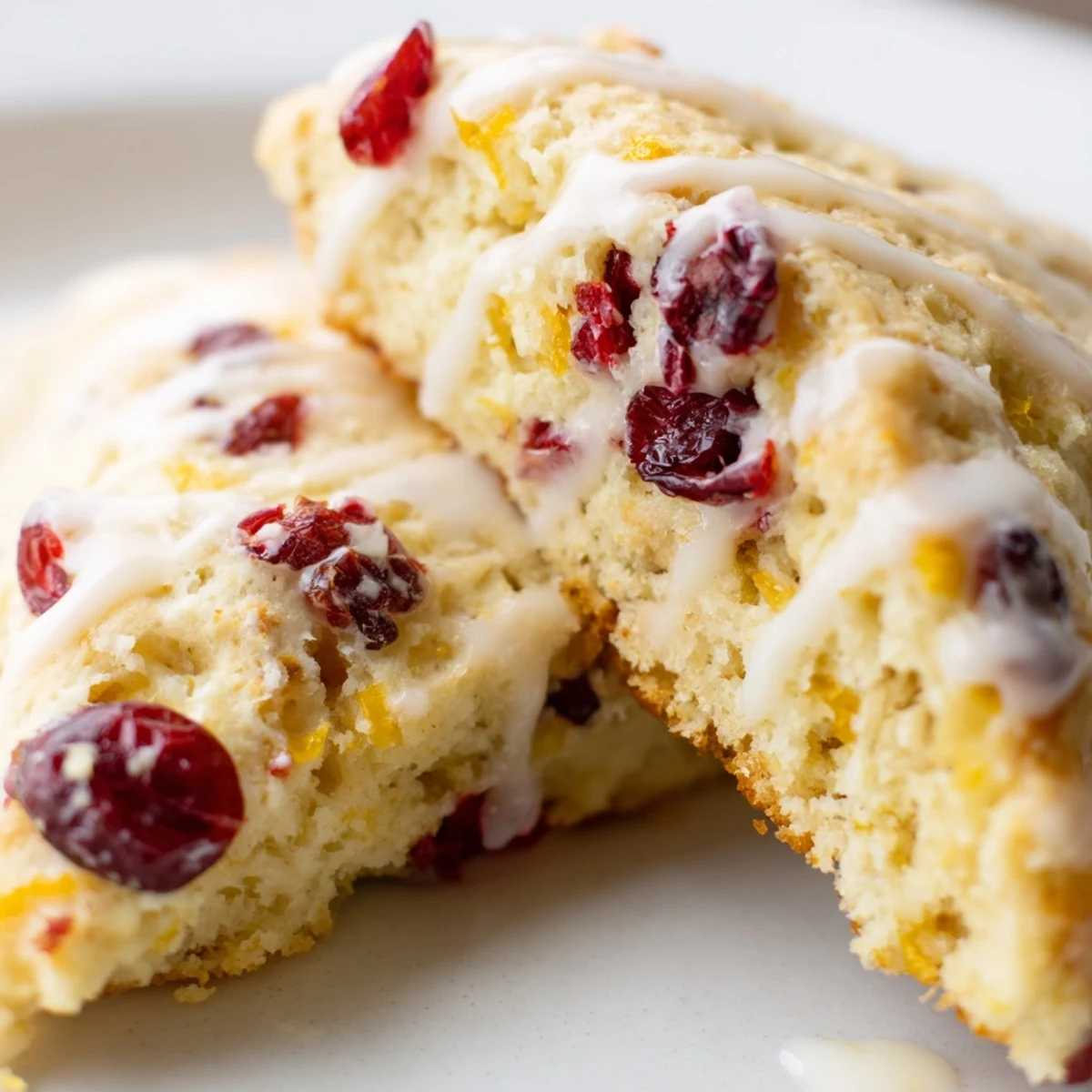
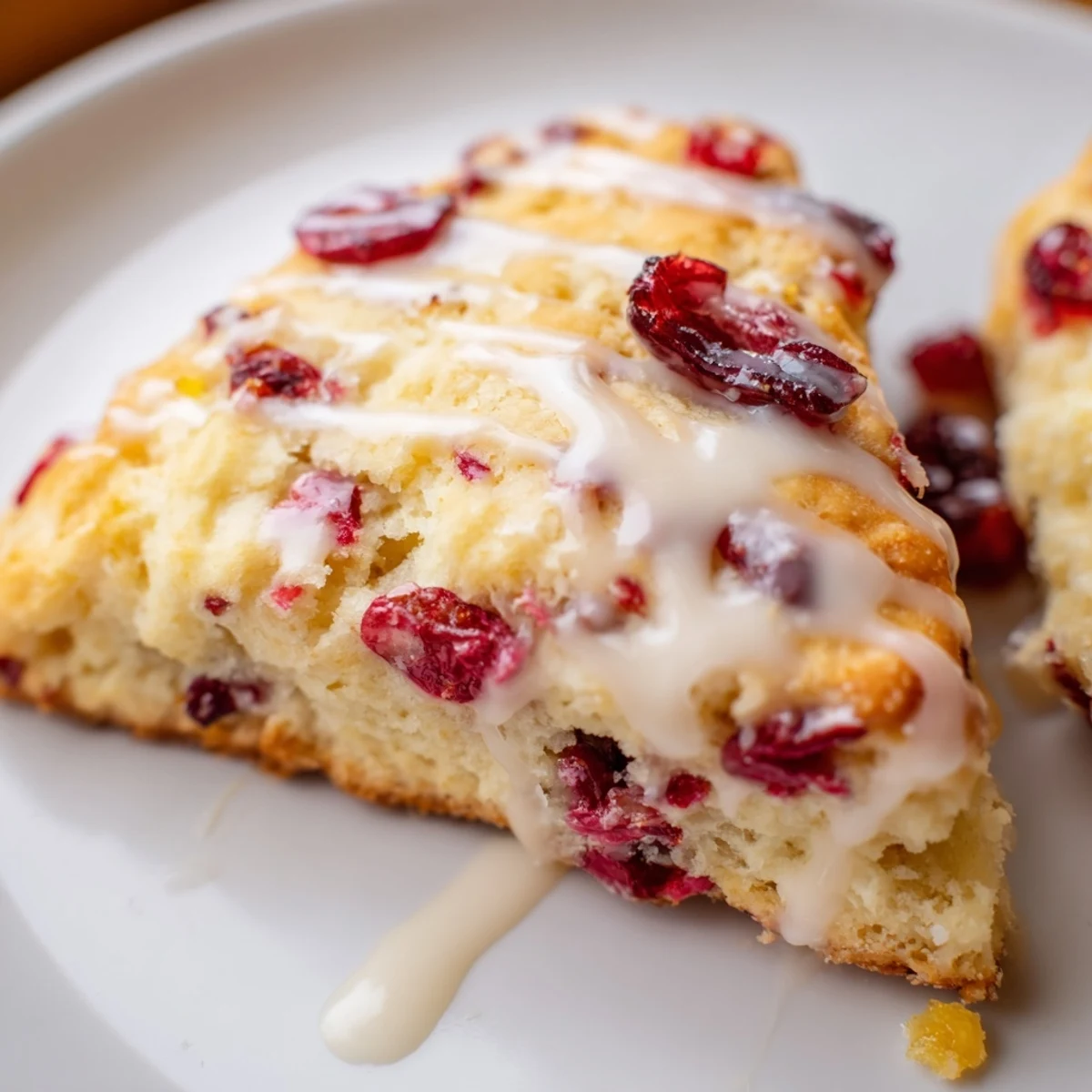
Save Enjoy these tender, buttery scones bursting with tart cranberries and bright orange zest. The dough combines all-purpose flour, sugar, and baking powders, enriched with cold butter and heavy cream. Fresh cranberries add a juicy tartness, while a sweet orange glaze provides a citrus finish. Baking yields golden wedges with a moist crumb, ideal for breakfast or afternoon tea. Optional coarse sugar topping adds crunch, making these scones a delightful balance of flavors and textures perfect for any cozy occasion.
There's something about the smell of orange zest hitting a warm bowl of flour that makes everything feel like it's about to turn into something special. I stumbled onto these scones one rainy afternoon when I had a bag of cranberries sitting on the counter and three oranges rolling around in the crisper drawer. They seemed to belong together, and I was curious enough to find out if they were right. What came out of the oven was so golden and buttery, studded with tart pockets of fruit, that my partner abandoned their laptop and camped out in the kitchen until the glaze was drizzled on.
I made a batch for my neighbor who'd just come back from the hospital, and she cried a little when she bit into one. Not because they were perfect (there was a tiny burnt edge on one), but because someone had taken the time to make them. That's when I realized these scones were about more than breakfast—they were a small, tangible way of saying something that matters.
Ingredients
- All-purpose flour (2 cups): This is your foundation; measure by spooning into a cup and leveling off so you don't pack it down and end up with tough scones.
- Granulated sugar (1/3 cup): Keeps the scones tender and adds just enough sweetness without competing with the orange and cranberry.
- Baking powder and baking soda (2 1/2 tsp and 1/2 tsp): The magic duo that makes these rise tall and stay light; old baking powder is the silent killer of fluffy scones, so check your dates.
- Salt (1/2 tsp): A pinch that wakes up every other flavor in the dough.
- Cold unsalted butter (1/2 cup): Keep it cold, cut it small, and you'll get those little pockets that make scones so tender you'll think you're doing something wrong.
- Heavy cream (2/3 cup): The secret to scones that are moist on the inside; don't skimp or substitute with milk.
- Egg (1 large): Binds everything together and helps create that gentle golden crust.
- Orange zest (1 tbsp): Use a microplane to get the bright oils; the white pith underneath is bitter, so keep that off your scone.
- Vanilla extract (1 tsp): A quiet addition that deepens the flavor without announcing itself.
- Fresh or frozen cranberries (1 cup): Halve the large ones so they don't puncture your dough and leak color everywhere; frozen berries work just as well and don't need thawing.
- Powdered sugar (1 cup for glaze): Whisked with juice and zest to create that glossy, slightly runny finish.
- Fresh orange juice (2-3 tbsp): Squeeze it yourself if you can; it makes a real difference.
Instructions
- Set up your oven and surface:
- Preheat to 400°F and line your baking sheet with parchment paper. Having everything ready means you won't be scrambling once your dough comes together.
- Mix the dry ingredients:
- Whisk flour, sugar, baking powder, baking soda, and salt in a large bowl. The whisking aerates the flour and distributes the leavening evenly so you don't end up with dense patches.
- Cut in the cold butter:
- Add cold cubed butter and work it in with a pastry cutter or your fingertips until the mixture looks like coarse, sandy crumbs. If your hands are warm, use a fork or pastry cutter to keep the butter from melting into the flour; you want those little butter pockets to stay distinct.
- Prepare the wet ingredients:
- Whisk heavy cream, egg, orange zest, and vanilla in a separate bowl. The emulsion of cream and egg is what makes these scones so tender.
- Bring it together gently:
- Pour the wet mixture into the dry ingredients and stir just until almost combined. This is where patience pays off; overmixing develops gluten and turns your scones tough, which is the opposite of what you want.
- Fold in the cranberries:
- Add the halved cranberries and fold them in just until the dough comes together. Some streaks of flour are fine; they'll come together on the counter.
- Shape the dough:
- Turn the dough onto a lightly floured surface and pat it into an 8-inch circle about 3/4 inch thick. Work gently, as if you're handling something fragile, because you are.
- Cut and prepare for baking:
- Cut the circle into 8 wedges like a pizza and transfer them to your prepared baking sheet. Brush the tops lightly with a little extra cream, which creates that beautiful golden crust.
- Bake until golden:
- Bake for 16–18 minutes, watching for them to turn pale golden brown on top. Your kitchen will smell incredible by minute 15.
- Cool properly:
- Let them cool on a wire rack so the bottoms don't steam and get soggy.
- Make the glaze:
- Whisk powdered sugar with fresh orange juice and zest until smooth and slightly runny. It should drizzle, not plop.
- Glaze and serve:
- Drizzle the cooled scones generously with the glaze and let it set for a few minutes before serving.
 Save
Save My mom called while I was glazing a batch and asked what I was doing. When I told her, she got quiet for a second, then said, "Your grandmother used to make something like that for Christmas." I'd never heard that story before, and suddenly these scones felt like I was holding onto a piece of someone I'd never met but was connected to anyway through butter and flour and sugar.
The Orange and Cranberry Magic
The combination of tart cranberry and bright orange is one of those flavor pairings that feels like it's been around forever, but it never gets old. The citrus isn't just a supporting note; it cuts through the richness of the butter and cream, making each bite feel lighter than it has any right to be. The zest carries most of the flavor work, so don't skip it or substitute the juice for it—they do very different things in the dough.
Making Scones Without Fear
The biggest myth about scones is that they're delicate and mysterious, and that you need some sort of British baking degree to pull them off. In reality, scones are forgiving; they actually want to fall apart a little, and that slight crumble is what makes them perfect. What they ask for in return is that you don't overwork the dough and that you keep your butter cold—that's genuinely it. Once you've made one batch, you'll have the confidence to experiment with different add-ins and glazes, knowing that the basic formula is solid.
Variations and Make-Ahead Options
These scones are a jumping-off point, not a fixed destination. You can swap dried cranberries for fresh or frozen (use about 2/3 cup), add chopped pecans or walnuts for crunch, or even play with different citrus combinations like lemon and blueberry. For make-ahead peace of mind, you can freeze the shaped scones unbaked on a baking sheet for up to a week; bake them straight from the freezer and add just a couple of minutes to the bake time. Baked scones also freeze beautifully and warm up gently in a low oven, which is perfect when you want that homemade scone moment without the from-scratch timing.
- Try adding 1/4 teaspoon of almond extract alongside the vanilla for subtle depth.
- A sprinkle of coarse sugar on top before baking creates a delicate crunch that feels fancy but requires zero extra effort.
- Leftovers keep in an airtight container for a few days, and they're just as good on day two if you warm them up.
 Save
Save These scones have become my go-to gift, my breakfast victory, and my small answer to the question of what you make when you want to tell someone they matter. They're meant to be shared warm, slightly warm, or even at room temperature with tea or coffee, and they're forgiving enough that even if something goes slightly wrong, nobody will notice because they'll be too busy enjoying them.
Recipe FAQs
- → What type of flour is best for these scones?
-
All-purpose flour ensures a tender crumb and proper structure, ideal for flaky scones.
- → Can I use frozen cranberries instead of fresh?
-
Yes, frozen cranberries work well if added directly without thawing to maintain their texture during baking.
- → How do I achieve a golden finish on these scones?
-
Brushing the scones with a bit of cream before baking helps develop a beautiful golden crust.
- → What variations can enhance the texture of these scones?
-
Adding chopped nuts like pecans or walnuts provides a pleasant crunch and complements the citrus notes.
- → Can these scones be made ahead and frozen?
-
Yes, scones freeze well. Reheat gently before applying the orange glaze for best results.