
 Save
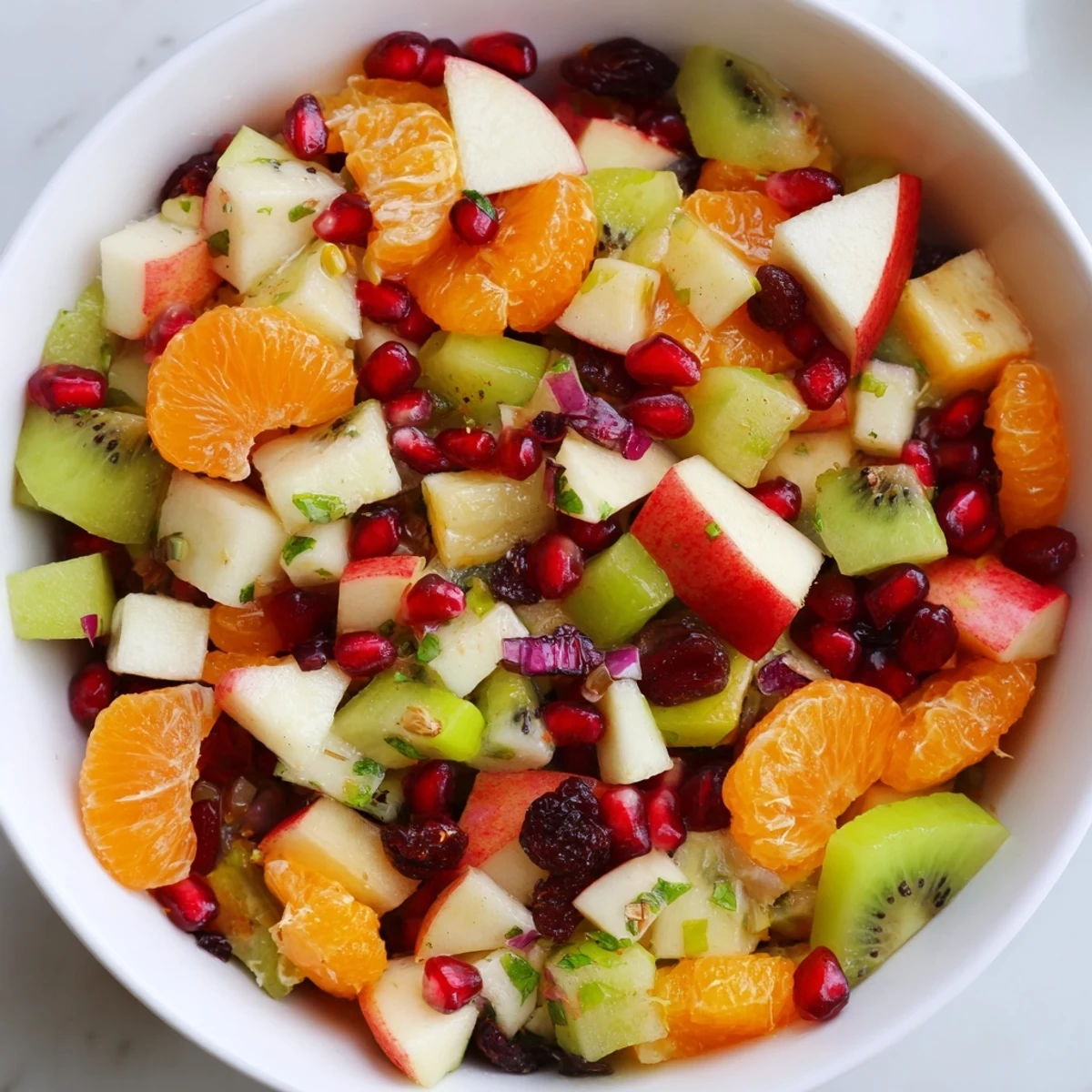
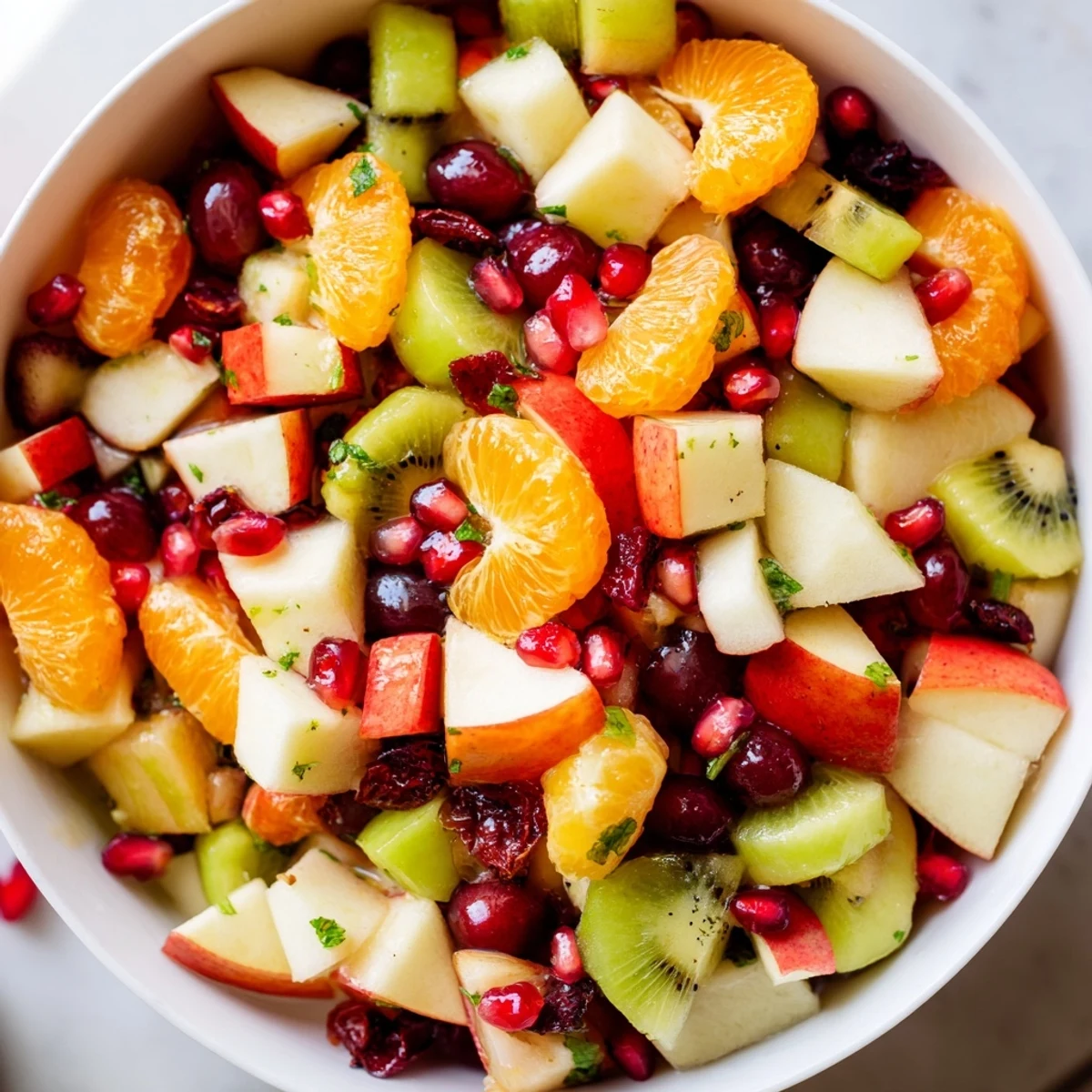
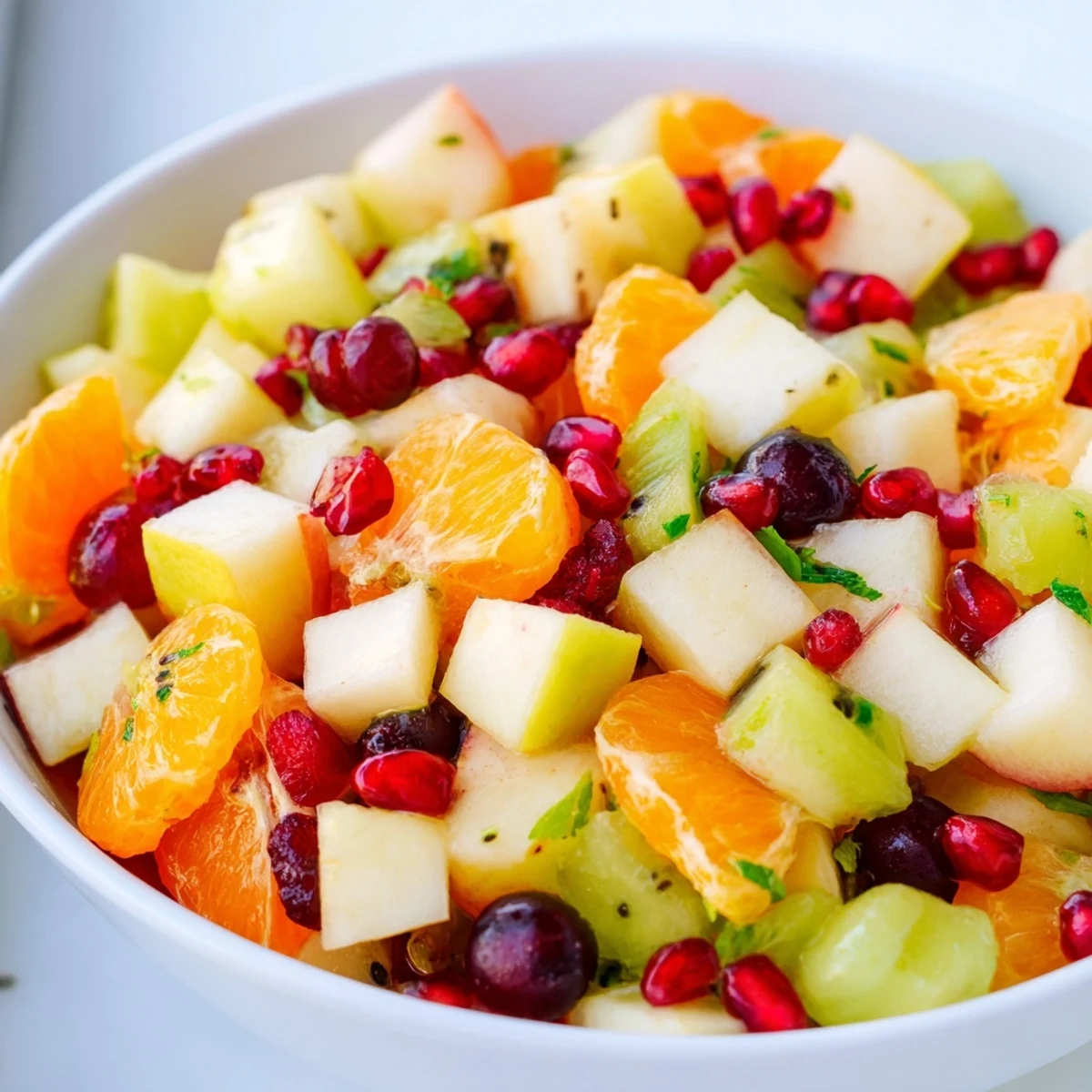
Save This winter fruit salad combines juicy oranges, apples, pears, pomegranate arils, grapes, kiwi, and dried cranberries for a colorful and nutritious dish. The honey-lime dressing, with fresh mint and a touch of cinnamon, adds a tangy sweetness that enhances the natural flavors of the fruits. Ideal chilled or at room temperature, it offers a balance of refreshing zest and subtle spice. Quick to prepare and versatile, this salad works beautifully as a light side or a fresh finish to a meal.
There's something magical about winter fruit salads that catches me off guard every time. Last January, I was standing in the kitchen on a grey afternoon, looking at the picked-over fruit section of the market, when I spotted the most jewel-like pomegranate arils catching the light. That one moment—the ruby seeds tumbling into my palm—sparked the idea for this salad. It became the dish I kept making all season long, a way to trick myself into feeling like spring was closer than it actually was.
I made this for a potluck dinner where everyone else brought heavy casseroles and rich appetizers. When I set down this bright, colorful bowl, people actually paused mid-conversation to reach for it. One friend came back three times, and afterward asked for the recipe on the spot—not the polite-I-might-make-it-someday request, but a genuine one scribbled onto the back of a napkin.
Ingredients
- Oranges: Their natural sweetness and juicy segments form the foundation; segmenting them releases precious juice that mingles with the dressing.
- Apples: Choose crisp varieties like Granny Smith or Honeycrisp so they don't turn soft in the dressing.
- Pears: They add a delicate sweetness and soft texture that contrasts beautifully with the apples.
- Pomegranate arils: These seeds are flavor bombs and bring a visual pop that makes the whole bowl feel special.
- Red grapes: Halving them releases their juice and lets the dressing coat them better.
- Kiwi: The bright green color and mild tartness add dimension and keep the salad from feeling one-note.
- Dried cranberries: They add chewiness and a subtle tartness that the fresh fruits can't provide alone.
- Honey: This is what brings warmth and ties all the fruit flavors together.
- Lime juice and zest: The juice balances the honey's sweetness while the zest adds a whisper of aromatic brightness.
- Fresh mint: Just a pinch transforms this from nice to memorable.
- Ground cinnamon: A tiny amount deepens the flavor without making it taste like dessert.
Instructions
- Prep your fruit like you mean it:
- Wash and dry everything first—wet fruit gets slippery and harder to cut evenly. As you work through each fruit, place it in a large bowl. This part takes patience, but taking your time means no bruised pieces that will turn the whole salad mushy.
- Build your dressing in a side bowl:
- Whisk the honey with lime juice until they start to merge, then add the zest so you get those little flecks throughout. Stir in the mint and cinnamon if you're using them, tasting as you go because this is where you decide if you want more tartness or more sweetness.
- Bring them together gently:
- Pour the dressing over the fruit and toss with your hands or a soft spatula—you want to coat everything without crushing the softer pieces like the pears. This is the moment where it stops being separate ingredients and becomes something unified.
- Let it rest:
- Waiting those 10 minutes is not wasted time; it's when the flavors actually get to know each other. The lime softens slightly, the honey dissolves completely, and everything tastes more cohesive.
- Serve with intention:
- Whether you chill it or serve it at room temperature, a fresh mint leaf on top transforms it from simple to thoughtful.
 Save
Save My daughter once asked why this salad tasted like happiness, and I realized she was right in a way I couldn't quite explain. It's because it tastes like abundance, like someone took the time to gather the best of what winter had to offer and arrange it on a plate just for you.
Why Winter Fruit Matters
There's a tendency to think of winter produce as secondary, like you're making do until spring arrives. But winter fruits have a quiet strength—they keep well, they concentrate their flavors, and they remind us that good eating doesn't require hothouse tomatoes. This salad celebrates that truth.
The Art of Dressing Without Drowning
The biggest mistake I see people make is treating fruit salad dressing like vinaigrette. You don't need much—too much liquid breaks down the fruit and makes it soggy by the time anyone eats it. The honey-lime combination is intentionally delicate because the fruit itself is already full of juice. You're not adding moisture; you're adding flavor that enhances what's already there.
Variations and Reasons to Keep This Flexible
This recipe is more of a blueprint than a strict rule, and that's intentional. Seasons shift, markets have different offerings, and your preferences matter more than perfect adherence to my ingredient list. I've made this with persimmons when they were perfect, with fresh pineapple when a friend brought it back from a trip, with pomegranate molasses instead of lime when I wanted something deeper. The skeleton of the salad—fresh fruit plus honey-lime dressing—holds up to whatever variations you choose.
- Toasted walnuts or pecans add a welcome crunch that makes this feel more like a meal.
- A splash of vanilla extract in the dressing brings a subtle warmth that deepens without announcing itself.
- If you're serving this with yogurt or oatmeal, skip the extra mint garnish and let those other flavors take center stage.
 Save
Save This salad asks so little of you while giving back brightness and flavor and a little moment of grace in a season that can feel long. Keep it in your rotation and let it become the dish you reach for when you need something that feels both nourishing and kind.
Recipe FAQs
- → What fruits are ideal for this winter salad?
-
Oranges, apples, pears, pomegranate arils, red grapes, kiwi, and dried cranberries create a vibrant mix of textures and flavors.
- → How does the honey-lime dressing enhance the dish?
-
The honey adds subtle sweetness while the lime provides a fresh tang, balancing the natural flavors of the winter fruits.
- → Can I add nuts to this salad?
-
Yes, chopped toasted walnuts or pecans add a pleasant crunch and complement the fruity notes nicely.
- → Is the salad best served chilled or room temperature?
-
Both work well; chilling allows flavors to meld, while room temperature offers bright, fresh notes.
- → Can the ingredients be substituted seasonally?
-
Absolutely, seasonal fruits like persimmons, mandarins, or pineapple can be used to suit availability and taste.